Taper Fade Haircut: What It Is and the Best Variations to Try
Ask for a “taper fade” and a “fade” at two different barbershops and you might walk out with noticeably different results, because the two terms describe related but distinct techniques that get used interchangeably more often than they should. This guide clears up the actual difference between a taper and a fade, explains what a taper fade specifically combines, and breaks down the real variations you can choose from.
Taper vs. Fade: What Is the Actual Difference?
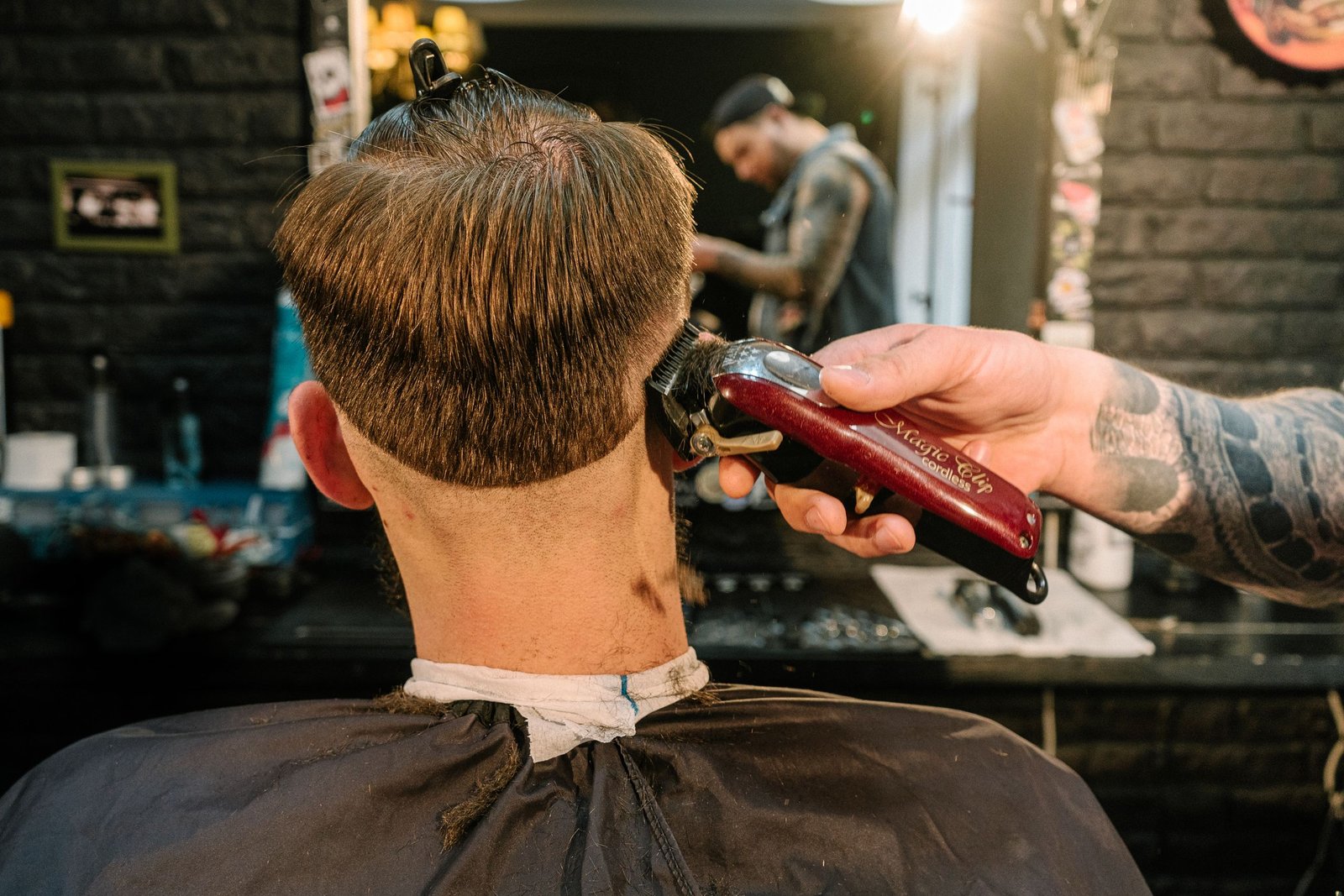
A taper gradually shortens the hair around the sideburns, neckline, and edges while keeping visible length throughout, never cutting all the way down to the skin. A fade, on the other hand, blends the hair down to skin level, creating a much more dramatic, high-contrast transition between the short sides and the longer top.
A taper fade combines both techniques: the upper portion of the sides tapers gradually, the way a classic taper does, and that taper then continues down into a full fade to skin near the hairline and neckline. The result keeps the subtle, professional blend of a taper up top while still delivering the sharp, skin-close finish of a fade at the bottom.
If you already have a mid fade and want to see how it compares across different top styles like a pompadour, quiff, or comb-over, our guide to mid fade haircuts covers 22 style pairings in detail.
Taper Fade Height Variations
| Variation | Where it starts | Where it fades to skin | Best for |
|---|---|---|---|
| Low taper fade | Around ear level | Lower area, near the neckline | Conservative, professional settings; the most subtle option |
| Mid taper fade | Temple level | Mid-to-low area | The most popular, balanced version that works in most settings |
| High taper fade | Higher on the head, closer to the crown | Mid area | A bolder, more modern look while still reading as neat |
All three heights use the same core technique, a gradual taper up top blending into a fade to skin below, and differ only in where that transition point sits on the head. Lower placements read as more understated; higher placements create more visible contrast.
How a Taper Fade Pairs With Different Top Lengths
Because the taper fade only defines what happens on the sides and back, the top can be styled almost any way you like, including several of the styles covered in our guide to classic clean cut haircuts.
- Textured crop: Short, choppy texture on top pairs naturally with a taper fade for a low-effort, modern finish.
- Slick back or comb-over: Longer top hair swept back or to the side creates strong contrast with the closely faded sides.
- Curly or coily top: A taper fade removes bulk from the sides, which helps curly or coily hair on top read as more defined rather than getting lost in overall volume.
- Buzzed or very short top: When the top is buzzed close as well, the taper fade becomes the main visual detail of the cut, so the transition needs to be cut cleanly.
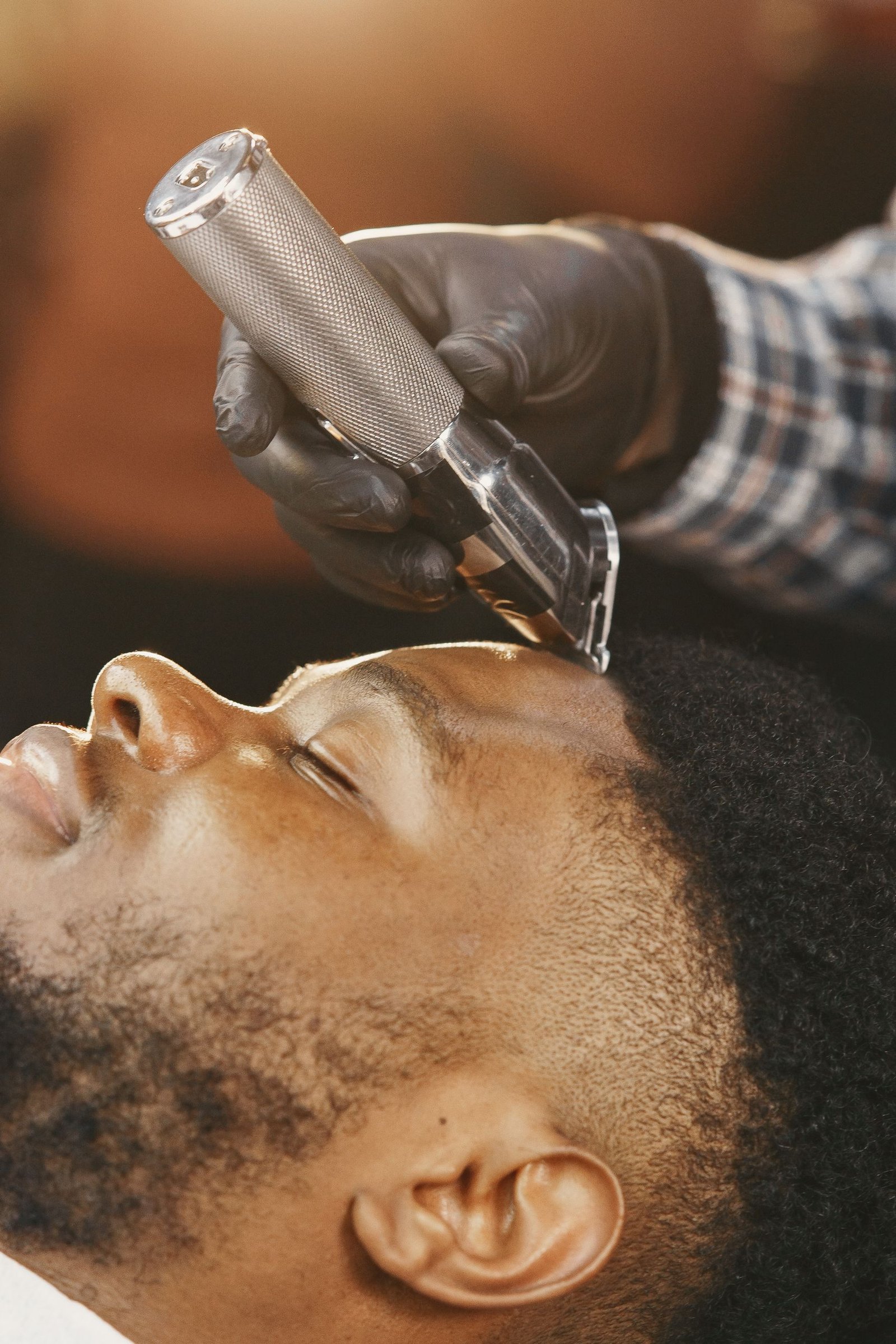
How to Ask Your Barber for a Taper Fade
Because the term gets used loosely, being specific helps avoid a mismatch between what you picture and what you get.
- Specify the height: low, mid, or high taper fade.
- Clarify that you want it to fade all the way to skin at the bottom, not just taper down to a short guard length, since some barbers will assume a plain taper unless you say “fade to skin.”
- Mention your preferred top length and style separately, since the taper fade only describes the sides and back.
- Bring a reference photo if you have one, especially the first time you ask a new barber for this specific combination.
Maintenance and How Often to Get It Redone
A taper fade needs more frequent upkeep than a plain taper but slightly less than a full, all-over fade. Most men book a trim every two to three weeks to keep the fade line sharp, since new growth softens the skin-close transition faster than it affects the longer, tapered hair above it. A plain taper alone can often stretch to three to four weeks between cuts, while a full fade with no tapered section usually needs attention every one to two weeks to stay crisp.
Between visits, keeping the sides brushed down and avoiding heavy product buildup near the fade line helps the transition stay visible and clean rather than looking overgrown before your next appointment.
Common Mistakes to Avoid
| Mistake | Why it matters |
|---|---|
| Asking for a “fade” when you actually want a softer taper | You may end up with more skin exposure on the sides than you intended |
| Not specifying the height (low, mid, high) | Barbers may default to whichever height they cut most often, which may not match your face shape or preference |
| Waiting too long between trims | The fade-to-skin line grows out and loses definition faster than the rest of the cut |
| Choosing a very high taper fade for a round face | Removing too much volume from the sides can emphasize width rather than balance it |
Frequently Asked Questions
Is a taper fade the same as a fade?
No. A fade blends hair down to skin across the whole side, while a taper fade combines a gradual taper on the upper sides with a fade to skin only near the bottom, keeping more length visible higher up.
Which taper fade height is most popular?
The mid taper fade is generally considered the most versatile and widely requested option, since it balances a clean, sharp look with enough length up top to suit most workplaces and settings.
How often does a taper fade need to be trimmed?
Most men need a trim every two to three weeks to keep the fade-to-skin transition sharp, since new growth softens that line faster than it affects the tapered hair above it.
Does a taper fade work for curly hair?
Yes. Removing bulk from the sides with a taper fade often helps curly or coily hair on top read as more defined, since the hair is not competing with volume on the sides as well.
Final Thoughts
Understanding the real difference between a taper and a fade makes it far easier to get the exact look you want rather than hoping your barber interprets the term the same way you do. Whether you choose a low, mid, or high taper fade, the technique gives you the sharp definition of a fade with a softer, more gradual transition than an all-over fade delivers, which is exactly why it remains one of the most requested cuts in modern barbering.