8 Red-Carpet-Inspired Hairstyles You Can Actually Recreate
Red-carpet hairstyling tends to follow a small set of reliable categories year after year, built around what photographs well and holds up through hours of events rather than pure trend-chasing. These 8 categories cover the looks stylists reach for most often, along with what makes each one work on camera and how to adapt it for everyday wear.
In This Guide
8 Red-Carpet-Inspired Hairstyle Categories
1. The Sleek, Middle-Parted Bob
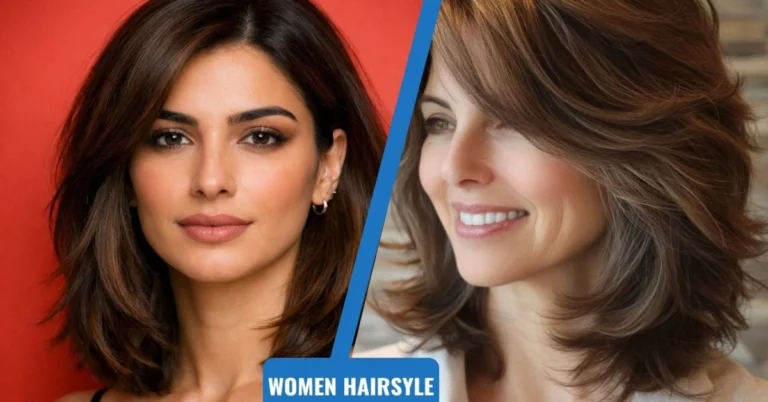
A blunt or lightly layered bob, straightened smooth with a precise middle part. Reads as polished and modern on camera because the clean lines catch light evenly — a look that shows up on award-show carpets almost every season.
2. The Old Hollywood Wave
Deep, defined S-shaped waves set close to the head, usually with a deep side part. One of the most enduring formal styles because the structured wave pattern photographs as glamorous from any angle rather than only from the front.
3. The Low, Sleek Bun
Hair pulled back smooth and gathered into a low, tight bun at the nape, often with a center or deep side part. A minimalist choice that puts the focus on statement earrings or a strong neckline rather than the hair itself.
4. Undone Beachy Waves
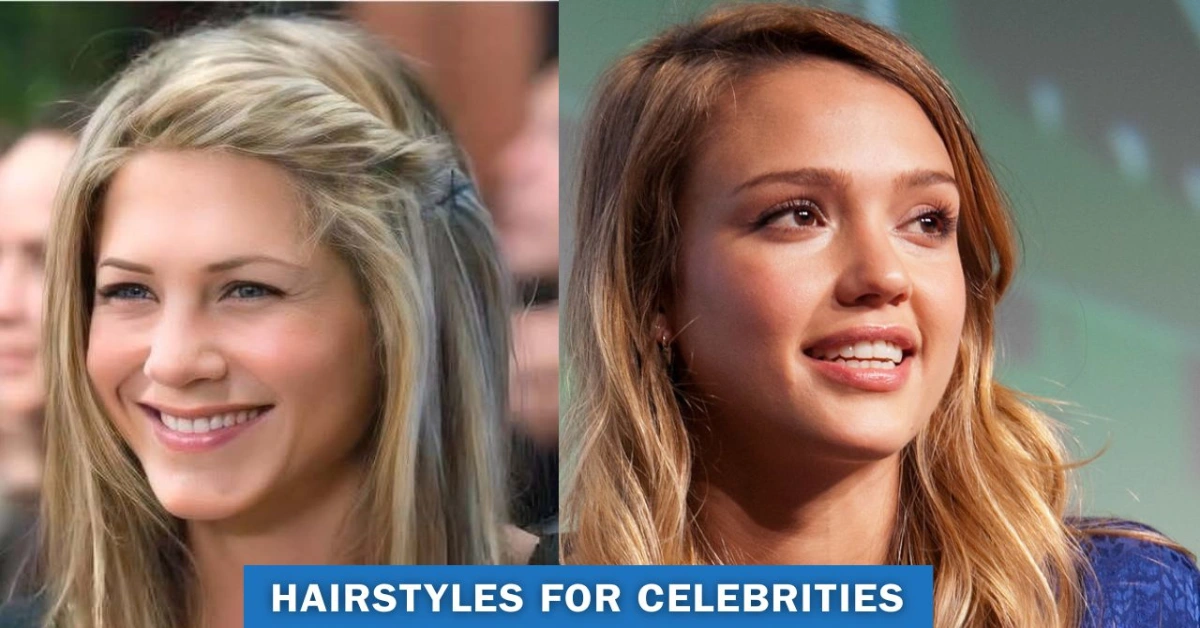
Loose, tousled waves with visible texture and movement, styled to look effortless rather than sculpted. The counterpoint to the structured Old Hollywood wave — favored for daytime or less formal red-carpet events.
5. The High, Sculpted Ponytail
A ponytail gathered high and smoothed flat against the scalp, often wrapped with a section of hair to hide the tie. Elongates the neck and reads as more editorial than a standard ponytail because of the sleek, wrinkle-free finish.
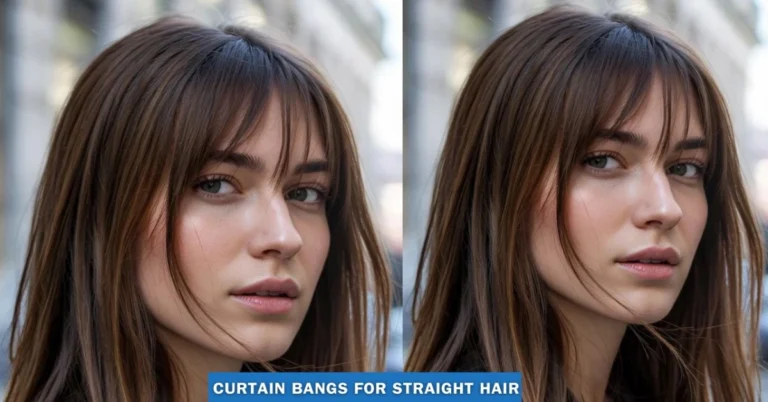
6. Face-Framing Curtain Layers
Long layers cut to frame the face from the cheekbone down, worn straight or with a loose curl at the ends. A softer alternative to a full fringe that still adds movement around the face in photos.
7. The Voluminous Blowout
Hair blow-dried with a round brush for maximum volume and a slight outward curl at the ends. Reads as full and camera-ready under event lighting, which tends to flatten hair that’s styled too close to the head.
8. The Textured Updo
An updo built with intentional texture and loose pieces rather than a perfectly smooth finish — twisted or braided sections gathered loosely at the crown or nape. Currently one of the most requested formal styles because it looks polished without appearing overly rigid.
Adapting These for Everyday Wear
Most of these looks are built for a single event with a full styling team, but they scale down easily:
- Skip the full team, keep the shape. A sleek middle-parted bob or low bun needs only a flat iron or smoothing brush at home — the polish comes from the clean part and even tension, not professional tools.
- Trade structured waves for beachy waves on a normal day — undone texture holds longer without touch-ups and doesn’t require re-setting halfway through the day the way defined Old Hollywood waves do.
- Use dry shampoo for the voluminous blowout look on day two or three, since it adds the texture at the root that fresh, freshly-washed hair often lacks.
- A textured updo is the most forgiving of the eight for everyday wear — small imperfections in the twist or braid actually read as intentional rather than as mistakes.
Frequently Asked Questions
The low, sleek bun and the sleek middle-parted bob are the easiest — both need only a smoothing brush or flat iron and no advanced technique, unlike structured waves or a sculpted ponytail that require more precise sectioning.
Structured looks like the Old Hollywood wave or sculpted ponytail hold for 6-8 hours with proper setting spray, while looser styles like beachy waves or a textured updo tend to look better as they relax over the course of an event.
Most do, but a few are length-dependent — a sleek bob needs hair at or near bob length, and a high sculpted ponytail needs enough length to pull back smoothly. Waves, low buns, and textured updos are the most flexible across lengths.
Old Hollywood waves are tightly defined, uniform S-shapes set close to the head for a structured, glamorous finish. Beachy waves are looser and more irregular, aiming for a relaxed, undone look rather than precision.
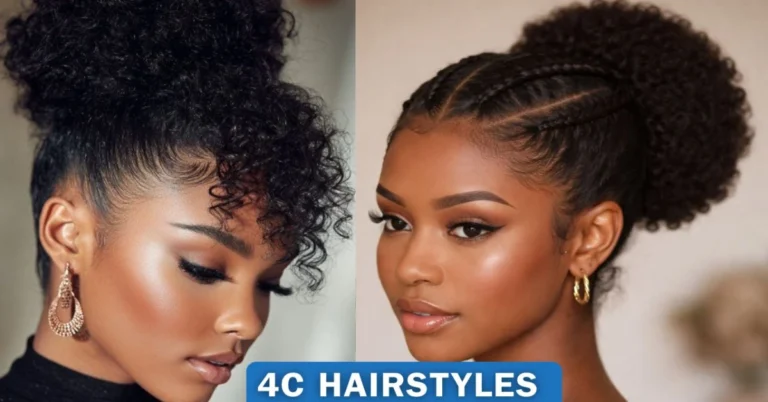
Yes — a low bun, high ponytail, and textured updo all work with natural curl pattern intact, and often need less product to hold since curly hair already has natural grip and texture.
Final Thoughts
Red-carpet styling works because it plays to how hair reads under bright light and from multiple angles — structure and even parts for formal categories, controlled texture for the more relaxed ones. Pick the category that matches your hair length and the occasion, then scale the effort to match: a low bun or sleek bob for a quick polished look, a textured updo when you have a bit more time. For more formal updo techniques specifically, see our braided updo guide.