Top 18 Amazing Medium Length Hairstyles For Women
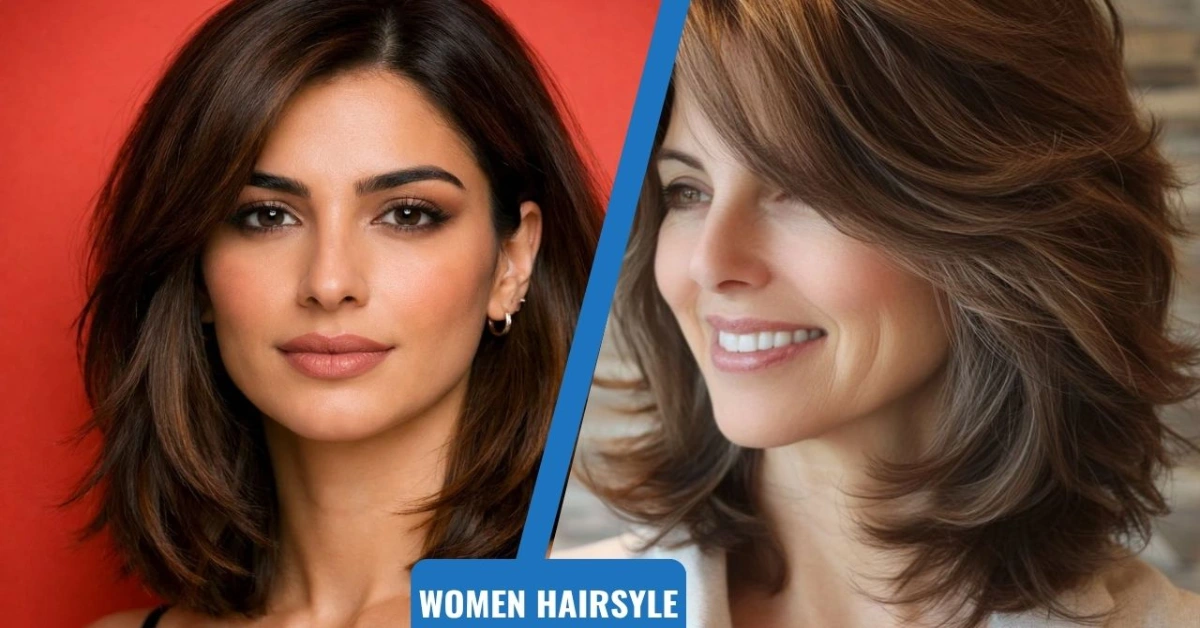
Quick answer: Medium length is the most forgiving range for trying a new cut or color, since there’s enough length for real styling variety without the commitment of a drastic chop. The cuts below are grouped by actual technique (layering style, not just length), with color and balayage explained separately since that’s where most of the visual variety in this length range actually comes from.
Layering Styles
1. Feathered Layers
Layers cut to taper at the ends, creating a lighter, wispier finish, especially around the face. Suits fine to medium-density hair well, since the feathering adds movement without removing too much overall volume.
2. Choppy Layers
More textured, uneven layer cuts with visible separation rather than a smooth blend. Reads as more modern and lower-maintenance day to day than a classic, uniform layer cut.
3. Swoopy, Side-Swept Layers
Layers styled to flow to one side, often paired with a side-swept fringe. A softer, rounder finish than choppy layers, well suited to a polished everyday look.
4. Shag Cut
Heavy, textured layering throughout with a deliberately undone finish. Works well for anyone who wants a lower-maintenance daily routine, since the cut itself is designed to look intentional even without much styling effort.
Bob and Lob Structures
5. Classic Layered Bob
A round, blended layer structure — smoother and more polished than a shag, without the choppiness of a more textured cut.
6. Long Bob (Lob)
A shoulder-length version of the bob, offering more styling flexibility (waves, curls, updos) than a true bob while staying shorter than shoulder-grazing medium lengths.
7. V-Cut Layers
The back cut into a distinct V shape rather than a straight or rounded line, adding shape and movement especially when worn straight.
8. Rounded-Line Bob
Hair kept slightly longer near the face and gradually shorter elsewhere, softening the overall shape — a good option for framing the face without a full fringe.
Color Techniques: What Actually Differs
Most “medium hairstyle” color variations you’ll see are really one of two techniques applied to a cut above:
- Highlights: individual sections of hair lightened from the root or a chosen starting point, creating consistent, evenly spaced lighter strands throughout.
- Balayage: color hand-painted onto the surface of sections, concentrated more at the mid-lengths and ends, creating a softer, more gradual transition with less obvious regrowth lines than traditional highlights. This is why balayage generally needs less frequent touch-ups than full highlights.
Popular medium-length color pairings include a dark base with money-piece (face-framing) highlights, an all-over balayage in caramel or strawberry tones, or a two-tone contrast like ash-blonde over a darker root. All of these are the balayage or highlight technique applied with a different color choice — not fundamentally different processes.
Choosing By Hair Type
| Hair type | Best-suited styles |
|---|---|
| Fine | Feathered layers, classic bob (blunt ends read fuller than heavy layering) |
| Thick | Choppy layers, shag cut, v-cut (all handle heavier layering well) |
| Wavy or curly | Shag cut, disheveled lob (layering lets natural texture show) |
| Straight | V-cut, rounded-line bob, classic layered bob |
Frequently Asked Questions
What’s the real difference between balayage and highlights?
Highlights are individually foiled sections lightened consistently throughout; balayage is hand-painted onto the surface, concentrated toward the ends, giving a softer, lower-maintenance regrowth line since the color naturally fades rather than showing a hard root line.
Which medium-length cut needs the least daily styling?
A shag cut or choppy layers — both are designed to look intentional with minimal effort, unlike a smooth classic bob that needs more deliberate styling to avoid looking flat.
Does medium length work with thin hair, or does it look limp?
It works well with the right cut: feathered layers and blunter, less-layered bobs both help fine hair appear fuller, while heavy layering can thin out the look of already-fine hair.
How often does a medium-length cut need a trim to hold its shape?
Every six to eight weeks for layered styles to maintain shape and prevent split ends from traveling up the length; blunt, less-layered cuts can sometimes stretch slightly longer between trims.
Editorial note: Cut and color guidance reflects general hairstyling practice as of 2026. Bring a reference photo along with the specific technique name (balayage vs. highlights, choppy vs. blunt layers) to your stylist for the clearest result.