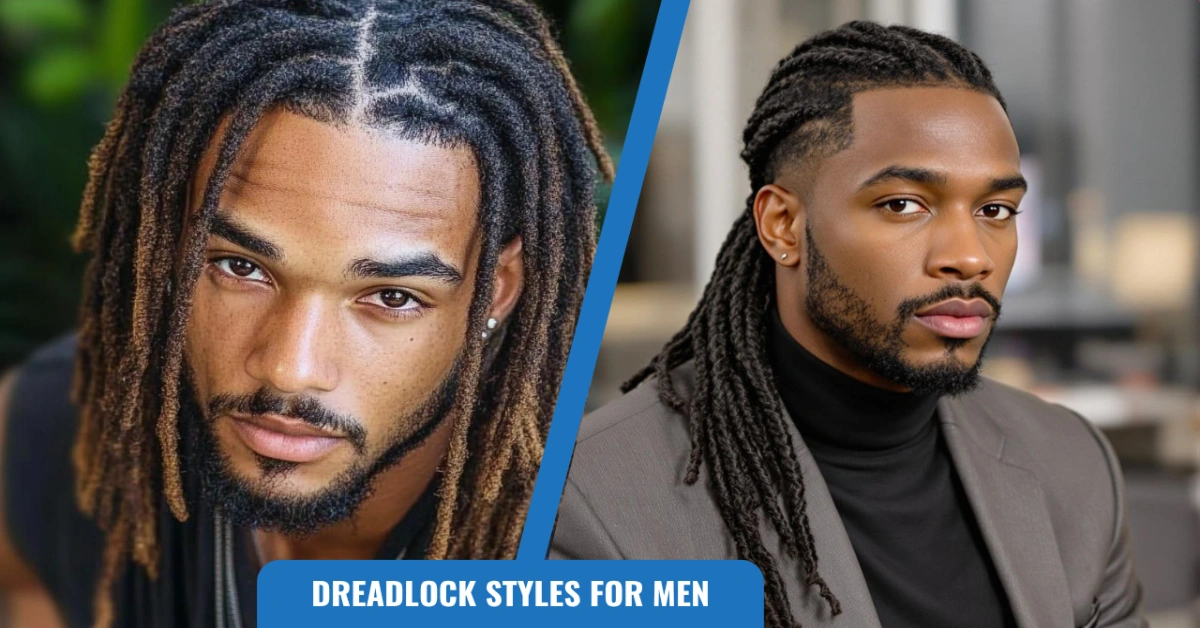
Top 20 Trendy Dreadlock Styles For Men
Quick answer: Dreadlocks are genuinely low-maintenance day to day once established, but “established” is the key word — the locking process itself takes months, and ongoing care (retwisting roughly every four to eight weeks, keeping hair moisturized rather than dry) is what determines whether locs stay healthy or become brittle and prone to breakage. Below are 12 real style variations, most of which are really the same base (grown locs) worn differently, followed by the maintenance facts that matter more than any specific look.
Base Styles
1. Classic Freeform or Maintained Locs
Worn loose and hanging naturally. The lowest-effort style day to day, though it still requires the same underlying retwist schedule as any other loc style to stay neat at the roots.
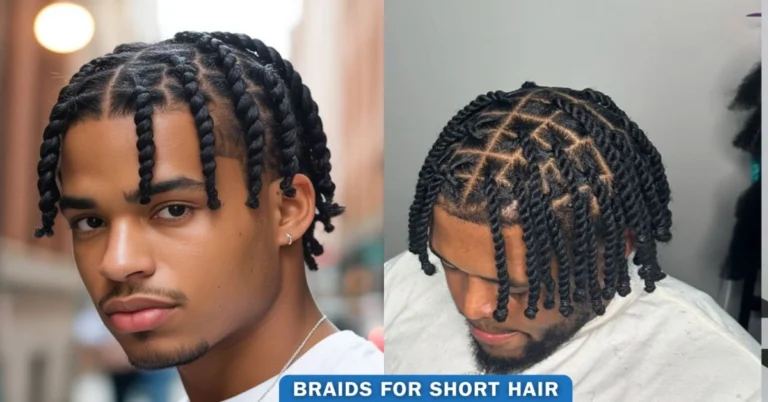
2. Twist Locs (Two-Strand)
Formed from two sections of hair twisted around each other rather than a single roped section — a different starting technique than traditional locs, giving a slightly more uniform, defined look.
3. Curly Locs
Natural curl pattern left visible within the loc structure rather than smoothed flat, adding texture at any length.
4. Short Locs
For locs that haven’t grown long yet, or that are deliberately kept shorter — there’s no minimum length required to start or maintain locs.
Pattern and Technique Variations
5. Braided or Cornrow-Based Locs
Larger locs started or styled using a braid pattern at the scalp rather than a single strand base, giving a more structured look at the roots.
6. Criss-Cross / Basket Weave Pattern
Locs arranged in a woven or crossed pattern at the scalp — a styling technique layered on top of established locs rather than a different way of forming them, best done by an experienced loctician.
7. Chunky Locs
Thicker locs formed by combining more hair per section, sometimes mixed with thinner locs for contrast. A deliberate choice made early in the locking process, since loc thickness is difficult to change significantly later.
Ways to Wear Longer Locs Up
Once locs have enough length, they can be gathered the same way any long hair can: a low ponytail for a minimal, everyday look; a high ponytail for a more classic pulled-back style; a top knot or high bun for the most polished, formal option; or half-up, half-down for keeping hair off the face while still wearing most of it loose. All four use the same basic technique (gather and secure with a strong, appropriately sized hair tie) — the difference is purely where and how much hair is gathered, so pick based on the occasion rather than treating them as fundamentally different styles.
Bolder Combinations
8. Mohawk With Locs
Sides shaved or faded completely, with locs left running down the center. A striking, high-commitment look best planned with a barber experienced in combining locs with a fade.
9. Undercut With Locs
Shorter, faded, or shaved sides with locs gathered on top into a bun or knot — a more subtle, wearable alternative to the full mohawk pairing.
10. Half-Shaved With Locs
One side shaved, the other kept with full locs — an asymmetrical option for changing up a look without cutting any length from the locs themselves.
11. Bantu Knots (Short Knotted Locs)
Small sections twisted and coiled into compact knots against the scalp. Works on shorter locs specifically and doubles as a protective, low-manipulation style between regular wear.
12. Ombre or Dip-Dyed Locs
Color gradually shifting from darker roots to lighter tips, or a full color change throughout. Locs need to be well-moisturized before any dye process, since already-dry hair is significantly more prone to breakage once chemically treated.
The Maintenance Facts That Actually Matter
Retwisting the roots roughly every four to eight weeks (the exact interval depends on hair type and how fast new growth shows) is what keeps locs from looking unkempt at the base — going too long between retwists lets loose hair build up and eventually causes uneven, frizzy roots that are harder to correct. Locs also need regular moisture, not just oil: a water-based leave-in followed by a light oil to seal is more effective than oil alone, which can sit on the surface without actually hydrating the hair underneath. Heavy waxes and butters, often marketed for “loc maintenance,” can cause buildup that traps dirt and slows the locking process rather than helping it.
Frequently Asked Questions
How long does it take for hair to actually lock?
Anywhere from a few months to about a year to reach a mature, tight loc structure, depending on the starting method (interlocking, two-strand twists, or freeform), hair texture, and how consistently they’re maintained.
How often do locs need to be retwisted?
Roughly every four to eight weeks for most people — going significantly longer risks loose, frizzy new growth that’s harder to correct later.
Do locs need to be washed, or does that loosen them?
Regular washing is necessary and doesn’t loosen mature locs — buildup from skipped washing is actually more likely to cause odor and scalp issues than water itself.
What’s the biggest care mistake people make with locs?
Relying on heavy oils or wax alone for moisture instead of a water-based leave-in, and going too long between retwists, both of which lead to dry, brittle, or uneven-looking locs over time.
Editorial note: Locking timelines and care guidance reflect common loctician practice as of 2026; hair texture and thickness vary enough that a consultation with an experienced loctician is worth it before starting, particularly for less common methods like basket weave or chunky locs.