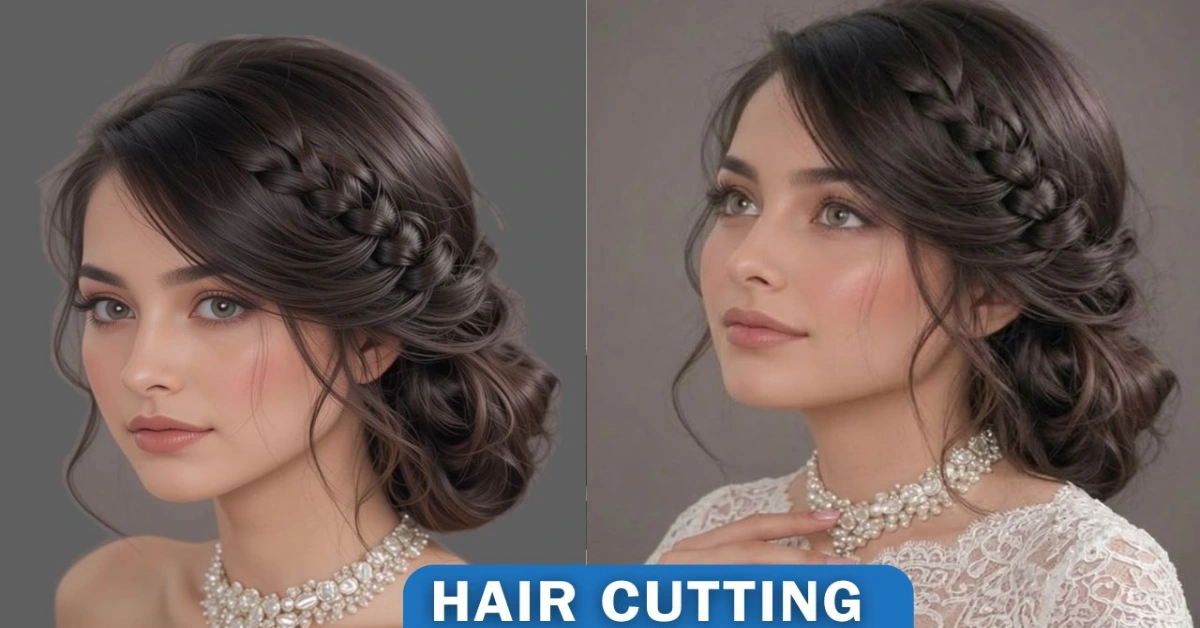
10 Haircut Names Every Girl Should Know (With Face-Shape Guide)
A trim does more than tidy up split ends — the right cut changes how your whole face reads, often more than color or makeup ever could. The trouble is most “haircut idea” lists just show a name and a photo, with no guidance on which of those names actually suits you.
This guide fixes that. Below are 10 cuts worth knowing by name before your next salon visit, plus the face-shape and hair-type guidance that decides whether each one will flatter you or fight you.
How To Choose A Haircut For Your Face Shape
The fastest way to pick a flattering cut is to work with your face shape, not against it. As a rough guide:
- Round faces tend to suit cuts with height at the crown and angles — layers, a pixie, or a lob — since soft, rounded lengths can add width you don’t need.
- Long or oval faces suit almost everything, including blunt bobs and full fringes, which shorten the appearance of the face.
- Square or angular faces soften nicely with waves, side-swept bangs, or layers around the jaw.
- Heart-shaped faces (narrower chin, wider forehead) balance well with chin-to-shoulder-length cuts and side-swept bangs rather than a blunt center-parted style.
A stylist consultation will always beat a general rule, but knowing which category you’re in makes that conversation faster and gets you a cut you’ll actually like.
In This Guide
10 Haircuts Worth Knowing By Name
Save a photo of the one you like, but use the actual name below when you book — it saves a lot of back-and-forth in the chair.
1. Layered Haircut
Best for: round or square faces, and thick hair that needs weight removed. A stylist cuts hair at multiple lengths through the mid-lengths and ends rather than one blunt line, which adds movement and takes bulk out of dense hair. It works on short, medium, or long hair and is one of the lowest-maintenance cuts on this list — layers grow out softly instead of losing their shape.
2. Pixie Haircut
Best for: oval and heart-shaped faces, and fine-to-medium hair with good scalp coverage (very fine hair can look sparse this short). It’s a short, cropped cut, usually shortest at the sides and back with slightly longer length on top for styling. It requires a trim every 4–6 weeks to keep its shape — the trade-off for how little daily styling it needs.
3. Emo/Scene Haircut
Best for: anyone wanting a dramatic, editorial look rather than an everyday low-maintenance one. It combines choppy, heavy layers with a deep side-swept fringe that often covers part of the forehead. It needs the most regular trims of any cut here to keep the fringe length and the choppy layers from growing out shapeless.
4. Bob Cut
Best for: most face shapes — it’s one of the more universally flattering cuts, which is why it’s stayed popular for decades. A blunt, one-length cut that typically falls between the chin and shoulders. Shorter, chin-length bobs suit round faces best by elongating them; longer “lob” (long bob) versions suit almost every face shape. It holds its shape well and needs a trim roughly every 6–8 weeks.
5. Full Fringe (Bangs)
Best for: long or oval faces that want to shorten their appearance, and can be cut straight-across or softened with layers for round or square faces instead. Bangs work at any hair length — short, medium, or long — but they’re also the highest-commitment addition on this list: they need trimming every 3–4 weeks to stay out of your eyes.
6. V-Shape Cut
Best for: thick or highly-textured hair, and anyone who wants drama over subtlety. The ends are cut at a steep diagonal angle that meets in a sharp point at the back, instead of a straight blunt line. It creates more visible movement and edge than a U-shape cut, but that sharp point needs regular trims to stay crisp — it’s the higher-maintenance of the two angled cuts.
7. U-Shape Cut
Best for: wavy or fine hair, and anyone who wants a softer, lower-maintenance alternative to the V-shape. The back is cut in a rounded curve rather than a point, blending into soft layers around the face. It holds its shape longer between trims than a V-cut, making it the easier of the two to live with day to day.
8. Long Side-Swept Bangs
Best for: square or heart-shaped faces that want to soften strong angles without committing to a full fringe. Unlike blunt, straight-across bangs, these are cut longer and angled to sweep across the forehead, usually paired with curled or wavy lengths. They’re more forgiving to grow out than full bangs since the length blends into the rest of the hair.
9. Shag Cut
Best for: anyone who wants a deliberately undone, freestyle look rather than a polished one. Choppy, heavily textured layers are cut throughout at varying lengths, giving each section its own movement instead of one uniform shape. It’s a strong pick if you like a lived-in, editorial style for a party or a shoot, but the choppy layers grow out unevenly and need more frequent trims than a classic layered cut.
10. Feathered Cut
Best for: long, thin hair that needs volume without losing length. Fine layers are cut close to the ends and blended, which adds bounce and body rather than removing bulk the way a heavier layered cut does. It’s a good option if a full layered cut feels like too much of a change but your hair still needs some lift.
How Often Do You Actually Need A Trim?
It depends on the cut, not a blanket rule. Precision cuts with a defined shape — bobs, V-cuts, full fringes — fall out of shape fastest and need a trim every 4–6 weeks. Softer, layered cuts like the layered style, U-shape, or feathered cut grow out gracefully and can usually stretch to 8–10 weeks. If you’re just maintaining length and health rather than a specific shape, a trim every 10–12 weeks to remove split ends is enough.
Frequently Asked Questions
What’s the difference between a lob and a bob?
A lob (“long bob”) falls between the collarbone and shoulders, while a classic bob typically sits at or above chin length. The lob is generally easier to style and more forgiving to grow out.
Do layers make thin hair look thicker?
Yes, when they’re cut correctly. Short, face-framing layers add the most visible volume to fine hair, while long, heavy layers can actually make thin hair look sparser — ask your stylist for shorter layers if volume is the goal.
What should you bring to a salon consultation?
Two or three reference photos from different angles, plus the name of the cut if you know it. Photos alone can be misleading without the terminology, since the same name can mean different things at different salons.
Is a pixie cut hard to grow out?
It’s manageable but requires patience — most people go through an awkward chin-length stage around the three- to five-month mark. Regular shape-up trims during the grow-out phase make that stage far less noticeable.
Final Thoughts
The best haircut is the one that matches your face shape, your hair’s natural texture, and how much upkeep you’re realistically willing to do — not just whatever looks best in a photo.
Bring a reference photo and the correct name from this guide to your next appointment, and be upfront with your stylist about maintenance. That conversation is what separates a cut you love for months from one you’re already tired of by the second wash.
For more ideas by hair type, see our guides to medium hairstyles for thick hair and curtain bangs for straight hair.