15 Best Short Hairstyles for Black Women (2026 Guide)
Short hair has become one of the most requested looks for Black women in the past few years — not as a fallback after a bad trim, but as a deliberate style choice. From a barely-there TWA to a sharply lined pixie, short cuts read as confident and low-maintenance in a way longer protective styles rarely do.
Below are 15 real, distinct short styles worth knowing by name, plus the care basics that keep short natural or relaxed hair looking sharp instead of just short.
How to Choose a Short Style for Your Hair Type
Whether you’re natural or relaxed changes which short styles will work best. Natural, unprocessed hair holds shape well in curl-defined cuts like a TWA or a twist-out, since the coil pattern itself does a lot of the styling work. Relaxed or heat-straightened hair suits sharper, precision-lined cuts like a pixie or a bob, where a clean line matters more than curl definition. Your face shape and how much daily styling time you actually have both matter just as much as the trend itself.
In This Guide
15 Best Short Hairstyles for Black Women
Each of these is a genuinely distinct cut or style — not the same idea repeated with a different name.
1. TWA (Teeny Weeny Afro)
Best for: anyone transitioning off relaxer or fresh off a big chop. A TWA is the shortest stage of natural hair, usually under two inches, worn in its natural curl pattern with no styling required beyond a light moisturizer. It’s the lowest-maintenance style on this list, and it grows out into virtually any other style here.
2. Short Natural Afro
Best for: natural hair with a few more inches of length than a TWA, worn picked out into a soft, rounded shape. A denser afro reads more sculpted; a looser pick gives a softer, more casual look. Shape it at the sides and nape every 4–6 weeks to keep the silhouette even as it grows.
3. Pixie Cut
Best for: relaxed or heat-straightened hair, or natural hair cut close and lightly texturized for definition. A precision-cut pixie relies on a clean line at the nape and sides, which means more frequent trims — every 3–4 weeks — to keep the shape sharp.
4. Finger Waves
Best for: a polished, retro-glam look for natural or relaxed hair with at least an inch or two of length. Wet hair is combed into S-shaped waves and held with wave clips or a scarf while it sets. It’s an occasion style more than an everyday one, since the waves loosen with humidity and sleep.
5. Short Bob
Best for: straightened or naturally straight-textured hair, or a natural style achieved with a silk press. A blunt, chin-length cut that reads sleek and polished. On natural hair, humidity is the main enemy of a bob’s shape — a light anti-humectant product before styling helps it hold.
6. Bantu Knot-Out
Best for: natural hair, as a heatless way to add defined curls and volume to a short cut. Small sections are twisted into tight knots on damp, moisturized hair, left to dry fully, then unraveled for a springy, voluminous curl. It works especially well on short hair since the knots don’t take long to set.
7. Short Twist-Out
Best for: natural hair with enough length to two-strand twist, roughly two inches or more. Twisted on damp hair and unraveled once fully dry, it gives more defined, elongated curls than a wash-and-go alone, with a similar low-manipulation styling process to the longer twist-out.
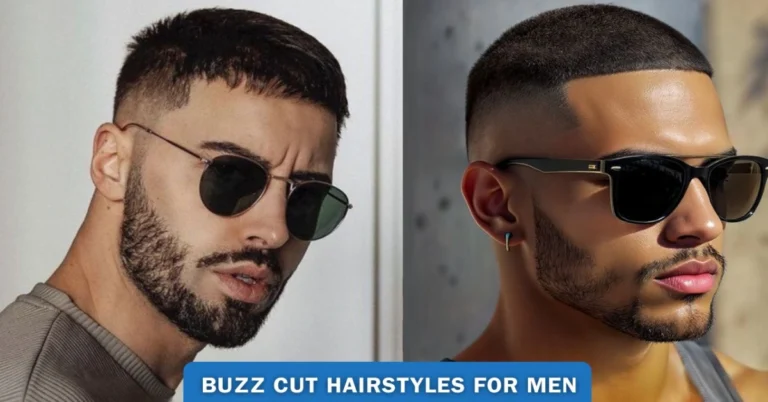
8. Fade With a Design
Best for: anyone who wants a sharp, barbershop-precision look. The sides and back are faded down to the skin while length is left on top, often with a shaved line or pattern added as a personal detail. It needs the most frequent maintenance on this list — a fresh line-up every 1–2 weeks to keep it crisp.
9. Tapered Cut
Best for: a softer alternative to a fade, on natural hair. The sides taper gradually shorter toward the nape instead of fading to the skin, leaving more length and curl definition on top and around the sides than a full fade does. It’s more forgiving to grow out and needs trims less often than a fade.
10. Short Wash-and-Go
Best for: natural hair with defined curls that you want to wear as-is, no manipulation needed. Product is applied to soaking-wet, sectioned hair, then it’s left to air-dry or diffuse. On shorter length, a wash-and-go tends to shrink up more visibly than on longer hair, so expect more volume than length.
11. Finger Coils
Best for: natural hair, as a defined, sculpted alternative to a wash-and-go. Small sections of damp, product-coated hair are coiled around a finger from root to tip and left to set, producing tight, uniform ringlets rather than the looser clumps a wash-and-go gives.
12. Starter Locs
Best for: anyone beginning a loc journey on natural hair. Hair is sectioned and started into locs using a method like comb coils, two-strand twists, or interlocking — the starter stage is short by definition and looks close to a textured TWA until the locs mature. Expect regular retwisting every 4–6 weeks in the early stages.
13. Short Box Braids
Best for: a protective style on natural hair that still reads short. Braided with extensions to roughly chin or shoulder length rather than the longer waist-length version, they protect your natural hair underneath while giving you a completely different texture and look for a few weeks.
14. Color or Highlighted Pixie
Best for: anyone who wants a short cut with an extra statement. A pixie or TWA colored solid, balayage-lightened at the tips, or highlighted in sections — short hair actually shows color placement more clearly than long hair does, so even subtle highlights read as a deliberate style choice.
15. Undercut Pixie
Best for: the boldest option on this list. One or both sides are shaved or cut very close to the scalp, with more length left on top to style over or away from the shaved section. It’s a striking, editorial look, and one of the more committed cuts here — growing it out evenly takes patience.
Caring for Short Natural Hair
Short hair still needs a real moisture routine — there’s just less of it to protect. A light leave-in and a small amount of oil or cream, applied every 1–3 days, keeps short natural hair from looking dry or dull without weighing it down the way a full-length routine would.
- Scalp care matters more. With less hair to hide it, buildup and dryness show. Wash every 1–2 weeks with a gentle, sulfate-free shampoo and massage the scalp directly.
- Protect your edges. Short cuts often mean more exposed hairline — avoid tight styling near the edges and use a light gel rather than pulling hair back hard.
- Sleep on satin. A satin bonnet or pillowcase prevents the same overnight friction and dryness on short hair as it does on longer lengths.
Frequently Asked Questions
No — hair growth happens at the root, not the ends, so cutting length doesn’t change your growth rate. What a fresh cut does do is remove split ends, which stops breakage from making your hair look like it’s not growing.
Every 3–6 weeks depending on the style. Precision cuts like a pixie or fade need trims every 3–4 weeks to hold their shape; softer styles like a TWA or tapered cut can stretch to 6 weeks.
Yes — short box braids, finger coils, and starter locs all work as protective styles on short hair, just with less length to tuck away. The core principle is the same: low manipulation and consistent moisture underneath.
A lightweight leave-in conditioner and a small-format curl cream or edge gel go further on short hair than heavier butters, which can weigh down shorter strands and leave them looking greasy rather than defined.
Final Thoughts
Short hair isn’t a lower-effort version of long hair — it’s its own category, with its own best styles and its own care routine. The cut that works is the one matched to your texture and how much time you actually want to spend on it, not just whichever one is trending.
If you’re not ready to go this short, our guides to short natural hairstyles and 4C hairstyles cover options with a bit more length to work with.