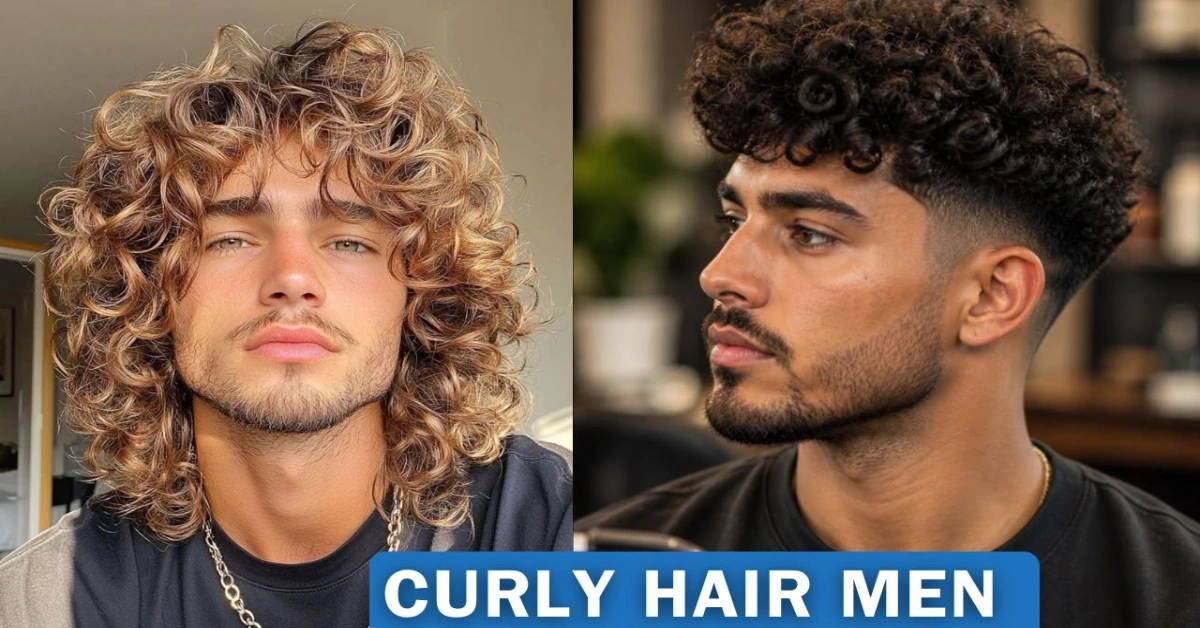
10 Best Curly Haircuts for Men (2026 Guide by Curl Type)
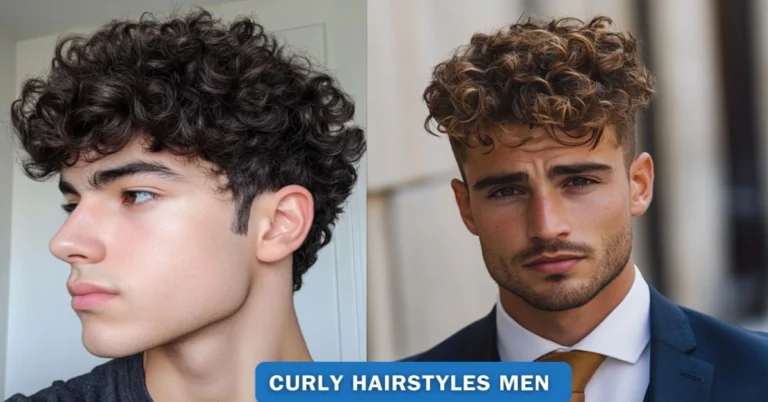
Curly hair shows up across every ethnicity and hair type, from loose beach waves to tight coils — and it’s one of the more forgiving textures to cut well, since curls hide a multitude of sins that would show instantly on straight hair. The catch is that most barbers still default to straight-hair techniques unless you ask otherwise, which is how curly cuts end up looking flat or frizzy instead of defined.
Below are 10 genuinely distinct curly cuts worth knowing by name, plus the care and cutting basics that make the difference between curls that look intentional and curls that just look untamed.
Get Your Curl Type Right Before You Book
Curly hair care and cutting advice both depend on your curl pattern, not just “curly” as one category. Loose, wavy curls (type 2) hold looser shapes and suit longer cuts with movement. Springy, well-defined ringlets (type 3) hold shape well in most of the cuts below. Tight coils (type 4) shrink the most and are usually best cut dry, since wet coils stretch out and can end up cut shorter than intended once they spring back up.
In This Guide
10 Best Curly Haircuts for Men
Ask for these by name and your barber knows exactly what you want — no guessing, no photos required (though bringing one never hurts).
1. Curly Crop
Best for: type 2-3 curls, low-maintenance mornings. Short on the sides, slightly longer on top so the curls have room to form a soft, textured fringe. It’s the curly equivalent of a classic crop — barely any styling required beyond scrunching in a bit of product while damp.
2. Curly Undercut
Best for: men who want contrast. Sides and back are cut very short or shaved, while the top is left long enough for curls to pile up and create real volume. The sharp line between the two lengths makes the curls look more deliberate, not just “long hair that happens to curl.”
3. Curly Fringe
Best for: softening a square or angular face. Shorter sides with a longer curly section swept forward over the forehead. Works especially well on type 2-3 curls that hold a side-swept shape without constant re-styling.
4. Curly Quiff
Best for: a bit of height and polish. Curls on top are cut longer and styled up and back, with tapered or faded sides. This one does need a light styling product and a few minutes of finger-styling to hold the lift — it won’t fall into place on its own the way a crop does.
5. Long Curly Hair
Best for: anyone growing out their curls or type 3-4 patterns that look best with length and weight. Minimal cutting beyond regular trims to control split ends and keep the shape even. Length adds weight, which naturally relaxes tight curls into looser, heavier ringlets over time.
6. Curly Mullet
Best for: a deliberately unconventional look. Short to medium on top and sides, longer at the back. Curls suit the mullet shape unusually well because the curl pattern already breaks up the silhouette that makes a straight-hair mullet look severe.
7. Curly Afro
Best for: type 3c-4c hair worn at natural volume rather than length. An even, rounded shape cut with shears or clippers-over-comb, without heat or a diffuser — the goal is a clean, symmetrical outline, not styling the curl pattern itself. This is a fundamentally different cut from a diffused blowout and needs a barber genuinely experienced with coily textures.
8. Curly Fade
Best for: low-maintenance sides with maximum curl on top. Any curl length on top paired with a tight fade on the sides and back. It’s the single most requested combination for curly-haired men because it works with almost any face shape and curl type.
9. Curly Shag
Best for: texture and movement over neatness. Heavily layered throughout with choppy, textured ends, often with a fringe. Curls give the shag’s layers built-in separation that straight hair needs a lot of product to fake.
10. Side-Part Curly Style
Best for: a more formal, polished curly look. A defined side part with the curls on top swept to one side, kept shorter and tighter on the sides. Needs a comb and a small amount of product while damp to hold the part before curls dry into place.
Curly Hair Care Basics That Affect Any Cut
A great curly cut can still look messy if the hair itself isn’t cared for correctly. A few basics that apply regardless of which style above you choose:
- Cut curls dry, not wet. Wet curls stretch under their own weight and spring back shorter once dry, which is the most common reason curly cuts come out uneven. Many experienced curl barbers now cut dry or curl-by-curl for this reason.
- Skip daily shampoo. Curly and coily hair is naturally drier because oils from the scalp travel less easily down a curved hair shaft. Washing 2-3 times a week with a sulfate-free shampoo keeps curls defined instead of stripped and frizzy.
- Condition more than you shampoo. A leave-in conditioner or curl cream applied to soaking-wet hair, then left to air-dry or diffuse, is what actually defines curl pattern — not the cut alone.
- Avoid brushing dry curls. Brushing breaks up curl clumps and creates frizz. Detangle with fingers or a wide-tooth comb only when hair is wet and conditioned.
Frequently Asked Questions
Dry, ideally. Wet curls stretch out and spring back shorter once they dry, which is why cuts done wet-only often come out uneven. Many barbers who specialize in curly hair now cut it dry or check the shape as it dries.
Every 8-12 weeks for most curl types. Curls hide split ends better than straight hair does, so it’s tempting to stretch this out, but untrimmed ends make curls look thinner and less defined over time.
Not a specific title, but real experience. Ask directly whether they cut curly hair dry or wet-to-dry, and ask to see other curly cuts they’ve done. A barber who only offers to cut it wet and straight-comb it is not set up for curl-specific results.
Yes — the curly fade (a tight fade on the sides with any curl length on top) is one of the most versatile and commonly requested curly cuts, and it suits nearly every face shape and curl type.
Curl pattern relaxes with humidity, product, and a day or two of settling. A fresh cut styled with salon product often looks tighter or more defined than it will once you wash and style it yourself at home — this is normal, not a bad cut.
Final Thoughts
The difference between a curly cut that looks intentional and one that looks like an accident usually comes down to two things: a barber who treats curl pattern as part of the cut (not an obstacle to it), and a wash-day routine that supports whatever shape they gave you. Pick the style above that matches your curl type and maintenance appetite, bring a reference photo, and be specific about wanting it cut for curls — not cut straight and hoped into shape.
For more on getting curl definition day-to-day, see our guide on how to get defined curly hair, or browse our full curly hairstyles for men collection for more inspiration.