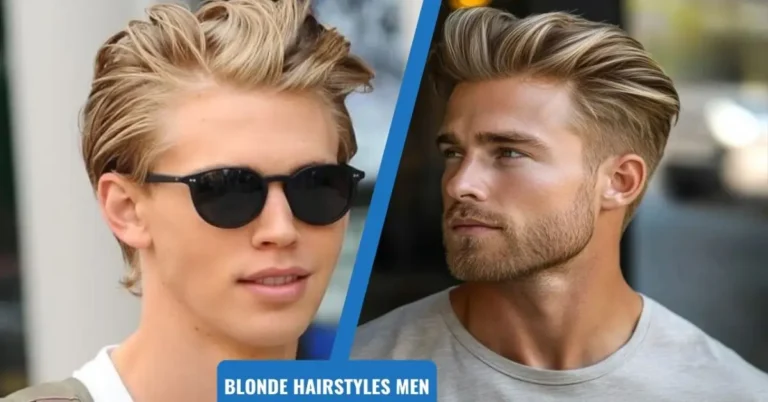
8 Best Hairstyles for Older Men With a Beard
Hair changes with age, and so does the best way to style it. Grays come in unevenly, the crown or hairline may thin, and hair that was once thick and easy to manage can turn fine and dry. None of that has to mean giving up on a sharp haircut. Paired with the right beard, a well-chosen style for mature hair can look more distinguished than anything you wore in your twenties. This guide covers eight hairstyles that genuinely work for older men, how to match a beard to thinning or receding hair, and the grooming habits dermatologists actually recommend for gray hair and facial hair as both keep changing.
Why Hairstyle Choices Change After 50
Three things shift as men get older, and each one affects which haircut will look good: hair color, hair density, and hair texture.
Graying happens because hair follicles gradually stop producing melanin, the pigment that gives hair its color. According to the American Academy of Dermatology, this typically happens over roughly seven to fifteen hair growth cycles, and genetics largely determines when it starts. If your parents grayed early, there is a good chance you will too. Stress can speed the process along as well, since it triggers hormonal changes that cause pigment-producing cells to leave the hair follicle sooner than they otherwise would.
Hair thinning is a separate issue and, for most men, a much more common one. Male pattern baldness, medically known as androgenetic alopecia, affects roughly two out of three men to some degree, and by age 50 about half of all men have noticeable hair loss, according to the Cleveland Clinic. It follows a predictable pattern mapped by the Norwood scale, usually starting at the temples or crown before progressing. Recognizing which stage you are at matters because a haircut that flatters a full head of hair can make a thinning crown or receding hairline look more obvious, while the right cut does the opposite.
Texture changes too. Hair often becomes drier and more brittle with age as the scalp’s oil production slows down, which is one more reason styles that rely on very short lengths and simple maintenance tend to age better than intricate, product-heavy looks.
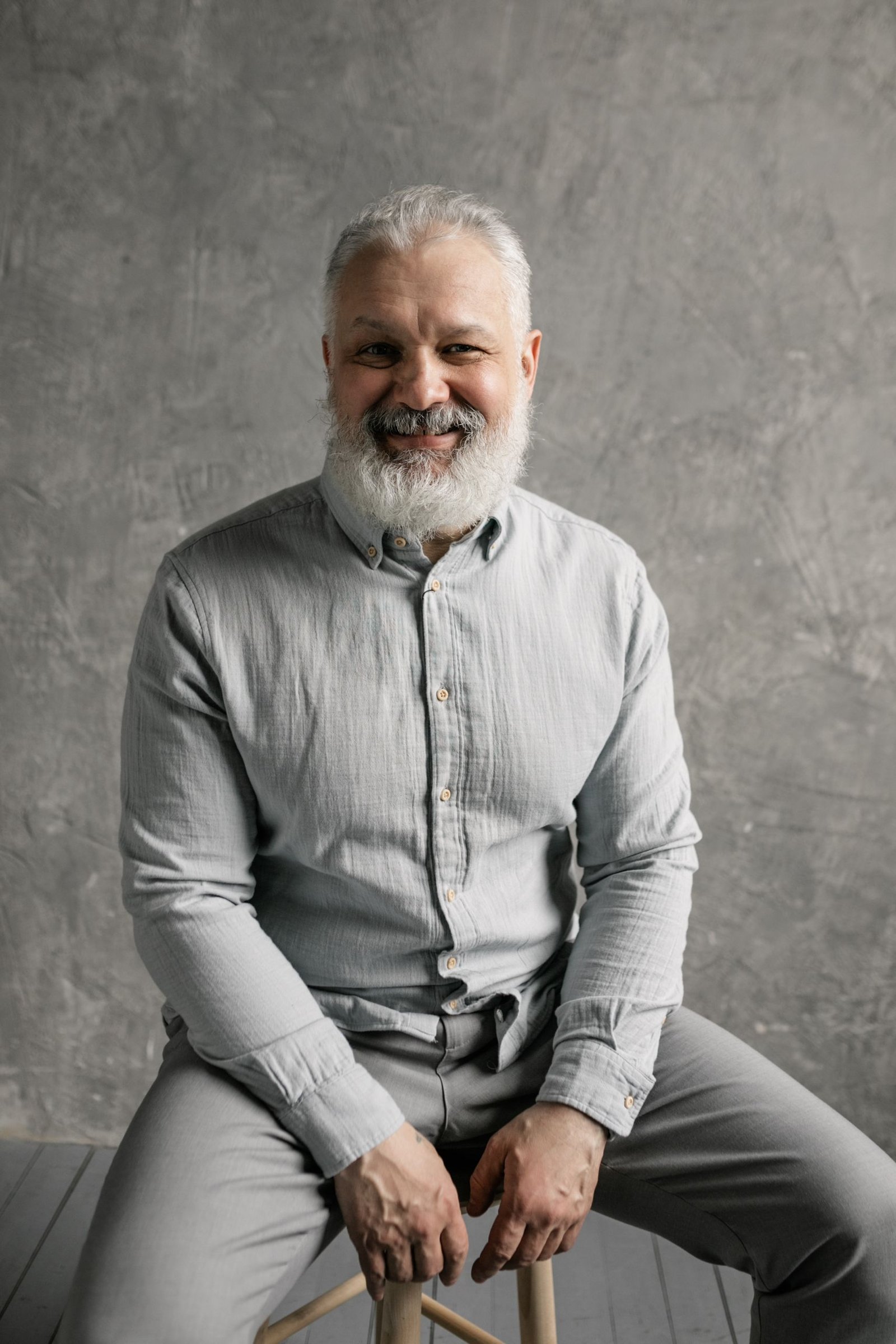
8 Best Hairstyles for Older Men With a Beard
Every style below pairs naturally with a beard and works with the way mature hair actually behaves, rather than fighting it.
1. Classic Crew Cut with a Short Boxed Beard
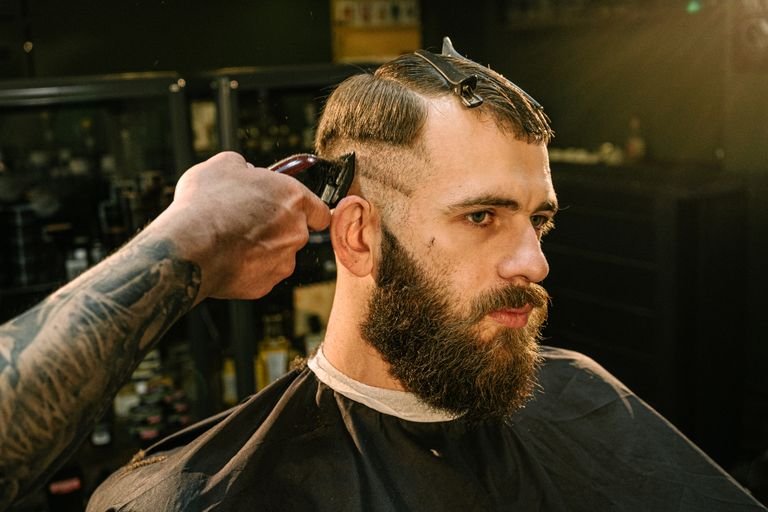
The crew cut keeps the sides and back short and tapered, with slightly more length left on top for texture. It is one of the lowest-maintenance cuts available and hides early thinning at the crown better than longer styles because there is less length to reveal gaps. A short boxed beard, trimmed to a clean, even line along the cheeks and neckline, balances the simplicity of the cut with a bit of structure around the jaw.
2. Textured Crop with Stubble
A textured crop uses slightly longer hair on top styled into soft, forward-textured pieces, usually with a fade or taper on the sides. It works well on men with a full or moderately thinning hairline, since the textured top adds the illusion of volume. Three to five days of stubble is enough to add contrast to the jawline without requiring the daily upkeep a full beard demands. Our breakdown of mid fade haircuts for men has more on how the fade itself should be tapered depending on your hair density.
3. Side Part with a Full Beard
A side part remains one of the most reliably flattering cuts for older men, largely because it looks intentional at any hair density and photographs well for professional settings. Combined with a full, well-groomed beard, it creates a classic, put-together look. This combination works especially well if your hair has thinned slightly at the temples, since the side part naturally draws the eye toward fuller sections.
4. Buzz Cut with a Circle Beard
For men who have reached Norwood stage 4 or beyond, where the hairline and crown thinning have started to connect, a buzz cut is often the most flattering option rather than the most drastic one. Uniform short length across the whole head removes the contrast between thinning and full areas that longer cuts expose. A circle beard, which connects a trimmed mustache to a rounded beard along the jaw, adds definition to the lower half of the face and keeps the overall look balanced. If a full buzz feels too plain, our guide to buzz cut hairstyles for men covers variations with more texture and fade options.
5. Slicked-Back Undercut with a Van Dyke Beard
An undercut with short, tapered sides and longer hair on top swept straight back suits men with fine to medium hair density who still have enough length on top to work with. Because the style relies on hair that has some natural wave or is set with a light pomade, it holds up well even as hair texture changes with age. A Van Dyke, a pointed goatee paired with a separate mustache, adds an old-world sharpness that complements the slicked-back top.
6. Natural Waves with a Full Salt-and-Pepper Beard
If your hair has graying that has come in as a natural, even salt-and-pepper pattern, working with the texture rather than against it often looks more authentic than trying to disguise it. A medium-length cut that lets natural waves show, combined with a full beard left at the same grown-in length, creates a cohesive, rugged look where the gray in the hair and beard reads as a deliberate style rather than something to hide.
7. Caesar Cut with a Short Beard
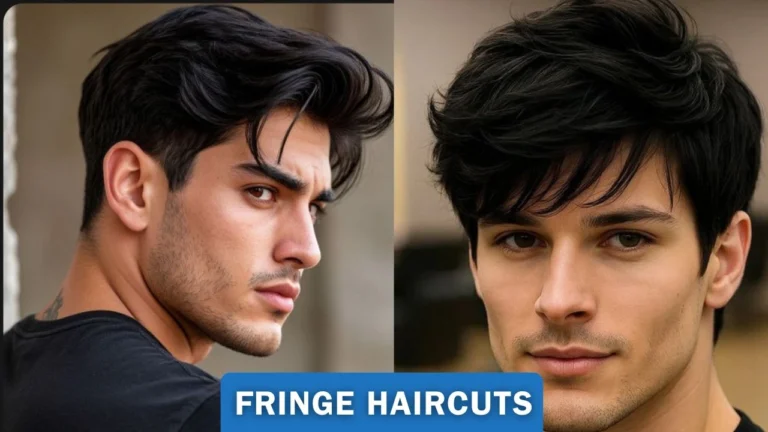
The Caesar cut is short and horizontally fringed across the forehead, with the sides tapered close. It is one of the most forgiving cuts for a receding hairline because the short fringe sits forward of the recession rather than emphasizing it. A short, neatly lined beard rounds out the face shape and keeps the overall look modern rather than severe.
8. Shaved Head with a Full Beard
For men who have reached more advanced hair loss, at Norwood stage 6 or 7, a fully shaved head is frequently more flattering than trying to preserve or comb over the hair that remains. It reads as a deliberate choice rather than a concession, and it pairs exceptionally well with a full, well-maintained beard, which becomes the visual focal point of the face once the head is bare.
Choosing a Beard Style That Complements Your Hair
The general rule barbers use is proportion: a fuller beard balances a very short or shaved head, while a shorter, more tailored beard suits a fuller hairstyle so the overall look does not become too heavy on one end. Face shape matters as well. A rounder face generally looks more defined with some length and angle at the chin, such as a Van Dyke or a slightly extended goatee, while a longer face benefits from a fuller beard that adds width along the jaw rather than more length.
Gray in the beard often comes in faster or more visibly than gray on the scalp, since facial hair follicles can respond differently to the same hormonal signals. Many men choose to let the beard gray naturally while keeping the hair on top a closer match to its original color, or the reverse, and either approach is a matter of personal preference rather than a grooming rule. For more structured beard shapes to consider, our guide to rugged beard styles covers fuller, longer options that pair well with textured hair.
Caring for Gray and Thinning Hair
Gray hair has a different structure than pigmented hair. It tends to be coarser and drier because the follicles that stop producing melanin also produce less of the natural oil that keeps hair looking glossy, which is why gray hair often looks duller without extra conditioning. A sulfate-free shampoo used two to three times a week, followed by a moisturizing conditioner, helps offset this dryness without stripping the scalp.
There is currently no treatment that reverses gray hair once it appears, according to dermatologists, though a balanced diet, not smoking, and managing stress are the lifestyle factors most consistently linked to delaying further graying. For thinning hair, keeping the cut shorter overall reduces the weight pulling on the remaining hair and makes thinning areas far less noticeable than a longer style that exposes the scalp underneath.
Beard Grooming Essentials for Older Men
A beard needs daily care regardless of age, but a few habits matter more as skin becomes drier over time.
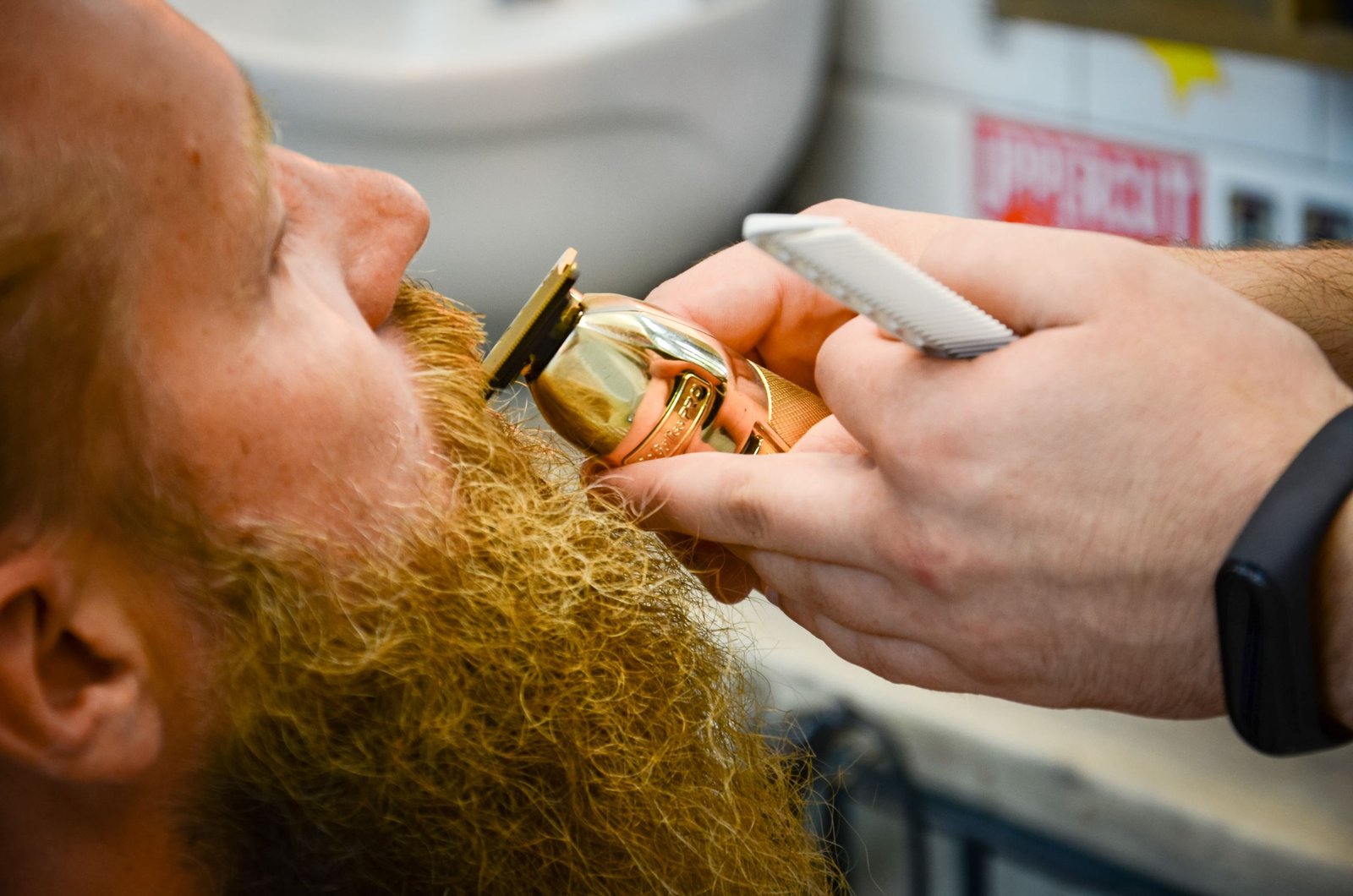
The American Academy of Dermatology recommends washing the beard daily with a gentle, non-comedogenic cleanser rather than regular bar soap, which can dry out both the skin and the hair. Moisturize immediately after washing, since dermatologists note this is when skin absorbs product most effectively; a beard oil works well for normal to dry skin, while a fragrance-free moisturizer suits sensitive or acne-prone skin underneath the beard. During the early stubble phase, gently exfoliating once or twice a week helps prevent ingrown hairs, which become more likely as hair curls back into the skin during regrowth.
For trimming, change disposable razor blades every five to seven shaves to avoid irritation, and always trim or shave in the direction the hair grows rather than against it. A wide-toothed beard comb used daily keeps the beard detangled and makes it easier to spot stray hairs before they grow uneven.
Common Mistakes Older Men Make With Hair and Beard Styling
- Holding onto a longer style out of habit. A haircut that worked at 30 with a full head of hair can look sparse and unintentional once density drops, even if the length hasn’t changed.
- Skipping beard moisturizer because the skin feels oily. Oily skin can still be dehydrated underneath; a lightweight, oil-free moisturizer is usually a better fix than skipping the step entirely.
- Trying to dye only the hair or only the beard. A visible gap between natural gray regrowth and dyed hair or beard is more noticeable than letting both gray naturally or coloring both consistently.
- Using the same shampoo formulated for oily, younger hair. Gray and mature hair is typically drier and benefits from a moisturizing, sulfate-free formula instead.
- Ignoring the neckline and cheek line on the beard. A beard grown without defined edges tends to look unkempt no matter how full it is; a barber-defined line along the neck and cheeks makes even a low-maintenance beard look deliberate.
Grooming in Dubai’s Heat and Climate
The UAE’s heat and humidity add a practical layer to all of this. Sweat and humidity can make product buildup more noticeable in short haircuts, so a lightweight, water-based pomade or clay works better through summer than heavier waxes that can feel greasy in the heat. Beards also trap more heat and moisture against the skin in Dubai’s climate, which makes the daily washing and exfoliation routine described above even more important for preventing irritation and ingrown hairs during the hottest months. Many barbershops across Dubai and Abu Dhabi are well set up for both traditional and modern beard trims, so a regular appointment every two to three weeks, rather than trimming at home, is a practical way to keep sharp lines as facial hair grows out faster in warm weather.
What to Try Next
If you are still narrowing down a cut, our guide to short haircuts for men by face shape is a useful next step, and men with natural curl or wave should also see curly haircuts for men by curl type for styles that work with texture rather than against it.
Frequently Asked Questions
What is the best haircut for a man over 60 who is going bald?
A very short crop or a fully shaved head tends to look most intentional once hair loss has progressed past the crown, since shorter or absent hair removes the visual contrast between thinning and full areas that longer styles expose.
Should older men keep their beard the same color as their hair?
There is no rule requiring this. Facial hair and scalp hair often gray at different rates because the follicles respond somewhat independently to age-related hormonal changes, so many men have a grayer beard than the hair on their head, or the reverse, and either looks natural.
Does a beard make a receding hairline less noticeable?
A beard does not change the hairline itself, but it does shift visual attention toward the lower half of the face, which can make the overall look feel more balanced when the hairline has receded.
How often should older men trim their beard?
Most short-to-medium beard styles hold their shape for two to three weeks before the edges start to look uneven, though this varies with how quickly your facial hair grows and the climate you are in.
Is gray hair more prone to damage than pigmented hair?
Yes. Gray hair strands are typically coarser and drier because the follicles producing them also produce less natural oil, which is why gray hair often needs more moisturizing care to avoid looking dull or brittle.