Miley Cyrus’s Iconic Pixie Cut: How to Get the Undercut Look
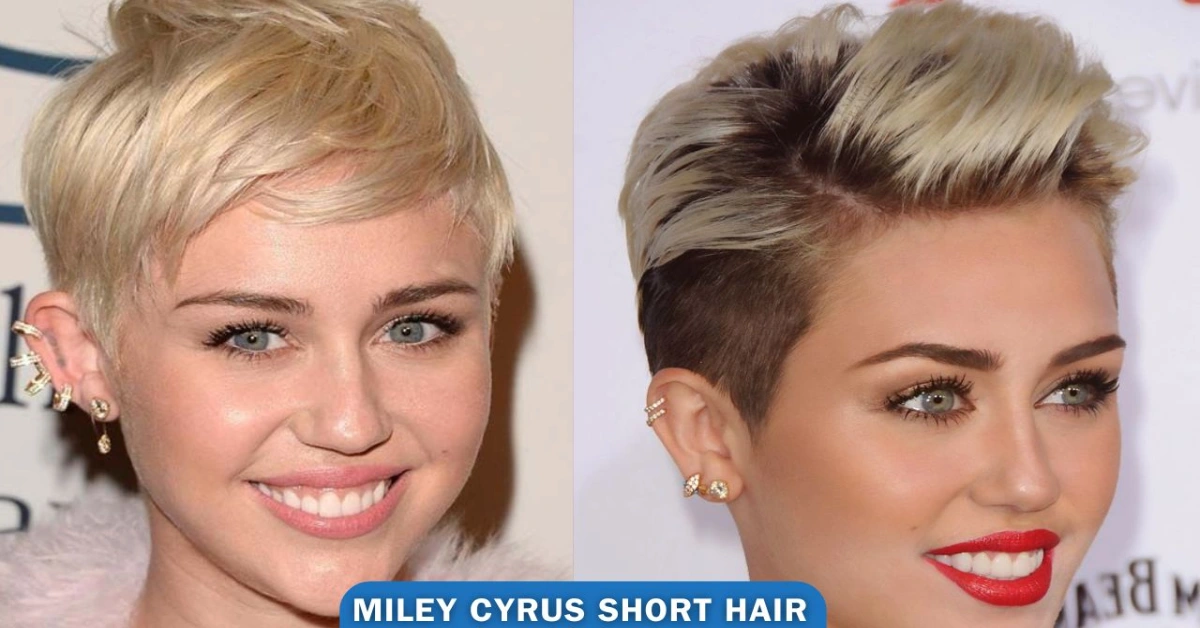
Miley Cyrus’s 2012 pixie cut remains one of the most talked-about celebrity hair transformations of the past two decades — a dramatic change from long hair to a cropped, undercut pixie, cut by stylist Sally Hershberger. It’s still one of the most-requested reference looks in pixie consultations today. Here’s how to recreate the look and the styling variations that work best on it.
The Look That Started It
The defining feature of the original cut was the contrast: closely cropped, nearly shaved sides and back, with noticeably longer length left on top. That length-on-top, short-on-the-sides structure is what makes an undercut pixie so versatile — the top can be styled a dozen different ways while the sides stay low-maintenance.
How to Ask For This Cut
The most useful way to describe this to a stylist is by the two components separately: an undercut or closely faded sides and back (specify the length — a 1 or 2 guard is typical), and 3-5 inches of length left through the crown and front. Bring a reference photo, but describe both measurements explicitly rather than relying on the photo alone.
Styling the Top: 5 Ways to Wear It
1. Textured and Tousled
Work a matte texturizing paste through damp hair with fingers, then air-dry or diffuse. The most casual, everyday version of the cut.
2. Slicked Back
A pea-sized amount of high-shine gel, combed straight back from the hairline. Sleek and polished — the version most associated with red-carpet appearances.
3. Side-Swept
Blow-dry the top section to one side using a round brush, then set with a light-hold hairspray. Softer and more face-framing than slicking straight back.
4. Spiked
A firmer-hold wax or clay, worked through damp hair and pushed upward from the roots. The boldest, most editorial version of the style.
5. Wet-Look Finish
A gel specifically formulated for a wet look, applied to damp hair and left to air-dry without touching it further. Reads as intentional and high-shine rather than genuinely wet.
Growing Out an Undercut Pixie
The undercut sides grow out faster in appearance than the length on top, since even a small amount of new growth is visible against closely cropped hair. Most people need a touch-up on the sides every 2-3 weeks to maintain the sharp contrast, even while letting the top grow out for longer between full cuts.
Who This Cut Works Best On
An undercut pixie works on most face shapes because the styling on top can be adjusted to add or reduce visual length — swept to the side for a softer, more elongating effect, or slicked straight back for a more structured, angular look. It suits straight to wavy hair most easily; very tightly coiled hair can still wear the shape but the top styling options shift toward twist-outs or defined curls rather than a straight sweep.
Specify the sides and back separately from the top: a 1 or 2 guard length for the undercut portion, and 3-5 inches left through the crown and front for styling flexibility.
The undercut sides typically need a touch-up every 2-3 weeks to keep the sharp contrast, while the longer top can go 6-8 weeks between full shape trims.
Yes — the undercut sides work with any texture, and the longer top can be styled with a twist-out or defined curls instead of a straight sweep, which keeps the same silhouette while working with natural texture.
Final Thoughts
What made this cut iconic wasn’t just the length change — it was the contrast between the closely cropped sides and the longer, endlessly styleable top. That same structure is what makes it worth requesting today, more than a decade later: it photographs sharp when slicked back, casual when tousled, and adapts to almost any texture.
For more pixie and short-cut ideas, see our guides to best short haircuts and short hairstyles for Black women.