How to Care for 4C Hair: A Complete Curl Care and Styling Guide
4C hair has the tightest curl pattern in the natural hair typing system, forming a Z-shaped coil with little to no visible curl definition when the hair is dry. That tight coil pattern also makes 4C hair the most prone to dryness, shrinkage, and breakage of any hair type, since natural scalp oils have the hardest path to travel down a coil this tightly wound. This guide covers a complete 4C hair care routine, from wash day to daily maintenance, along with the styling and protective options that actually work with this texture rather than fighting against it.
What Makes 4C Hair Different
4C hair is classified within the broader natural hair typing system popularized by stylist Andre Walker, which groups hair into types 1 through 4 based on curl pattern, with 4C sitting at the tightest end of the coily range alongside 4A and 4B. Where 4A forms a well-defined S-shaped curl and 4B forms a sharper Z-pattern with less definition, 4C typically shows the least visible curl pattern of the three when dry, often appearing as a dense, tightly coiled or almost zig-zag texture. Many people have more than one curl pattern across their head, so it is common to have 4C hair at the nape and crown with looser patterns elsewhere.
Two properties matter as much as curl pattern for how you should care for 4C hair: porosity and density. Porosity describes how easily hair absorbs and retains moisture, and 4C hair is frequently high porosity, meaning the outer cuticle layer is more raised or damaged, which lets moisture in quickly but also lets it escape just as fast. Density describes how many strands grow per square inch of scalp, and 4C hair is often (though not always) high density, meaning more strands are competing for the same limited supply of natural scalp oil. If you are unsure of your own porosity and density, a hair texture guide walks through simple ways to check both at home.
Building a 4C Hair Care Routine
Wash Day
Wash 4C hair every one to two weeks rather than daily, since frequent washing with regular shampoo strips away the limited natural oil this texture already struggles to distribute. Detangle before shampooing, not after, working in small sections with fingers or a wide-tooth comb starting at the ends and working upward, and always detangle on wet or well-conditioned hair rather than dry coils, which are far more prone to snapping. Use a sulfate-free or moisturizing shampoo, focus the shampoo mainly on the scalp, and let the lather rinse through the lengths rather than scrubbing the ends directly.
Conditioning
Follow shampoo with a rinse-out conditioner, then use a leave-in conditioner as a base for whatever styling routine you use afterward. Deep condition with a moisturizing mask every one to two weeks, and alternate in a protein treatment roughly once a month if your curls start to feel mushy, stringy, or lose their spring, which is often a sign of too much moisture relative to protein rather than too little.
Daily and Weekly Moisture
Many people with 4C hair follow some version of the LOC or LCO method: applying a liquid (water or a water-based leave-in), an oil to seal it in, and a cream or butter for additional moisture and hold, with LCO simply reversing the last two steps. There is no single correct order, and the better approach is whichever sequence keeps your specific hair moisturized through the week without feeling greasy or weighed down. Refresh moisture between wash days with a light water-based spray rather than reaching for a full re-styling routine every day, which causes unnecessary manipulation and breakage over time.

Protective Styling for 4C Hair
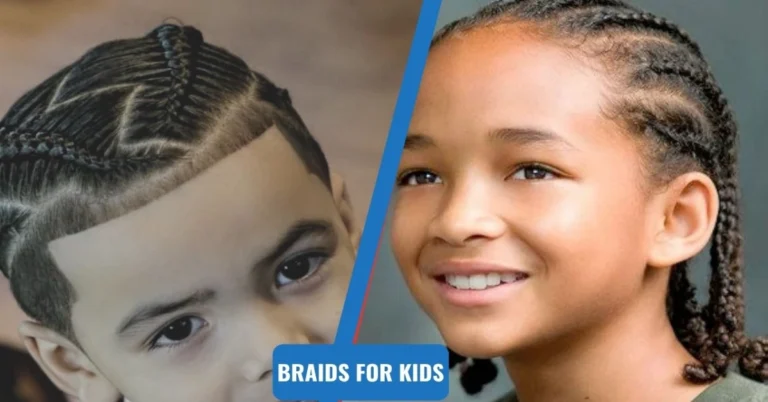
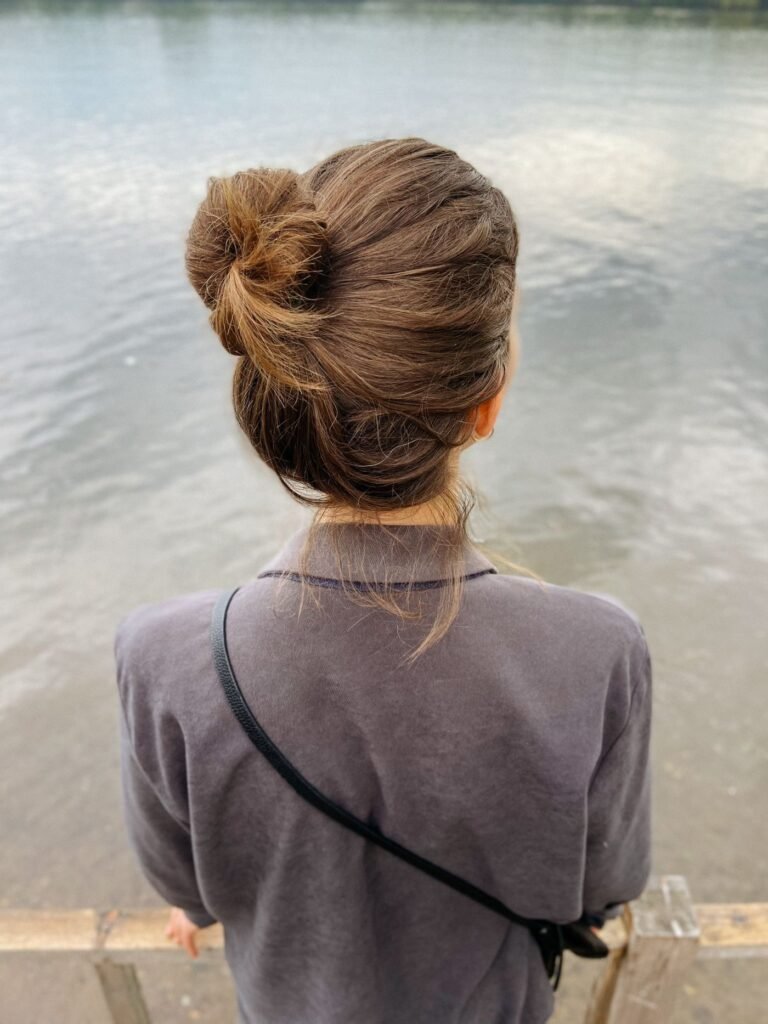
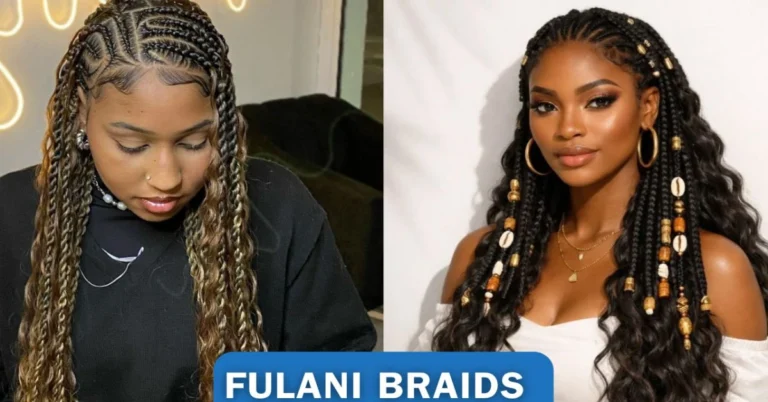
Protective styles, which tuck away the ends of the hair and reduce daily manipulation, are widely recommended for 4C hair because the ends are the oldest and most fragile part of the strand and are especially vulnerable to breakage on this texture. Common protective options include braids, twists, buns, and wigs or protective updos that keep the ends contained. Protective styling still requires care underneath: keep the scalp and hair moisturized while styled, avoid styles that pull tightly at the hairline for extended periods, since that tension can contribute to hairline thinning over time, and give the hair periodic breaks between styles rather than moving from one protective style straight into the next indefinitely.
Managing Shrinkage
Shrinkage, where hair appears significantly shorter when dry than its actual stretched length, is especially pronounced on 4C hair because of how tightly the coil pattern winds. This is a normal characteristic of the texture, not a sign of damage, though it can make length retention harder to track visually. Stretching methods such as braid-outs, twist-outs, banding, or blow-drying on a low heat setting with a diffuser can reduce shrinkage for styling purposes without permanently altering the curl pattern the way repeated heat straightening can.
Common Mistakes to Avoid
| Mistake | Why It Causes Problems |
|---|---|
| Detangling dry hair | Dry 4C coils have the least give and are most likely to snap under tension |
| Washing too frequently with harsh shampoo | Strips the limited natural oil this texture already struggles to distribute along the strand |
| Skipping protein treatments entirely | Overly moisturized hair without enough protein can feel weak and lose its curl definition |
| Wearing protective styles too tight or too long without a break | Constant tension at the hairline can contribute to thinning over time |
| Using high heat regularly to reduce shrinkage | Repeated high heat can permanently loosen or damage the natural curl pattern |
Frequently Asked Questions
How often should you wash 4C hair?
Roughly every one to two weeks for most people, since more frequent washing with regular shampoo tends to strip away moisture this texture cannot easily replace on its own. Co-washing (conditioner-only washing) between full shampoo sessions is an option for those who want to cleanse more often without the drying effect of shampoo.
Why does 4C hair shrink so much?
The tight Z-shaped coil pattern of 4C hair naturally pulls the strand up on itself far more than looser curl patterns do, so a strand that measures several inches when stretched can appear much shorter in its natural, unstretched state. This is a normal feature of the texture rather than a sign of damage or breakage.
Is protective styling necessary for 4C hair?
It is not strictly necessary, but it is widely recommended because it reduces daily manipulation of the fragile ends, which are the part of 4C hair most prone to breakage. Protective styling still needs proper moisture and scalp care underneath, and styles should not be worn so tightly or for so long that they put ongoing tension on the hairline.
What is the difference between 4A, 4B, and 4C hair?
These categories describe a spectrum of coily curl patterns, with 4A forming the most defined S-shaped curl, 4B forming a sharper, less defined Z-pattern, and 4C showing the least visible curl definition when dry, often the tightest and most shrinkage-prone of the three. Many people have a mix of these patterns across different parts of their head rather than a single uniform type. If your curls are closer to a defined S-shape than a tight Z-pattern, a 4A hair care guide covers the adjustments that looser coily pattern typically needs.