How to Care for 4A Hair: A Complete Curl Care and Styling Guide
4A hair is defined by tight, springy S-shaped coils about the width of a crochet needle, sitting between the looser curl clusters of 3C hair and the more tightly packed Z-patterns of 4C hair. It holds a visible curl definition even without product, which makes it one of the easier Type 4 textures to identify, but that same coil structure also makes it prone to dryness if the wash routine and product choices aren’t matched to it.
Getting 4A hair to look its best isn’t about buying more products. It comes down to understanding how this specific curl pattern behaves: how it loses moisture, how it responds to manipulation, and which styling methods work with the coil rather than fighting it. This guide covers how to identify 4A hair with confidence, how to structure a wash day that actually keeps it hydrated, and which styling techniques hold up over time without causing breakage.
What Is 4A Hair?
4A sits within the Type 4 (coily) category of the widely used hair typing system, which also includes 4B and 4C. What separates 4A is the shape and consistency of the coil: it forms rounded, S-shaped spirals with a fairly uniform pattern, rather than the angular Z-bends of 4B or the tightly packed, less defined coils of 4C.
Because the coil is looser and rounder than 4B or 4C, 4A hair tends to hold moisture somewhat more effectively, since there’s less exposed surface area for water to escape from along each strand. It still experiences noticeable shrinkage, often 50 to 75 percent of its stretched length, but usually less dramatically than 4B or 4C hair.
How to Tell If You Have 4A Hair
The most reliable way to check your curl type is a simple wash-and-air-dry test. Cleanse your hair, apply nothing else, and let it air dry completely without touching it. Once dry, look closely at individual sections:
- Visible S-shaped spirals with a fairly consistent, rounded pattern usually indicate 4A.
- Sharper, more angular zig-zag bends with less uniformity point toward 4B.
- A densely packed, less individually defined texture that looks more like tight, uniform fuzz suggests 4C.
Most heads of natural hair aren’t a single, pure type across the whole scalp. It’s common to have 4A at the crown and a tighter 4B or 4C pattern at the nape or hairline, so treat these categories as a general guide rather than a strict label.
4A Hair’s Natural Characteristics
A few traits show up consistently in 4A hair, and understanding them explains why certain products and habits work better than others.
- Moisture retention: Better than 4B or 4C, but still lower than looser curl types, since natural scalp oils have a harder time traveling down a tightly coiled strand.
- Density and volume: 4A hair is frequently dense, which adds noticeable volume but also means detangling and product distribution take real time.
- Fragility: The coil bends create natural points of weakness along the strand, so 4A hair is more prone to breakage from harsh brushing, tight styling, or excessive heat than straighter textures.
- Porosity varies by person: Porosity (how easily hair absorbs and holds moisture) isn’t determined by curl pattern alone. Many people with 4A hair have medium to high porosity, meaning hair absorbs moisture quickly but can lose it just as fast without a sealing step.
Building a Wash Day Routine for 4A Hair
Wash day is where most of the long-term health of 4A hair is decided. A rushed or overly harsh routine undoes any benefit from good daily maintenance.
- Pre-poo if hair is very dry. Applying an oil or conditioner to dry hair before shampooing adds a buffer against the stripping effect of cleansing.
- Cleanse with a sulfate-free or moisturizing shampoo. Traditional sulfates can strip the coil’s natural oils faster than 4A hair can replace them. Washing roughly once a week to every ten days works for most people, though very active lifestyles or heavy product use may call for more frequent washing.
- Deep condition with heat. Applying a deep conditioner and covering hair with a warm towel or a heat cap for 20 to 30 minutes helps the hair shaft absorb moisture more effectively than a cold, quick treatment.
- Detangle on wet, conditioner-coated hair. Finger detangling or a wide-tooth comb, working from ends to roots in small sections, causes far less breakage than dry detangling or brushing.
- Clarify occasionally, not every wash. A clarifying shampoo once or twice a month removes product buildup, but using one every wash day will dry out 4A hair unnecessarily.
Sealing In Moisture Between Wash Days
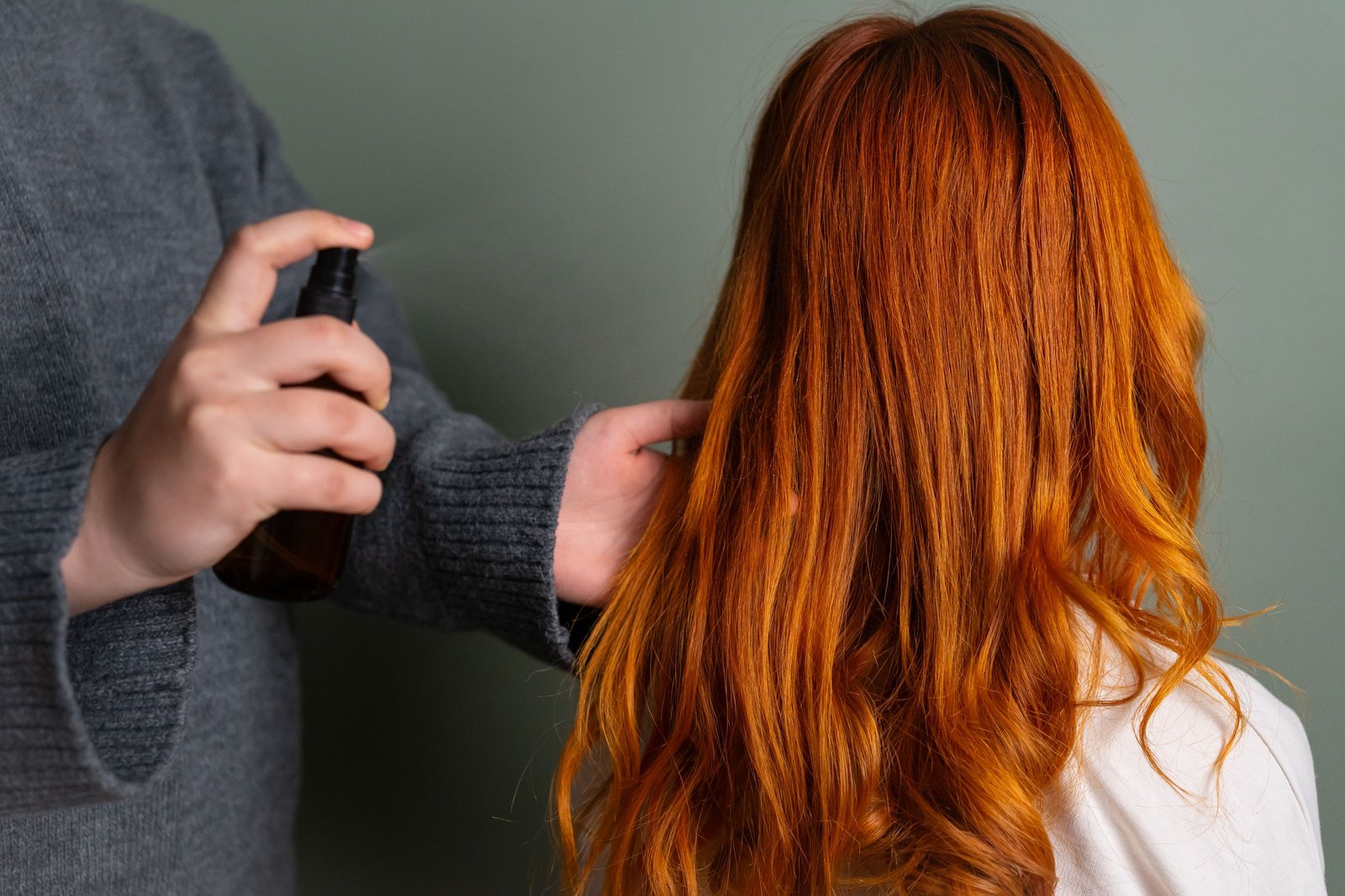
Because 4A hair loses moisture relatively quickly once it dries out, what happens between wash days matters as much as the wash itself. The LOC method (liquid, oil, cream) or its reverse, LCO (liquid, cream, oil), are widely used approaches: start with a water-based leave-in or a spritz of water, follow with a cream or butter to lock that moisture against the strand, then seal with a lightweight oil on top.
A few habits extend that hydration further between washes:
- Refresh curls in the morning with a light water-and-leave-in spray rather than reapplying heavy product daily.
- Sleep on a silk or satin pillowcase, or wrap hair in a silk or satin bonnet, since cotton pulls moisture out of the hair and creates friction that leads to frizz and breakage.
- Loosely pineapple the hair (a high, loose ponytail on top of the head) at night to preserve curl definition without flattening the crown.
Best Styling Techniques for 4A Curls
4A hair responds well to styles that work with its natural coil rather than stretching or flattening it repeatedly, since the coil bends are a common breakage point under tension.
- Wash-and-go: Applying a curl cream or gel directly after washing and letting curls air dry or diffuse is one of the lowest-manipulation styles available, and it shows off 4A’s natural coil definition well.
- Twist-outs and braid-outs: Two-strand twists or small braids set on damp, product-coated hair and later unraveled create defined, longer-lasting curl patterns with less daily manipulation than a fresh wash-and-go.
- Low-manipulation protective styles: Loose buns, three-strand twists, and flat twists protect the ends from friction and environmental damage, but should stay loose enough that there’s no pulling at the hairline or roots.
- Limit tight, long-term protective styles. Styles that hold significant tension for weeks at a time, like tight braids or twists left in too long, can cause breakage or, over repeated use, contribute to traction-related hair loss along the hairline.
Common Mistakes That Damage 4A Hair
A handful of habits account for most of the breakage and dryness people with 4A hair deal with:
- Detangling dry hair. Dry coils have far less give than wet, conditioner-coated hair, so dry detangling causes disproportionate breakage.
- Overusing heat styling. Frequent flat ironing or blow drying without a heat protectant gradually loosens the curl pattern and dries out the strand.
- Skipping regular trims. Split ends travel up the hair shaft over time; a trim roughly every 10 to 12 weeks keeps damage from spreading.
- Using drying alcohols and heavy sulfates in every product. These ingredients strip the limited natural moisture 4A hair already struggles to retain.
- Wearing the same tight style for too long. Constant tension in the same spot, especially near the hairline, is one of the more overlooked causes of gradual hair thinning in coily and curly hair types.
How 4A Compares to 4B and 4C Hair
| Trait | 4A | 4B | 4C |
|---|---|---|---|
| Curl shape | Rounded S-shaped coils | Angular Z-shaped bends | Tightly packed, less individually defined coils |
| Shrinkage | Noticeable, often less dramatic | More pronounced | Most dramatic, up to 75% or more |
| Moisture retention | Comparatively better | Requires more intensive hydration | Needs the most consistent, rich moisture |
| Curl definition at rest | Visible without product | Reduced without product | Minimal without manipulation |
If your curl pattern looks tighter, less defined, and shows dramatic shrinkage, you may be dealing with 4C hair rather than 4A. Our guide to 4C hairstyles covers styling options suited to that tighter coil pattern. If you’re still building your basic curl care habits regardless of exact type, our curly hair tips for beginners covers the fundamentals that apply across curl patterns.
Frequently Asked Questions
How often should I wash 4A hair?
Roughly once a week to every ten days works for most people with 4A hair, though this varies with activity level, scalp oil production, and how much product is used. Washing too infrequently allows buildup that weighs curls down, while washing too often with harsh shampoos can strip moisture the hair struggles to replace.
What products should I avoid with 4A hair?
Shampoos and stylers loaded with sulfates and drying alcohols (often listed as ingredients like isopropyl or SD alcohol near the top of an ingredient list) tend to leave 4A hair drier and more prone to frizz. Lightweight, water-based leave-ins and creams with natural oils and butters generally work better.
Can 4A hair be color treated?
Yes, but coloring adds another source of dryness on top of the hair’s natural tendency to lose moisture, so a strengthening deep conditioning routine becomes more important afterward. A patch test and a consultation with a stylist experienced in coily hair helps avoid uneven processing.
Why does my 4A hair look different in different parts of my head?
It’s common to have more than one curl pattern across a single head, with looser coils at the crown and tighter patterns at the nape or hairline. This is normal and doesn’t mean anything is wrong with your hair; it just means your styling routine may need to adjust slightly by section.
Does 4A hair need protein treatments?
Some 4A hair benefits from occasional protein treatments, especially if it feels limp, overly stretchy, or is showing excess breakage, which can indicate protein loss from coloring or heat damage. However, too much protein can make coily hair feel stiff and brittle, so it works best as an occasional addition rather than a routine step, and should be balanced against how the hair actually responds.