Curl Enhancing Products for Wavy Hair: What Actually Works
Wavy hair sits in an awkward middle ground: too much definition-focused product and it looks stiff or crunchy, too little and the wave pattern falls flat by midday. This guide covers the actual product categories worth using on wavy hair (types 2A to 2C), what each one is formulated to do, which ingredients help versus weigh waves down, and how to apply them so the wave pattern holds without looking overworked.
Why Wavy Hair Needs Different Products Than Curly Hair
Wavy hair has a looser, more open pattern than curly or coily hair, which makes it more prone to going flat and losing definition without the right product, but also far more sensitive to heavy formulas that weigh the wave down entirely. Products built for tighter curl types often use richer butters and heavier oils that curly and coily hair can carry without issue, but that same weight can pull a 2A or 2B wave straight within an hour. The goal for wavy hair is lightweight definition, not heavy hold.
If your hair has different needs depending on the section, our guide to identifying your hair type, porosity, and density helps pin down exactly where your hair falls before you start experimenting with product weight.
Product Categories That Actually Help Wavy Hair
Mousse
Mousse works by lifting the hair at the root and coating each strand in a light foam that adds hold and definition without the heaviness of a cream or gel. For wavy hair specifically, this lift matters because waves are the pattern most likely to fall flat under any real weight. A light to medium-hold mousse applied to damp hair and scrunched upward toward the scalp is one of the most reliable ways to keep a 2A to 2B wave pattern visible through the day.
Curl Cream
Curl creams are heavier than mousse and focus on moisture and frizz control rather than lift. They work well for 2C waves, which sit closer to curly territory and can handle slightly more weight, but a rich curl cream on finer 2A hair often reads as greasy or flat rather than defined. Matching the cream’s richness to how coarse or fine your specific waves are matters more than the product’s marketing claims.
Gel
Gel creates a firmer hold than mousse or cream by forming a light cast around each strand as it dries, which locks the wave pattern in place and controls frizz especially well in humid conditions. Once the hair is fully dry, scrunching out the cast (sometimes called “scrunching out the crunch”) leaves the hold behind without the stiff, crispy texture gel has on its own.
Curl-Defining Spray or Sea Salt Spray
These lightweight, mostly water-based sprays add texture and a slightly tousled definition without meaningful weight, which makes them the safest option for the finest 2A waves that go flat under almost anything heavier. They will not create strong hold or fight significant frizz on their own, but work well layered under a light mousse for extra texture.
If shampoo choice is also part of your routine, our breakdown of what curl-activating shampoos can and cannot do covers the same lightweight-versus-heavy formula question specifically for cleansing.
Ingredients Worth Looking For
| Ingredient type | What it does for wavy hair |
|---|---|
| Lightweight humectants (glycerin, aloe vera) | Pull moisture into the hair to reduce frizz without adding heavy weight |
| Light oils (argan, grapeseed) in small amounts | Add shine and softness without the flattening effect of heavier oils like coconut or shea in high concentrations |
| Antioxidant plant extracts (green tea, chamomile) | Support overall hair health without contributing to product buildup |
| Light-hold polymers | Provide flexible hold that moves with the wave pattern instead of stiffening it |
Ingredients That Tend to Work Against Wavy Hair
- Heavy or non-water-soluble silicones: Can coat the hair shaft and weigh waves down over repeated use, especially without a clarifying wash to remove buildup.
- High concentrations of butters and heavy oils: Formulated for coarser, curlier textures; often too rich for finer wavy hair and can flatten the pattern within hours.
- Harsh sulfates in the styling routine: Strip natural oils that wavy hair relies on to hold definition, leading to more frizz rather than less.
- Excessive protein without enough moisture balance: Can leave wavy hair feeling stiff or straw-like rather than soft and defined.
How to Apply Products for the Best Wave Definition
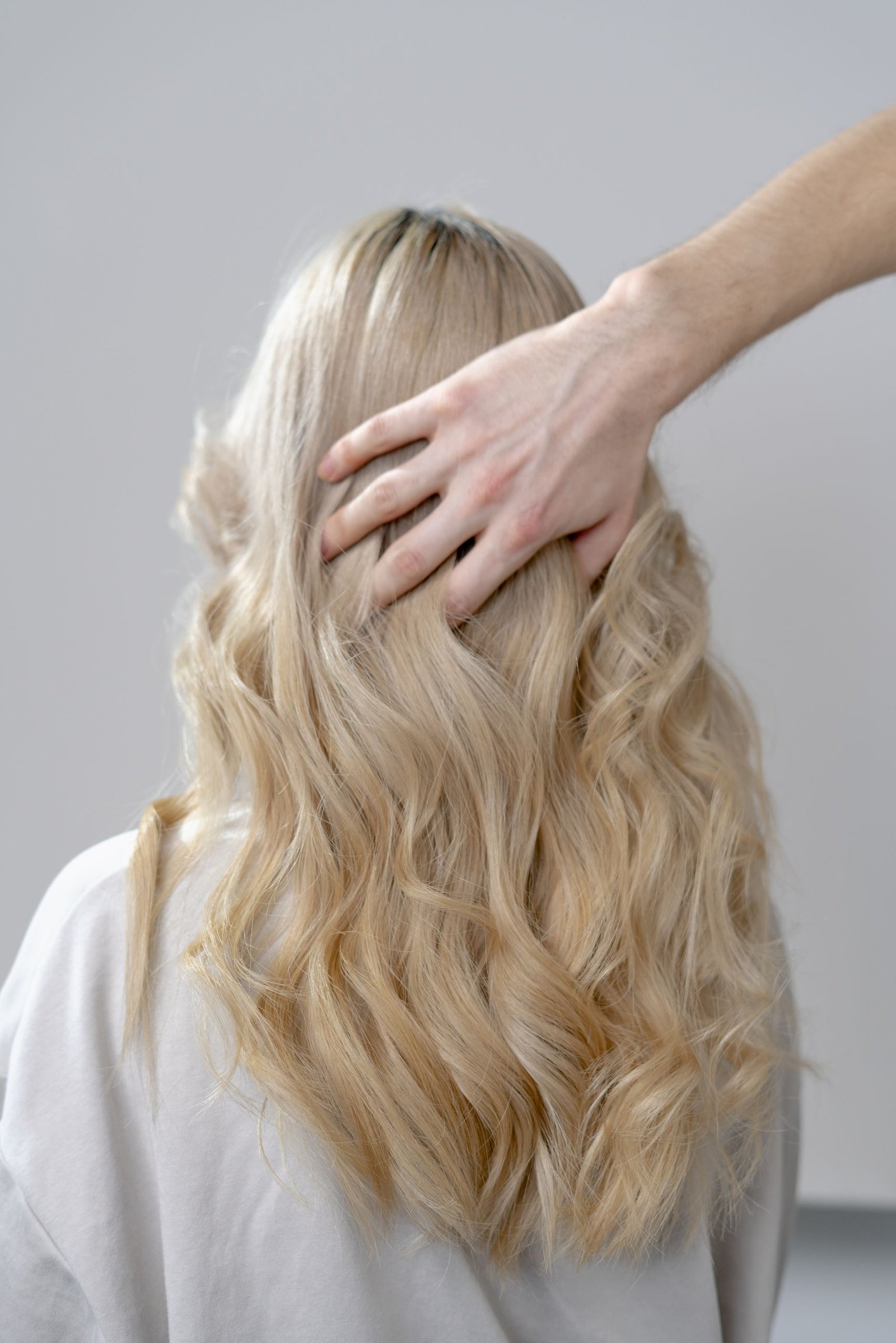
- Apply styling products to damp, not dripping, hair, since product distributes more evenly and the hair is more receptive to holding its shape while drying.
- Scrunch upward toward the scalp rather than smoothing downward, which encourages the wave pattern to clump and define rather than stretch straight.
- Air-dry when possible, or diffuse on a low heat setting with the dryer held close to the scalp, since high heat and rough towel-drying are two of the most common causes of frizz on wavy hair.
- Avoid touching or restyling hair once it starts to dry, since disturbing the cast or half-set pattern is one of the most common causes of frizz and flatness in wavy hair specifically.
Common Mistakes to Avoid
| Mistake | Why it matters |
|---|---|
| Using curly-hair products at full strength on fine 2A waves | Most curl products are formulated for coarser, curlier textures and will weigh 2A hair down |
| Applying product to dry hair | Product distributes unevenly and struggles to shape the wave pattern once hair is already dry |
| Skipping a clarifying wash | Product buildup from repeated use of heavier formulas gradually weighs waves flatter over time |
| Brushing dry waves | Breaks up the wave clumps into frizz rather than defined texture |
Frequently Asked Questions
Can a product actually make straight hair wavy?
No. Styling products can enhance and define a wave pattern that is already present in the hair, but they cannot create a wave pattern in hair that grows out naturally straight.
Is mousse or gel better for wavy hair?
It depends on your specific wave type and the humidity you are dealing with. Mousse gives lighter, more natural-looking definition and works well for finer 2A to 2B waves, while gel offers stronger hold and better frizz control in humid conditions, which suits thicker or more frizz-prone 2C waves.
How do I stop products from weighing down my waves?
Use lighter formulas with humectants and light oils rather than heavy butters and silicones, apply product to damp rather than dry hair, and use a clarifying shampoo periodically to remove buildup that accumulates over repeated styling.
Should I use the same products every day on wavy hair?
Not necessarily. Many people with wavy hair find that alternating between a lighter product on humid or high-moisture days and a slightly stronger hold formula on drier days keeps the wave pattern consistent without buildup.
Final Thoughts
The right product for wavy hair comes down to matching weight and hold to your specific wave pattern rather than assuming a product marketed for “curly hair” will automatically work. Lighter mousses and sprays generally suit finer 2A waves, richer creams and gels suit thicker 2C waves closer to curly territory, and application technique, applying to damp hair and scrunching upward, matters just as much as the product itself.