Cute Haircuts for Little Girls: A Guide to Choosing the Right Cut
A good haircut for a little girl balances a style she and her parents actually like with a length and shape that survives daily play, school mornings, and a hairbrush that does not always cooperate. This guide covers the most practical, flattering haircut shapes for young girls, how to choose one based on hair type and activity level, and what to expect at a first or early salon visit.
What Makes a Haircut Work Well for a Little Girl
The best haircuts for young girls share a few practical qualities regardless of style: they grow out without looking messy, they do not require daily styling to look neat, and they hold up to swimming, sports, and sleep. A cut that needs a flat iron or a lot of product every morning rarely stays practical for long, no matter how good it looks on the day it is cut. Hair texture also plays a bigger role than most parents expect. A blunt, one-length cut that looks sleek on straight hair can look uneven and frizz-prone on curly or coily hair, where layered or shape-based cuts generally hold their form better between trims.
Popular Haircut Styles for Little Girls
Classic Bob
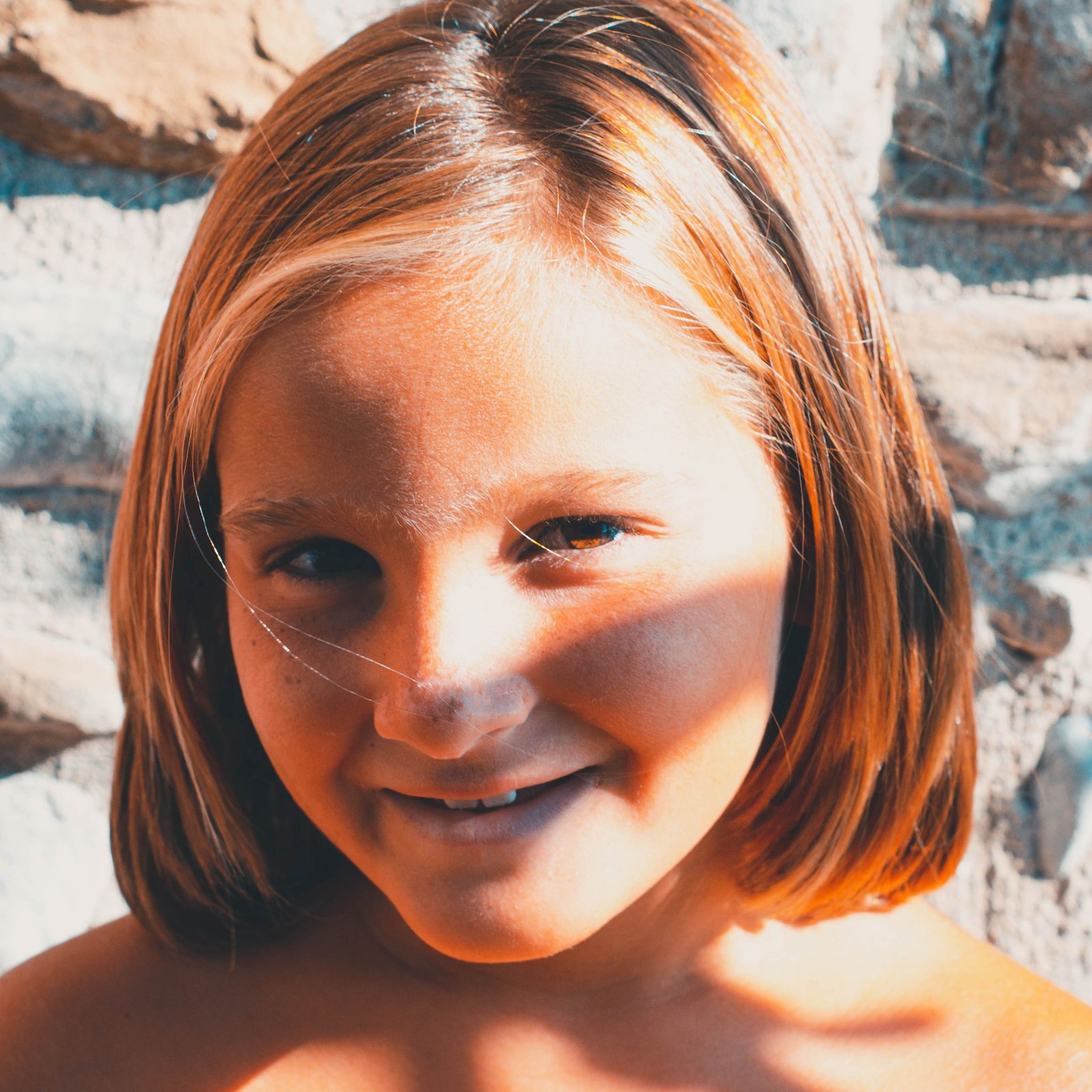
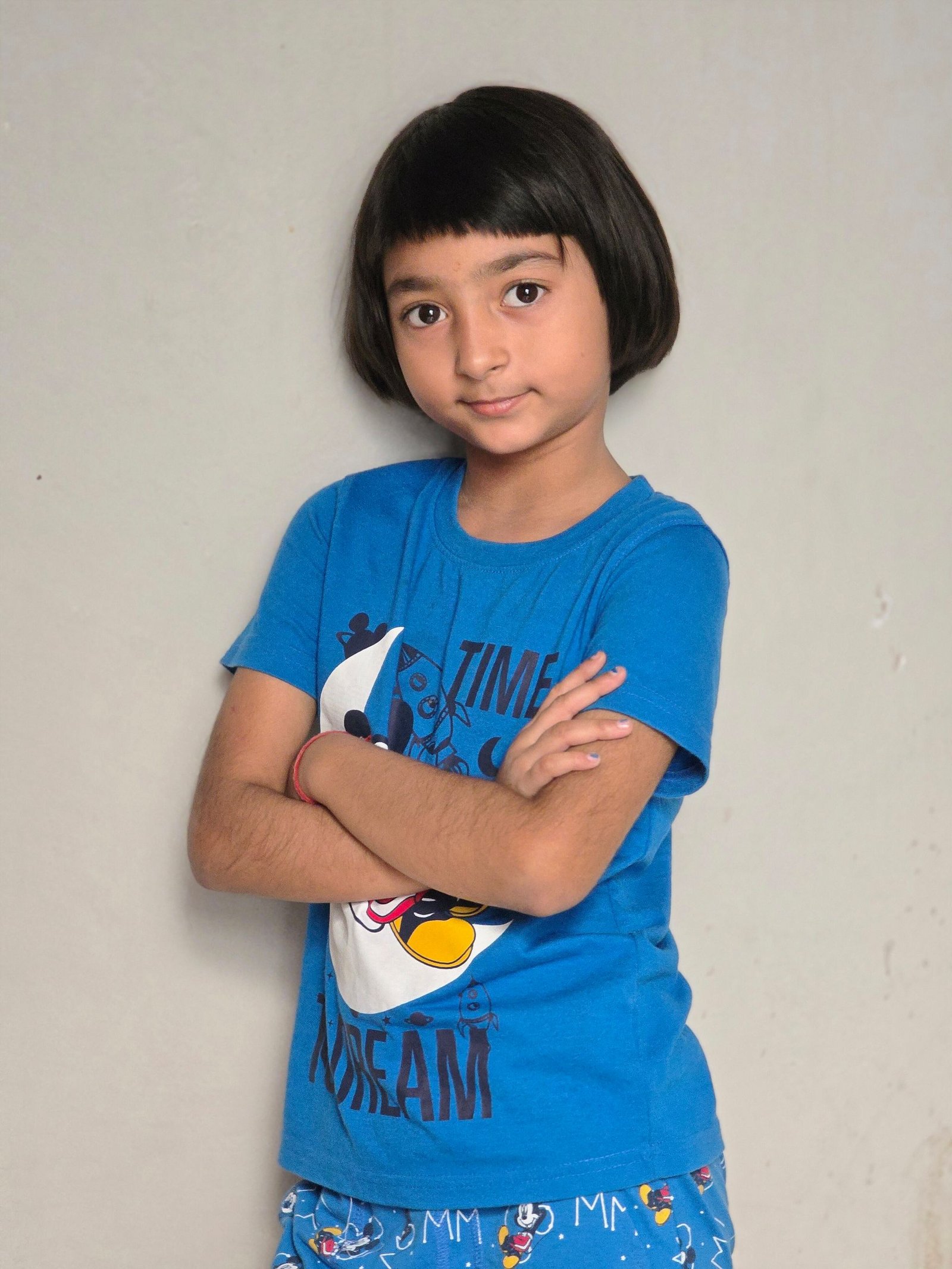
A chin-length to shoulder-length bob is one of the most requested cuts for young girls because it is simple to maintain, keeps hair out of the face, and works on straight, wavy, and looser curl patterns. A slightly longer bob, sometimes called a lob (long bob), gives a bit more length for ponytails and braids while still avoiding tangled, hard-to-manage ends.
Pixie Cut
A short pixie is the lowest-maintenance option on this list, ideal for very active girls or families who want to minimize morning styling time. It works especially well on fine, straight hair, where shorter styles tend to hold shape and volume better than very long, thin hair does.
Layered Long Hair
For girls who want to keep their length, adding soft layers around the face and through the ends reduces bulk, makes hair easier to brush through, and prevents the blunt, heavy look that very long one-length hair can develop. Face-framing layers also help hair fall more naturally around the cheeks and forehead.
Blunt Bangs or Fringe
Bangs can be paired with almost any length and add a distinctive look, but they need more upkeep than other elements on this list, generally a trim every four to six weeks to stay out of the eyes. Side-swept bangs are a lower-maintenance alternative that grows out more gracefully than a full, blunt fringe.
Textured or Curly Bob
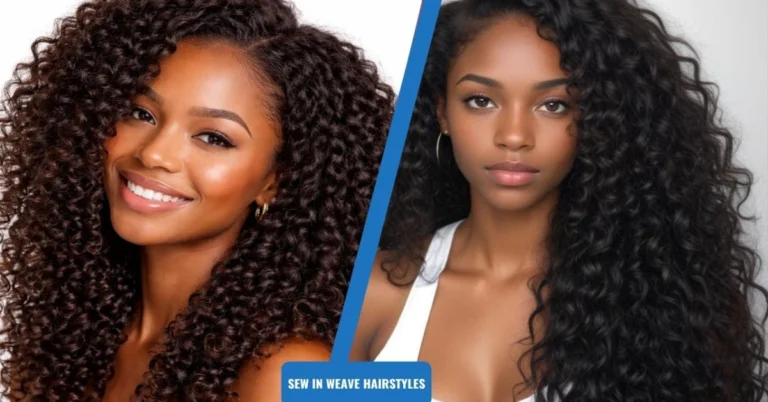
For naturally curly or coily hair, a bob cut specifically for the curl pattern (cut dry, or with the stylist accounting for how much the hair will shrink once it curls) gives shape and definition without the heaviness that a straight-cut bob can create on curly texture. This is a meaningfully different technique from a standard straight-hair bob, so it is worth mentioning curl pattern specifically when booking the appointment. Once the cut is done, a guide to natural hairstyles for black girls covers styling options beyond braids that work well with a curl-specific cut.
Shoulder-Length with Face-Framing Pieces
A versatile middle-ground length that works for school, photos, and everyday play. Face-framing pieces, cut slightly shorter at the front, add shape without committing to full bangs, and the length still ties back easily for sports or physical education class. For quick everyday looks once hair grows past this length, a roundup of easy hairstyles for kids covers simple options that work with a squirmy morning routine.
Choosing a Haircut by Hair Type and Lifestyle
| Hair Type or Situation | Well-Suited Cuts | Why |
|---|---|---|
| Fine, straight hair | Blunt bob, pixie cut | Shorter, blunt shapes create the appearance of more volume and density |
| Thick, straight hair | Layered long styles, longer bob | Layers remove bulk and make the hair easier to brush and style |
| Curly or coily hair | Curl-specific bob, layered long cut | Cuts that account for shrinkage and curl pattern hold shape better than straight-hair techniques applied to curls |
| Very active or sporty | Pixie cut, shoulder-length with no bangs | Shorter, low-maintenance styles need less daily brushing and stay out of the face during activity |
| Sensitive scalp or dislikes brushing | Shorter bob, pixie cut | Less length means less daily detangling and fewer opportunities for painful knots |
What to Expect at an Early Haircut Appointment
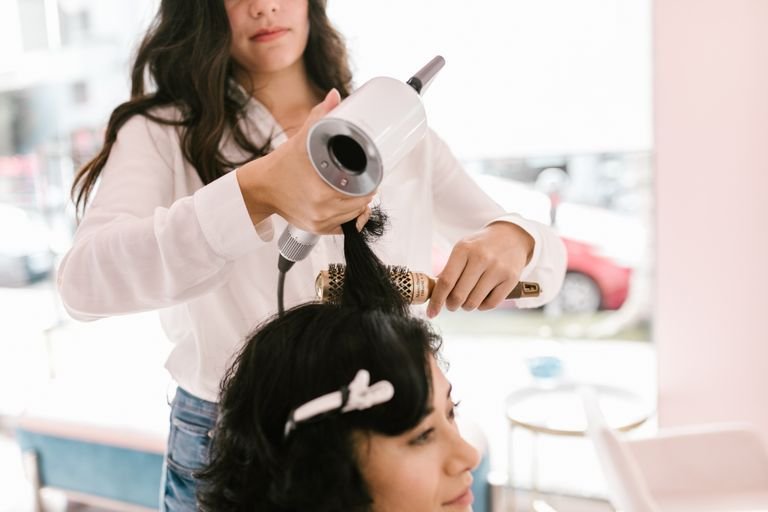
Many salons offer a first-haircut experience with distractions such as a tablet, a favorite show, or a special chair designed for children, which can make the process easier for a nervous or squirmy child. Booking during a quieter time of day, avoiding appointments right around nap time, and letting the child bring a comfort item can all help the visit go more smoothly. For a very young child or a first cut, keeping the change subtle, a light trim rather than a dramatic style change, is a common approach so the child has time to adjust to the sensation of having hair cut.
Trimming at Home vs Visiting a Salon
Simple, low-precision trims (taking an inch off length, tidying uneven ends) can reasonably be done at home with proper hair-cutting scissors and good lighting, though a shaky hand on bangs is one of the most common at-home haircut regrets, since bangs are unforgiving of small mistakes and take weeks to grow out. Shaped cuts like a bob, layers, or anything with bangs are generally worth a salon visit, particularly the first time a new shape is introduced, since a stylist can establish the guide length and shape that later at-home trims can then follow.
How Often to Trim
Most haircuts for young girls benefit from a trim every six to eight weeks to maintain shape, though this varies by style. A pixie cut or a style with bangs needs more frequent trims, often every four to six weeks, to stay in shape, while longer layered cuts can often stretch to eight to ten weeks between visits without losing their overall look.
Common Mistakes to Avoid
| Mistake | Why It Causes Problems |
|---|---|
| Choosing a style based only on a photo, without considering hair texture | The same cut can look completely different on straight versus curly or coily hair |
| Cutting bangs too short on the first attempt | Hair appears shorter once it dries and settles, especially with curl or wave, so bangs cut short when wet often end up too short |
| Skipping regular trims on shaped cuts | Bobs, pixies, and bang-heavy styles lose their defined shape faster than one-length or layered long hair |
| Attempting a full restyle at home for a first haircut | Complex shapes like bobs or layers are difficult to execute evenly without professional training and tools |
| Ignoring how a style will grow out | Some cuts, especially with bangs or sharp lines, become noticeably awkward partway through the growing-out period |
Frequently Asked Questions
What is the easiest haircut to maintain for a little girl?
A blunt bob or a pixie cut are generally the lowest-maintenance options, since both hold their shape well between trims and do not require daily styling to look neat. The best choice still depends on hair texture and how much daily brushing the child tolerates.
At what age should a child get their first real haircut?
There is no fixed age; many children get a first trim between one and two years old, mainly to even out length, while a first shaped style like a bob is often introduced later, once the child can sit reasonably still for the appointment. Comfort and patience matter more than a specific age milestone.
Are bangs a good choice for young girls?
Bangs can look great, but they need a trim roughly every four to six weeks to stay out of the eyes, which is a bigger commitment than many other cuts on this list. Side-swept bangs are a common lower-maintenance alternative for parents who like the look but want less frequent upkeep.
Should curly hair be cut the same way as straight hair?
No. Curly and coily hair shrinks once it dries and curls, so a cut planned without accounting for that shrinkage can end up much shorter or less even than intended. A stylist experienced with curly hair, or a dry cut specifically for the curl pattern, generally gives more predictable, better-shaped results than applying a straight-hair cutting technique to curls.
\n