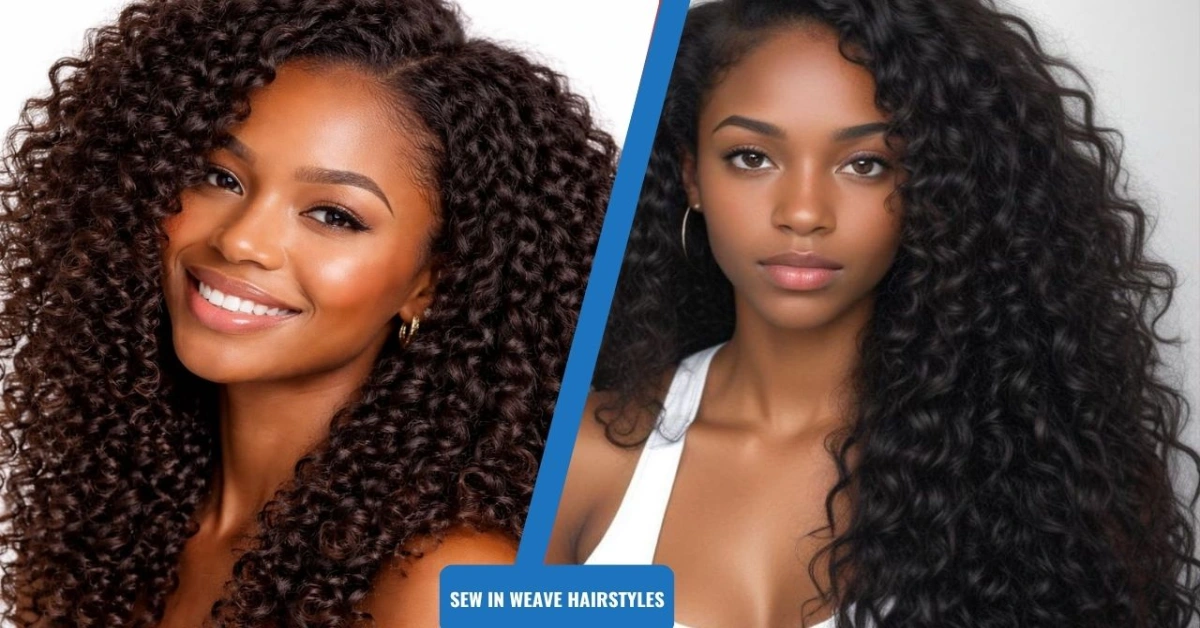
Top 14 Short Sew in Weave Hairstyles
Quick answer: A sew-in weave should stay installed for roughly four to eight weeks, not longer — the real limit isn’t how the hair looks but scalp health, since trapped moisture and prolonged braid tension can lead to infection or traction alopecia (hair loss from sustained pulling at the roots). Below are the practical basics plus ten short styles worth discussing with your stylist. This is a genuine protective style: it lets natural hair rest from heat and daily manipulation, but only if it’s installed and worn correctly.
Weave vs. Wig: The Real Difference
A sew-in weave means wefts of hair are stitched directly onto braided natural hair (the “cornrow base”), while a sew-in wig is a full unit that’s also sewn onto a braided base but is removed and reapplied as one piece rather than adjusted section by section. Weaves generally allow more styling flexibility since you can part and style through the individual wefts; wigs are faster to install and swap out but offer less mid-wear styling variation.
The Rules That Actually Matter
- Duration: four to eight weeks is the realistic safe window. Longer installs trade the appearance of length retention for real risk to scalp health and hairline density.
- Braid tension: tell your stylist directly if the base braids feel tight, painful, or cause headaches — ongoing tension at the root is the direct cause of traction alopecia, not a normal “it’ll loosen up” sensation.
- Washing: a sew-in still needs regular scalp washing, not none at all — trapped sweat, product buildup, and moisture against the scalp underneath the base is what leads to odor and fungal issues, not the weave itself.
- Removal: have a professional take it out rather than removing it yourself, which reduces the risk of breakage at the base of your natural hair.
10 Short Sew-In Styles Worth Requesting
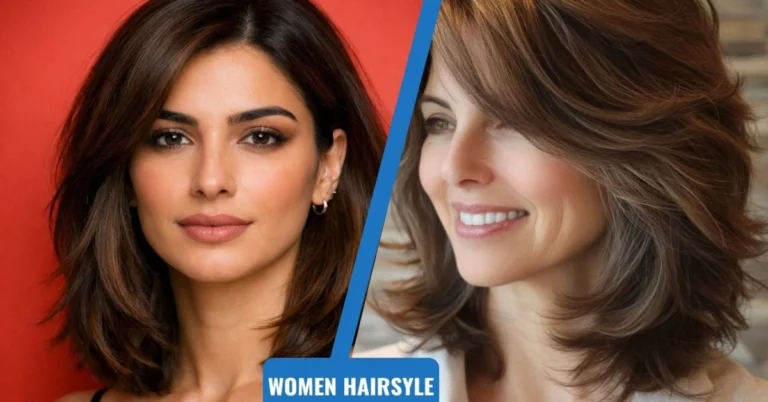
- Bob weave: a classic short bob length, styled straight or with a slight bend — one of the most requested and lowest-maintenance sew-in lengths.
- Curly bob weave: the same bob length in a curl pattern, giving volume and texture without daily heat styling.
- Asymmetrical side-swept bob: a bob with a deep side part and longer front pieces swept across, giving a more editorial finish than a straight-across bob.
- Side-part bob with bangs: a bob length paired with a defined side part and sweeping bangs for a softer, face-framing look.
- Textured, tousled bob: a deliberately undone, finger-styled finish that hides a lower-maintenance daily routine well.
- Short layered curls: layering added through the weave for movement, achievable without cutting your own natural hair underneath.
- Color-dyed short bob: since weave hair is separate from your natural hair, this is a lower-risk way to try a bold or unconventional color without chemically treating your own strands.
- Multi-tone or dip-dyed ends: two or more colors blended through a short cut for a more dramatic finish, again without any chemical process on your natural hair.
- Voluminous curl set: a fuller, more textured curl pattern for a bolder short silhouette.
- Shoulder-grazing curls: a slightly longer option that still counts as a shorter, easier-to-maintain length than a full-length install.
Frequently Asked Questions
Is a sew-in weave actually low-maintenance?
It reduces daily styling effort compared to styling your natural hair from scratch, but it isn’t zero-maintenance — regular scalp washing and checking the base for tightness are still necessary throughout the install.
Can any hair type get a sew-in weave?
Most textures can, but very fine or very kinky natural hair sometimes needs a specific weave texture chosen to blend well at the base — this is worth discussing with your stylist before installation rather than assuming any weave will match seamlessly.
How do I know if my braids are too tight?
Persistent pain, tenderness, headaches, or visible bumps along the hairline in the days after installation are all signs the base is too tight and should be addressed, not waited out.
What’s the actual risk of leaving a sew-in in for months instead of weeks?
Trapped moisture against the scalp raises the risk of fungal or bacterial buildup, and sustained tension at the root over months is a documented cause of traction alopecia — hair loss that can become permanent if it isn’t addressed early.
Editorial note: Duration and care guidance reflects dermatological and stylist consensus as of 2026. If you notice persistent pain, redness, or hair loss at the hairline during or after wearing a sew-in, have it removed and consult a dermatologist rather than waiting for it to resolve on its own.