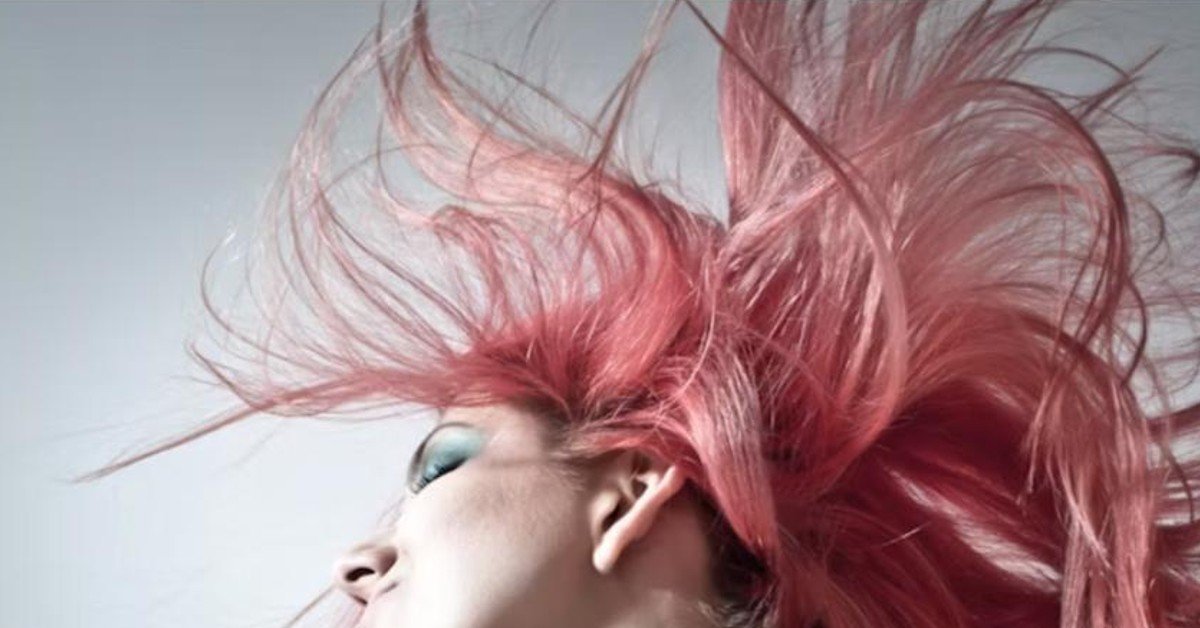
17 Red-Violet Hair Color Ideas for 2026
Red-violet sits between two of the boldest color families in hair coloring, and that in-between position is exactly what makes it work: warmer than a true purple, cooler and more dimensional than a straight red, with enough range to go from a near-natural deep aubergine to an unmistakably vivid magenta. Unlike red-and-black or red-with-blonde-highlights, this is usually a single blended shade rather than two contrasting tones — which makes it more forgiving to wear but no less demanding to maintain. This guide covers the real shade range within red-violet, which variations suit which skin tones, what your hair needs before you can get there, and how to keep it from fading into a flat, muddy pink. For other bold color-combination options, see our guides to red and black hair and red hair with blonde highlights.
What “Red-Violet” Actually Covers
Red-violet isn’t one specific color — it’s a spectrum that sits between pure red and pure violet on the color wheel, and where a particular shade falls on that spectrum changes both how it reads and how it’s achieved. Toward the red end, you get colors like wine, burgundy, and aubergine, which lean dark and can often be achieved over a medium-to-dark natural base with less lightening. Toward the violet end, you get magenta, orchid, and true purple-red tones, which typically need a lighter, pre-lightened base to show up vividly rather than reading as a subtle tint over dark hair.
This matters because “I want red-violet hair” means something different depending on which end of that spectrum you’re picturing. Bringing a specific reference photo to your consultation — and being clear about whether you want a dark, low-maintenance version or a bright, high-maintenance one — saves a lot of miscommunication.
Choosing Your Shade by Skin Tone
| Skin Tone | What Tends to Work | What to Be Careful With |
|---|---|---|
| Deep/dark skin tones | Almost any red-violet shade, including the boldest magentas and violets | Fewer restrictions — this combination is generally considered the most universally flattering pairing for deeper skin |
| Fair skin, cool undertone | Cooler, more violet-leaning shades; aubergine, plum, orchid | Very warm, orange-leaning reds can clash with cool undertones |
| Fair skin, warm undertone | Redder, warmer red-violet shades like wine or copper-violet | Heavy violet with minimal red can emphasize yellow undertones and look washed out rather than intentional |
| Medium/olive skin tones | Rich burgundy, magenta, or balanced red-violet blends | Very light, pastel-leaning violet-reds may need warmer complementary makeup to avoid looking flat |
17 Red-Violet Hair Color Ideas
1. Deep Aubergine
A near-black base with a rich, dark eggplant-violet cast that only reveals its true tone in direct sunlight. One of the most office-appropriate and lowest-maintenance shades on this list.
2. Classic Wine
A dark red leaning just slightly violet — closer to the red end of the spectrum, and one of the easier shades to achieve over naturally dark hair without heavy lightening.
3. Burgundy Balayage
Hand-painted burgundy pieces through a darker red-violet base, adding dimension without the commitment of an all-over vivid color.
4. Cherry Cola
A red-violet with a visible brown undertone, giving it warmth and depth that reads as natural from a distance and reveals its violet cast up close.
5. Magenta-Violet
A brighter, more saturated shade that sits closer to the violet end. This typically needs a pre-lightened base to show up vividly rather than looking muddy.
6. Orchid
A lighter, more pastel-leaning violet with visible pink-red undertones. Works particularly well on pre-lightened blonde hair.
7. Raspberry Plum
A rich, saturated berry tone that balances red and violet almost evenly, giving it more visual complexity than a straight red or straight purple.
8. Foilayage Cherry and Violet
A combination technique using both foils and hand-painting to blend vivid cherry-red and rich violet through the same head of hair, for maximum dimension.
9. Rose Gold to Violet Ombre
Warmer rose-gold tones at the root transitioning into a cooler violet by the ends — a striking gradient look best suited to longer hair with room for the transition to develop.
10. Dragonfruit Pink
A light, bright red-violet with natural dark roots left visible intentionally, giving a lower-maintenance, grown-out aesthetic despite the vivid color.
11. Electric Fuchsia
The boldest, most saturated version of this color family — a true statement color that needs the most pre-lightening and the most frequent refreshing.
12. Copper-Violet
Warm copper blended with violet rather than pure red, giving a result that photographs particularly well in warm lighting.
13. Red Velvet Root Melt
A deep red-violet root that melts into a slightly lighter red-violet through the lengths, keeping regrowth soft and low-maintenance.
14. Plum Balayage on Brunette
Subtle plum-violet pieces hand-painted through a brunette base — the most understated entry on this list, reading as brunette in most lighting and revealing its color in direct sun.
15. Textured Bob in Red-Violet
Not a shade but a pairing worth noting: a shoulder-grazing textured bob shows off dimensional red-violet color particularly well because the shorter length keeps the whole gradient visible at once.
16. Violet-Red Balayage on Curls
Placement that follows the natural curl pattern rather than a straight vertical sweep, so the color catches and highlights the curl’s movement.
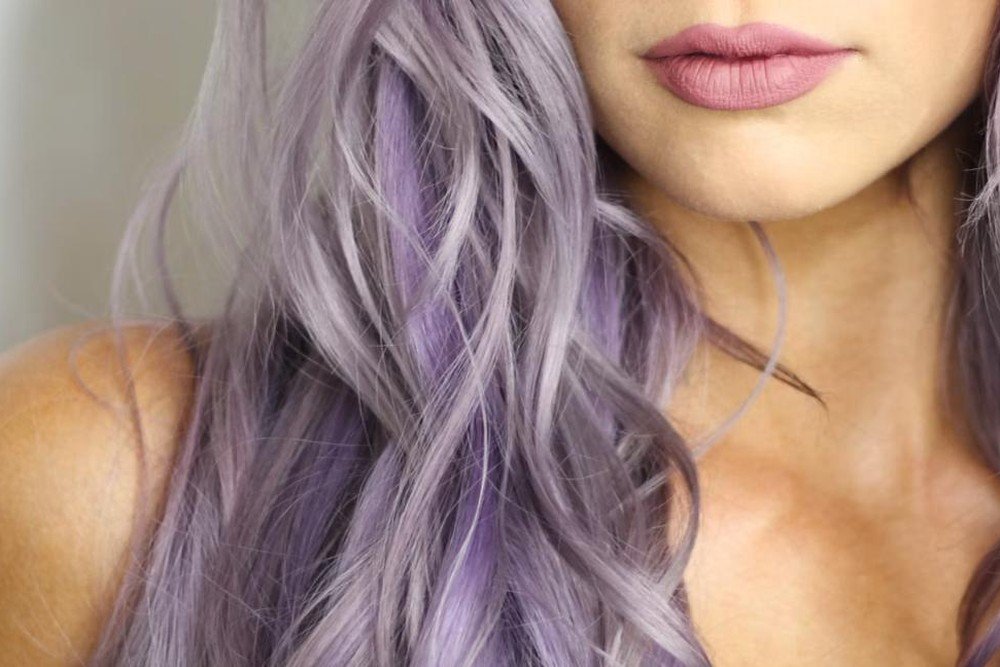
17. Muted Mauve-Violet
A desaturated, dustier take on red-violet — less saturated than the vivid options above, reading almost as a cool-toned brunette with a violet cast rather than an obviously “colored” look.
What Your Hair Needs Before You Start
Where your natural or current color sits determines how much work is needed to get a specific red-violet shade, and this is the part a lot of people underestimate going in.
- Dark hair, dark shade (aubergine, wine, cherry cola) — often achievable directly over a natural dark base with a demi- or semi-permanent color, sometimes in one session.
- Dark hair, bright shade (magenta, fuchsia, orchid) — requires lightening first, often across multiple sessions, since vivid red-violet tones need a pale yellow-to-white base to show their true saturation rather than muddying over dark pigment underneath.
- Already-blonde or pre-lightened hair — the fastest and least damaging path to any shade in this family, including the brightest ones.
A colorist who wants to test a strand or do a consultation-only first appointment before committing to a vivid shade over dark hair is being careful with your hair’s health, not avoiding the work.
Why Red-Violet Fades the Way It Does
Both red and violet pigments share the same underlying problem: their dye molecules are physically larger than the molecules in more neutral colors like brown, so they don’t penetrate as deeply into the hair’s cortex. They sit closer to the surface, which means they wash and sun-fade out faster than more muted colors under identical conditions. In a red-violet blend, this usually shows up as the red fading faster than the violet (or vice versa, depending on the specific formula used), which can shift the overall tone — a red-violet that starts balanced can drift toward pink, mauve, or a flatter violet within a few weeks as one pigment outlasts the other.
A realistic maintenance routine limits washing to one or two times a week, always with lukewarm-to-cool water and a cold final rinse to help the cuticle close around the pigment. Sulfate-free, color-safe shampoo and conditioner should replace regular formulas, since sulfates strip both natural oils and dye molecules together. A color-depositing conditioner or mask in a matching or complementary tone, used every one to two weeks, keeps the color from visibly drifting between salon visits.
| Maintenance Task | Frequency |
|---|---|
| Washing (sulfate-free, color-safe products) | 1–2 times per week |
| Color-depositing conditioner or mask | Every 1–2 weeks |
| Deep-conditioning treatment | Weekly |
| Professional gloss or color refresh | Every 3–5 weeks for vivid shades; every 6–8 weeks for darker, muted shades |
Maintaining Red-Violet Hair in Dubai’s Climate
Vivid fashion colors like red-violet are especially vulnerable to Dubai’s intense, near-constant UV exposure, which oxidizes and fades color molecules faster than in milder climates, along with heat that accelerates cuticle wear and speeds up pigment loss generally. Hard water and chlorine compound the problem — mineral buildup dulls vibrancy across the board, and chlorine exposure can pull already-processed hair toward unpredictable tones. A UV-protectant leave-in spray before sun exposure, a hat during peak midday hours, and rinsing hair with clean water before swimming all help slow the fade. Given how quickly vivid fashion colors fade generally, most people find that scheduling a color-refresh appointment every three to four weeks — rather than the six-plus weeks that suits more natural colors — is what actually keeps a bright red-violet looking intentional rather than faded.
On cost: Dubai salon pricing for a red-violet transformation depends heavily on how much lightening is required. A demi-permanent color applied directly over a compatible dark base typically starts around AED 350–450, while a full lightening-and-color service for a vivid shade over dark hair is usually priced after consultation and can require two sessions, given the health considerations of lifting hair to a pale base before applying saturated color.
What to Know Before You Commit
- The brighter the shade, the more upkeep it demands. A deep aubergine and an electric fuchsia are both technically “red-violet,” but they live at opposite ends of a maintenance spectrum.
- Vivid shades over dark hair usually mean lightening first. This is a hair-health question as much as a color one, and a colorist who wants to split the process across sessions is protecting your hair.
- Red-violet can fade unevenly. Because red and violet pigments don’t always fade at the same rate, the color a month in may lean noticeably more pink or more purple than the day you left the salon — factor that into which starting shade you choose.
- This is not a low-maintenance color family. If a wash-and-go, infrequent-touch-up routine matters more to you than the shade itself, a darker, less saturated option like aubergine or wine will serve you much better than a vivid magenta.
Frequently Asked Questions
Does red-violet hair require bleaching?
Only for the brighter shades. Deep, dark red-violet tones like aubergine or wine can often be achieved directly over a dark base with a demi-permanent color. Vivid magenta, fuchsia, or orchid shades generally need pre-lightening to show their true saturation.
How long does red-violet hair color last?
Vivid versions typically hold strong vibrancy for three to five weeks before needing a refresh; darker, more muted shades can go six to eight weeks between salon visits. Both fade faster than neutral brunette shades because red and violet pigment molecules don’t penetrate the hair shaft as deeply.
Can I do red-violet hair at home?
Darker, low-lift shades applied with a semi- or demi-permanent color are realistic as an at-home project on hair that’s already light enough. Any shade requiring lightening beforehand is much harder to control at home and is best left to a professional, especially on previously dark or chemically treated hair.
What hair color cancels out red-violet if I want to change it later?
Green-based color-correcting products are typically used to neutralize red tones, while yellow-based correctors address violet. A professional color correction is usually the safer route for removing a saturated fashion color evenly, rather than attempting it at home.
Getting the Result You Actually Want
Decide up front where on the red-to-violet spectrum you actually want to sit, and say so explicitly in your consultation rather than just showing a photo — “more red” or “more violet” is often the single most useful sentence you can add to a reference image. If you’re starting from dark hair and want a bright shade, ask directly whether your colorist recommends one session or two, and trust a colorist who wants to check your hair’s condition before committing to a full lift. Once you’re home, the first few weeks are what set the tone for how this color ages — consistent gentle washing, UV protection, and a scheduled refresh do more to keep it looking deliberate than any single product.