Red Hair with Blonde Highlights: 12 Ideas for 2026
Red hair with blonde highlights sits in an odd spot in the coloring world: it’s warmer and more forgiving than platinum highlights on brown hair, but trickier to maintain than either color worn alone, because red and blonde fade in opposite directions and need different upkeep to look intentional rather than accidental. Get the placement and shade-matching right, and it reads as sun-warmed and dimensional. Get it wrong, and the highlights pull orange while the red washes out to a flat strawberry-blonde nobody chose on purpose. This guide covers the real placement options, how to match highlight tone to your specific red base, and the maintenance routine that keeps both colors looking deliberate. If you’re drawn to red but want a higher-contrast, darker-rooted option instead, our red and black hair guide covers that pairing in the same depth.
Strawberry Blonde or Red-With-Highlights: They’re Not the Same Result
These two terms get used interchangeably, but they describe different outcomes. Strawberry blonde is a single, blended shade — light copper woven through honey-blonde in a way that reads as one cohesive color with no visible separation. Red hair with blonde highlights is intentionally two-toned: distinct lighter pieces placed within a red base, with visible contrast between the two rather than a seamless blend. If you want dimension without ever having “two colors,” ask your colorist for strawberry blonde specifically. If you want the lighter pieces to read as their own element — especially around the face — you want true highlights on a red base.
Highlight Placement: What Each Technique Actually Gives You
| Technique | What It Looks Like | Touch-Up Frequency | Best For |
|---|---|---|---|
| Money-piece / face-framing | A few concentrated blonde pieces around the face only | Every 8–10 weeks | Subtle brightness without committing the whole head |
| Balayage | Hand-painted, soft graduated blonde through mid-lengths and ends | Every 10–12 weeks | A natural, sun-kissed look with the softest regrowth line |
| Foil highlights | Defined, evenly placed blonde sections throughout | Every 6 weeks | Bold, high-contrast dimension |
| Lowlights added back in | Darker red-toned pieces reintroduced among the blonde | Every 8–10 weeks | Softening a highlight job that’s grown too blonde overall |
12 Red Hair with Blonde Highlights Ideas
1. Copper Base with Honey Blonde Balayage
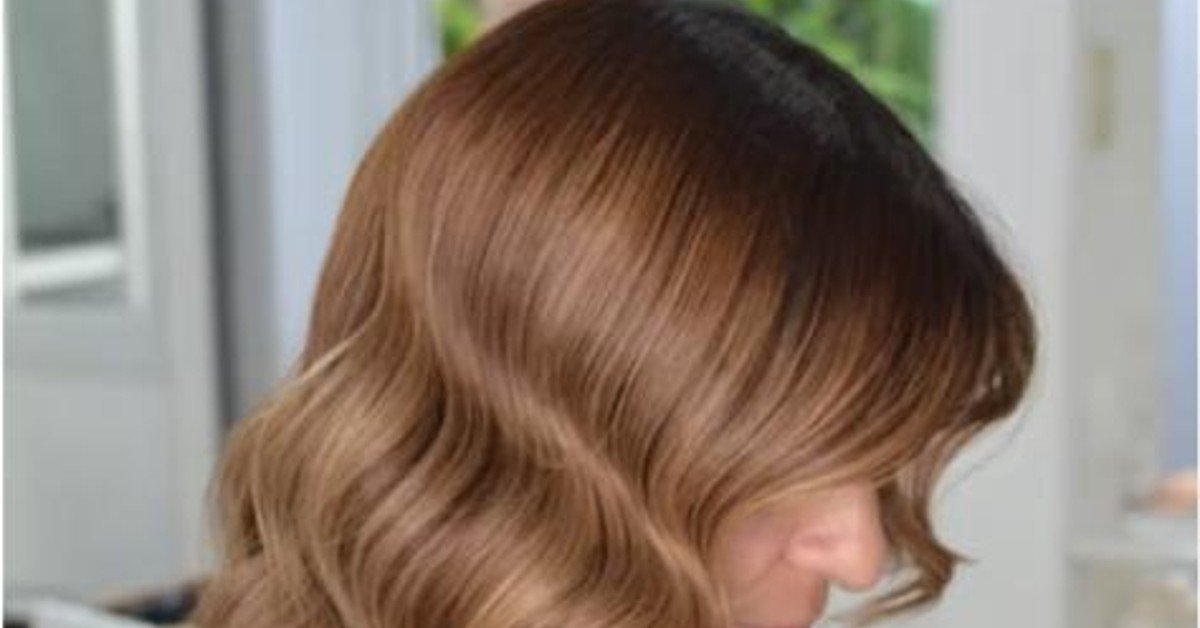
Warm copper hair with hand-painted honey-blonde pieces through the mid-lengths. The low contrast between the two warm tones keeps this look office-appropriate and easy to grow out.
2. Auburn with Golden Caramel Highlights
Deeper auburn red paired with warm caramel-blonde tones rather than pale blonde, so the highlights don’t fight the depth of the base. This combination usually needs multiple sessions if starting from virgin dark hair, to protect hair health.
3. Bright Red with Face-Framing Platinum
Vivid, saturated red with two bold platinum-blonde panels concentrated at the face. High contrast, high impact, and easy to maintain because the blonde is contained to a small area.
4. Strawberry Blonde Balayage
Technically a blended single shade rather than “highlights,” but worth including because it’s the softest, lowest-maintenance version of this general color family — light copper threaded through honey-blonde with a root shadow for an undone, grown-out look.
5. Ginger with Golden Blonde Ribbons
Bright ginger base with chunky golden-blonde ribbons rather than fine highlights. This suits fair-to-medium skin tones particularly well and photographs with strong warmth in natural light.
6. Deep Red with Subtle Babylights
Fine, delicate blonde babylights scattered through a rich red base for dimension that’s barely-there up close but adds visible movement and shine in motion.
7. Mahogany with Copper-Blonde Accents
Mahogany red (a red with a visible brown undertone) combined with copper-blonde rather than true blonde highlights, keeping the whole look in the same warm family for a cohesive, non-competing result.
8. Cherry Red with Icy Blonde Contrast
One of the boldest combinations on this list — cool cherry red against ash or icy blonde highlights. This cool-toned pairing needs a colorist experienced in color correction, since mixing warm red bases with cool blondes is prone to muddying if the underlying pigment isn’t neutralized first.
9. Red Root Melt into Blonde Ends
An ombre-adjacent look where red concentrated at the root gradually lightens into blonde by the ends, rather than highlights placed as separate pieces throughout.
10. Red Balayage with Blonde Underlights
Blonde placed only in the underlayers of a red base, visible when hair moves or is worn up, and hidden the rest of the time — a practical choice for more conservative environments.
11. Vibrant Red with Chunky ’90s-Style Highlights
Wide, deliberately visible blonde streaks against saturated red, referencing the bold foiled highlights trend rather than the softer balayage-driven looks above. A statement option best suited to thick hair that can carry heavy contrast.
12. Warm Red with Rose-Gold Highlights
Rose-gold — blonde with a pink-red cast rather than pure gold or ash — blended through a warm red base for a look that stays cohesive because the highlight color already contains some of the base color’s warmth.
Matching Highlight Tone to Your Red Base
The single most common mistake with this combination isn’t the placement — it’s picking a blonde that doesn’t relate to the red underneath it. A blonde chosen in isolation, without reference to the base color, is what produces the two-toned, unfinished look people want to avoid.
- Copper or strawberry-red base — pair with honey-blonde, golden-blonde, or strawberry-blonde highlights, blended with low contrast for a result that reads as sun-warmed rather than two separate colors.
- Auburn or dark red base — warm golden-blonde or caramel-blonde tones work best; going lighter (like platinum) against a dark auburn base usually requires pre-lightening in stages to avoid a harsh, banded look.
- Bright or vibrant red base — concentrate highlights into high-impact panels rather than spreading them evenly, since a saturated red will visually compete with blonde placed everywhere at once.
The Brass Problem: Why This Combination Needs Its Own Routine
Red and blonde fade in opposite directions, which is the core maintenance challenge of this color combination. Blonde sections pull warm and brassy as the toner fades, typically needing a purple or blue-based shampoo to stay neutral. Red sections do the opposite: they fade toward a duller, flatter tone, and a purple shampoo used too often or left on too long can actually dull the red further, since violet pigment sits opposite red-orange on the color wheel and can pull warmth out of the red sections along with the brass in the blonde ones.
The practical fix is to treat the two zones differently rather than applying one product to the whole head. A purple or blue-toning shampoo should be used sparingly and mainly on the blonde sections — many people find it easier to apply toning shampoo focused at the highlighted pieces and use a color-safe, non-toning formula through the red base and roots. A weekly color-depositing red or copper gloss, applied through the base only, keeps the red vibrant without touching the blonde. Between salon visits, a bond-building treatment on the highlighted sections helps offset the extra processing blonde hair goes through compared to the red base sitting next to it.
| Maintenance Task | Frequency |
|---|---|
| Purple/blue toning shampoo (blonde sections only) | 1–2 times weekly |
| Color-safe shampoo/conditioner (red sections, every wash) | Every wash |
| Red/copper color-depositing gloss (base) | Every 1–2 weeks |
| Bond-building treatment (highlighted sections) | Every 1–2 weeks |
| Professional toner refresh | Every 5–6 weeks |
| Full color/highlight refresh (salon) | Every 6–12 weeks, by technique |
Maintaining This Color in Dubai’s Climate
Both halves of this color combination are vulnerable to Dubai’s climate, just in different ways. Intense, near-constant UV exposure oxidizes toner and accelerates the shift toward brass in the blonde sections, while the same UV exposure fades the red base toward a duller, flatter tone faster than it would in a milder climate — red pigment molecules are physically larger than other color molecules and sit closer to the hair’s surface, making them easier to wash and sun-fade out. Hard water and chlorine compound both problems: mineral buildup dulls vibrancy across the whole head, and pool exposure can pull lightened sections toward a greenish cast while also fading the red.
A realistic routine here includes washing two to three times a week with lukewarm water, always finishing with a cool rinse; a leave-in UV-protectant spray before sun exposure; and rinsing hair with clean water before swimming to reduce how much chlorinated water the hair absorbs. Given the double maintenance load of two color zones, most people find scheduling a professional gloss or toner touch-up every four to five weeks — rather than stretching it further — keeps both colors looking intentional rather than in-between.
On cost: Dubai salon pricing for foil highlights on an existing red base typically starts around AED 450–600 depending on head size and how much pre-lightening is needed, with balayage placement starting closer to AED 800, and toner or gloss refreshes generally falling between AED 150–250 as a standalone service. A first-time transformation from solid dark or solid red hair into a full highlighted look is priced individually after consultation, since the amount of lightening required varies enormously and directly affects both price and the number of sessions needed.
What to Know Before You Commit
- This is a higher-maintenance combination than either color alone. You’re managing two fading timelines instead of one, and skipping the toning step on the blonde sections while ignoring the red base will make the mismatch worse over time, not better.
- Going from solid dark hair to this look usually takes more than one session. Lifting sections to a workable blonde base before applying color is a separate, hair-health-dependent process, and a colorist who wants to split it across two appointments is protecting your hair, not upselling you.
- The wrong blonde undertone is the most common failure point. A blonde selected without reference to the red base — too ashy, too pale, or too cool — is what produces a two-toned rather than dimensional result.
- Curly and coarser textures need extra care. Lightened sections on curly hair are more prone to dryness and breakage, so a bond-building treatment during the service and regular deep conditioning after matter more than on straight hair.
Frequently Asked Questions
Will purple shampoo ruin my red hair?
Used across the whole head frequently, yes — it can dull red tones because violet pigment counteracts red-orange warmth, not just yellow-orange brass. Applied sparingly and mainly to the blonde highlighted sections, it’s fine. Many colorists recommend applying it with a tint brush directly to the highlights rather than as an all-over wash.
How long does red hair with blonde highlights last before it needs a touch-up?
The blonde sections typically need refreshing every 5–8 weeks depending on technique, since regrowth and brassiness both show fastest there. The red base holds noticeable depth for longer but benefits from a gloss refresh every few weeks to stay vibrant rather than fading to a flat, dull tone.
Can I add blonde highlights to red hair at home?
Small, contained sections — a money piece or a few face-framing pieces — are more realistic as an at-home project than all-over highlights. Full head lightening on a red base is hard to control without professional-grade lightener and experience judging how the red pigment will interact with the developing blonde, so uneven, patchy, or overly brassy results are common with box kits.
Does this look work on short hair?
Yes, arguably better in some cases — face-framing highlights and babylights read clearly on shorter cuts without needing length to develop a gradient, unlike balayage-heavy techniques that benefit from more length to blend.
Getting the Result You Actually Want
Bring a reference photo, but ask your colorist to translate it to your specific red base rather than copying the highlight shade exactly — the same blonde reads completely differently against copper than it does against deep auburn or bright cherry red. If you’re starting from solid dark or solid red hair, ask directly whether the transformation needs one session or two; a colorist who wants to check in after the first lightening pass before committing to final tone is being careful with your hair, not being slow. Once you’re home, the first month sets the tone for how well this combination holds — split routine for the two zones, consistent UV protection, and a scheduled gloss appointment do more to keep it looking deliberate than anything you do later.