How to Tell if Your Hair Is Thinning: Signs, Causes, and What Actually Helps
If your ponytail feels thinner than it used to, or you’re noticing more scalp than usual when your hair is parted, you’re probably trying to figure out whether this is normal shedding or something worth paying attention to. The honest answer is that “thinning hair” covers several different things, with different causes and different fixes, and most articles on this topic blur them together.
This guide separates thinning from shedding and breakage, walks through how to actually check what’s happening to your hair, covers the real causes in detail, and explains which treatments have real evidence behind them and which are mostly marketing.
Thinning, Shedding, Breakage, and Loss: What’s Actually Happening to Your Hair
These four words get used interchangeably, but they describe different processes, and knowing which one applies to you changes what you should do about it.
Hair shedding is a normal, ongoing part of the hair growth cycle. Every hair follicle cycles through a growth phase, a short transition phase, and a resting phase before the hair falls out and a new one begins growing in its place. According to the American Academy of Dermatology (AAD), losing 50 to 100 hairs a day is completely normal and part of this cycle. When something disrupts the cycle and pushes an unusually large number of follicles into the shedding phase at once, the result is a temporary condition called telogen effluvium, which is covered in detail below.
Hair loss is different: it means something is actively interfering with a follicle’s ability to grow hair at all, whether that’s genetics, an autoimmune reaction, sustained tension on the follicle, or a medication side effect. Hair won’t grow back until the underlying cause is addressed, and in some cases, such as advanced traction alopecia or long-standing pattern hair loss, the damage can become permanent if it isn’t caught early.
Hair thinning usually refers to androgenetic alopecia, also called pattern hair loss, which is the most common cause of gradual, progressive thinning in both men and women as they age. In women it typically shows up as a widening center part and a noticeably thinner ponytail, rather than the receding hairline more commonly associated with male pattern baldness.
Hair breakage is a different mechanism entirely. It happens when the hair shaft itself snaps somewhere along its length, usually from heat styling, chemical processing, or mechanical stress like aggressive brushing, rather than because the follicle has stopped producing hair. This is a cosmetic and structural problem, not a scalp or follicle problem, and it’s worth telling apart from true thinning because the fixes are completely different.
It’s also worth knowing that these things can overlap. Someone can have genetic thinning at the crown and, separately, breakage along the hairline from years of heat styling. Treating only one issue while ignoring the other means the results will always look incomplete.
How to Tell if Your Hair Is Actually Thinning
A handful of practical checks can help you tell the difference between normal shedding, breakage, and genuine thinning before you see a professional.
The Pull Test
Dermatologists often use a version of this test in-office, but you can do a simplified version at home. Grasp a small section of hair, roughly 20 to 60 strands, gently between your fingers and pull slowly from root to tip. According to the AAD, gently pulling on hair “tells your dermatologist a lot about how your hair is growing and whether it’s prone to breaking.” If a noticeable number of hairs come away easily and you see a small white bulb at the root end, that points to active shedding. If the hairs snap in the middle instead of pulling free at the root, that points to breakage rather than a shedding or thinning issue.
Part-Width Check
The AAD lists a widening center part as one of the hallmark signs women notice with female pattern hair loss. Take a photo of your part every few months, in the same lighting, and compare over time. A part that keeps getting visibly wider is a meaningful sign, more reliable than a single glance in the mirror.
Ponytail Circumference
Gathering your hair into a ponytail at the same point and tracking how much room it takes up in a hair tie is a widely used practical self-check, even though it isn’t a formal clinical test. A ponytail that keeps needing an extra wrap of the tie, month after month, suggests diffuse thinning is happening gradually.
Scalp Visibility
Check under bright, direct overhead light, or take photos from above in consistent lighting and compare them over several months. Increasing scalp visibility, especially at the crown or along the part, is a useful marker precisely because it’s easy to miss day to day but obvious when you compare photos taken months apart.
What You’re Losing, and Where
Cleveland Clinic notes that with telogen effluvium, people typically notice increased hair loss “in your hairbrush, in your shower drain or on your pillow.” Pay attention to whether hair is coming out from the root (look for that small bulb) or breaking mid-strand, whether shedding is diffuse across the whole scalp or concentrated in one area, and whether your scalp itself looks and feels normal or shows redness, scaling, or tenderness. A dermatologist can go further with a scalp exam, and if needed, blood tests or a scalp biopsy, and can reliably tell the difference between shedding, loss, and breakage happening at the same time, which is genuinely hard to do through self-assessment alone.
What Causes Hair Thinning and Excessive Breakage
Thinning rarely has one single cause. Here are the factors dermatologists and researchers point to most often, organized so you can see which ones might apply to you.
Genetics (Androgenetic Alopecia)
This is the single most common cause of progressive thinning in both men and women, and it can be inherited from either side of the family. It involves individual hair follicles becoming increasingly sensitive to DHT, a byproduct of testosterone, which gradually causes the follicles to shrink, a process called miniaturization. Contrary to popular belief, this isn’t about having unusually high testosterone; it’s about how sensitive your specific follicles are to it. In women, onset commonly begins in the 40s to 60s, though it can start earlier, and becomes more common after menopause due to hormonal shifts. According to the AAD, pattern hair loss affects a substantial share of women by their late 40s, and treatment “works best when started at the first sign of hair loss,” which is why catching it early matters more here than with most other causes.
Telogen Effluvium (Stress-Related Shedding)
This is a temporary condition where a significant physical or emotional stressor pushes an unusually large percentage of hairs into the resting and shedding phase all at once. Common triggers include major weight loss, pregnancy and the postpartum period, a high fever or severe infection, major surgery, intense psychological stress, stopping hormonal birth control, and very restrictive or low-protein diets. The tricky part is timing: according to Cleveland Clinic, the shedding typically doesn’t start until two to three months after the triggering event, which is why people are often confused about what caused it. It usually lasts three to six months and resolves on its own once the underlying trigger is addressed, with full fullness typically returning within six to nine months. A healthy-looking scalp, without redness, scaling, or pain, is a reassuring sign that points toward telogen effluvium rather than a scarring or inflammatory condition.
Nutritional Deficiencies
Iron is the most consistently evidence-backed nutritional factor, particularly in women experiencing telogen effluvium; low ferritin (the protein that stores iron) is associated with increased shedding. Vitamin D deficiency is more strongly linked to alopecia areata specifically, though the relationship between vitamin D levels and severity is less clear-cut. Protein matters because hair itself is largely made of a protein called keratin, and very restrictive or low-protein diets are a recognized trigger for telogen effluvium. Zinc and biotin are worth a specific mention because their popularity outpaces the evidence: a rigorous review found that biotin supplementation showed no measurable benefit over placebo in the best-designed trial available, and true biotin deficiency is genuinely rare in people eating a normal varied diet. High-dose biotin supplements can also interfere with certain thyroid and cardiac lab tests, which is worth knowing if you’re taking one and get bloodwork done. The most useful approach here is testing for an actual deficiency through your doctor rather than assuming supplementation will help.
Hormonal Changes and Postpartum Shedding
Pregnancy, the postpartum period, menopause, and starting or stopping hormonal birth control are all recognized triggers, largely through fluctuating estrogen levels. Postpartum shedding deserves its own explanation because it’s so commonly misunderstood: elevated estrogen during pregnancy keeps more hair in its growth phase than usual, which is why hair often looks fuller during pregnancy. After delivery, estrogen drops sharply, and a large number of those hairs shift into the shedding phase together. According to Cleveland Clinic, this typically starts around three months after giving birth, usually lasts under six months, and fullness generally returns by around the baby’s first birthday. No medical treatment is required. Gentler washing and combing, lower heat when styling, and avoiding tight postpartum hairstyles that add tension to already-shedding hair all help in the meantime.
Thyroid Conditions
Both an underactive and an overactive thyroid can cause diffuse thinning, meaning it’s spread evenly across the scalp rather than concentrated in one spot, and it can sometimes affect eyebrows and eyelashes too, often alongside dryness or increased breakage in the hair that remains. The encouraging part, per Cleveland Clinic, is that thyroid-related hair loss is typically reversed once thyroid hormone levels are brought back to normal through appropriate treatment, though regrowth takes time and patience.
Medications
A surprisingly long list of medications can trigger hair shedding, usually through the same telogen effluvium mechanism described above. Categories to be aware of include oral retinoids like isotretinoin, certain antidepressants (bupropion carries a comparatively higher risk, along with some SSRIs and SNRIs), hormonal birth control with androgenic progestins, blood thinners such as warfarin and heparin, some anti-seizure medications, certain beta blockers, antithyroid medications, chemotherapy drugs (which work through a faster, different mechanism), tamoxifen, some arthritis medications including methotrexate, and GLP-1 medications, where the hair loss appears to be linked to rapid weight loss rather than a direct drug effect. Most medication-related shedding resolves once the medication is stopped or the underlying condition is treated, generally within six to nine months. If you suspect a medication is behind your shedding, talk to the prescribing doctor rather than stopping it on your own.
Heat Styling and Chemical Processing (Breakage, Not Loss)
Frequent hot tools, permanent waves, and repeated chemical processing can weaken the hair shaft to the point where it snaps rather than bends, which shows up as breakage, split ends, and shorter “baby hairs” of uneven length, especially along the hairline. This is fundamentally a hair-shaft problem, not a follicle problem, which is why it responds to gentler handling and lower heat rather than any of the treatments aimed at genuine hair loss. Choosing the right tool and heat setting for your hair type makes a meaningful difference here; our guide on choosing the best hair straightener for your hair type covers how to reduce heat damage without giving up styling altogether.
Traction Alopecia (Tight Hairstyles)
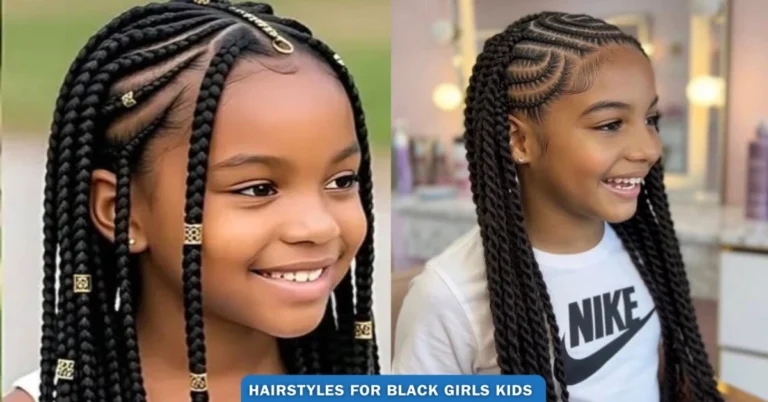
This is hair loss caused by repeated, sustained tension on the follicle from tight hairstyles: cornrows, locs, tight braids, pulled-back buns and ponytails, extensions, weaves, and rollers worn on a regular basis, as well as constant friction from tight hats or head coverings. It disproportionately affects people of African descent, in part because of follicle shape, along with anyone who regularly wears pulled-back styles for work or sport. Early warning signs include broken hairs concentrated around the hairline, a receding hairline specifically at the temples, small bald patches exactly where tension is concentrated, and scalp pain, stinging, or a visible “tenting” of the skin where hair is being pulled. The critical point, according to the AAD, is that traction alopecia is reversible if caught early, but it can become permanent if the pattern continues for a long time and the follicles scar over. If you wear extensions or protective styles regularly, our guide to hair extension types, pros, and cons explains which methods put less tension on the scalp. Practical prevention includes avoiding consistently tight styles, keeping braids looser and thicker, giving the scalp a break roughly every six to eight weeks, choosing sewn-in over glued extensions, using silk or satin coverings to reduce friction, and stopping immediately if a style causes pain.
What Actually Helps: Evidence-Based Treatments
Once you have a sense of what’s driving the thinning, here’s what’s genuinely supported by evidence, and what’s mostly hype.
Minoxidil
This is the best-evidenced over-the-counter treatment for pattern hair loss, available without a prescription as a 2% or 5% topical solution or foam, applied to a dry scalp once or twice daily depending on the product. The realistic timeline matters: it typically takes six to twelve months of consistent, continuous use before you can judge whether it’s working, and any gains are only maintained for as long as you keep using it. Side effects are usually limited to scalp irritation such as dryness or itching, though it can occasionally cause unwanted hair growth elsewhere if it spreads to skin off the scalp, so washing your hands and face after applying it is a good habit. It isn’t recommended during pregnancy or breastfeeding.
Prescription Options
Medications like spironolactone, finasteride, dutasteride, and flutamide are used for pattern hair loss under a doctor’s supervision and also take six to twelve months to show an effect. These require a prescription because they carry real considerations, including birth-defect risk for some options, which means reliable contraception matters for anyone who could become pregnant while using them. Benefits typically fade within three to four months of stopping, similar to minoxidil.
Treatments With Mixed or Early-Stage Evidence
Low-level laser devices are FDA-cleared for some models, but the AAD itself describes the supporting evidence as limited. Platelet-rich plasma (PRP) injections show promise in early research but aren’t yet established as a strongly evidenced, first-line option. Stem cell treatments remain experimental and shouldn’t be treated as a proven, available solution. Hair loss shampoos can genuinely improve how hair looks and feels, but they don’t regrow hair or address an underlying cause, so it’s worth being clear-eyed about what they can and can’t do.
Gentle Hair Care (Low Risk, Genuinely Useful)
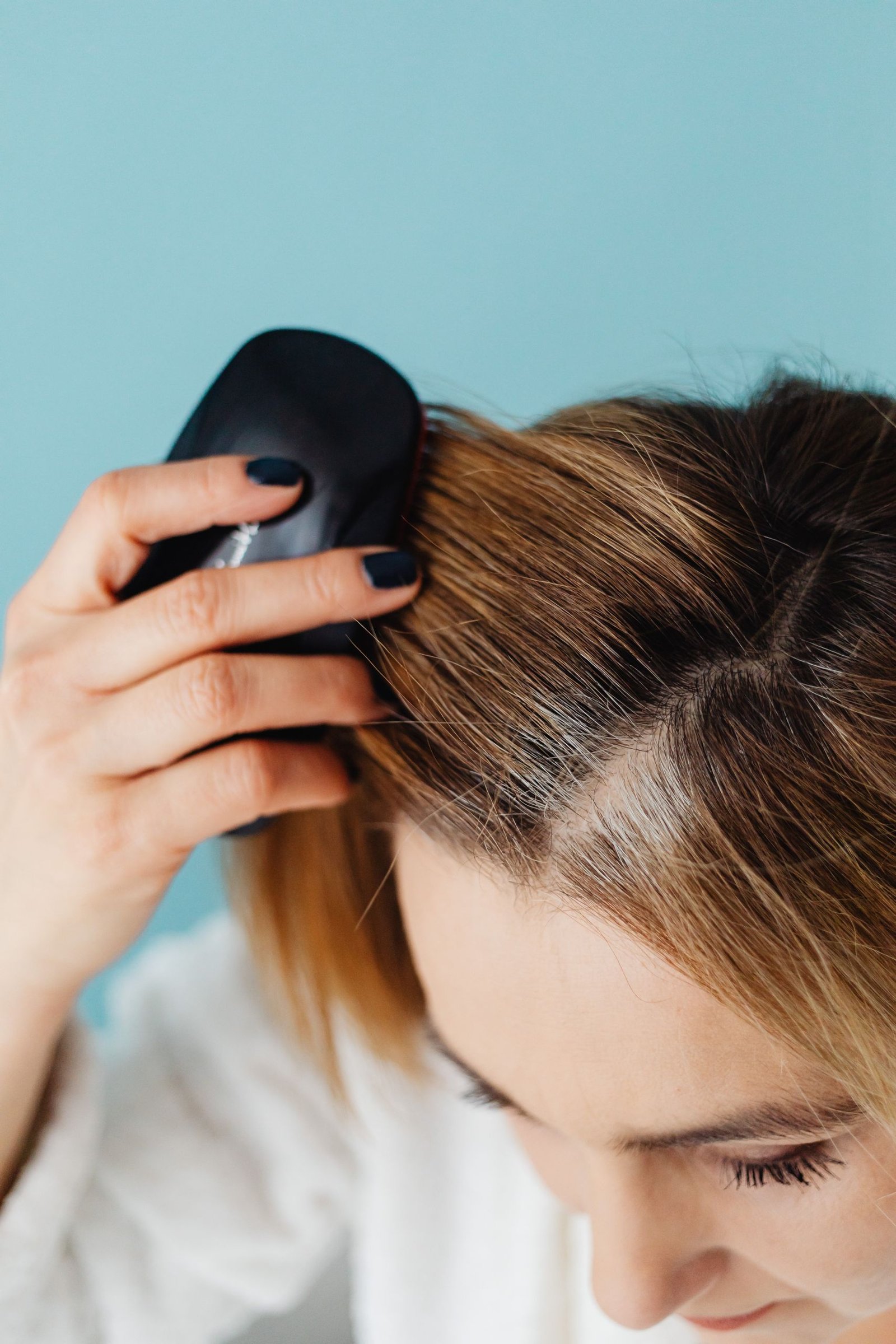
Regardless of the underlying cause, a few habits reduce further damage and buy your hair the best chance to recover: lower heat settings when styling, gentle handling when washing and combing (hair is more fragile wet, since water temporarily weakens its protein structure), a wide-tooth comb rather than a fine brush on wet hair, avoiding consistently tight hairstyles, spacing out chemical treatments, and silk or satin pillowcases or head coverings to reduce overnight friction. If your hair type needs specific guidance here, our guide to caring for 4A curl patterns covers gentle handling techniques that apply well beyond just curly hair.
Nutrition, Done Right
The evidence-backed move is testing for an actual iron or vitamin D deficiency through your doctor and correcting it if one is found, rather than assuming a general multivitamin or a trendy supplement will fix thinning that has a different underlying cause. If bloodwork comes back normal, supplementing further has little supporting evidence and, in the case of high-dose biotin, can actually interfere with other lab results.
Common Hair Loss Myths, Debunked
A lot of hair-care folklore actively distracts from what’s really happening. Here are the ones worth clearing up.
“Washing your hair too often causes hair loss.” Shampooing loosens hairs that are already in the shedding phase and were going to fall out regardless; it doesn’t kill healthy follicles. Harsh sulfate shampoos can contribute to breakage and dryness, which is a real but separate issue from hair loss itself.
“Wearing hats causes baldness.” Follicles get their nutrients from blood supply, not from air exposure, so a hat isn’t “suffocating” your hair. The exception is a hat or head covering worn tightly enough, and often enough, to contribute to traction alopecia through constant friction and tension, which is a mechanical issue rather than a breathability one.
“Brushing your hair 100 strokes a day keeps it healthy.” Hair, especially wet hair, is more prone to snapping because water temporarily weakens its internal protein structure. Aggressive brushing, wet or dry, causes shaft breakage rather than promoting growth. A wide-tooth comb used gently is a better habit than a high stroke count with a bristle brush.
“High testosterone causes hair loss.” This is a common misunderstanding. What matters is how sensitive an individual’s hair follicles are to DHT, a byproduct of testosterone, not someone’s absolute testosterone level. Two people can have similar hormone levels and very different amounts of hair loss because of this sensitivity difference.
“Only men experience hair loss.” Female pattern hair loss is genuinely common and becomes more prevalent after menopause, though it tends to show up differently, as a widening part and overall thinning rather than a receding hairline.
“Trimming your hair makes it grow faster or thicker.” Growth happens at the follicle beneath the scalp, completely unaffected by cutting the ends. Trims remove damaged, split ends so the hair that remains looks and feels healthier, but they don’t change your rate or thickness of growth, which averages around half an inch a month regardless of how often you trim.
“Plucking one gray hair makes more grow back in its place.” Each follicle produces one hair at a time, so plucking a single strand doesn’t multiply into several. That said, repeated plucking over time can cause enough inflammation to damage the follicle, so it isn’t entirely harmless either.
When to See a Dermatologist or Trichologist
Self-checks are useful, but certain signs are worth a professional opinion rather than continued monitoring at home. According to the AAD and Mayo Clinic, you should consider seeing a dermatologist if you notice sudden or patchy hair loss rather than gradual, even thinning, if handfuls of hair come out with gentle tugging, combing, or normal washing, if the amount of shedding is clearly more than what’s normal for you, or if your scalp shows redness, scaling, itching, burning, or pain, especially with tight styles. A receding hairline in women is worth addressing early, since Mayo Clinic notes that treatment started at the first sign of loss tends to work better than treatment started after significant thinning has already occurred. Hair loss that’s causing you real distress is also a legitimate reason to seek care on its own, regardless of how severe it looks from the outside. And if thinning shows up alongside other new symptoms, like unexplained weight changes, fatigue, or temperature sensitivity, or alongside heavy periods, it’s worth mentioning to a doctor since these can point to thyroid or iron-related causes that are very treatable once identified.
A dermatologist can go further than any self-check by taking a full history, examining the scalp directly, and ordering blood tests, such as ferritin or a thyroid panel, or a scalp biopsy when needed. They can also reliably tell whether you’re dealing with shedding, genuine loss, breakage, or some combination of these at once, which is genuinely difficult to sort out through self-assessment alone.
Frequently Asked Questions
How many hairs falling out a day is considered normal?
Losing 50 to 100 hairs a day is a normal part of the hair growth cycle, according to the American Academy of Dermatology. It only becomes a concern when shedding is clearly heavier than your personal normal, sustained over weeks, or accompanied by visible thinning, scalp changes, or hair coming out in clumps.
Can stress really cause hair thinning?
Yes, through a condition called telogen effluvium, where a significant physical or emotional stressor pushes an unusually large number of hairs into the shedding phase at once. It typically starts two to three months after the stressful event, which is why the connection often isn’t obvious, and it usually resolves on its own within three to six months once the underlying stressor eases.
Does biotin actually help with hair thinning?
The evidence is weaker than its popularity suggests. A review of the available research found the best-designed trial showed no meaningful difference between biotin and a placebo, and true biotin deficiency is rare in people eating a normal, varied diet. It may help in cases of a confirmed deficiency, but taking it without one has little supporting evidence, and high doses can interfere with certain thyroid and cardiac lab tests.
Is thinning from tight hairstyles permanent?
Not if it’s caught early. Traction alopecia caused by consistently tight braids, ponytails, extensions, or head coverings is reversible in its early stages once the tension is removed. If the pattern continues for a long time, though, the follicles can scar and the hair loss can become permanent, which is why early warning signs like scalp pain or a receding hairline at the temples deserve prompt attention.
Should I see a dermatologist before trying minoxidil?
It’s a reasonable first step to see a doctor, especially since minoxidil takes six to twelve months to show results and isn’t the right treatment for every cause of thinning. Seeing a dermatologist first also means you can find out whether an underlying cause, such as a thyroid issue or iron deficiency, needs to be addressed alongside or instead of minoxidil, which saves time compared to guessing.