10 Braided Hairstyles for Kids (Plus a Guide to Safe Braid Tension)
Braids solve a real problem for kids’ hair: they keep hair out of the face during a full school day or a long car ride, they hold up far better than a plain ponytail through recess and sports, and they genuinely look more finished for photos and special occasions. The tricky part is picking a style that matches your child’s hair length, texture, and patience level — and doing it loosely enough that it doesn’t cause tension damage over repeated wear.
This guide covers 10 braided styles worth learning, from quick everyday options to more elaborate looks worth saving for special occasions, plus the safety guidance on braid tension that most style round-ups skip entirely.
In This Guide
- 10 braided hairstyles for kids, from quick to special-occasion
- Which styles suit which hair length and texture
- Why braid tension matters, and the warning signs to watch for
- Common mistakes and the questions parents ask most
10 Braided Hairstyles for Kids
1. Half-Up Braid
The top section of hair is braided (or simply gathered) and secured, while the rest is left down — keeping hair out of the eyes without committing to a full updo. It’s one of the fastest options here and works on almost any hair length past the chin.
2. Braided Crown
A single braid worked around the head like a crown, with the end tucked and pinned at the back rather than left hanging. It needs mid-length to long hair to circle the head fully, and the braid should stay loose enough to shift slightly without pulling at the scalp.
3. Double Dutch Braid With a Fishtail Finish
Two Dutch braids (where sections cross underneath rather than over) are worked partway down, then finished as fishtail braids for extra texture. This is one of the more time-intensive styles on this list, better suited to a calm afternoon than a rushed school morning.
4. Waterfall Braid
Strands are braided across the head while some hair is deliberately let out at each pass, creating a “waterfall” effect of loose pieces framing the face. It works best on longer, straight to slightly wavy hair — very curly or coily textures tend to lose the waterfall effect since the released strands blend back into the braid rather than falling loose.
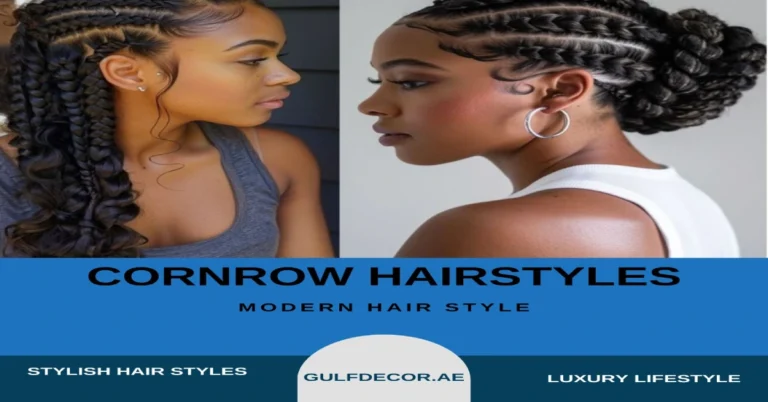
5. Colored Cornrows
Cornrows braided close to the scalp, using temporary hair color, colored extensions, or clip-in strands rather than permanent dye, for kids who want to experiment with color without a lasting commitment. This is a durable, longer-wearing protective style rather than a single-day look.
6. Braided Crown With Flowers
Two Dutch pigtail braids are crossed at the nape, pinned to hide the ends, and finished with small flower clips or fabric rosettes. It reads as more dressed-up than a plain braided crown, making it a solid choice for parties, recitals, or family photos.
7. Braid-Wrapped Bun
A small accent braid runs from one side of the head toward a bun positioned on the other side, then wraps around the base of the bun once it’s secured. It combines two kid-friendly styles into one and holds up well through an active day.
8. Zigzag Braided Updo
Hair is divided into sections and braided upward from the nape rather than downward from the crown, using small elastics at intervals to build a textured, zigzag pattern. It looks more intricate than it actually is to execute, which makes it a good option for a parent still building braiding confidence.
9. Heart-Shaped Braid
Two curved braids are shaped to meet at the bottom in a heart outline, usually finished with a curled or braided ponytail underneath. It’s a fun, occasion-specific style — Valentine’s Day, a birthday, a themed school event — rather than a everyday option given the extra shaping time it takes.
10. Loose Floral Crown Braid
A single, deliberately loose crown braid started from a side part, with new sections pulled in low along the hairline rather than pulled tight. The relaxed tension makes this one of the gentler options on this list for a child’s scalp, and it pairs well with small flower or fabric accents for a special-occasion finish.
Which Style Fits Your Child’s Hair?
- Shorter hair (chin to shoulder length): half-up braids and simple accent braids work best; full crown braids and waterfall styles generally need more length to look intentional.
- Straight to wavy hair: waterfall braids and fishtail finishes show their texture most clearly on this hair type.
- Curly or coily hair: cornrows, Dutch braids, and braided crowns tend to hold shape and last longer than looser styles like the waterfall braid, which can lose definition on tighter curl patterns.
- An active, wiggly child: favor the faster styles (half-up braid, zigzag updo) over ones that need a long, still sitting time, like the double Dutch fishtail or heart braid.
Why Braid Tension Matters
Consistently tight braids, ponytails, or buns can lead to traction alopecia — hair loss caused by repeated pulling at the same points on the scalp, most often along the front hairline, sides, and back edges. In children specifically, this is generally reversible if caught early, and pediatric guidance consistently points to the same fix: switch to looser styles and reduce constant friction from tight hats or headbands rubbing the same area.
A braid that visibly pulls at the skin, causes redness, or makes a child complain of scalp pain or headache when it’s freshly done is too tight — it should be loosened or redone, not left in place to “get used to it.” Alternating between braided styles and looser options like a simple ponytail or hair left down also gives the scalp regular breaks from tension.
Common Mistakes to Avoid
- Braiding too tightly for a “neater” look. A slightly looser braid that lasts comfortably beats a tight one that causes pain or visible pulling at the hairline.
- Choosing an elaborate style for an active or impatient child. Save the more time-intensive looks (heart braid, double Dutch fishtail) for calmer moments rather than a rushed school morning.
- Skipping detangling before braiding. Braiding over knots and tangles pulls harder on the scalp than braiding smooth, pre-detangled sections.
- Wearing the same tight style every single day. Rotating styles and tension levels gives the scalp regular relief and reduces the risk of traction-related thinning over time.
- Ignoring complaints of pain. A child saying a braid hurts is a legitimate signal to loosen or redo it, not something to push through for the sake of finishing the style.
Frequently Asked Questions
How tight should a kid’s braid be?
Snug enough to hold its shape through the day but never so tight that it visibly pulls the scalp, causes redness, or makes the child uncomfortable when it’s first done — pain is a clear sign to loosen or redo it.
Can braids actually cause hair loss in kids?
Yes, if worn consistently tight over long periods — this is called traction alopecia, and it typically shows up as thinning along the hairline, temples, or wherever the most tension sits. Pediatric guidance indicates it’s usually reversible in children if caught early and addressed by switching to looser styles.
How long can a protective style like cornrows stay in?
This varies by style and how well the scalp and edges are maintained, but it’s generally worth taking a break between long-term protective styles rather than reinstalling immediately, to give the scalp and hairline a rest from any accumulated tension.
What’s the easiest braid style for a beginner parent to learn?
A simple half-up braid or a basic three-strand braid down the back are the most forgiving starting points — both are easy to learn, quick to redo if uneven, and don’t require advanced sectioning technique.
Do braids work on all hair textures?
Most braid styles work across textures, but some — like the waterfall braid — rely on straighter or looser wave patterns to show their signature loose-strand effect, while cornrows and Dutch braids tend to hold shape especially well on curly and coily hair.
Final Thoughts
The best braid for your child is less about which style looks most elaborate in photos and more about matching the technique to their hair, their patience that morning, and how much tension the style puts on their scalp. Start with the simpler options if you’re newer to braiding, save the more intricate looks for occasions worth the extra time, and always let comfort — not just neatness — decide how tight to pull.