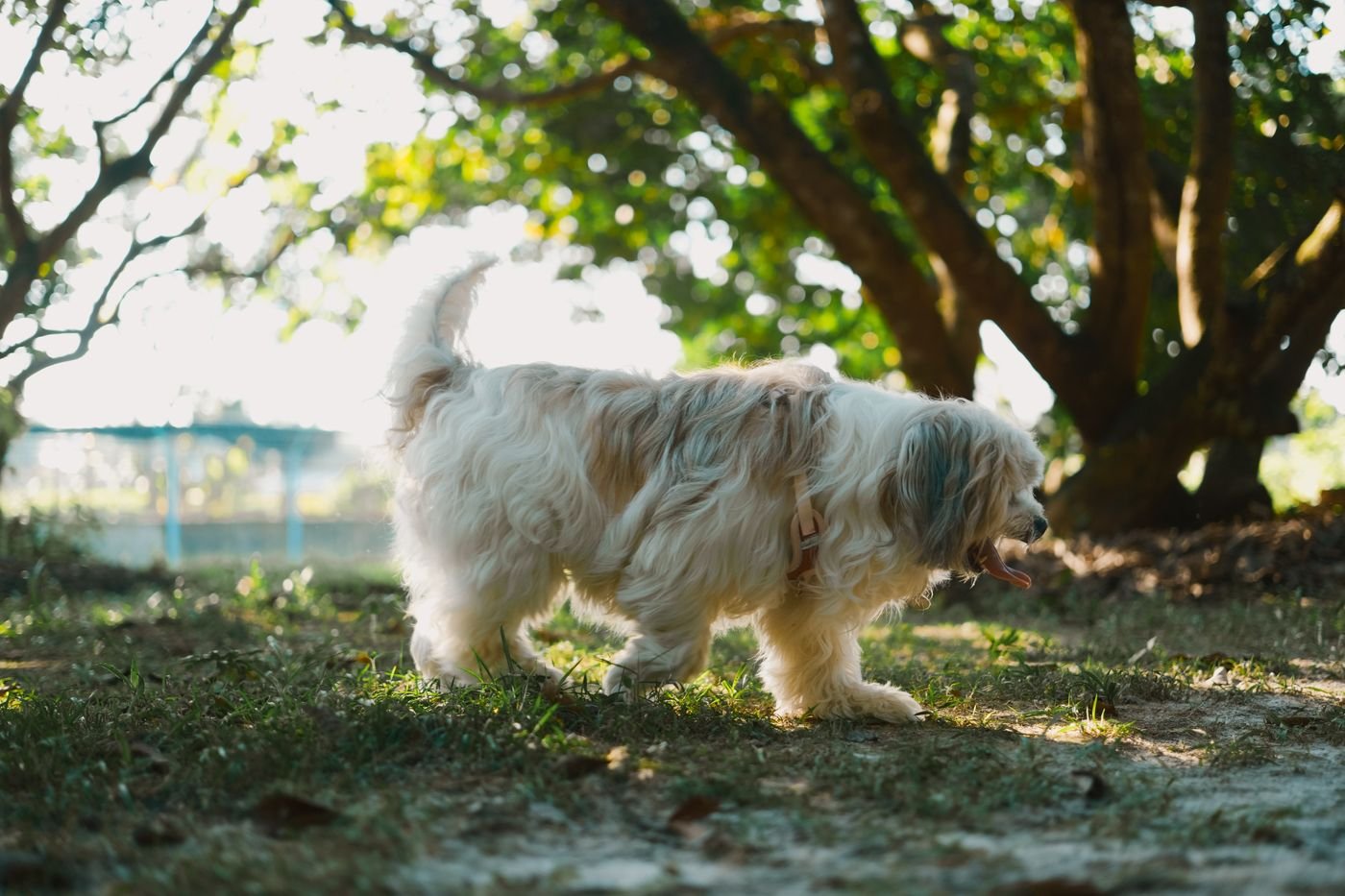
Havanese Haircuts: Teddy Bear Cut vs. Puppy Cut, Compared
A Havanese’s coat never stops growing, which means every owner eventually faces the same decision: keep the long, silky coat the breed is known for, or commit to a shorter cut that’s easier to maintain day to day. The two most requested short styles — the teddy bear cut and the puppy cut — look similar at first glance but differ in exactly the details that matter for upkeep, cost, and how often you’ll be back at the groomer.
This guide covers what each cut actually involves, a realistic maintenance schedule for both, and the Havanese-specific coat care that applies no matter which style you choose.
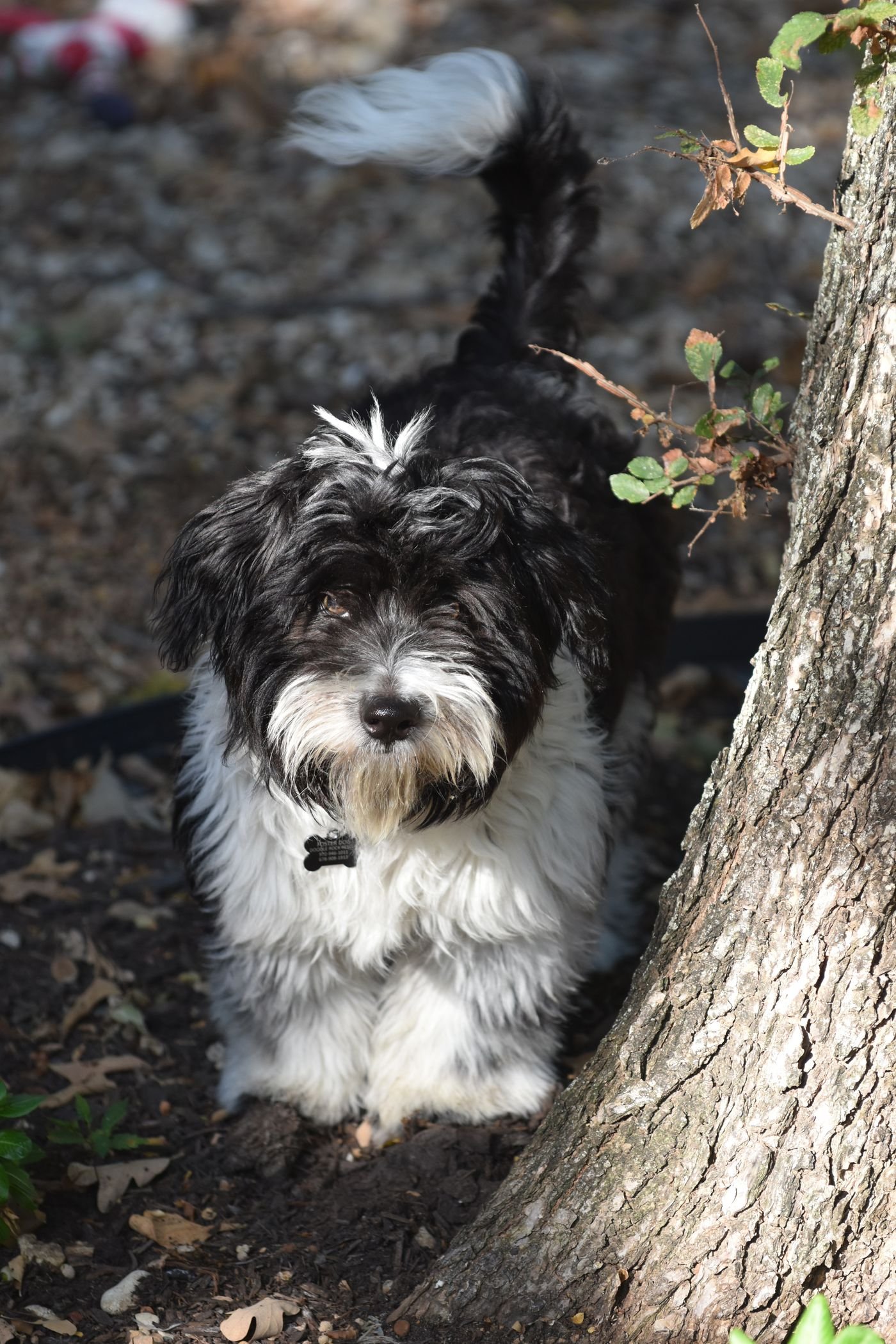
In This Guide
- What the teddy bear cut is and how it’s done
- What the puppy cut is and how it’s done
- A side-by-side comparison of maintenance, cost, and upkeep
- How to choose between them for your lifestyle
- General Havanese coat care that applies to any cut
- Common mistakes and the questions owners ask most
What Is the Teddy Bear Cut?
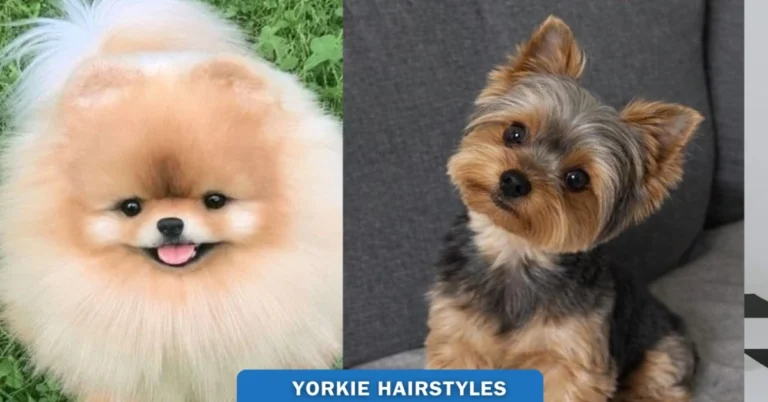
The teddy bear cut keeps the body at an even, plush length — typically somewhere between half an inch and two inches — while the head is hand-scissored into a rounded, stuffed-animal silhouette. The ears are blended into that round shape rather than left to hang naturally, and the muzzle stays full and plush instead of being trimmed close, which is what gives the style its signature look.
How it’s done: After a full brush-out, bath, and blow-dry (cutting matted or wet hair gives an uneven result and is harder on the dog), a groomer clips the body to a consistent length with clippers, then switches to scissors for the detailed, snip-by-snip shaping of the head, ears, and face. This head-shaping step is what takes the most skill and time, and it’s the main reason the teddy bear cut typically costs more and takes longer than a puppy cut.
Maintenance: Home brushing two to three times a week is necessary to prevent matting, since the plush, medium-length coat this style relies on is actually the length most prone to tangling — shorter or much longer coats both mat less easily. Professional touch-ups are typically needed every four to six weeks to keep the round head shape and even body length looking intentional rather than grown out.
What Is the Puppy Cut?
The puppy cut trims the coat to a short, uniform length — generally around an inch to two inches — across the entire body, including the head, without the detailed rounded shaping the teddy bear cut requires. The result looks close to how Havanese puppies naturally appear before their adult coat fully comes in, which is where the name comes from.
How it’s done: Similar preparation applies — a clean, fully brushed-out, dry coat gives the best result — but the actual clipping is more straightforward. A groomer runs clippers over the body and head at a consistent guard length, with only minor scissor detailing around the ears, paws, and face rather than the extensive hand-shaping the teddy bear cut needs.
Maintenance: Because the length is shorter and more uniform, the puppy cut is meaningfully lower-maintenance day to day — it holds its shape longer between grooming appointments and is less prone to matting than the teddy bear cut’s medium-plush length. It’s also the faster, and usually cheaper, of the two cuts to have done.
Teddy Bear Cut vs. Puppy Cut: Side by Side
| Teddy Bear Cut | Puppy Cut | |
|---|---|---|
| Coat length | Medium, plush (roughly 0.5–2 in) | Short, uniform (roughly 1–2 in) |
| Head shaping | Hand-scissored, rounded | Minimal shaping |
| Home brushing needed | 2–3 times per week | Less frequent |
| Professional touch-ups | Every 4–6 weeks | Can often stretch longer between visits |
| Matting risk | Higher (plush length mats fastest) | Lower |
| Groomer time and cost | Higher, due to detailed scissor work | Lower, faster to complete |
How to Choose Between Them
The decision usually comes down to how much time you realistically have for at-home brushing, not which style you like better in photos. If you can commit to brushing several times a week and don’t mind slightly more frequent groomer visits, the teddy bear cut’s fuller, softer look is very achievable. If your schedule makes consistent brushing unlikely, the puppy cut’s shorter, more forgiving length will look presentable for longer between both brushings and professional visits.
Climate is also worth factoring in, particularly in a hot, humid environment like the UAE — a shorter puppy cut keeps a Havanese noticeably cooler and reduces the discomfort and skin irritation risk that a longer, denser coat can create during peak summer heat.
General Havanese Coat Care (Any Cut)
Regardless of which cut you choose, a few habits apply to the breed overall:
- Brush before bathing, not after. Water can tighten existing tangles into harder mats, so working out knots on a dry coat first makes the whole process easier.
- Use a conditioning or detangling spray before brushing rather than brushing a completely dry coat, which reduces breakage and static.
- Bathe full-coated adults roughly every one to two weeks, and shorter-coated or puppy-cut dogs slightly less often, since a shorter coat holds less dirt and oil.
- Don’t wait until matting is severe to address it. Letting mats build up before a grooming appointment leads to a much more uncomfortable de-matting session, and in bad cases, a full shave-down is the only humane fix.
- Start grooming routines in puppyhood, even with minimal coat to work with, so the dog is comfortable with brushing, clippers, and handling by the time regular cuts are needed.
Common Mistakes to Avoid
- Cutting a wet or matted coat. Both produce an uneven result and are harder on the dog’s skin — always brush out and dry the coat fully first.
- Skipping brushes between grooming appointments. This is the single biggest reason a teddy bear cut looks unkempt within a couple of weeks rather than holding its shape closer to the full four-to-six-week interval.
- Choosing the teddy bear cut without a realistic brushing commitment. It’s a beautiful style, but it genuinely needs more upkeep than the puppy cut — better to choose the puppy cut than to let a teddy bear cut mat between visits.
- Using human shampoo or conditioner. Dog skin has a different pH than human skin, and human hair products can cause dryness or irritation.
- Attempting a full head-shaping trim at home without practice. The rounded teddy bear head shape specifically takes real scissor skill; a first attempt is far more forgiving with a simpler, more uniform puppy cut.
Frequently Asked Questions
Which cut is better for a first-time Havanese owner?
The puppy cut is generally the more forgiving choice for a first-time owner, since it requires less frequent brushing and is more tolerant of an inconsistent grooming schedule while you’re still building a routine.
Can I do a teddy bear cut at home?
It’s possible with practice, but the rounded head shaping specifically is difficult to get right without grooming experience — many owners handle body clipping at home between visits but leave the head detailing to a professional groomer.
How often does a Havanese actually need a haircut?
Roughly every four to six weeks for a teddy bear cut to maintain its shape, and often somewhat longer for a puppy cut, though this varies based on how quickly your individual dog’s coat grows and how consistently you brush between visits.
Do Havanese shed with these cuts?
Havanese are a low-shedding breed regardless of cut, since their coat grows continuously rather than cycling through a shed like many other breeds — this is also why regular trimming and brushing are necessary rather than optional.
Is one cut healthier for the dog than the other?
Neither cut is inherently unhealthier, but a shorter puppy cut is generally easier to keep mat-free and can be more comfortable in hot climates, while a longer teddy bear cut needs more diligent brushing to avoid the skin irritation that comes with matting.
Final Thoughts
Both cuts suit the breed well — the real deciding factor is how much brushing and how frequent a grooming schedule you can realistically commit to, not which style photographs better. If you’re unsure, many groomers will start with a puppy cut for a new Havanese and let you decide whether to grow it out toward a fuller teddy bear look once you know how manageable the coat is for your routine.