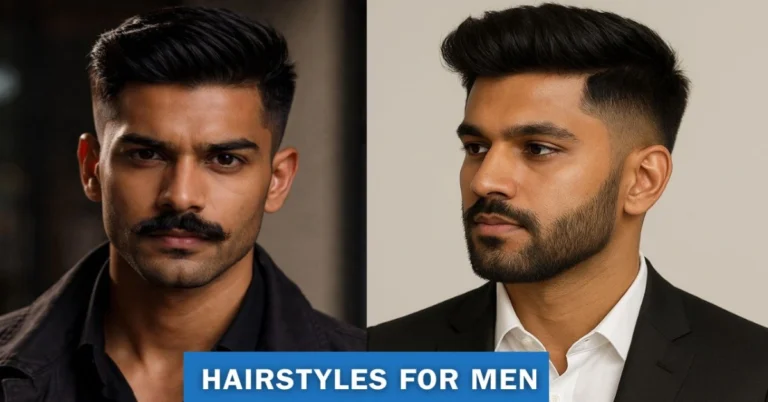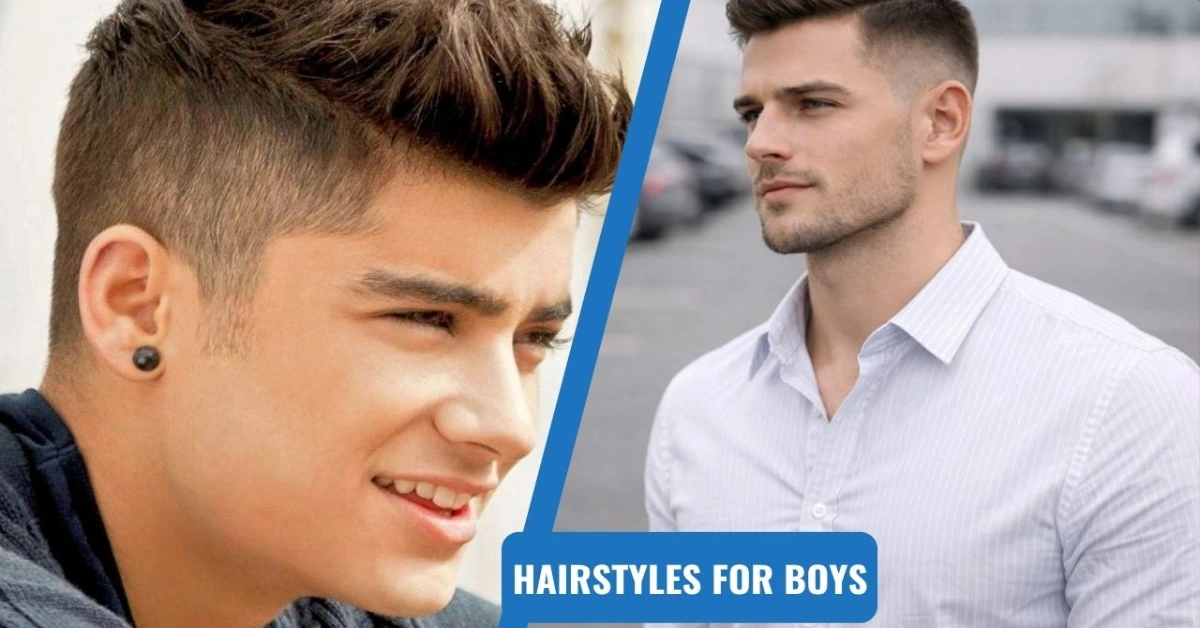
Top 10 Best Hairstyle for boys
Quick answer: The best haircut for a boy isn’t the trendiest one — it’s the one that survives school rules, needs little or no daily styling, and matches how much a young child will actually sit still for. Below are ten practical, age-appropriate options grouped by how much upkeep they take, plus what to tell the barber.
Lowest-Maintenance Options (Best for Younger Kids)
1. Crew Cut
Short, even length on top with short sides. No product needed, dries in minutes, and grows out evenly, which means fewer urgent trims between appointments. A reliable first-real-haircut choice.
2. Buzz Cut
One uniform clipper length across the head. The single easiest cut for a squirmy or first-time haircut, since it’s fast in the chair and needs zero care at home beyond regular washing.
3. Classic Side Part
A neat, comb-defined part with short sides. Reads as tidy for school photos and formal occasions without needing any product for everyday wear — a light comb-through after a shower is usually enough.
Slightly More Styling, Good for School-Age Kids
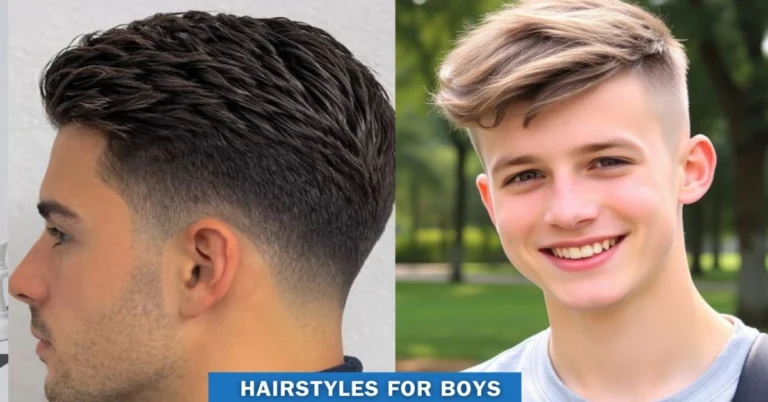
4. Textured Crop
Short, choppy layers on top with tapered or faded sides. Works well with a child’s natural texture (especially wavy or curly hair) and needs only a small amount of light gel or cream, if any.
5. Short Quiff
A small amount of height at the front, styled up and slightly back, with shorter sides. Needs a light-hold product to hold shape through a school day, making it a better fit for tweens who can manage their own hair than for younger children.
6. Spiky Top
Short, textured spikes styled with a small amount of gel or wax. A popular choice for boys old enough to want some personal styling input, though it does need a few minutes of at-home effort each morning.
Curl- and Texture-Friendly Options
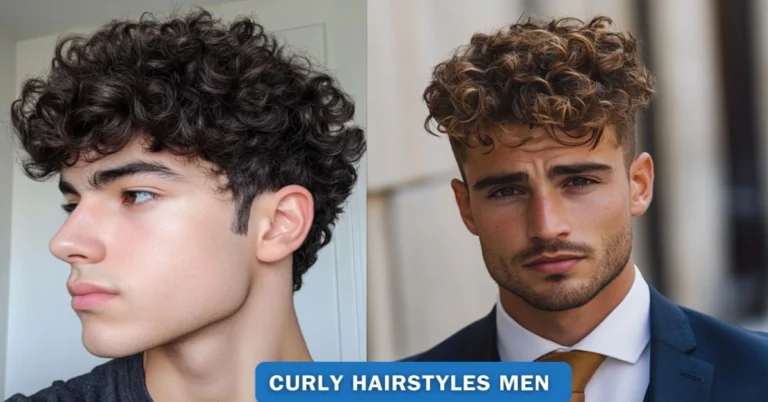
7. Curly Crop
Short sides with natural curls left slightly longer on top and shaped rather than flattened. Works with a child’s natural curl pattern instead of requiring daily straightening, which matters most for busy school mornings.
8. Afro Taper
Natural coil texture shaped and tapered at the sides. Lower upkeep than a full afro while still keeping the natural texture visible and easy to maintain between trims.
For Older Boys and Tweens Who Want More Style
9. Comb-Over With Undercut
Short, faded sides with slightly longer hair on top brushed to one side. A step up in styling effort from the options above, and one that older kids can usually manage themselves with a comb and a small amount of product.
10. Textured Fringe
A short, textured section of hair left slightly longer at the front, with tapered sides. A low-effort way to add some personal style without the daily maintenance of a full quiff or pompadour.
What to Actually Tell the Barber
For young children especially, specifics matter more than a style name: mention the exact length in inches or a clipper guard number you’re comfortable with, note any texture (curly, wavy, thick) the barber should account for, and flag if your child has sensory sensitivities around clippers, water, or capes so the barber can adjust their approach. For a first haircut, a shorter appointment slot and a barber experienced with children generally goes more smoothly than a standard adult booking.
Frequently Asked Questions
How often do kids actually need a haircut?
Roughly every four to six weeks for shorter styles like a crew cut or buzz cut, since children’s hair often grows faster than adults’ and shorter cuts show growth more visibly. Longer styles can stretch to six to eight weeks between trims.
What’s the easiest haircut for a first-time or squirmy haircut appointment?
The buzz cut, by a wide margin — it’s the fastest in the chair and requires the least precision, which matters when a child is having trouble sitting still.
Do any of these styles need daily product for young children?
The crew cut, buzz cut, and classic side part need none. Save product-dependent styles (quiff, spiky top, comb-over) for kids old enough to either style it themselves or reliably sit through a parent doing it each morning.
Are there school rules to check before choosing a style?
Many schools have policies on hair length (not touching the collar, for example) or restrict very short designs like shaved patterns. It’s worth checking your school’s specific dress code before committing to a bolder style.
Editorial note: Age suitability and maintenance guidance above reflect general parenting and barbering practice as of 2026 and should be weighed against your own child’s temperament, hair type, and school policy.