Top 13 Modern Hairstyles for Gray Hair You Will Love
Quick answer: Gray hair isn’t just a color change — it’s a texture change. Reduced melanin leaves the strand less protected from UV and environmental stress, oil production slows with age, and the keratin structure itself becomes less dense, which is why gray hair genuinely feels coarser, drier, and wirier than it used to. The styles below work with that reality (more moisture, gentler handling) rather than fighting it with heat and harsh product.
Why Gray Hair Behaves Differently
Three real, physical changes drive this: less melanin means less natural protection from sun and pollution; slower sebum (natural oil) production means strands dry out faster; and the keratin protein structure itself becomes less dense, which is what actually makes the strand feel coarser and more resistant. Practically, this means gray hair usually needs more moisture, gentler heat styling, and more frequent deep conditioning than the same person’s hair needed at a younger age.
Low-Maintenance, Everyday Styles
1. Sleek Straight Blowout
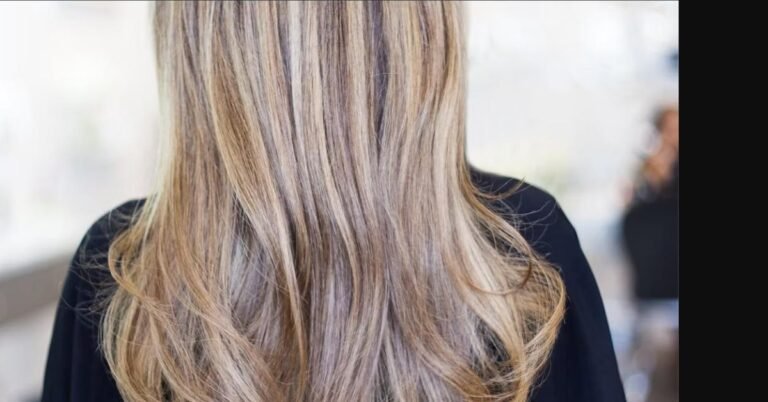
A smoothing serum applied to damp hair before a low-heat blowout gives a polished, professional look. Keeping heat on the lower settings matters more here than with pigmented hair, since gray strands are already more vulnerable to heat damage.
2. Natural Texture, Embraced
Letting natural wave or curl show rather than fighting it with a flat iron reduces the total heat exposure gray hair gets, which helps preserve what natural shine remains. A lightweight leave-in conditioner is worth using daily here.
3. Classic Bun
A simple twist-and-pin bun that keeps hair off the neck and needs minimal daily styling. Works for both a casual day and a more polished evening look depending on how tightly it’s pinned.
Shorter Cuts That Highlight the Color
4. Pixie Cut
A short, layered cut that gives gray hair genuine volume without demanding much daily styling. Works especially well once texture has coarsened, since the added grip actually helps the cut hold shape.
5. Shoulder-Length Bob
A versatile, low-effort length that suits professional settings and can be worn sleek or with natural texture depending on the day. One of the easiest lengths to maintain between salon visits.
6. Textured Crop With Volume
Layered shorter styling with lift added at the crown (a teasing comb and a light volumizing spray, used sparingly to avoid drying already-dry hair further) for a fuller look without heavy product buildup.
Updos and Special-Occasion Styles
7. Braided Crown
A braid wrapped across the top of the head — a flattering, low-effort way to dress up an everyday look for an event without much extra time.
8. Twisted Updo
Sections twisted and pinned into a low, gathered style, well suited to evening occasions. Because gray hair is already drier, avoid over-tight pinning that adds unnecessary tension to more fragile strands.
9. Half-Up With a Clip
A simple half-up style secured with a decorative clip, letting color and texture show at the crown while keeping hair off the face. A quick everyday option that also works dressed up.
10. Natural Roots, Grown Out
Simply letting the gray grow through without color, worn straight or with natural texture. This is the lowest-maintenance option of all, since there’s no touch-up schedule to manage — just consistent moisture care for the hair itself.
The Product Question: Does Purple Shampoo Actually Matter?
Yes, for a specific reason: gray and white hair can pick up a yellow cast over time from minerals in water, UV exposure, and some styling products. Purple is directly opposite yellow on the color wheel, so a purple-tinted shampoo used occasionally neutralizes that yellow tone rather than just “brightening” in a vague sense. Overusing it can leave hair looking dull or slightly violet-tinted, so once every one to two weeks is usually enough rather than every wash.
Frequently Asked Questions
Why does my gray hair feel so much drier than it used to?
Sebum (natural oil) production slows with age, and gray strands themselves have lost the protective effect melanin once provided, so they dry out faster and show more visible damage from heat and sun than pigmented hair did at the same age.
Do I need different products for gray hair specifically?
A richer, more moisturizing shampoo and conditioner (and an occasional deep-conditioning mask) address the increased dryness. A purple or blue-toned shampoo used sparingly addresses yellowing specifically, not general dryness.
Should I avoid heat styling gray hair altogether?
Not necessarily, but use lower heat settings and a heat protectant more consistently than you may have needed before — gray hair’s reduced natural protection makes it more vulnerable to heat damage.
How often should gray hair be trimmed?
Every six to eight weeks is a reasonable baseline, similar to other hair, though the coarser texture of gray hair can make split ends more visible sooner, which may argue for slightly more frequent trims for some people.
Editorial note: The texture and care science here reflects general hair biology as of 2026; individual results vary by how long hair has been gray, overall health, and prior chemical treatment history.