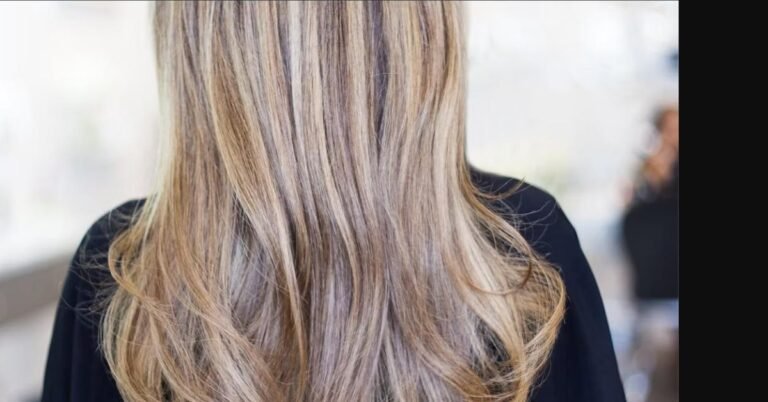
How to Choose the Best Hair Straightener for Your Hair Type
A hair straightener can smooth and polish hair in minutes, or it can quietly damage it over months of daily use, and the difference usually comes down to a handful of choices most people never think about: plate material, temperature, and how often the tool actually gets used. This guide walks through what genuinely affects the result and the health of your hair, from the metal in the plates to the heat setting that matches your specific hair type, along with the frizz-fighting considerations that matter if you are styling hair in a hot, humid climate like Dubai’s.
Why Plate Material Changes the Result
The plates are where all the actual work happens, and the material they are made from affects heat distribution, how gently the iron glides through hair, and how long the tool lasts, as explained in Karmin Hair Tools’ plate comparison guide.
Ceramic plates heat up quickly and distribute that heat evenly across the surface, which means fewer passes are needed to get a section smooth. They glide without pulling or tugging and hold up well under regular use, which is why ceramic sits in the middle of the market: strong performance at a moderate price, suited to thin through thick hair that is in normal to moderately damaged condition.
Titanium plates transfer heat even faster than ceramic and hold an even temperature across the whole plate surface under sustained high heat, which makes them a favorite for thick or coarse hair that needs more consistent heat to straighten in fewer passes. They are also notably scratch resistant and durable. The trade-off is a steeper price and a tool that rewards an experienced hand, since the fast heat transfer leaves less room for error on finer hair.
Tourmaline-infused ceramic plates generate infrared heat along with a large volume of negative ions when they contact hair, which helps break down water molecules faster and close the hair cuticle down, reducing frizz and adding shine in the process. This makes tourmaline plates a strong choice for hair that is prone to frizz or has some existing damage, though the technology adds to the cost. If your natural texture is curly or coily rather than something you plan to straighten daily, our guide to 4C hairstyles for natural hair covers styles that work with that texture instead of against it.
Matching Temperature to Your Hair Type
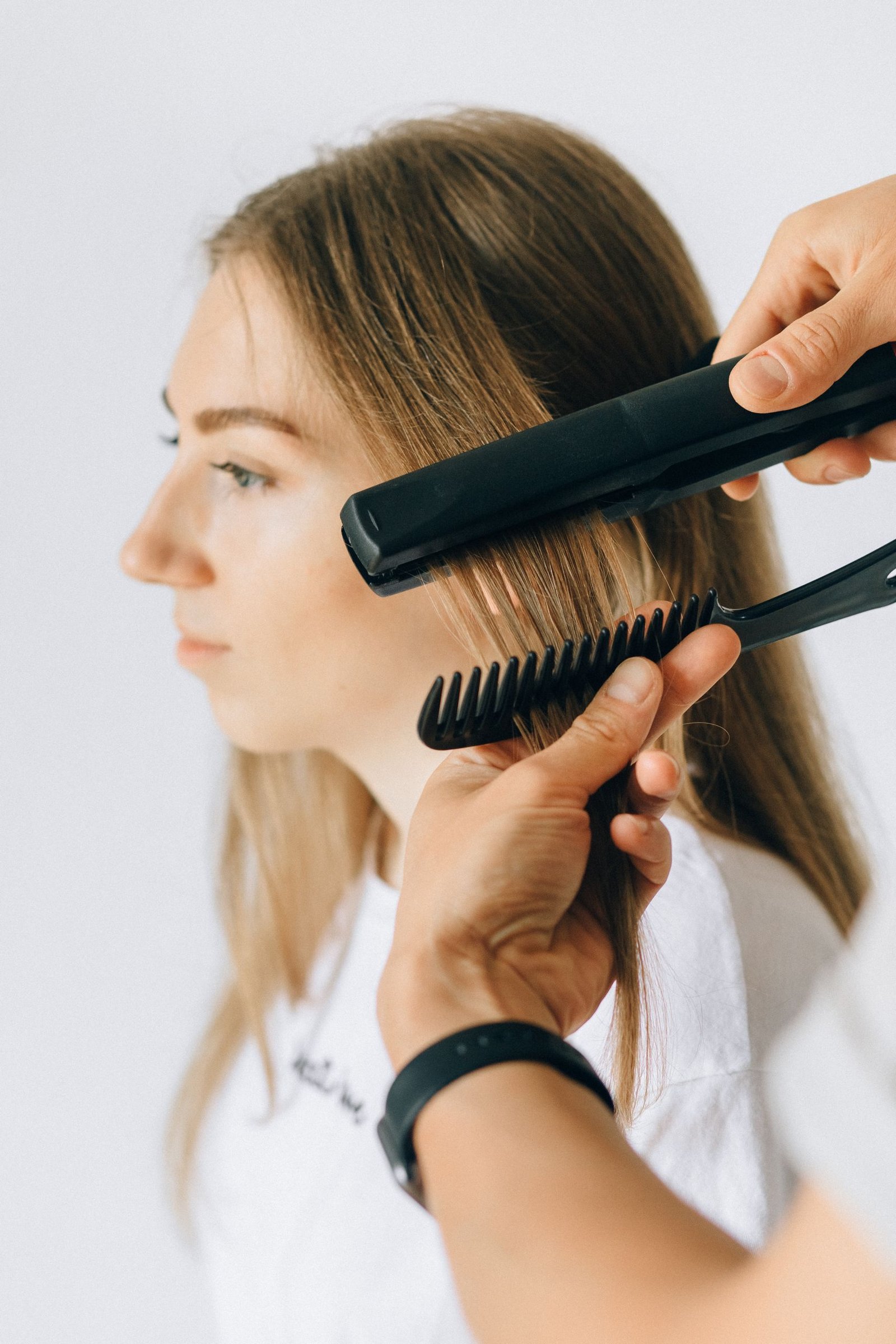
Using the same maximum heat setting on every hair type is one of the most common causes of avoidable heat damage. As a general guide from T3 Micro’s professional temperature guide, fine hair styles well between roughly 260 and 325 degrees Fahrenheit, medium-texture hair typically needs 350 to 370 degrees, and coarse or very thick hair often requires 390 to 410 degrees to straighten efficiently. Color-treated or chemically processed hair should generally run one to two settings cooler than these ranges, since coloring and other treatments already compromise the hair’s outer cuticle layer and make it more vulnerable to heat.
The American Academy of Dermatology reinforces the same principle from a skin and hair health standpoint: flat irons should be used only on completely dry hair, on a low or medium heat setting, no more than every other day. Using a flat iron on damp hair is a common mistake, since trapped moisture in the hair shaft turns to steam under the plates and causes bubbling damage along the hair strand that is very difficult to reverse.
Plate Width and Why Size Matters
Plate width should match both your hair length and thickness, not just personal preference. A narrower plate, around three-quarters of an inch to one inch, gives more control for short hair, bangs, and detail work near the roots or hairline, since it is easier to maneuver in tight sections. A wider plate, between one and a half and two inches, covers more hair per pass, which is genuinely useful for long or thick hair where narrower plates would mean dozens of extra passes and more cumulative heat exposure for the same result. For a shorter style that needs less straightening overall, see our roundup of short hairstyles or, if bangs are part of the look, our curtain bangs styling routine.
Floating Plates and Even Pressure
Many mid-range and premium straighteners now use floating plates, meaning the plates have a small amount of give and adjust slightly to the thickness of the hair section between them. This keeps pressure more even across a whole section instead of concentrating heat and pressure on the thickest part of it, which reduces the number of passes needed and lowers the risk of uneven results or localized heat damage. It is a feature worth checking for on any straightener above entry-level pricing.
Heat Protectant Is Not Optional
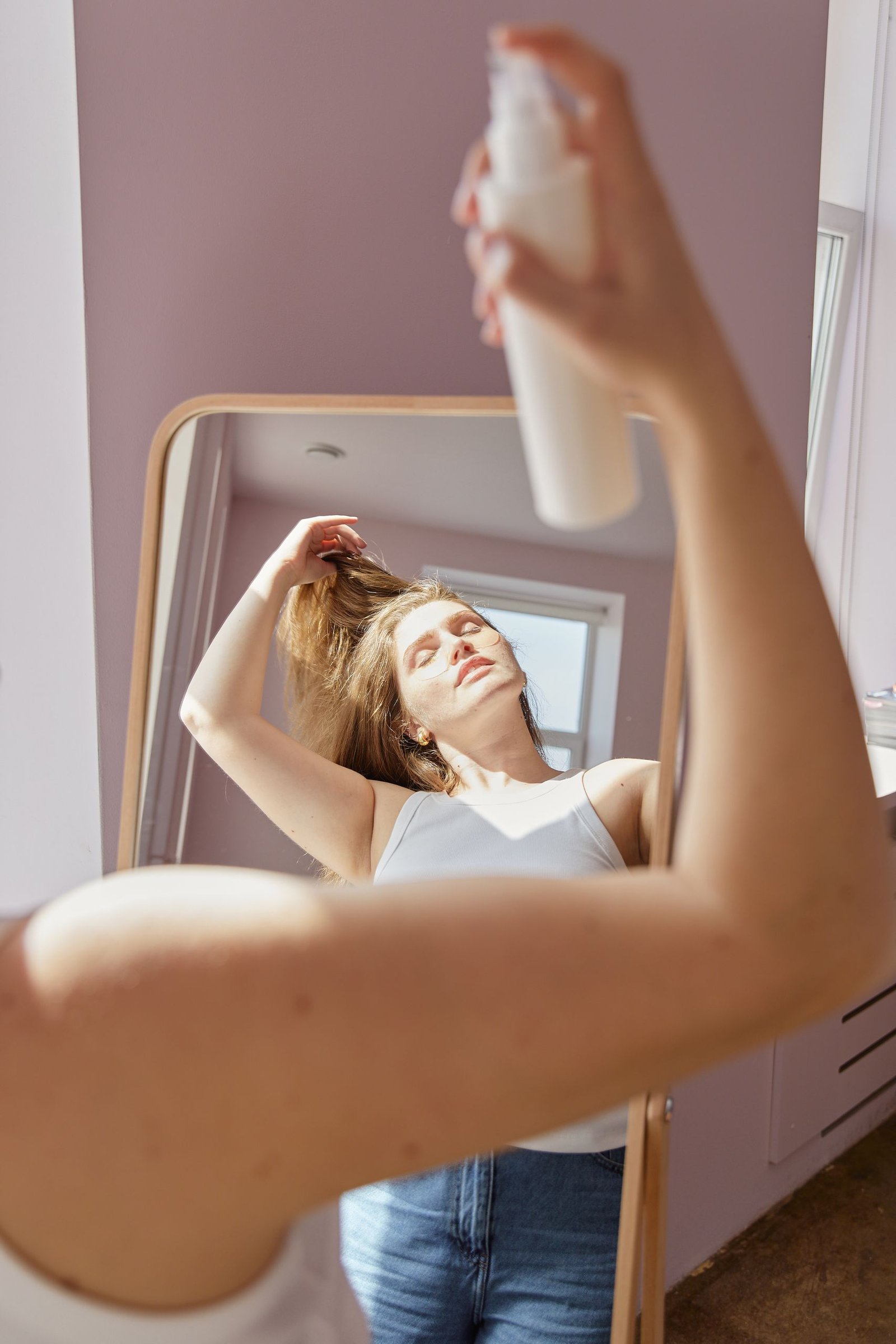
A heat protectant spray or serum applied before straightening creates a barrier that reduces direct heat transfer into the hair shaft and helps retain the hair’s natural moisture during styling. Skipping this step, even with a high-quality straightener, means the hair is taking on more direct thermal stress than it needs to, particularly at the medium-to-high end of the temperature ranges described above. Applying it evenly through damp hair before blow-drying, rather than on already-dry hair right before straightening, tends to distribute it more consistently through the strand.
How Often Is Too Often?
Heat damage is cumulative, which is why the American Academy of Dermatology’s every-other-day guidance matters more than most people assume. Daily straightening at even a moderate temperature adds up over weeks and months, gradually stripping moisture and weakening the hair’s protein structure until it becomes dry, brittle, and prone to split ends. Spacing out styling sessions, using lower heat when time allows, and letting hair air-dry partially before straightening are the most effective ways to reduce this cumulative effect without giving up the style altogether.
Styling in Dubai’s Heat and Humidity
Humidity is the single biggest obstacle to a straightened style holding up in the UAE. Moisture in the air re-enters the hair shaft after styling and causes the hydrogen bonds that hold a straight style in place to loosen, which is what produces frizz and reverts hair back toward its natural texture, sometimes within hours of leaving an air-conditioned space. A tourmaline or ceramic-tourmaline plate genuinely helps here, since the negative ions it generates counteract the positive ions in frizzy, humidity-affected hair and help the cuticle lie flatter for longer. Finishing with a lightweight anti-humidity serum or a light hold hairspray adds a further barrier against moisture re-entry, and keeping a travel-size heat protectant on hand is worth it for touch-ups later in the day. If you are buying a straightener from an overseas retailer rather than locally, it is also worth checking the voltage rating, since the UAE runs on 220 to 240 volts and some straighteners sold for the US market are built for 110 to 120 volts only.
Common Mistakes to Avoid
- Straightening damp or wet hair. This is the single most damaging habit, since trapped moisture turns to steam under the plates and can cause visible bubbling and breakage along the hair shaft.
- Using the highest heat setting regardless of hair type. Fine hair rarely needs more than the low end of the temperature range, and using unnecessary heat only adds risk without improving the result.
- Skipping heat protectant to save time. A few seconds of application meaningfully reduces cumulative thermal stress on the hair over weeks of regular use.
- Making too many passes over the same section. If a section is not straightening in two passes at the correct temperature, the issue is usually technique or plate quality rather than needing higher heat.
- Ignoring plate cleanliness. Product buildup on the plates reduces even heat transfer over time and can transfer residue back into freshly washed hair.
Frequently Asked Questions
Is ceramic or titanium better for a hair straightener?
Neither is universally better; ceramic suits thin to thick hair in normal to moderately damaged condition at a moderate price, while titanium is better suited to thick or coarse hair that needs faster, more consistent heat, typically at a higher price point.
What temperature should I use for fine or damaged hair?
Fine hair generally styles well between roughly 260 and 325 degrees Fahrenheit, and color-treated or chemically damaged hair should run one to two settings cooler than what your underlying hair texture would normally call for.
Can I use a hair straightener every day?
Dermatologists recommend no more than every other day on dry hair at a low or medium heat setting, since daily use at any heat level adds up to meaningful cumulative damage over time.
Why does my hair frizz up again a few hours after straightening in Dubai?
Humidity in the air re-enters the hair shaft and loosens the bonds that hold a straightened style in place. A tourmaline or ceramic-tourmaline iron combined with an anti-humidity serum or light-hold spray helps the style last longer in humid conditions.
Do I need floating plates on a straightener?
They are not essential, but they meaningfully improve how evenly pressure is applied across a section of hair, which reduces the number of passes needed and lowers the risk of uneven results, especially on hair with varying thickness.