12 Blonde Balayage Ideas for 2026 (By Skin Tone and Hair Type)
Balayage has been the most requested blonde technique at salons for the better part of a decade, and it hasn’t lost ground because it solves a real problem: it grows out without the harsh, two-toned line that traditional foil highlights leave at the root. If you’re trying to decide which version of blonde balayage actually suits your skin tone, hair type, and how often you’re realistically willing to sit in a salon chair, this guide walks through both — the shades worth considering and the maintenance reality behind each one.
What Balayage Actually Is (And Why It Grows Out Better)
Balayage is a French hand-painting technique — the word literally means “to sweep” — where a colorist brushes lightener directly onto sections of hair, freehand, rather than isolating strands in foil. Because the color is painted on with a soft, diffused edge rather than a hard line, regrowth blends into the base color instead of creating a visible stripe at the scalp.
That single difference is why balayage and foil highlights behave so differently over time, even when the end result looks similar in a single “after” photo.
| Factor | Balayage | Foil Highlights |
|---|---|---|
| Application | Hand-painted, freehand, no foil | Sectioned and isolated in foil, saturated root to tip |
| Regrowth line | Soft and gradual | Visible band at the root |
| Typical touch-up window | Every 10–16 weeks for full color; toner refresh every 6–8 weeks | Every 4–6 weeks |
| Average cost (US) | $70–$450+ | $20–$150 |
| Best for | Natural, sun-kissed dimension; growing hair out; fewer salon visits | Maximum, uniform lift; a bold structured look |
Neither technique is objectively better — highlights still win when someone wants an immediate, all-over lift with no dark base showing through. Balayage wins when the priority is a natural gradient and fewer trips to the salon. (Cost and timing benchmarks: StyleSeat.)
How to Choose a Blonde Balayage Shade for Your Skin Tone
The single biggest reason a balayage photo looks stunning on one person and slightly “off” on another usually isn’t the technique — it’s undertone mismatch. Warm blonde on cool undertones (or the reverse) tends to wash the face out rather than brighten it.
Two quick ways to check your undertone before you sit in the chair:
- Vein test: look at the veins on your inner wrist in natural light. Blue or purple veins usually mean a cool undertone; green veins usually mean warm; a mix of both often means neutral.
- Jewelry test: if gold jewelry looks more flattering against your skin than silver, you likely lean warm — and vice versa.
These are useful starting points, not a substitute for a colorist’s strand test, especially if your hair has previous color on it that could shift how a new shade reads.
| Undertone | Shades that flatter | Shades to approach carefully |
|---|---|---|
| Warm | Honey, caramel, butterscotch, golden blonde | Very ashy or platinum tones, which can look flat against warm skin |
| Cool | Beige blonde, ash blonde, platinum | Golden or honey shades, which can clash rather than complement |
| Neutral / Olive | Most shades work; sandy and dimensional bronde blends are especially forgiving | Extremely brassy, unglazed yellow tones |
12 Blonde Balayage Ideas Worth Bringing to Your Colorist
Bring a reference photo, but talk through the specifics below with your colorist rather than pointing and asking for an exact copy — your natural base color, hair porosity, and how much lightening your hair can safely take in one sitting all change how any of these translate onto your head.
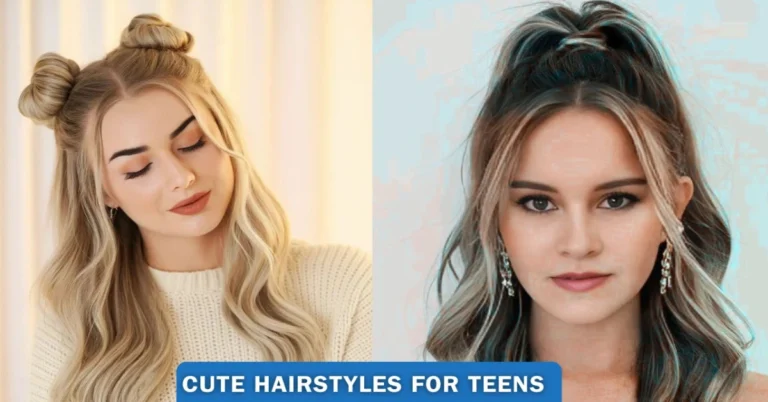
1. Beige Blonde Balayage
A cool-toned blonde with just enough warmth to avoid looking gray or ashy. Beige blonde is one of the most forgiving shades for regrowth because it sits close to many natural mid-blonde and light brown bases, so the transition line is barely visible even past the 12-week mark. Works best on cool and neutral undertones.
2. Honey and Caramel Balayage on Brunette Hair
Rather than going fully blonde, this keeps a brown base and paints in ribbons of honey and caramel through the mid-lengths and ends. It’s the lowest-commitment way to try blonde balayage, requires the least bleach (less damage risk), and suits warm undertones particularly well.
3. Platinum and Ash Balayage
The coolest, brightest end of the blonde spectrum. This shade needs the most lift from a colorist and the most color-safe purple shampoo maintenance at home, since platinum pulls brassy faster than any other blonde. Best reserved for cool undertones and hair that hasn’t been heavily color-treated already, since over-processed strands can struggle to hold pale, glassy tone.
4. Balayage Lob (Long Bob)
Balayage reads differently on shorter lengths — with less hair to diffuse the color into, colorists typically place lighter pieces closer to the face and through the ends to keep the gradient soft rather than blocky. A lob is one of the most requested lengths for this because the color movement is visible without needing extreme length.
5. Strawberry Blonde Balayage
A warm blend of blonde and soft copper. This is a harder shade to maintain because red-based tones fade fastest of any hair color family — expect more frequent gloss refreshes to keep it from turning pale and washed out between visits.
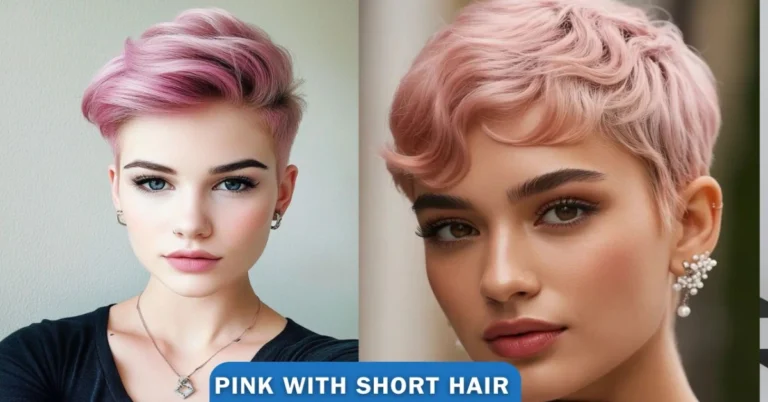
6. Beige Blonde on Short Hair
On short cuts, balayage is usually concentrated around the crown, part line, and face-framing pieces rather than painted through full lengths, since there’s less hair to work with. This keeps the look soft rather than stripy.
7. Icy Blonde with Cool-Toned Lowlights
Adding a few cool, slightly deeper lowlights back into an icy blonde base stops the color from reading flat or one-dimensional under bright light — genuinely useful advice if you live somewhere sun-heavy, since all-over pale blonde can otherwise look washed out rather than luminous.
8. Natural-Looking, Low-Contrast Balayage
Rather than maximizing contrast between base and highlight, this keeps the lightened pieces close in depth to the natural color — two to three shades lighter, not five or six. It’s the version that reads as “your hair, but sun-kissed” rather than an obvious color job, and it’s the easiest to grow out.
9. Dirty Blonde, Beachy Balayage
A deliberately muted, slightly dark-rooted blonde with a matte rather than glossy finish. This shade leans into a lived-in, undone texture and tends to be one of the lowest-maintenance options on this list because it’s designed to look slightly grown-out even right after a salon visit.
10. Balayage on Curly and Textured Hair
Balayage was originally developed with curl patterns in mind — the technique lets color follow the natural bend of the hair rather than cutting across it, so lightened pieces catch the light at the outer curve of each curl. It generally needs a slower, more conservative lightening process than on straight hair, since curly and coily strands are often more porous and prone to breakage. If you’re weighing shade options specifically for curls, our guide on choosing a hair color that works with curly hair goes deeper into undertone matching by curl type.
11. Sun-Kissed Bob with Ash Blonde Ends
A shorter, blunt cut with cooler, lighter ends and a deeper, warmer root. The contrast between the two is intentional — it’s a lower-maintenance way to wear a bolder blonde without needing full-head lightening.
12. Bronde (Blonde-Brown) Dimensional Balayage
A blended mix of blonde and brunette tones rather than a single shade — multiple placements of caramel, taupe, and soft blonde woven together. Colorists sometimes call a refined version of this “Teddy Bear Blonde” or a “Crème Brûlée” blend, both of which trended through 2026 for the same reason: dimensional, multi-tonal color hides regrowth even better than a single-shade balayage does. (Trend naming: Wella Professionals.)
Blonde Balayage in Dubai’s Climate: What Actually Changes
Balayage behaves differently once it leaves a temperate climate. Dubai’s combination of intense year-round UV, chlorinated pools, sea water, and notably hard, mineral-heavy tap water accelerates fading and brassiness faster than most balayage guides written for cooler, softer-water cities account for.
- UV exposure: Dubai’s sun strength doesn’t ease off seasonally the way it does in much of Europe or North America, so color fades faster year-round. A leave-in conditioner or spray with UV filters before sun exposure helps meaningfully.
- Hard tap water: mineral buildup from hard water deposits on porous, lightened hair and is one of the more common causes of unexpected brassiness that isn’t actually about the color fading — it’s minerals sitting on the hair shaft. A shower filter is a low-effort fix that colorists in the region frequently recommend.
- Pools and sea water: chlorine and salt both strip color and dry out already-porous lightened strands. Wetting hair with fresh water before swimming reduces how much pool or sea water the hair shaft absorbs.
- Toning frequency: because of the above, colorists in the UAE generally recommend a toner refresh every 6–8 weeks rather than stretching to the 10–16 week window that’s more typical for balayage in milder climates. (Chalk Salon, Dubai; Mimosa Beauty Lounge.)
As a rough local benchmark, Dubai salons price full balayage services by hair length — Mimosa Beauty Lounge, for example, lists rates from around AED 800 for short hair up to AED 1,450+ for extra-long hair, typically inclusive of toner and a bond-building treatment, with standalone toner refreshes starting from about AED 185. Pricing varies by salon and colorist experience level, so treat this as a general range rather than a fixed quote.
Maintenance Schedule and What It Actually Costs Over a Year
| Service | Typical frequency | Why it matters |
|---|---|---|
| Purple or blue shampoo | 1–2x weekly | Neutralizes brassy, yellow, or orange undertones between salon visits |
| Deep conditioning / bond treatment | Weekly | Lightened hair is more porous and loses moisture faster |
| Toner refresh | Every 6–8 weeks (Dubai climate); up to 10–16 weeks in milder climates | Keeps tone fresh without a full re-lightening service |
| Full balayage touch-up | Every 10–16 weeks | Extends lightened pieces as hair grows and refreshes overall dimension |
| Trim | Every 8–12 weeks | Lightened ends are more prone to splitting and breakage |
Frequently Asked Questions
How long does blonde balayage actually last before it needs a touch-up?
The color itself doesn’t “expire,” but most people schedule a full touch-up every 10–16 weeks and a toner refresh in between — more often in a high-UV, hard-water climate like Dubai’s. Because balayage blends into the regrowth rather than creating a hard line, you can often stretch appointments longer than with foil highlights without it looking obviously overdue.
Does balayage damage hair more than regular highlights?
Balayage typically involves less overall lightener saturation than full-head foils, since color is placed selectively rather than root-to-tip on every section — but any lightening process raises the hair cuticle and increases porosity. The damage risk comes down more to how much lift is needed (going from very dark to very light requires more processing) than to the technique itself. A bond-building treatment during the service and regular deep conditioning afterward meaningfully reduce breakage risk either way.
Can I get blonde balayage on dark or previously colored hair?
Yes, though dark or heavily color-treated hair often needs two sessions rather than one to reach a clean blonde without over-processing the hair in a single sitting. A colorist doing a proper consultation should tell you upfront if your hair needs a multi-session plan rather than promising a one-visit transformation that risks the hair’s integrity.
Is balayage really lower-maintenance than highlights?
In terms of salon visits, generally yes — balayage’s soft regrowth line means most people can go longer between full-color appointments. It isn’t lower-maintenance in terms of at-home care, though: lightened hair still needs purple shampoo, deep conditioning, and heat protection regardless of which technique put it there.
What should I ask my colorist before booking?
Ask to see their portfolio specifically for your natural base color and hair type, ask how many sessions they realistically expect for your goal shade, and ask what the toning and touch-up schedule will look like given your climate and water hardness — not just the shade name.
Getting the Result You Actually Want
The photo you bring to a consultation matters less than the details you can give your colorist about your own hair: your natural base, how much color history it already has, your undertone, and how often you’re realistically willing to come in for maintenance. Balayage is flexible enough to be dialed anywhere from a barely-there sun-kissed effect to a full platinum transformation — the shades above are starting points for that conversation, not a fixed menu.