10 Professional Hairstyles for Work That Hold Up All Day
A “professional” hairstyle isn’t really one look anymore. What reads as polished in a conservative law firm can look stiff in a creative agency, and what a tech office barely notices might raise eyebrows somewhere more traditional. What actually matters across every setting is the same handful of things: hair that stays controlled through a full workday, doesn’t need constant fixing between meetings, and looks deliberate rather than rushed.
This guide covers the styles that hold up best for a full workday, how to match one to your hair length and texture, and the quick options worth knowing for mornings when you’re short on time.
In This Guide
- What actually makes a hairstyle read as “professional”
- 10 work-appropriate hairstyles, by length and effort level
- Matching a style to your office’s formality level
- Quick styles for busy mornings
- Common mistakes and the questions asked most
What Makes a Hairstyle Read as Professional
It’s less about a specific style and more about a few consistent qualities: hair that isn’t falling into your face during a conversation or presentation, a finish that looks intentional rather than undone, and a style that holds its shape from a morning meeting through an evening one without a mid-day rescue. Loose strands, visible flyaways, and styles that clearly need re-fixing by 2 p.m. read as less put-together regardless of how the style was originally intended to look.
Formality also depends heavily on the workplace itself. Conservative environments like law, finance, and traditional corporate offices generally reward precision, gloss, and controlled movement — think sleek buns and defined blowouts. Creative industries and tech workplaces tend to have more room for texture, natural curl patterns, and visible braiding, provided the style still looks deliberate rather than unfinished.
10 Professional Hairstyles for Work
1. The Low Bun
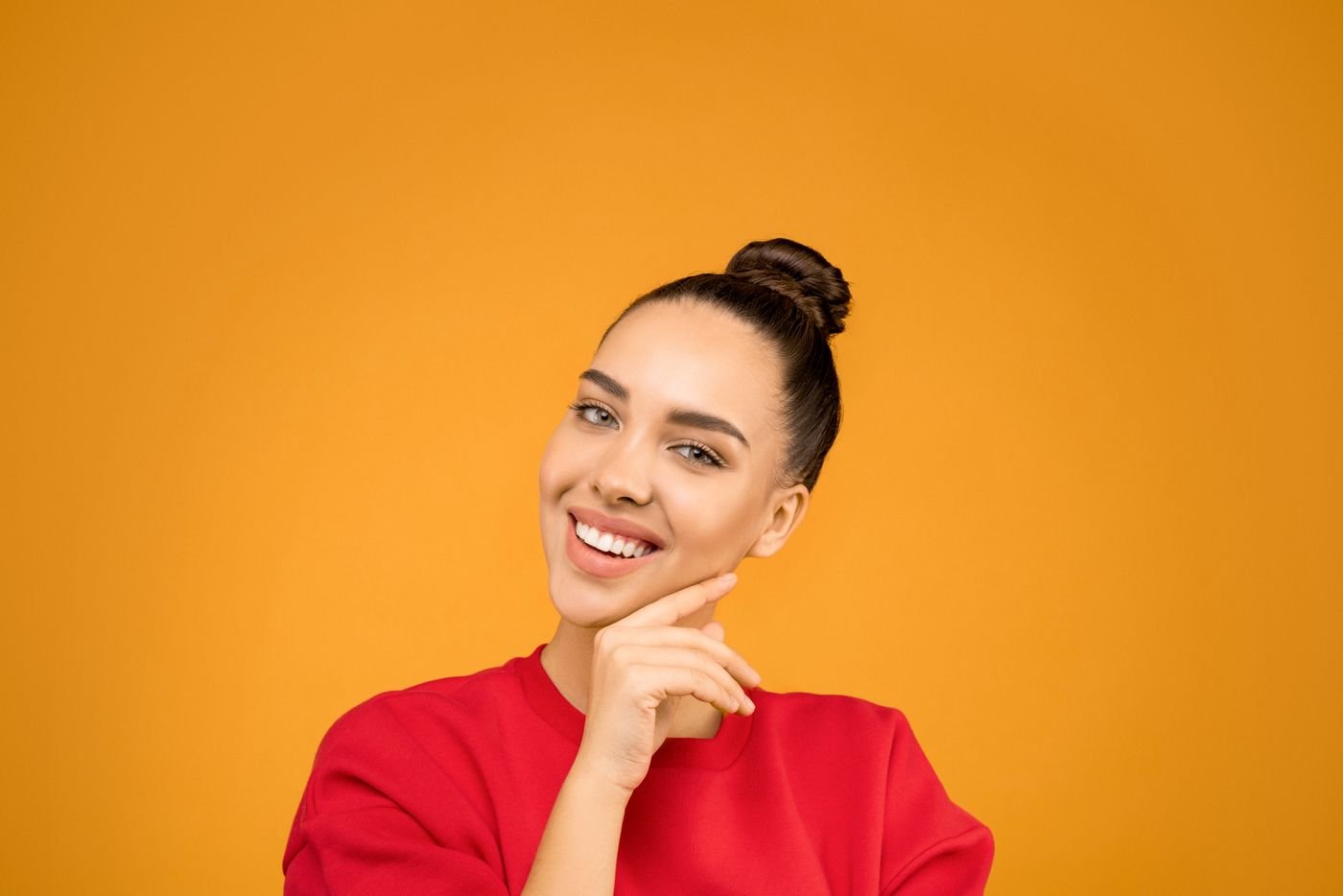
A smooth, low bun at the nape is close to the default “safe” professional style across nearly every industry. It keeps hair fully off the face and shoulders, holds all day without touch-ups, and works whether your hair is straight, wavy, or curly — textured hair generally holds a bun’s shape even better than freshly washed, slippery hair does.
2. The Sleek Ponytail
A high or mid-height ponytail, smoothed at the root with a light serum or gel and finished with a strand of hair wrapped around the elastic to hide it. It’s faster to execute than a bun and reads as polished rather than casual as long as the front section stays smooth rather than left loose and messy.
3. The Executive Bob
A precision-cut bob, generally chin-length or slightly longer, with clean, defined edges. This is a haircut rather than a daily style, which is exactly its appeal for anyone who wants a consistently professional look without daily styling effort — a good blowout or wash-and-go finish is usually enough to keep it looking sharp.
4. The Blowout (Medium to Long Hair)
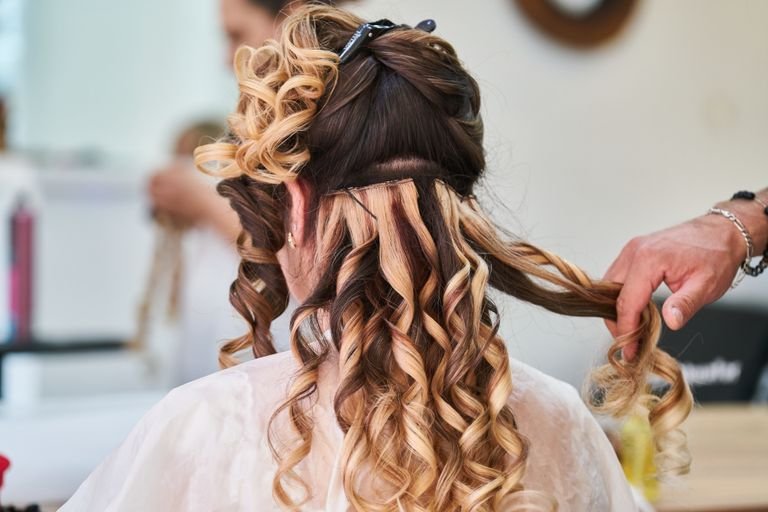
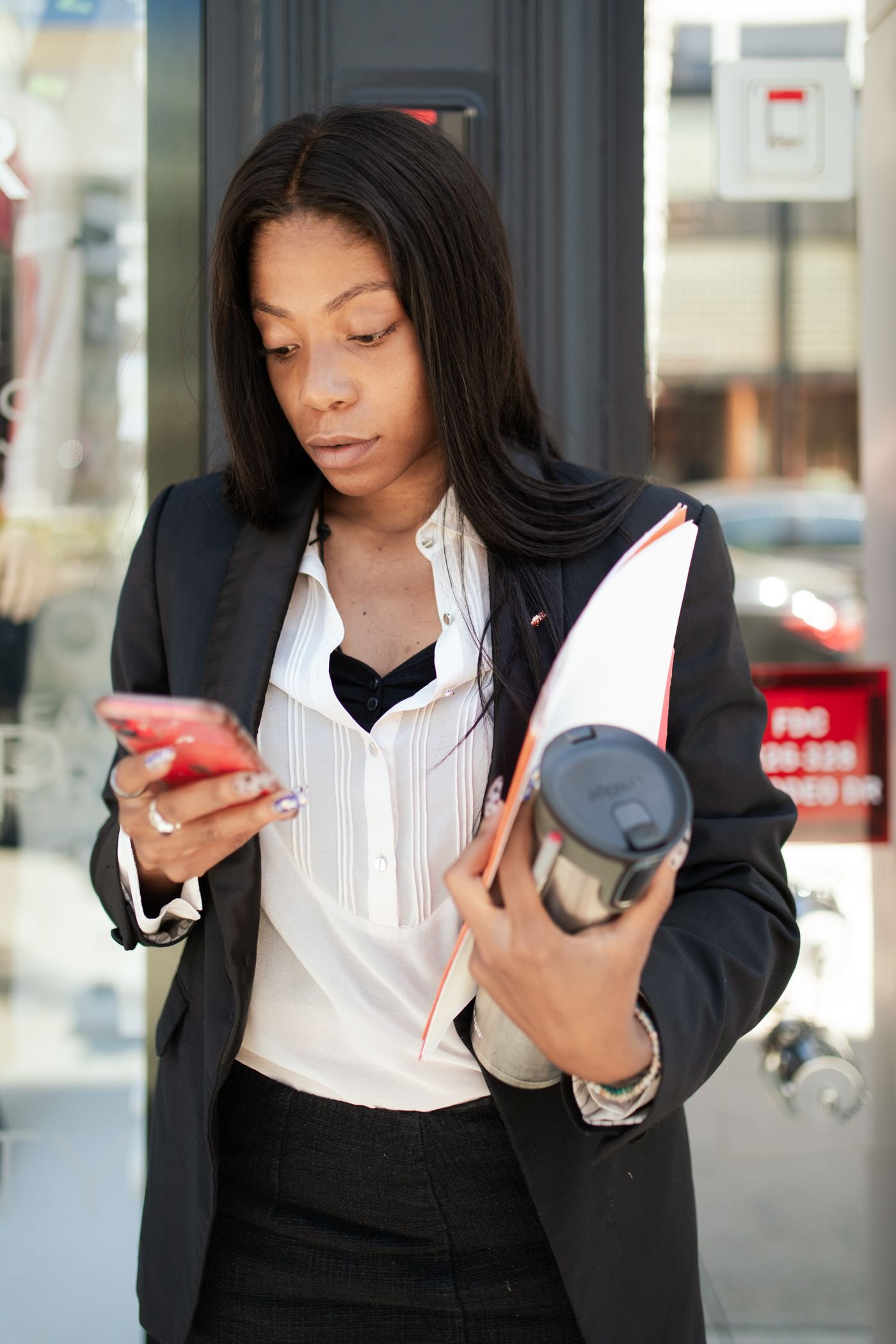
Hair blown out smooth and full, worn down with a defined part. It’s more effort than an updo but reads as polished and put-together, particularly for client-facing roles or workplaces where hair worn down is the norm rather than the exception. A smoothing serum applied before blow-drying extends how long the style holds its shape through a humid or long day.
5. The French Twist
A classic twisted updo that reads as one of the most formal options on this list — it’s frequently the go-to choice for boardroom presentations or client meetings where a bun might feel too casual. It takes more practice to execute cleanly than a bun or ponytail, but holds its shape exceptionally well once secured.
6. The Half-Up Style
The top section is pulled back and secured, usually with a simple clip or small elastic, while the rest is left down. It’s a middle-ground option: less severe than a full updo, but still keeps hair away from your face during the parts of the day that matter most, like presentations or video calls.
7. The Low Side Braid
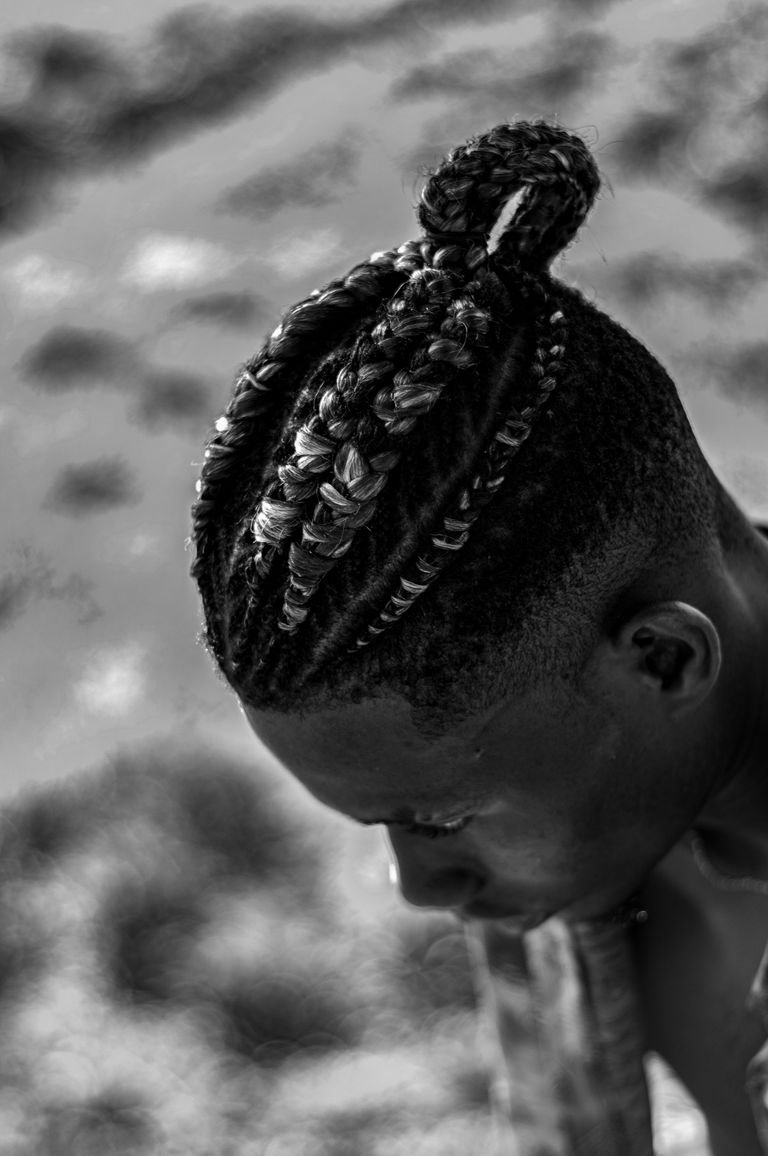
A single braid worked over one shoulder, either a classic three-strand or a French braid pulled back from the crown. It’s more textured and less rigid than a bun or twist, which suits creative or less formal offices well, while still keeping hair fully controlled for the day.
8. The Sleek Middle Part with Hair Down
A precise, straight middle part with hair otherwise worn down and smooth. This reads as modern and architectural rather than casual, and it’s become a common choice in tech and creative workplaces specifically because of that slightly more contemporary edge compared to a side-parted blowout.
9. The Curly or Coily Updo
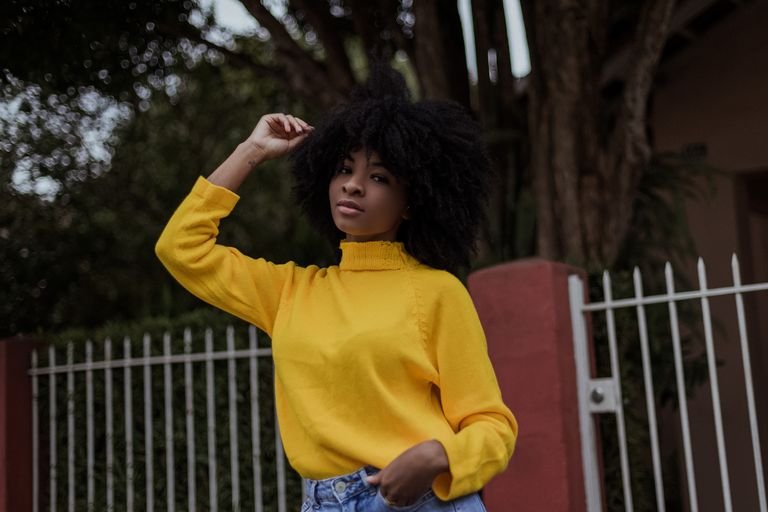
For natural curl and coil patterns, a defined puff, twist-out gathered into a bun, or pinned-back curls generally reads as more professional and lasts longer through the day than an attempt to smooth the texture flat, which tends to frizz and lose its polish by midday. Texture worn with intention — defined, controlled, not left to fall randomly — is what reads as put-together, not the texture itself.
10. The Claw Clip Updo
Hair gathered and secured with a claw clip rather than an elastic — it’s become one of the fastest ways to create a polished, semi-formal updo with almost no technique required. It works especially well as a fallback on days when a full bun or twist isn’t realistic time-wise.
Matching a Style to Your Office
Before settling on a go-to style, it’s worth being honest about where your specific workplace actually falls, since the “safest” choice varies:
- Conservative environments (law, finance, government, traditional corporate): lean toward the low bun, sleek ponytail, or French twist — styles with maximum control and minimal visible texture or movement.
- Standard corporate offices: most of the styles on this list work well, including a polished blowout or a clean half-up style.
- Creative agencies and tech workplaces: there’s generally more room for texture, natural curl patterns, and visible braiding, provided the finish still looks deliberate rather than unfinished.
When in doubt, especially in a new role or during an initial period at a new company, it’s reasonable to lean more conservative for the first few weeks and adjust once you have a clearer read on the office’s actual norms.
Quick Styles for Busy Mornings
A few of the styles above are genuinely fast once you’ve practiced them a handful of times: the sleek ponytail and the claw clip updo both take under two minutes for most hair lengths, while a low bun typically takes three to five minutes including smoothing flyaways. Keeping a small kit at your desk — a spare elastic, a claw clip, and a travel-size smoothing serum or dry shampoo — means a rushed morning doesn’t have to mean an unpolished day, since any of these styles can be redone quickly if needed.
Common Mistakes to Avoid
- Choosing a style that needs constant fixing. If a look requires re-pinning every hour, it will read as less put-together by the afternoon than a simpler style that holds without intervention.
- Skipping a smoothing product on flyaway-prone hair. A light serum or gel along the hairline before securing any updo prevents the frizzy, undone look that undercuts an otherwise polished style.
- Trying an unfamiliar style for the first time on a high-stakes day. Practice any new updo or braid on a lower-pressure day before relying on it for an important meeting or presentation.
- Assuming natural texture can’t look professional. A defined, intentional curly or coily style reads as polished; it’s an undefined, undone texture that reads as unfinished, not the texture itself.
- Ignoring your specific workplace’s actual norms in favor of generic “corporate” advice. A style that’s standard in finance might feel overly formal in a creative studio, and vice versa — read the room you’re actually in.
Frequently Asked Questions
What’s the most versatile professional hairstyle?
The low bun is generally considered the safest, most versatile option, since it works across nearly every hair type and texture, holds all day without touch-ups, and reads as professional in both conservative and creative office settings.
Can curly or natural hair look professional at work?
Yes — a defined, intentional style, whether that’s a twist-out gathered into a bun, a controlled puff, or pinned-back curls, reads as polished. What undercuts a professional look is an undefined, frizzy finish, not the natural texture itself.
What’s a fast professional hairstyle for a busy morning?
A claw clip updo or a sleek ponytail are both achievable in under two minutes for most hair lengths and still read as intentional and controlled rather than thrown together.
Are braids appropriate for a corporate office?
Generally, yes, especially a clean side braid or braided crown — they keep hair fully controlled for the day. More conservative environments may lean toward simpler braided styles, while creative workplaces typically have more flexibility for elaborate braided looks.
How do I keep an updo looking neat through a full workday?
Apply a light smoothing serum or gel along the hairline before securing the style, use enough pins or a strong elastic so it doesn’t loosen through the day, and keep a small touch-up kit — a spare pin or two and a bit of dry shampoo — at your desk for a quick midday fix if needed.
Final Thoughts
The right professional hairstyle is less about following a single template and more about matching a style’s formality to your actual workplace, and choosing one that holds up without constant fixing. Start with a reliable go-to — a low bun or sleek ponytail covers most situations — and build a rotation of two or three styles so you’re not reinventing your routine every morning. If you’re working with curly or coily texture specifically, our 4C hair care guide covers the moisture routine that keeps textured updos looking defined rather than frizzy through a long day, and our bun hairstyles guide has more variations worth trying if the classic low bun becomes part of your regular rotation.