15 Amazing Braids For Kids Styles For Boys
Quick answer: Braids work well for kids of any gender — they keep hair tidy and out of the face for school and play — but the one thing that actually matters more than the pattern is tension. Braids pulled too tight at a child’s hairline can cause traction alopecia (hair loss from sustained pulling at the root), the same risk adults face with tight braids or weaves. Below are ten practical styles, organized by how much time and hair length they need, plus the tension rule to check before you leave the chair.
The One Safety Rule That Matters
A braid should feel snug, not painful. If a child complains of headache, tenderness, or visible redness and bumps along the hairline in the hours after braiding, the style is too tight and should be loosened or redone. This matters especially for young children whose hair and scalp are still developing — repeated tight styling over time is the actual mechanism behind traction alopecia, not any specific braid pattern.
Simple, Low-Time Styles
1. Classic Braid, Front to Back
A single straightforward braid running from the front hairline to the back. The easiest style on this list to do at home and to keep neat through a school day.
2. Short Braids
Braids kept close to the head and shorter in length — a practical option for hair that isn’t very long yet, and generally faster and gentler to install than longer designs.
3. Lined-Up Rows
Straight, parallel cornrows running back from the hairline. Spacing between rows can be adjusted for thinner hair (wider gaps) or thicker hair (tighter rows) to avoid unnecessary tension either way.
Styles With More Pattern and Detail
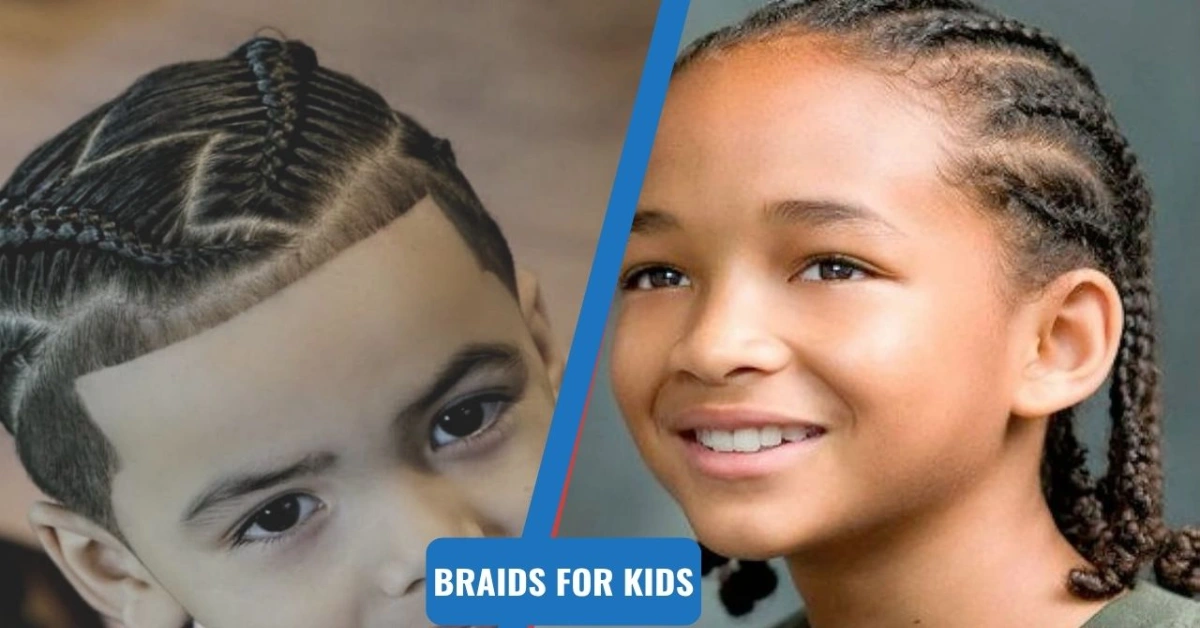
4. Zig-Zag Parted Braids
Angled, jagged partings instead of straight rows, adding visual interest to an otherwise standard braid set. Takes more time and a steady hand (or an experienced braider) to keep the zig-zag lines clean.
5. Spiral Braids
Braids that curve rather than run straight, either finishing loose or gathered into a small ponytail at the end. A good middle-ground option between a plain braid and a more elaborate design.
6. Braids Into a Bun
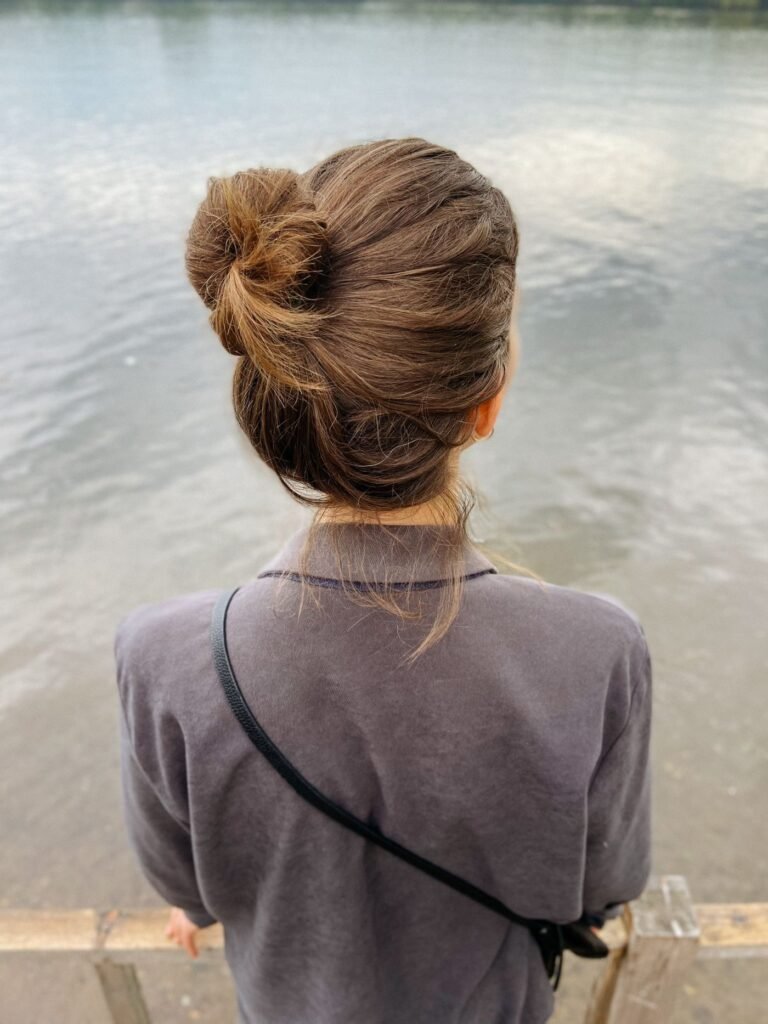
Braided sections at the crown gathered into a small bun at the back, keeping length off the neck without cutting hair. Practical for active kids in sports or hot weather.
7. Braids With a Fade
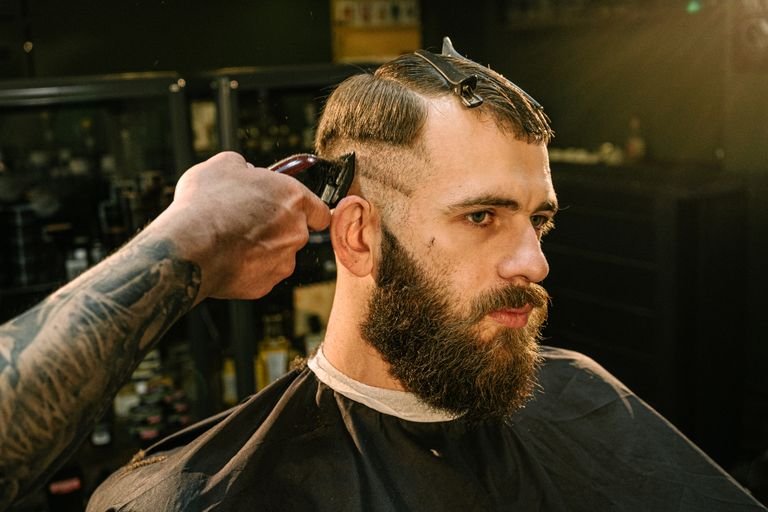
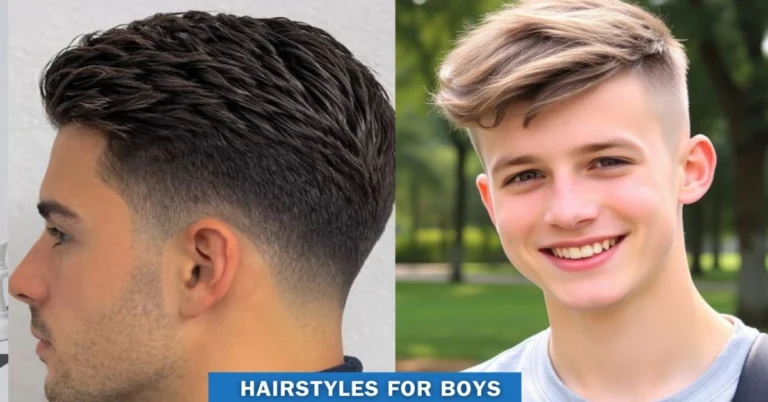
Braided or twisted patterns on top paired with short, faded sides for kids with shorter hair overall — a lower-maintenance option since only the top section needs braiding.
For Special Occasions
8. Intricate Pattern Braids
More detailed geometric or curved designs that generally need a professional braider’s steady hand. Worth booking ahead of an event rather than attempting for the first time the morning of.
9. Center-Focused Design
Braids that start from a central point and flow outward into thicker pigtail-style sections toward the sides — a distinctive look for parties or photos that takes more setup time than an everyday style.
For Very Young Children
10. Simple Toddler Braids
For toddlers, hair is often finer and shorter, so braids will naturally look narrower with more visible scalp between them — that’s expected, not a sign anything went wrong. Keep sessions especially short and tension especially light at this age, since a toddler’s patience and scalp sensitivity are both lower than an older child’s.
Frequently Asked Questions
How do I know if my child’s braids are too tight?
Complaints of headache or scalp pain, visible redness, or small bumps along the hairline in the hours after braiding are all signs to loosen or redo the style — don’t wait it out expecting it to settle.
How long can braids safely stay in on a child?
Similar to adult guidance, roughly two to six weeks depending on hair type and how well the scalp is cared for in between — regular washing and moisturizing matter as much as the braiding itself.
Do braids work for any hair type or length?
Longer or thicker hair holds more elaborate patterns better, but shorter and finer hair can still be braided in simpler, closer-to-the-scalp styles — the width and detail just scale down accordingly.
Should I do this at home or see a professional?
Simple straight braids are reasonable to attempt at home. Anything with intricate patterns, zig-zag parts, or a design meant for a special event is worth booking with an experienced braider, both for the result and to ensure even, appropriate tension throughout.
Editorial note: Tension and safety guidance reflects general pediatric dermatology and braiding practice as of 2026. If you notice persistent redness, bald patches, or ongoing scalp pain, consult a pediatrician or dermatologist rather than continuing the same styling routine.