Haircut Numbers – Hair Clipper Sizes: All You Need to Know
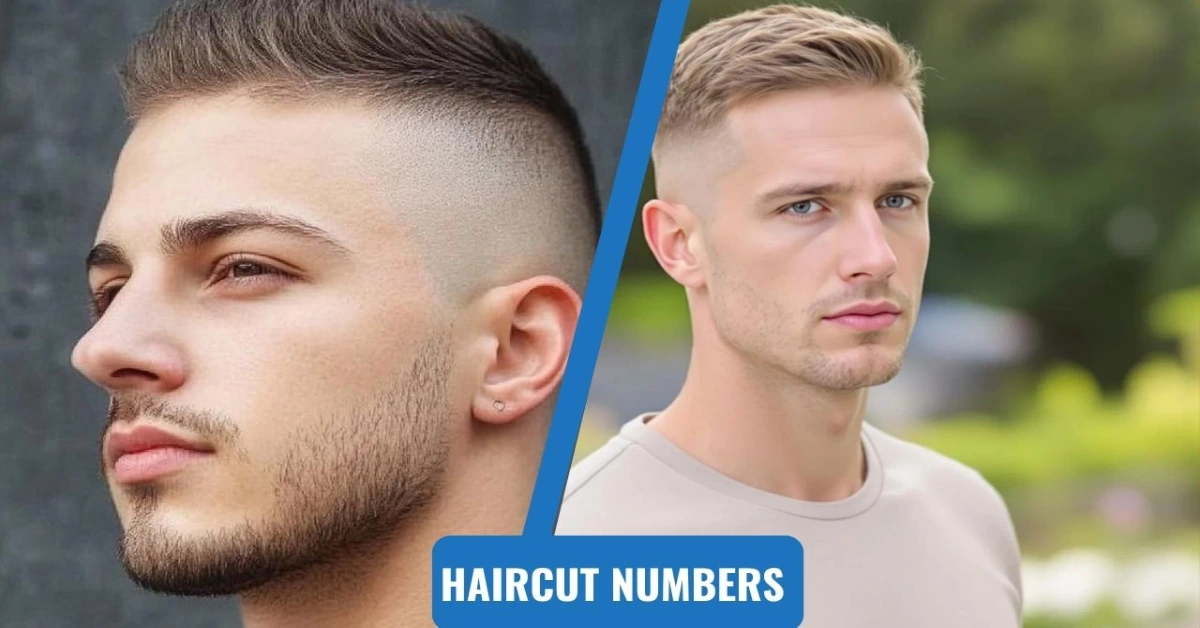
Quick answer: Clipper guard numbers run from 0 (no guard, skin/bald) to 8 (1 inch), increasing in one-eighth-inch steps. Knowing these lets you describe an exact length to any barber, in any country, without relying on a photo. The chart below is the actual standard — no rounding, no guessing.
The Clipper Guard Chart
| Guard Number | Length | Typical Use |
|---|---|---|
| 0 (no guard) | Skin / bald | Skin fades, bald fades |
| 1 | 1/8 inch | Very short buzz cut, fade blending point |
| 2 | 1/4 inch | Classic buzz cut, most common fade length |
| 3 | 3/8 inch | Slightly longer buzz, works with thin or thick hair |
| 4 | 1/2 inch | Low-key, professional length |
| 5 | 5/8 inch | Enough length to brush or style |
| 6 | 3/4 inch | Crew cut-style length, tapered sides |
| 7 | 7/8 inch | Crew cut top length |
| 8 | 1 inch | Longest common guard, often used with scissors for the top and a smaller guard on the sides |
Note that half-sizes (1.5, 2.5, and so on) exist on some clipper sets and split the difference between two whole numbers — useful for fine-tuning a fade transition, but not universal across every clipper brand.
How to Actually Use These Numbers With Your Barber
Pairing a number with a location does more work than the number alone: “a 2 on the sides fading into a 4 on top” tells a barber both the length and where the transition happens, which is exactly how fades are specified in the chair. For low, mid, and high fade positioning specifically, see our taper fade guide, which covers where each fade height starts on the head.
A few practical notes worth knowing: guard numbers describe length, not the finished look, so the same #2 guard can read completely differently depending on where the barber starts the fade and how they blend it. Hair texture also affects how a given guard length actually appears — a #2 on straight hair reads shorter and more uniform than the same guard on curly or coily hair, which will show more visible texture and volume at the same clipper length.
Frequently Asked Questions
What’s the shortest possible clipper cut?
A #0 with no guard attached takes hair down to skin level — this is what’s used for a bald or skin fade.
Is a #2 or a #4 more common for an everyday buzz cut?
A #2 (quarter inch) is the most frequently requested length for a classic all-over buzz cut; a #4 (half inch) is a step longer and reads as slightly less severe.
Do clipper guard numbers mean the same thing at every barbershop?
The standard 0-8 numbering in eighth-inch increments is widely consistent, though some clipper brands add half-sizes (1.5, 2.5) that aren’t universal. When in doubt, specifying the length in inches alongside the number avoids any ambiguity.
Can I get different guard numbers on top versus the sides in the same haircut?
Yes — this is standard practice for any faded or tapered cut, where a longer guard length on top blends down into a shorter one at the sides, exactly the setup used in taper fade and skin fade haircuts.
Editorial note: Guard-to-length correspondence reflects the widely used industry-standard chart as of 2026 (based on Wahl’s standard sizing); always confirm exact lengths with your barber if you’re using a different clipper brand, since minor variations exist.