13 Amazing Hairstyles for Short Wavy Hair Women in 2026
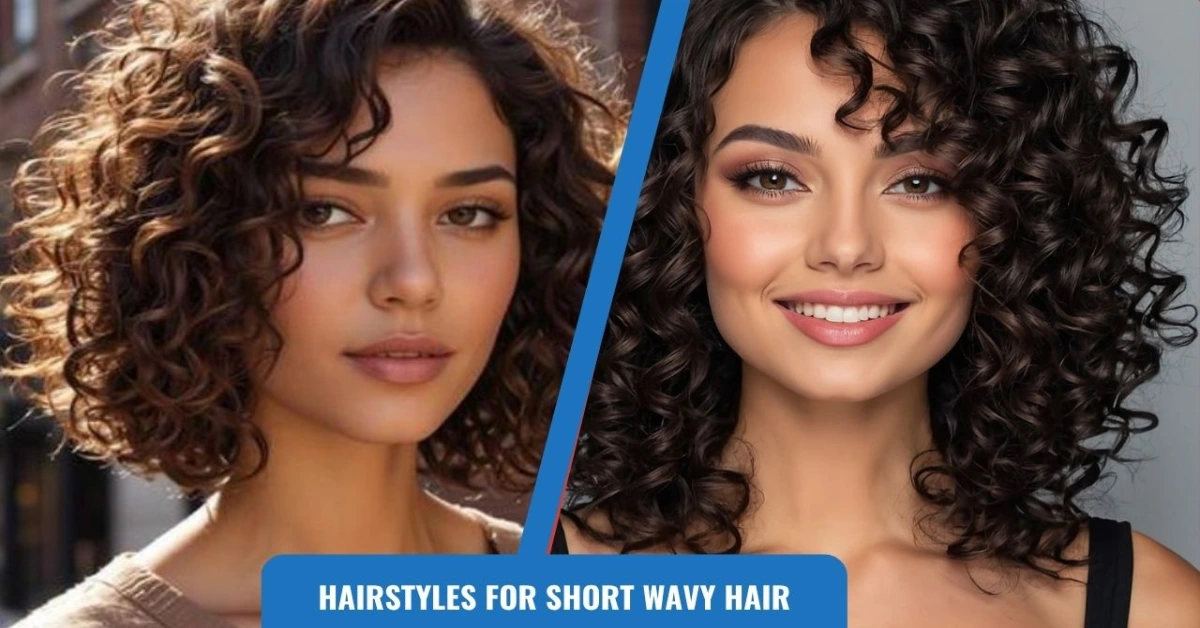
Quick answer: Short wavy hair holds far more style variety than “leave it down or tie it up” — the trick is picking a cut that works with the wave pattern rather than fighting it with heat tools daily. Below are 13 real variations, grouped so the actual differences between similar-sounding bobs are clear.
The Wavy Bob Family
1. Classic Wavy Bob
A jaw-to-shoulder length bob with natural or enhanced waves throughout. The reference cut every variation below builds on.
2. Long Wavy Bob (Lob)
The same wave pattern at a longer, collarbone-grazing length — more forgiving for a casual, undone finish since there’s more length for the waves to move.
3. Inverted Bob
Shorter at the back, gradually longer toward the front. The angled shape is genuinely low-maintenance day to day, since the cut itself does most of the shaping work.
4. Asymmetrical Bob
One side cut noticeably shorter than the other. The boldest structural variation on this list, and one that benefits from side-swept bangs to soften the transition between lengths.
Bangs Change More Than People Expect
5. Wavy Bob With Blunt Bangs
A shorter, straight-across fringe paired with wavy length — genuinely low-upkeep aside from regular trims to keep the blunt line crisp as it grows.
6. Wavy Bob With Side-Swept Bangs
A longer, angled fringe that blends into the rest of the layers rather than standing apart. Needs slightly more length overall (closer to shoulder-length) than a blunt fringe to blend smoothly.
Beyond the Bob
7. Wavy Pixie Cut
The shortest, boldest option on this list, adaptable to a sleek finish or a deliberately undone, textured one depending on how it’s styled day to day.
8. Sleek Straightened Look
Wavy hair temporarily flat-ironed straight for a more formal, polished occasion — a genuine style option for wavy hair, not a way to “fix” it, worth doing occasionally rather than as a daily routine given the heat exposure.
9. Messy Bun
Hair gathered loosely at the crown or nape, leaving some wave and texture visible around the face rather than pulling everything smooth. A quick everyday option that works well on second-day hair.
Matching a Cut to Hair Density and Texture
10. Fine Wavy Hair
Blunt ends (rather than heavily layered ones) help fine wavy hair look fuller, since layering removes weight that fine hair needs to appear dense.
11. Thick Wavy Hair
Handles layering and deep side parts well, since there’s enough density to keep the cut from looking flat. Deliberately messy, multi-directional waves work especially well on thicker hair.
12. Wavy Hair With a Deep Side Part
Shifts more volume to one side, which is a useful way to balance a stronger jawline or add asymmetry without cutting an asymmetrical shape.
13. Wavy Hair, Darker Tone
Deepening the color (to black or dark brown) adds contrast and makes the wave pattern itself more visible than it would be in a lighter, lower-contrast shade.
The Actual Technique for Enhancing Wave Without Frizz
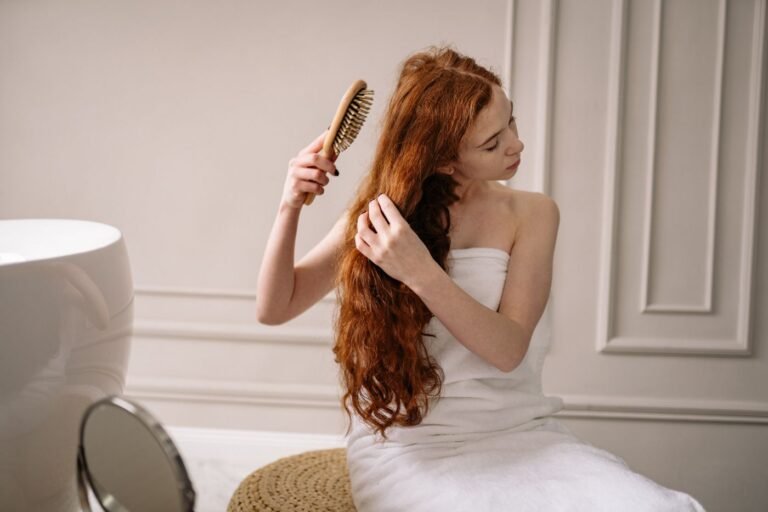
A wide-tooth comb (never a brush) on wet or damp hair prevents disrupting the natural wave clumps that create defined texture. Apply a sea salt spray or curl cream to damp hair, then scrunch upward rather than smoothing down, and either air-dry or diffuse on low heat — high heat and rough towel-drying are the two most common causes of frizz in wavy hair, more so than the products used.
Frequently Asked Questions
What’s the real difference between a lob and an inverted bob?
Length versus shape: a lob is simply a longer bob at one consistent length, while an inverted bob is specifically cut shorter at the back and longer at the front, regardless of overall length.
Does fine wavy hair need a different cut than thick wavy hair?
Yes — fine hair benefits from blunt, less-layered ends for the appearance of density, while thick hair can handle heavier layering and more textured, undone styling without looking flat.
How do I keep waves defined without daily heat styling?
Style on damp hair with a wide-tooth comb and a curl cream or sea salt spray, scrunching rather than brushing, then air-dry or diffuse. Brushing dry wavy hair breaks up the natural clumping that creates definition.
Is straightening wavy hair regularly damaging?
Frequent high-heat straightening is more damaging over time than occasional use. Save it for special occasions and use a heat protectant consistently if you do it more often than that.
Editorial note: Cut and care guidance reflects general hairstyling practice as of 2026; individual wave pattern and hair density will shift which specific variation suits you best — bring a reference photo to your stylist for the clearest result.