9 Short Bob Haircuts for Women (2026 Guide by Style)
The bob has stayed one of the most requested haircuts for decades because it’s genuinely versatile — the same basic shape adapts to almost every hair type, face shape, and maintenance level. These nine variations cover the real range, from a sharp geometric cut to a soft, wavy version that needs almost no styling.
What Makes a Bob a Bob
At its core, a bob is any cut where the hair falls at or above the shoulders in one connected shape, rather than being sectioned into long layers. Everything else — length, angle, texture, bangs — is a variation on that base. Understanding which variation you want makes it much easier to communicate with a stylist than a single reference photo.
1. The Classic Blunt Bob
One length all the way around, ending at the jaw or just below. The clean, unbroken line is what makes this version read as polished and structured — it’s the bob most people picture by default.
2. The Angled Bob
Shorter at the back, gradually longer toward the front. The diagonal line adds movement and works especially well for anyone who wants a bob with a bit more edge than the classic blunt cut.
3. The French Bob
A shorter, chin-length bob usually paired with a soft, wispy fringe. Effortlessly Parisian in feel — casual rather than sharply structured, and one of the lowest-maintenance versions since it’s meant to look slightly undone.
4. The Asymmetrical Bob
One side cut noticeably shorter than the other. A strong choice for anyone who wants a distinctive, modern silhouette — the uneven line is the whole point and reads as deliberate rather than unfinished.
5. The Stacked Bob
Shorter, layered graduation at the back that builds height and volume, with length maintained toward the front. Particularly good for finer hair, since the stacking creates the appearance of thickness through the crown and nape.
6. The Inverted Bob
A more dramatic version of the angled bob, with a sharper contrast between a short, close-cropped back and noticeably longer front sections. Strongly graphic and best suited to straight or only slightly wavy hair, where the sharp lines can actually show.
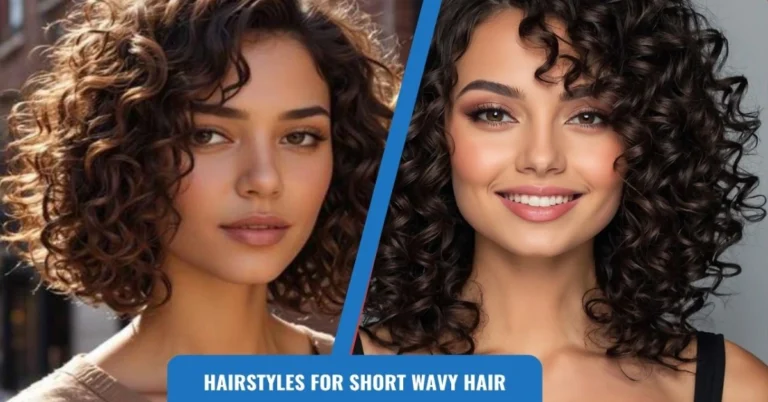
7. The Wavy Bob
A bob left to its natural texture or styled with loose waves rather than sleek and straight. Softer and more relaxed than the structured versions, and one of the most forgiving for second-day hair.
8. The Textured Bob With Bangs
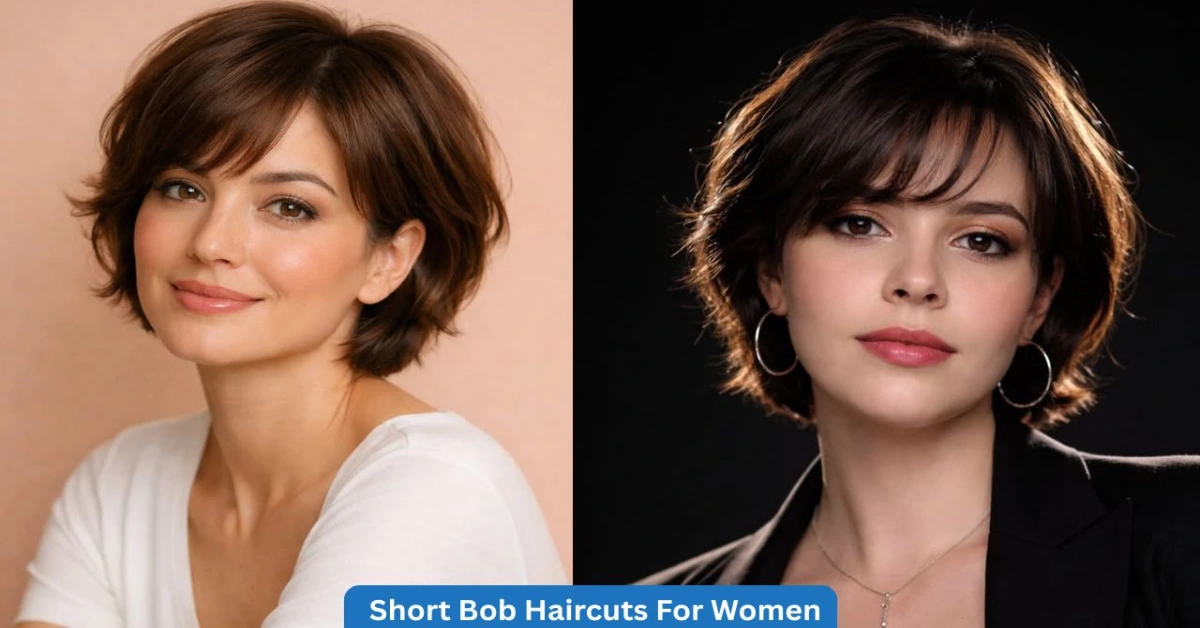
A bob paired with curtain or wispy bangs and finished with texturizing product for a piecey, lived-in finish. Bangs shift more attention to the eyes and can shorten the appearance of a longer forehead.
9. The Micro Bob
A very short bob that sits at or just above the chin — closer to the shortest end of what still counts as a bob rather than a pixie. Bold and best suited to those comfortable with a dramatic length change, since there’s very little length to work with once it’s cut.
Choosing a Bob for Your Hair Type
- Fine, thin hair — the stacked bob or classic blunt bob; both use structure to build the appearance of density.
- Thick, coarse hair — the angled bob or inverted bob; the graduated length helps manage bulk without excessive thinning.
- Wavy or curly hair — the wavy bob or French bob; both are cut to work with texture rather than needing daily straightening.
- Want the least daily styling — the French bob or wavy bob; both are designed to look finished air-dried.
Keeping a Bob in Shape
Bobs generally need more frequent trims than longer cuts — every 6-8 weeks for structured versions like the blunt or inverted bob, and 8-10 weeks for looser styles like the wavy or French bob. Because the cut relies on a clean shape, even an inch of growth can noticeably change how it sits.
The French bob and wavy bob need the least daily styling. Both are cut to work with natural texture and look finished air-dried, without needing a flat iron or round brush.
The stacked bob is specifically designed for this — the graduated layering at the back builds the appearance of volume and density that a single-length cut can’t create on finer hair.
Structured bobs like the blunt or inverted bob need a trim every 6-8 weeks to keep their clean line. Looser, textured versions like the French or wavy bob can go 8-10 weeks between trims.
Final Thoughts
The bob’s staying power comes from how many genuinely different looks fit under one name — sharp and structured, soft and undone, dramatic or barely-there. Pick a starting point based on your hair type and how much daily styling you’re willing to do, then let your stylist adjust the specifics.
For more short-cut ideas, see our guides to short haircuts for women in their 30s and medium haircuts for oval faces.