Hair Straightening Serum: How It Works and How to Choose One
A hair straightening serum works with your styling routine rather than replacing a flat iron entirely. It smooths the hair cuticle, reduces frizz, and can make hair easier to straighten with less heat, but it will not permanently straighten curly or coily hair the way a chemical relaxer does. This guide explains how straightening serums actually work, which ingredients matter, and how to choose one based on your hair type and how you plan to use it.
What a Hair Straightening Serum Actually Does
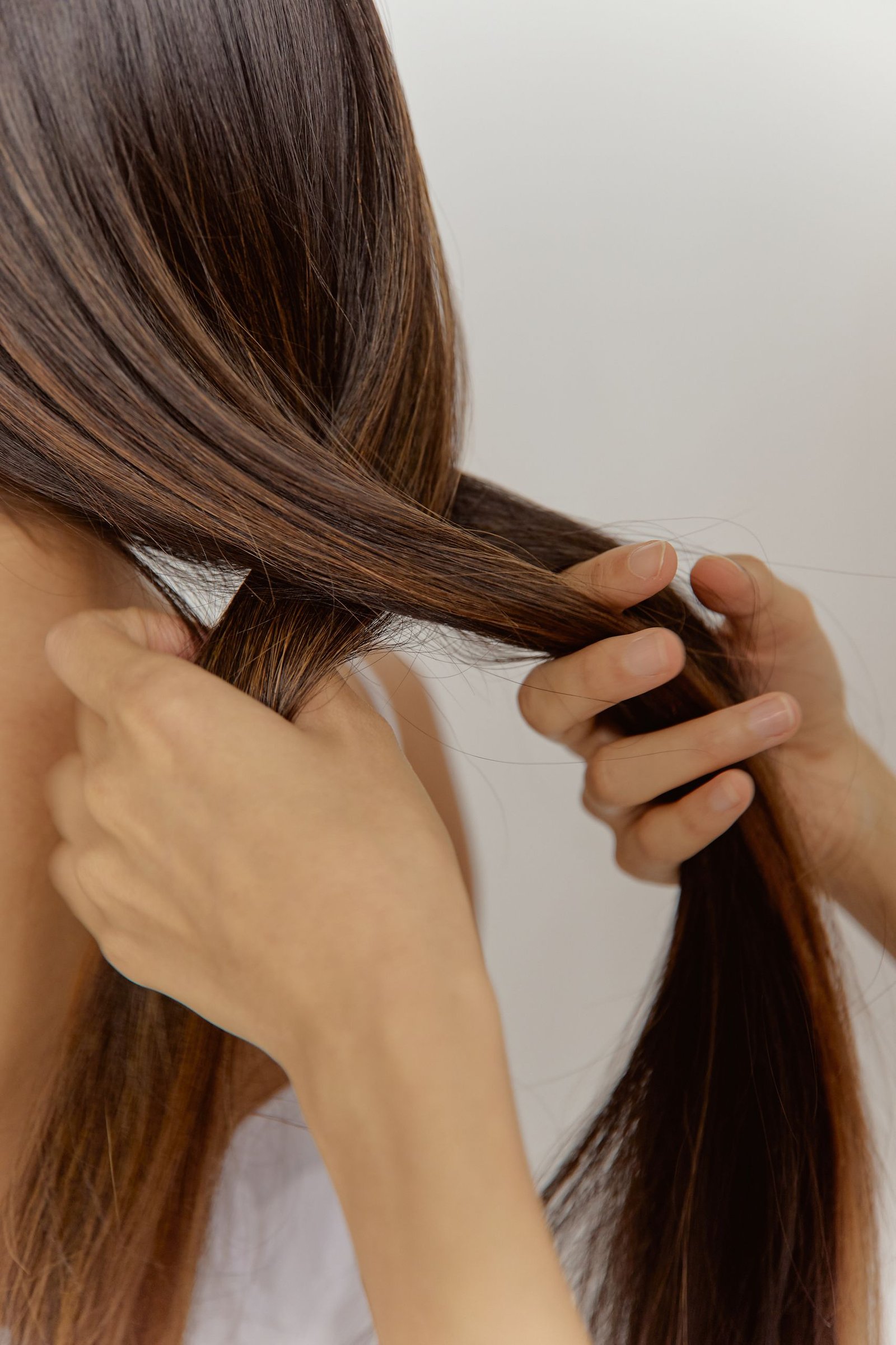
A straightening serum is a leave-in or pre-styling product, usually silicone or oil-based, that coats the hair shaft to smooth the cuticle, reduce frizz, and add slip. Most straightening serums fall into two categories. Heat-activated serums are applied before blow-drying or flat ironing and work alongside the heat tool to help lock in a smoother, straighter result with less mechanical stress on the hair. Leave-in smoothing serums are designed to reduce frizz and add shine on their own, without necessarily being paired with a heat tool, and give a softer, more natural smoothing effect rather than a fully straightened finish.
It is worth being clear about what a serum cannot do: it does not chemically alter the hair structure the way a keratin treatment or a relaxer does, so the smoothing effect from a serum alone is temporary and will wash out or wear off, typically within a day or with the next shampoo. For anyone deciding between a leave-in serum and a heat tool as the main straightening method, a look at how to choose a flat iron for your hair type covers the device side of that decision.
Key Ingredients in Straightening Serums
| Ingredient Type | What It Does | Best For |
|---|---|---|
| Dimethicone and other silicones | Coats the hair shaft to smooth the cuticle, add shine, and create a barrier against humidity | Frizz control and heat protection before straightening |
| Cyclopentasiloxane (a lighter, volatile silicone) | Smooths hair without the heavier buildup of some other silicones, evaporating partially after application | Fine or thin hair that gets weighed down by heavier formulas |
| Argan oil or other plant oils | Adds slip and shine and can help reduce frizz, though with less heat-smoothing power than silicones alone | Dry or coarse hair that needs added moisture alongside smoothing |
| Hydrolyzed keratin or other proteins | Temporarily fills in gaps in damaged hair cuticle, improving smoothness and reducing frizz short term | Chemically treated or heat-damaged hair that needs extra structural support |
| Heat protectant polymers | Forms a protective layer that reduces direct heat damage during flat ironing or blow-drying | Anyone using a heat-activated serum with a flat iron or blow dryer regularly |
How to Use a Straightening Serum
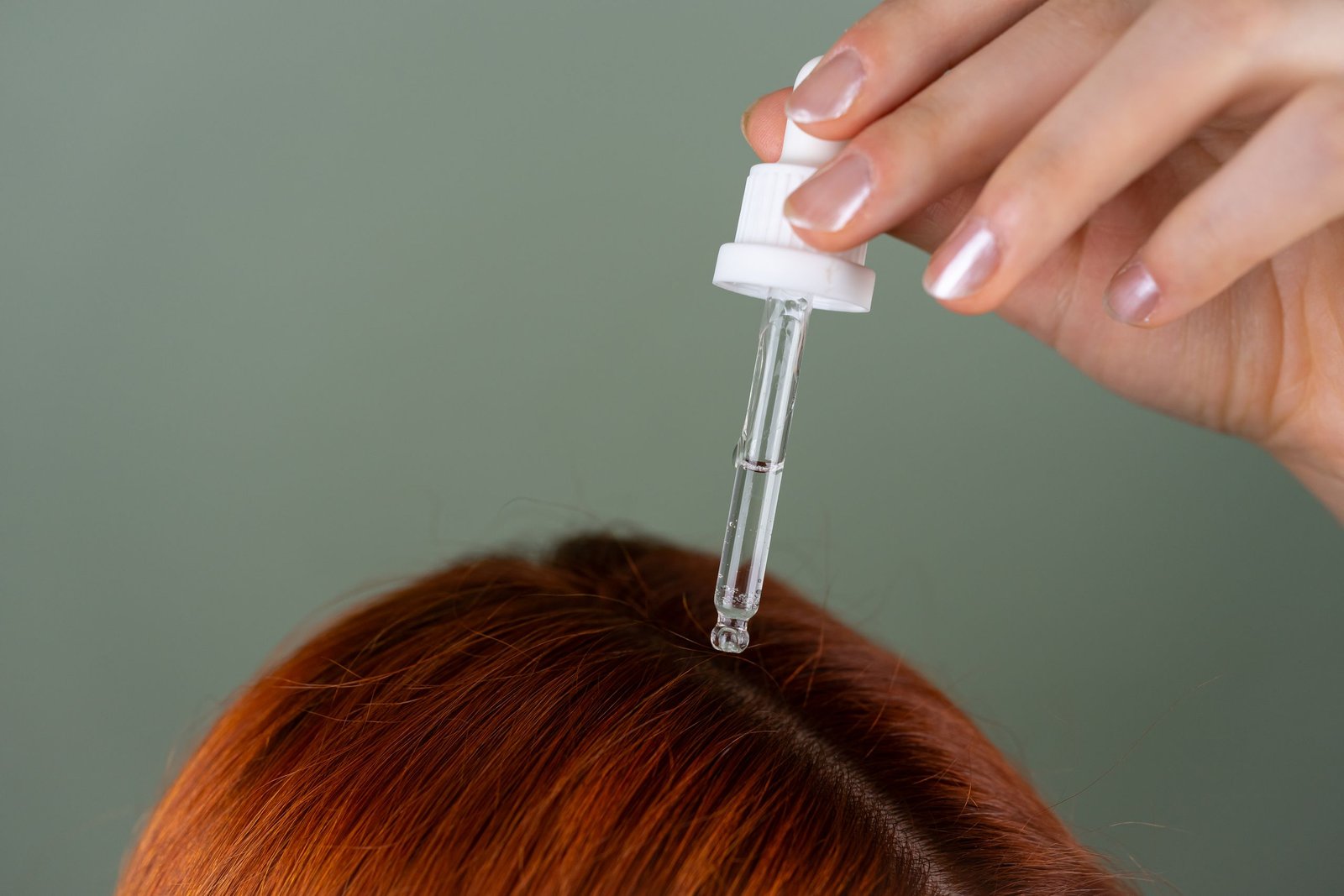
- Apply to towel-dried, damp hair for a heat-activated serum, or to dry hair for a leave-in smoothing formula, following the specific product instructions since application timing varies by formula.
- Use a small amount first, roughly a coin-sized amount for shoulder-length hair, since too much serum can leave hair looking greasy or weighed down rather than smooth.
- Focus application on the mid-lengths and ends, avoiding the roots and scalp, where excess product buildup shows fastest and can make hair appear oily.
- For a heat-activated serum, proceed with blow-drying or flat ironing as usual once the product is evenly distributed, since these formulas are designed to work alongside heat rather than sit unused.
- For a leave-in smoothing serum used without heat, simply let hair air dry or style as normal once applied.
Choosing a Straightening Serum by Hair Type
| Hair Type | What to Look For |
|---|---|
| Fine or thin hair | Lightweight, volatile silicone formulas that smooth without adding noticeable weight |
| Thick or coarse hair | Richer formulas with heavier silicones or added oils that can manage more volume and frizz |
| Curly or coily hair | Formulas paired with heat protection, since curlier textures generally need more heat to achieve a straightened result and are more vulnerable to heat damage |
| Color-treated or chemically processed hair | Protein-enriched formulas that offer some structural support in addition to smoothing |
| Humid climates like Dubai | Stronger anti-frizz, humidity-resistant formulas, since high ambient humidity works against any smoothing effect faster than in a drier climate |
Straightening Serum vs Other Smoothing Options
A straightening serum is a temporary, wash-out styling product, which puts it in a different category from longer-lasting chemical smoothing treatments such as keratin treatments or relaxers, both of which alter the hair structure for weeks or months rather than a single wash cycle. Serums are lower commitment and lower risk since they involve no chemical processing, but they also will not deliver the same dramatic, long-lasting straightening result. For hair that is already naturally straight or only mildly wavy, a serum alone is often enough to manage frizz day to day. For very curly or coily hair aiming for a fully straightened look, a serum works best as a heat-protecting and finishing step alongside a flat iron or blow dryer, not as a standalone straightening method. If you are unsure how your hair actually responds to heat and humidity before choosing a serum, a hair texture guide covers how to check porosity, which affects how quickly a serum absorbs and how long its smoothing effect lasts.
Common Mistakes to Avoid
| Mistake | Why It Causes Problems |
|---|---|
| Applying too much product | Excess serum leaves hair looking greasy, weighed down, or stringy rather than smooth |
| Applying serum directly to the scalp | Can clog pores and cause the roots to look oily faster than usual |
| Skipping heat protection when combining serum with a flat iron | Not every serum offers meaningful heat protection on its own, so check the label if heat styling is part of the routine |
| Expecting a serum to permanently straighten curly hair | Serums are temporary, wash-out products, not a substitute for chemical smoothing treatments |
| Using a heavy, oil-based serum on very fine hair | Can weigh fine hair down and make it look flat rather than smooth |
Frequently Asked Questions
Does hair straightening serum work without a flat iron?
Leave-in smoothing serums can reduce frizz and add shine on their own without heat, though the effect is milder than what heat-activated formulas achieve when paired with a flat iron or blow dryer. For very curly or coily hair, a fully straightened look generally still requires heat styling.
Can straightening serum damage your hair?
The serum itself is generally not damaging, but silicone buildup from frequent use without proper clarifying washes can make hair look dull over time. The bigger damage risk usually comes from the heat tool used alongside the serum rather than the serum itself, which is why using a formula with genuine heat protection matters if you are pairing it with a flat iron.
How long does the effect of a straightening serum last?
Typically until the next wash, since the smoothing effect comes from a coating on the hair shaft rather than a chemical change to the hair structure. Humidity and sweat can also shorten how long the smooth, frizz-free effect holds, particularly in a hot, humid climate.
Is straightening serum the same as a keratin treatment?
No. A straightening serum is a temporary styling product applied at home before each wash cycle, while a keratin treatment is a longer-lasting chemical service, usually done in a salon, that alters the hair structure for weeks or months. They can be used together, with a serum providing day-to-day touch-up smoothing between keratin treatment appointments.
\n