10 Indian Bridal Hairstyles for Every Wedding Function
An Indian wedding usually means several distinct functions, a mehndi, a sangeet, the wedding ceremony itself, and often a reception, and each one calls for a hairstyle that matches its outfit, energy, and formality. A hairstyle that suits a heavy bridal lehenga and a full set of jewelry can look overdone at a daytime mehndi, while a loose, floral style that is perfect for sangeet night will not hold up under a long ceremony and multiple outfit changes.
This guide walks through the styles that come up most often for Indian brides, how to match a hairstyle to your hair length and the accessories you are planning to wear, and practical tips for keeping a style intact through a long day, including the added challenge of Dubai’s heat and humidity.
Choosing a Style: What to Consider First
Before picking a specific look, it helps to settle a few basics with your hairstylist. If you want your hair fully prepped and smooth before your stylist begins, our guide to doing a blowout at home covers how to get a salon-smooth base.
- Function type: Mehndi and haldi tend to favor looser, floral styles. Sangeet allows for more movement since there is usually dancing involved. The wedding ceremony and reception typically call for more structured, secure styles that hold under heavier jewelry and, often, a veil or dupatta.
- Hair length and thickness: Most bun and braided styles work on medium to long hair. Shorter hair can still achieve many of these looks with the help of hair extensions, which most bridal stylists work with regularly.
- Outfit and neckline: A heavily embellished neckline or a high collar often looks best with hair pulled back or up, so the design is not competing with loose strands.
- Jewelry plan: If you are wearing a maang tikka, matha patti, or a jeweled hair accessory, the hairstyle needs to accommodate where that piece sits, which is usually why brides discuss jewelry and hair with their stylist together rather than separately.
10 Indian Bridal Hairstyles by Category
| Style | Category | Best For |
|---|---|---|
| Low bun with gajra | Bun | South Indian ceremonies, classic silk sarees |
| High bun with floral work | Bun | Round or square face shapes, statement earrings |
| Braided bun | Bun | Brides who want texture without an open braid |
| Fishtail braid with flowers | Braid | Sangeet or mehndi, boho-leaning outfits |
| Side braid with jewelry | Braid | One-shoulder or asymmetric necklines |
| Waterfall braid | Braid | Long hair, reception or daytime functions |
| Half-up with curls | Half-up | Brides who want hair down but controlled |
| Half-up with a floral braid | Half-up | Mehndi or haldi, garden or outdoor venues |
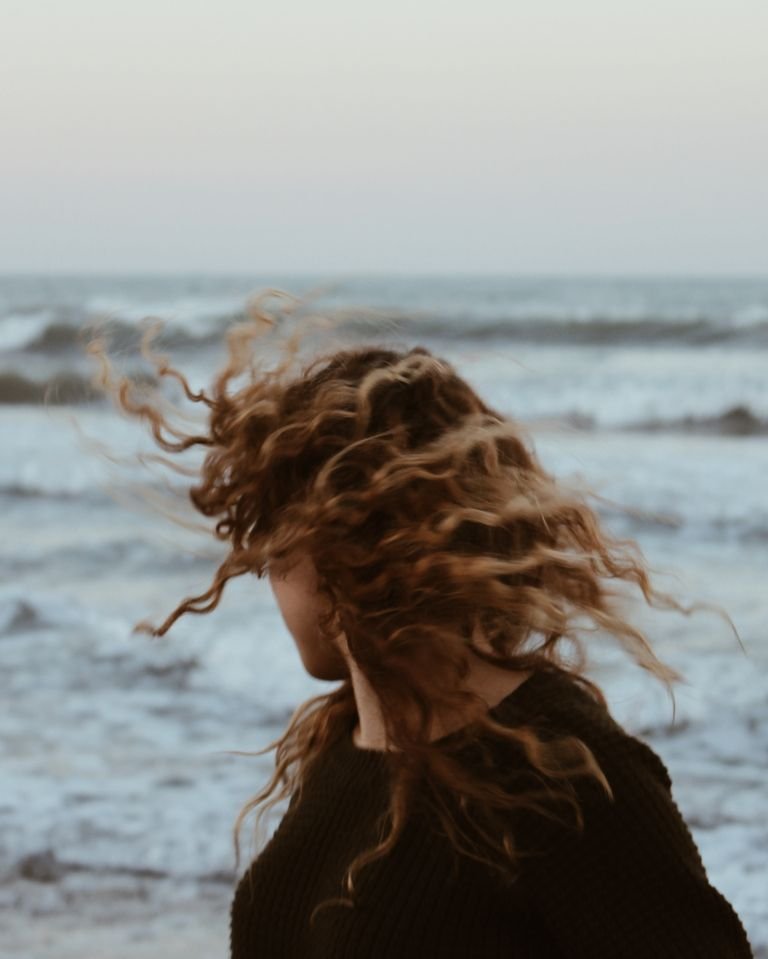
| Loose curls with floral accents | Open | Sangeet, evening functions with air conditioning |
| Sleek open hair with a deep side part | Open | Modern, minimalist bridal looks |
Low Bun with Gajra
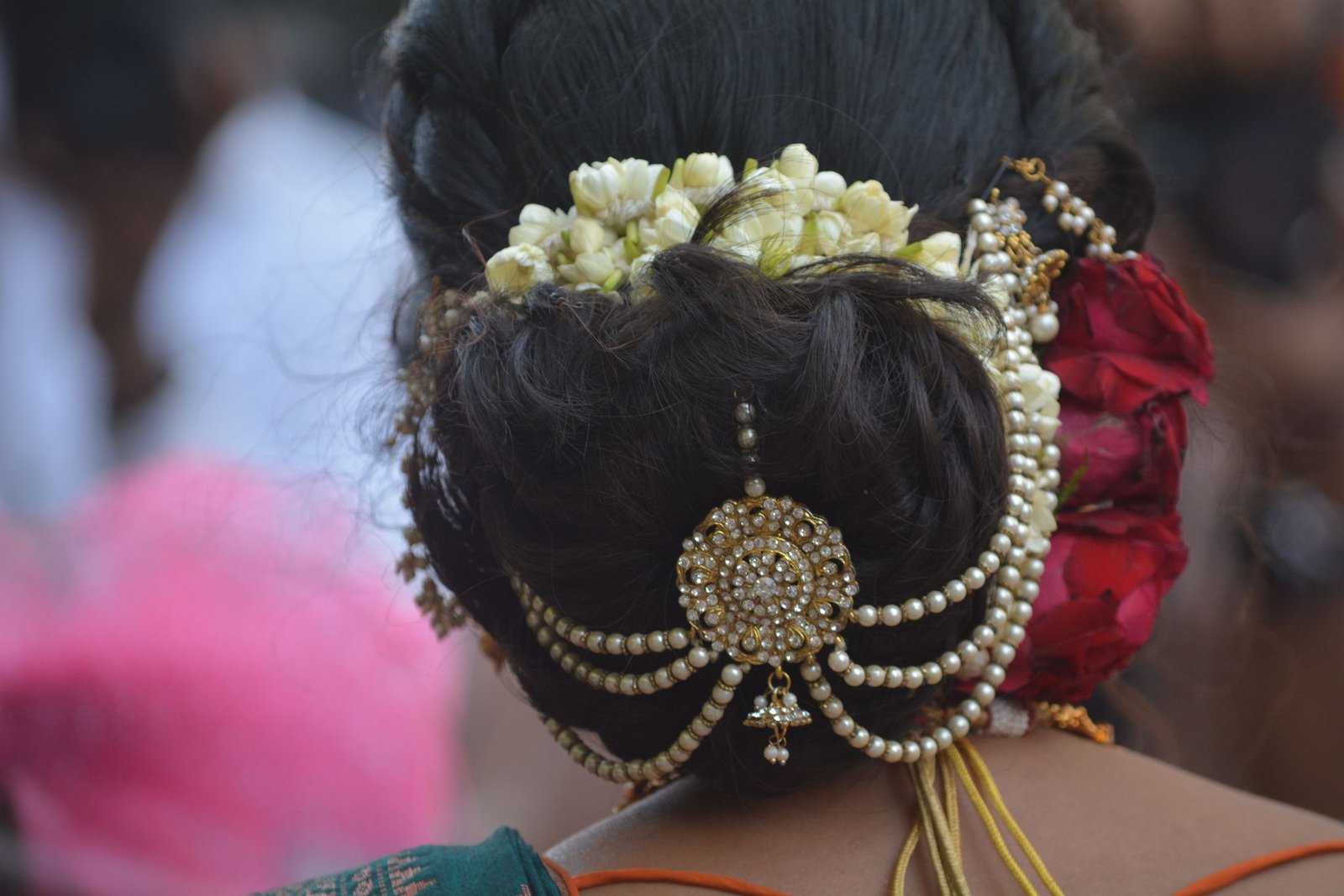
A smooth, low bun wrapped with a gajra (a string of fresh jasmine or rose) is one of the most enduring South Indian bridal looks, traditionally paired with a silk saree. The low placement holds securely under a heavy dupatta or veil, and the fresh flowers can be swapped between functions without redoing the entire style.
High Bun with Floral Work
Positioned higher on the crown, this bun adds height and pairs well with statement jhumka earrings or a maang tikka, since there is no hair falling forward to compete with the jewelry. A high bun also tends to suit round or square face shapes particularly well, since the height elongates the face.
Braided Bun
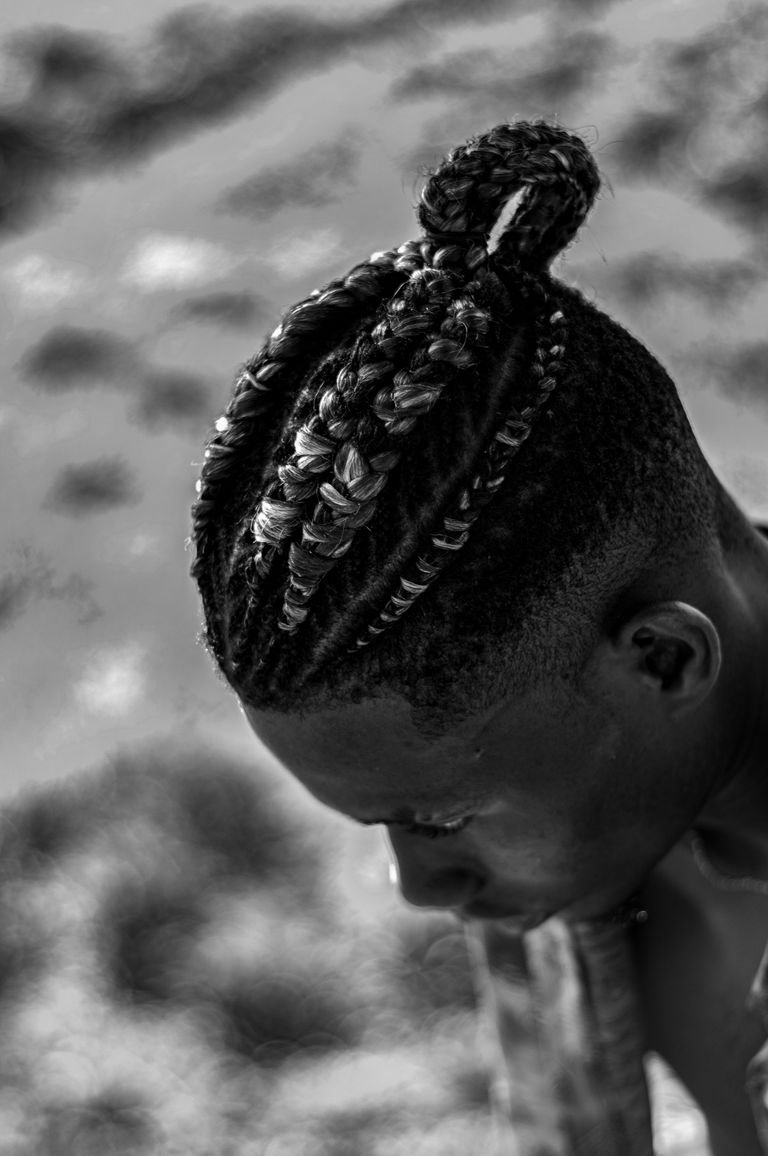
A braid wrapped into a bun combines the texture of a braid with the clean silhouette of an updo. It photographs well from every angle, which matters for a ceremony where guests and photographers are seeing the bride from all sides throughout the event.
Fishtail Braid with Flowers
A fishtail braid threaded with small flowers or a floral vine (called a veni) works particularly well for mehndi and sangeet, where the mood is more relaxed. It holds up through dancing far better than loose curls, while still reading as festive rather than formal.
Side Braid with Jewelry
Pulling the braid over one shoulder draws attention to an asymmetric neckline or a statement necklace, and works well when the blouse or choli has detailing on one side that you want visible and unobstructed.
Waterfall Braid
This technique releases sections of hair as it moves across the head, leaving the released pieces to fall naturally, which creates a softer, more romantic look than a standard braid. It needs longer hair to look full and works best for daytime functions or a reception, rather than a long ceremony, since the loose sections can move as the day goes on.
Half-Up with Curls
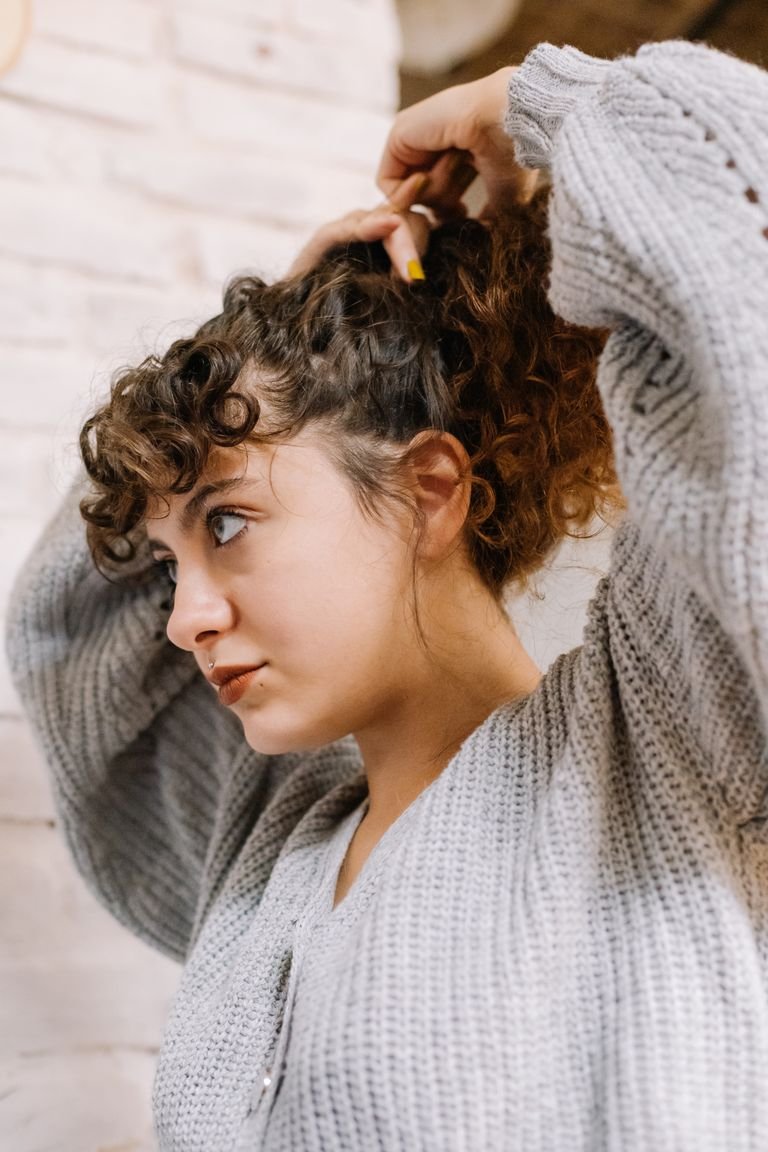
The top section is pulled back and secured, often with a decorative pin or small floral cluster, while the rest of the hair is curled and left down. This gives a bride hair to work with for photos while keeping it out of her face during the ceremony itself.
Half-Up with a Floral Braid
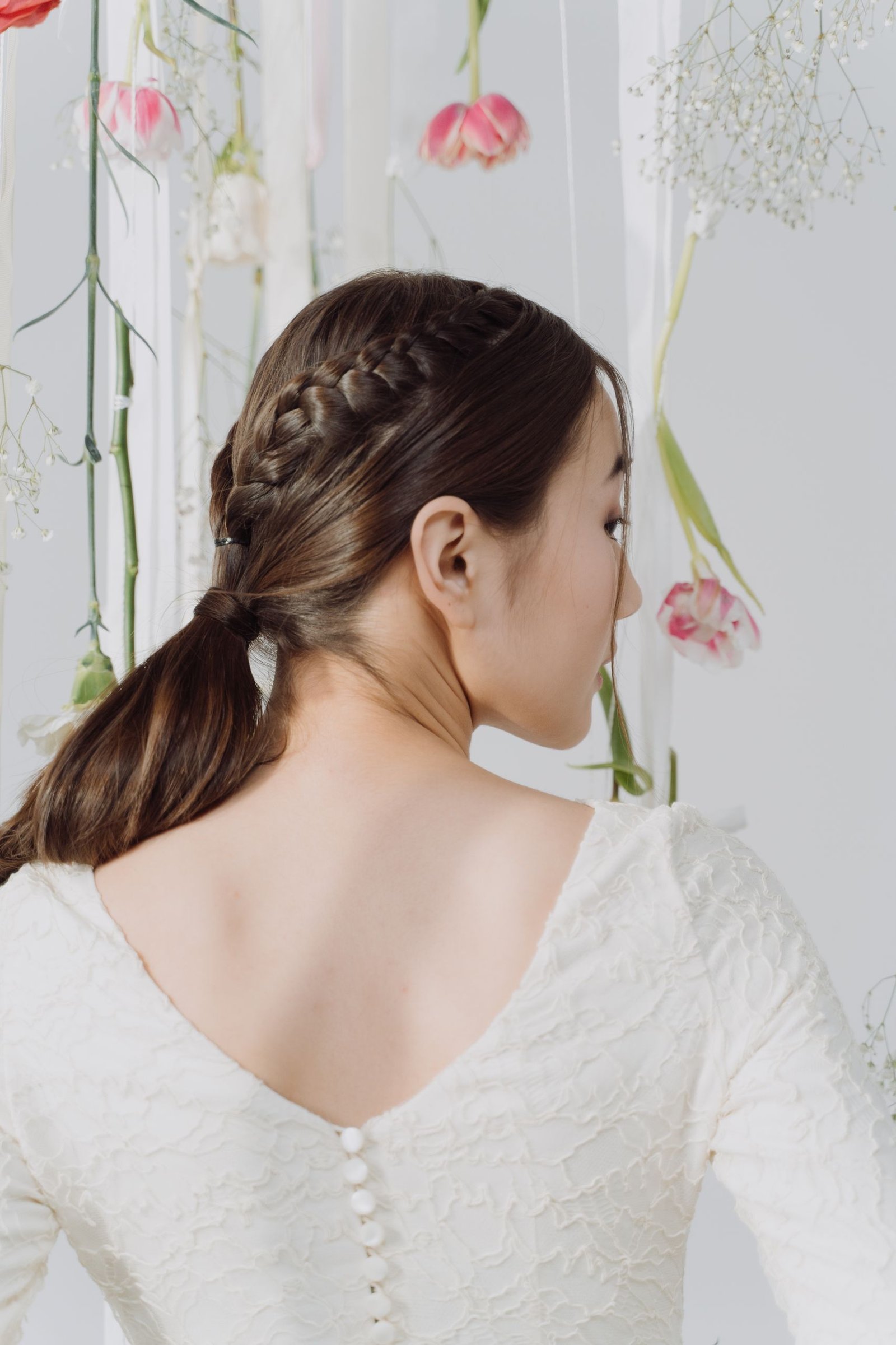
Instead of a plain section pulled back, this variation braids the top portion and weaves in flowers along the braid. It is a popular choice for outdoor mehndi and haldi functions, where a fully done updo can feel too formal for a daytime, garden-style event.
Loose Curls with Floral Accents
Soft waves or curls left mostly open, with a few pinned floral accents near the crown or one side, suit sangeet functions particularly well, since there is usually air conditioning indoors and less risk of humidity affecting the curl pattern over the course of the evening.
Sleek Open Hair with a Deep Side Part
A more contemporary option, straight or softly waved hair with a deep side part and minimal accessories suits brides who want a cleaner, less traditional look, often paired with a modern lehenga or gown-style bridal outfit for the reception.
Understanding Bridal Hair Accessories
- Maang tikka: A pendant that sits at the center parting, resting against the forehead. It generally needs the hair pulled back or up around the crown so the chain sits flat against the head rather than getting tangled in loose strands.
- Matha patti: A more elaborate version of the maang tikka that extends along the hairline, sometimes connecting to earrings. It usually requires a sleeker, more controlled hairstyle at the front so the piece sits evenly.
- Gajra: A string of fresh flowers, most commonly jasmine, wrapped around a bun or braid. It is one of the most traditional accessories and works with almost every bun-based style on this list.
- Veni: A longer floral string, often woven directly into a braid rather than wrapped around it, giving a more continuous floral effect along the length of the hair.
Styling for Dubai’s Heat and Humidity
Outdoor functions in the UAE, especially mehndi and haldi held earlier in the day, mean real heat and humidity working against whatever style you choose. A few adjustments help styles hold through the day:
- Favor structured styles for outdoor functions. Buns and braids hold their shape in humidity far better than loose curls, which tend to drop or frizz within an hour or two outdoors.
- Ask your stylist about a strong-hold, humidity-resistant setting spray. This is standard practice for outdoor Indian weddings in hot climates and makes a noticeable difference over several hours.
- Use more pins than you think you need. Bridal stylists in the region typically over-secure buns and braids specifically because of the heat, since a style that would hold for six hours in a cooler climate may need reinforcement here.
- Schedule a trial run in similar conditions. If possible, do your hair trial around the same time of day and, if the venue is outdoor, in similar heat, so you and your stylist know exactly how the chosen style behaves before the real event.
- Keep fresh flowers refrigerated until close to the event. Gajras and venis wilt faster in heat, so timing when they are applied matters more here than in cooler climates.
If you are looking for more everyday or pre-wedding hairstyle inspiration beyond bridal looks, our guide to hairstyles for girls covers a wider range of short and long hair options.
Common Mistakes to Avoid
| Mistake | Why It Happens | How to Fix It |
|---|---|---|
| Choosing a style without considering the jewelry | Hair and jewelry decisions made separately | Bring your maang tikka or matha patti to your hair trial |
| Picking loose curls for an outdoor daytime function | The style looks best in photos or on social media | Save loose, open styles for indoor or evening functions, and choose structured buns or braids for outdoor daytime events |
| Skipping a hair trial | Assuming the salon look will translate directly to the wedding day | Book at least one trial, ideally close to the actual event date and conditions |
| Using too few pins for a heavy accessory | Underestimating the weight of a matha patti or thick gajra | Ask your stylist to reinforce the base of the style, especially around where jewelry attaches |
| Not accounting for multiple functions | Planning only the main wedding day hairstyle | Plan a distinct, appropriately toned style for each function in advance |
Frequently Asked Questions
What hairstyle works best for a South Indian wedding?
A low bun wrapped with a gajra is the most traditional and widely recognized choice for South Indian ceremonies, especially when paired with a silk saree. It holds securely under a dupatta and pairs naturally with jasmine or rose garlands.
Can short hair still work for Indian bridal hairstyles?
Yes. Most bridal stylists regularly use hair extensions to achieve full buns, braids, and updos on shorter hair. It is worth mentioning your natural hair length when booking a trial so your stylist can plan accordingly and source the right extensions in advance.
How long does a bridal hairstyle typically last through a full wedding day?
A well-secured bun or braid, done with enough pins and a good setting spray, generally holds for six to eight hours, which usually covers a full ceremony and reception. Loose or open styles tend to need more touch-ups, particularly in hot or humid conditions.
Should I get a hair trial before the wedding?
Yes, this is strongly recommended. A trial lets you and your stylist confirm the style works with your hair type, your chosen jewelry, and your outfit before the actual event, and gives you a chance to adjust anything that does not look or feel right.
Final Thoughts
The right Indian bridal hairstyle depends less on what looks best in isolation and more on how well it works with your outfit, jewelry, the specific function, and, especially in the UAE, the conditions you will actually be in that day. Structured buns and braids remain the most reliable choices for outdoor and daytime functions, while looser, floral styles are worth saving for evening events where they have a better chance of holding their shape until the last photo is taken.