Box Braids for Men: A Complete Guide to Styles, Sizes, and Care
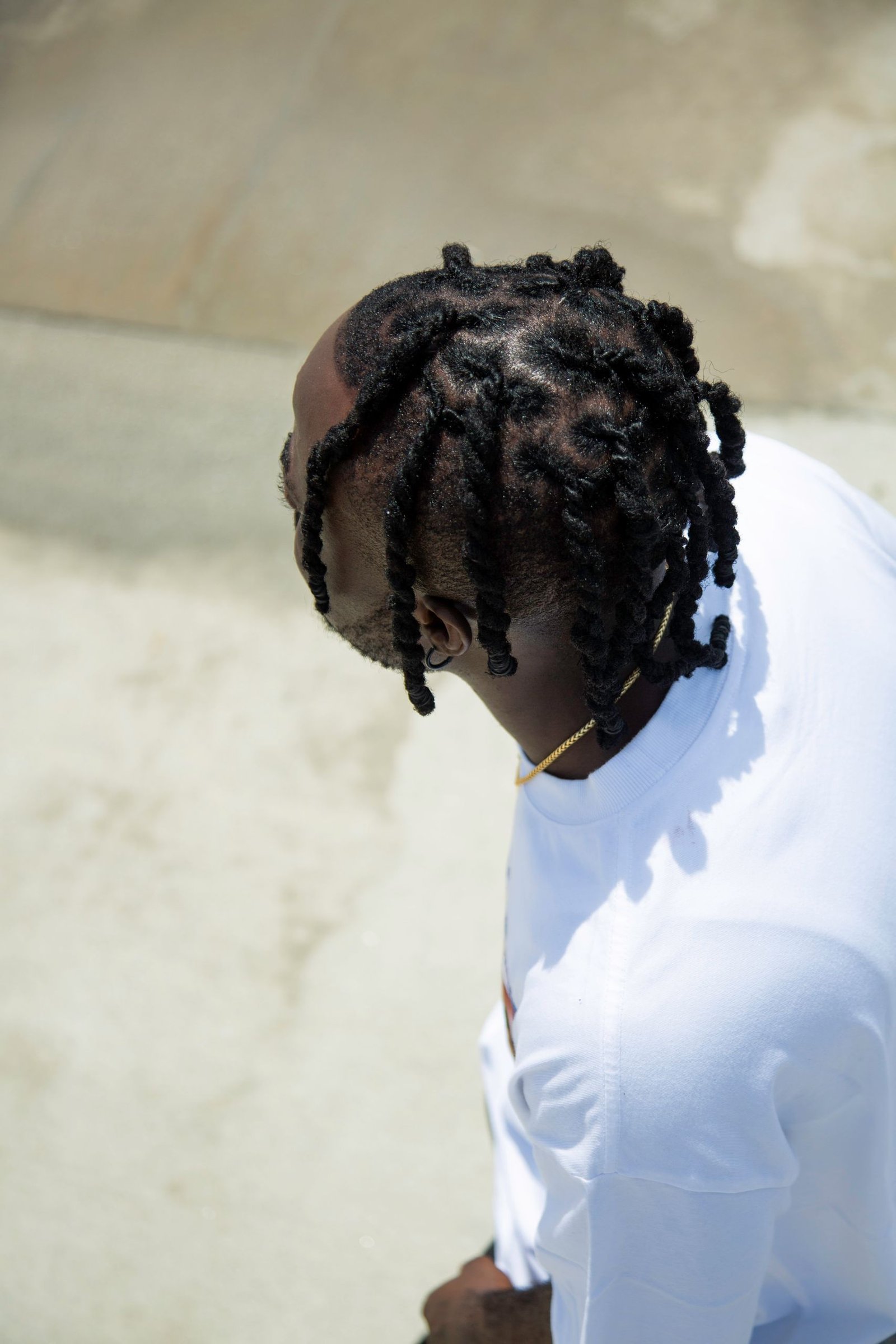
Box braids remain one of the most versatile braided styles for men, mainly because the size of the braid changes the entire look, from a tight, detailed micro-braid pattern to a bold, statement-making jumbo braid. This guide goes deeper into box braids specifically: how to choose a size and length, the styling options once they are installed, what the hair and scalp actually need during the weeks you wear them, and how to tell when it is time to take them down.
What Makes Box Braids Different From Other Braid Styles
Box braids section the hair into square or diamond-shaped parts, then each section is braided individually, usually with added braiding hair for extra length and thickness. Unlike cornrows, which are braided flat against the scalp in continuous rows, box braids hang free from the root, which gives them more movement and makes them easier to style into a bun, ponytail, or half-up look. That freestanding structure is also what makes box braids more time-consuming to install than cornrows, since every individual section has to be parted, braided, and secured on its own. If you are still weighing braid types generally, a guide to braid styles for men covers how box braids compare to cornrows, twists, and other options.
Choosing a Box Braid Size
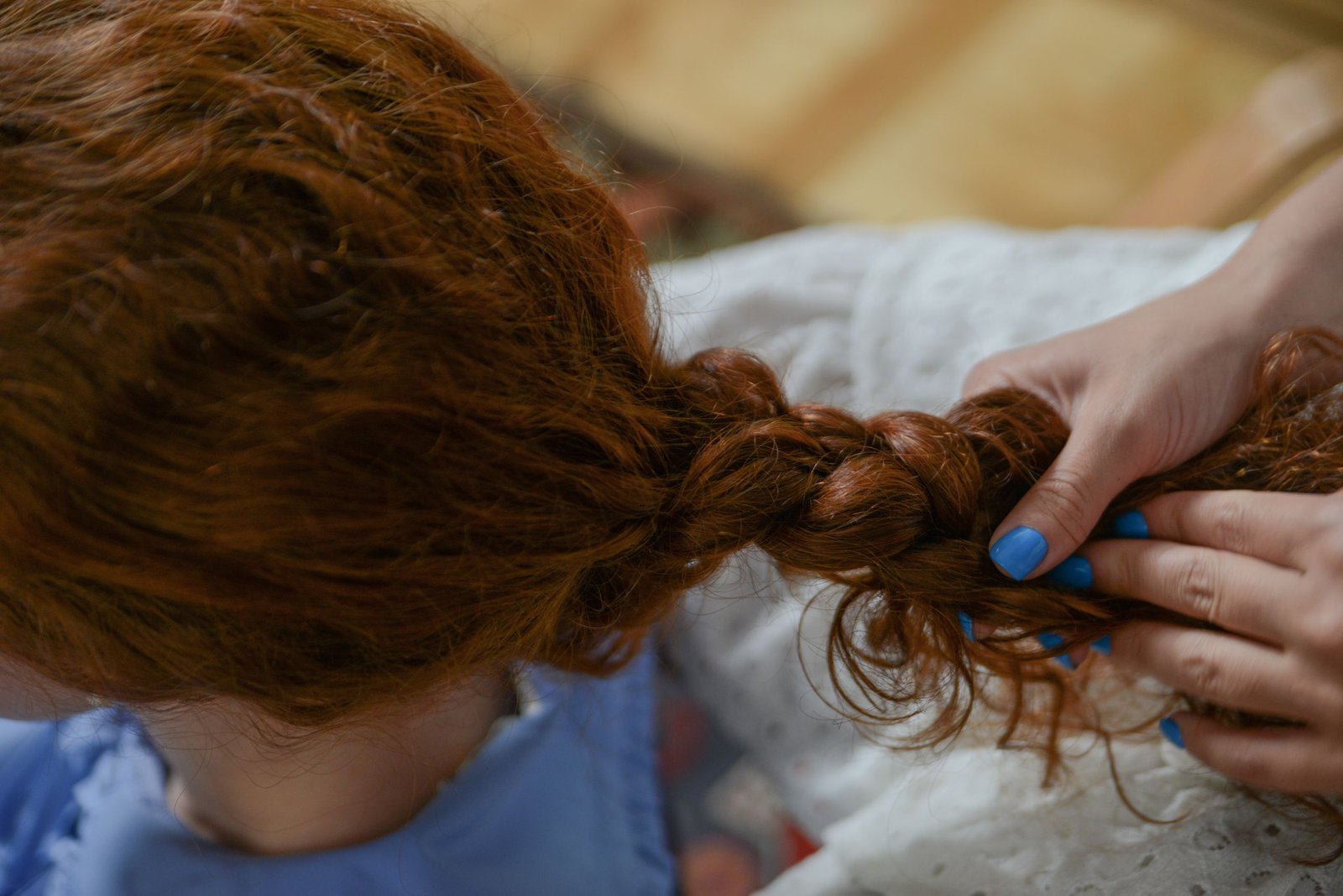
Braid size is the biggest factor in how a box braid style actually looks and how long it takes to install. Smaller sections mean more braids, more installation time, but a finer, more detailed finish. Larger sections mean fewer braids, faster installation, and a bolder, chunkier look.
Small or Micro Box Braids
The most detailed and time-intensive option, often taking the longest single session to install of any box braid size. Micro braids tend to look the most natural and blend well with a variety of hair textures, and they generally last longer between touch-ups since each braid carries less weight and tension on the hair underneath.
Medium Box Braids
A middle-ground option that balances installation time against a detailed appearance, medium box braids are a common default choice for men who want a defined, textured look without committing to the longest possible install session.
Large or Jumbo Box Braids
The fastest to install and the boldest in appearance, large box braids show off length and movement more dramatically than smaller sizes. Because there is less hair holding each individual braid in place relative to its size, jumbo braids can put more tension on the scalp at the root, so they are worth discussing with a stylist if you have a sensitive scalp or fine natural hair.
Popular Box Braid Styles for Men
- Shoulder-length or longer, worn loose: The classic box braid look, letting the full length and movement of the braids show.
- Braids with a faded or undercut sideline: Box braids on top paired with a tapered or fully shaved fade on the sides, a popular combination that adds contrast and keeps the sides low maintenance. A hair clippers guide covers what to look for if you plan to maintain the faded sides yourself between salon visits.
- Half-up box braids: The top section gathered up while the rest hangs loose, useful for keeping hair out of your face during workouts or hot weather.
- Braided ponytail or bun: All the braids gathered and secured at the back or top of the head, a practical option for work or sport that also protects the ends from friction.
- Beaded or accented ends: Beads, cuffs, or wraps added to the ends of select braids for a more individual, decorated look.
Hair Length and Type Requirements
Most stylists recommend a minimum of two to three inches of natural hair to braid box braids securely without excessive tension on the scalp, though very short hair can sometimes be worked with smaller sections and added braiding hair. Box braids can be installed on straight, wavy, curly, or coily hair, though curlier and coilier textures generally hold the braided shape more securely and for longer, since the natural texture grips the added hair better than very straight or very fine hair does.
Caring for Box Braids
Box braids need less daily maintenance than a full haircut, but the scalp underneath still needs regular attention. Wash the scalp every one to two weeks using a diluted shampoo or a scalp cleanser applied directly with an applicator bottle, focusing on the roots rather than scrubbing the braided lengths themselves, then rinse thoroughly and allow the braids to air dry fully before covering them, since trapped moisture can lead to mildew or an unpleasant odor at the roots. Moisturize the scalp with a light oil a few times a week to prevent dryness and itching, and wrap the hair in a satin or silk scarf, or sleep on a satin pillowcase, to reduce friction and frizz at the roots overnight.
How Long Box Braids Last
Box braids typically last four to eight weeks depending on braid size, hair growth rate, and how well the scalp is cared for during that period. As new hair grows in at the roots, the braided sections will start to loosen and the parts will become more visible, which is the main sign it is time for a touch-up or a full takedown. Leaving box braids in significantly longer than recommended increases the risk of matting, tangling at the new growth, and unnecessary tension on the hairline, so it is worth planning a takedown date rather than waiting until the style looks visibly worn.
Common Mistakes to Avoid
| Mistake | Why It Causes Problems |
|---|---|
| Braiding too small a section too tightly | Excess tension at the root can contribute to hairline thinning over time |
| Skipping scalp washing for the entire duration | Product buildup and natural oils can cause itching, flaking, and odor at the roots |
| Covering wet braids before they fully dry | Trapped moisture can lead to mildew or an unpleasant smell developing at the base of the braids |
| Leaving braids in far past new growth | Increases matting and tangling and makes the eventual takedown more difficult and time-consuming |
| Sleeping without a satin or silk covering | Cotton pillowcases create friction that leads to frizz and loosens the braids faster |
Frequently Asked Questions
How long does it take to install box braids?
It depends heavily on braid size and hair length, with smaller micro braids taking noticeably longer than large jumbo braids. Booking with an experienced braider and discussing your preferred size ahead of time is the best way to get a realistic time estimate for your specific hair.
Do box braids damage your natural hair?
Box braids themselves are not inherently damaging when installed and maintained properly, but braiding too tightly, leaving them in too long, or neglecting scalp care during the style can all contribute to breakage or hairline thinning. Choosing an appropriate braid size and tension for your hair type reduces this risk significantly.
Can you wash your hair with box braids in?
Yes, and you should. Focus on cleaning the scalp with a diluted shampoo or a scalp cleanser rather than scrubbing the braided lengths, and make sure the braids are fully dry before covering or tying them up to avoid trapped moisture.
What braid size lasts the longest?
Smaller and micro braids generally last longer between touch-ups than large or jumbo braids, since each individual braid carries less weight relative to the hair holding it, putting less strain on the style as new growth comes in.