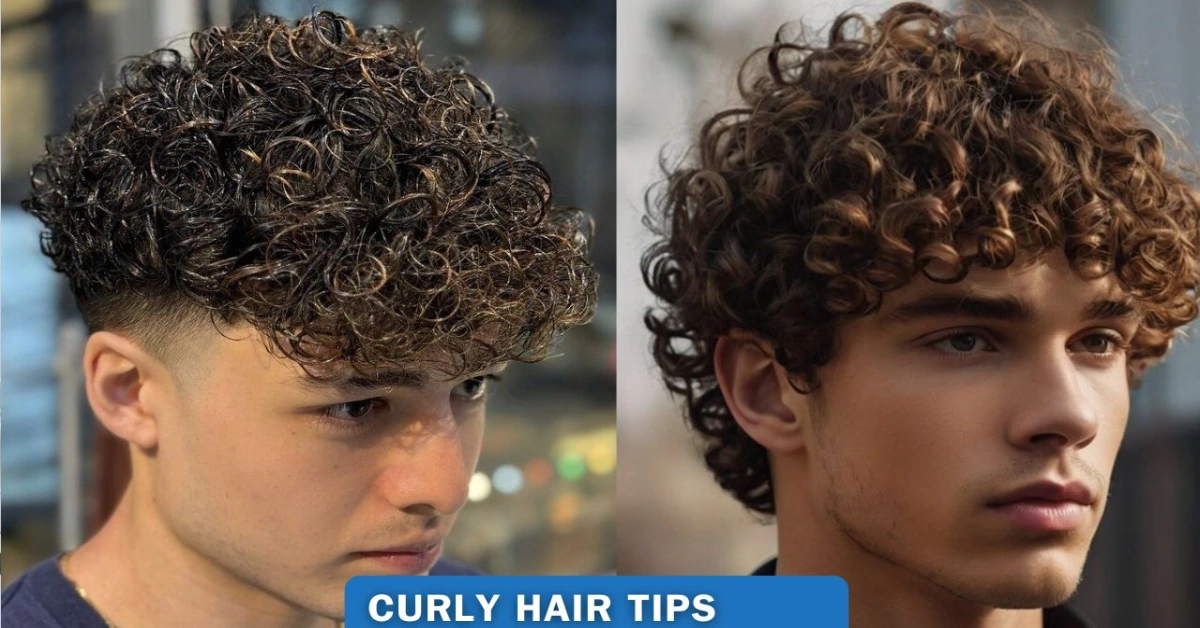
Curly Hair Tips For Beginners
Quick answer: Curly hair isn’t unmanageable — it’s just been managed with the wrong techniques for years. The core method that actually works: minimize friction (no rough towels, no brushing dry), maximize moisture (sulfate- and silicone-free products, regular deep conditioning), and style on wet or damp hair rather than dry. The ten tips below cover the specifics.
Know Your Curl Type First
Hair typing runs from type 2 (wavy) through type 3 (curly) to type 4 (coily/kinky), with A, B, and C sub-categories within each marking increasingly tight curl patterns. Knowing roughly where your hair falls helps calibrate product weight and technique — looser waves (2A-2C) usually need lighter products and less intervention, while tighter coils (4A-4C) generally need more moisture and richer products to stay defined and avoid dryness.
10 Practical Tips
1. Never Comb or Brush Dry Curls
Dry curls are already clumped into their natural pattern; combing or brushing through them breaks up those clumps and causes frizz. Detangle only on wet, conditioner-saturated hair.
2. Use a Sulfate-Free Shampoo
Sulfates clean effectively but strip natural oils aggressively, which curly hair — already prone to dryness because oil travels less easily down a curved hair shaft than a straight one — can’t afford to lose. Shampooing just the scalp, rather than the full length, also helps.
3. Always Follow With a Leave-In Conditioner
This is the step that actually defines curl clumps and controls frizz day to day, more than any other single product in the routine.
4. Check for Silicones in Conditioner Too
If you’ve gone sulfate-free, check your conditioner and leave-in as well — ingredients like dimethicone or amodimethicone coat the hair shaft and build up over time, and the only reliable way to remove that buildup is a sulfate shampoo, which undoes the point of avoiding sulfates in the first place.
5. Detangle With Conditioner In, Not After Rinsing
Saturate hair with conditioner in the shower until it feels slippery, then finger-detangle the major knots before finishing with a wide-tooth comb. This spreads product evenly and helps curl clumps form before you even leave the shower.
6. Seal With Curl Cream or Gel
Applied after the leave-in, a curl cream or gel seals the cuticle and helps curls hold their shape for longer between washes, including on second- and third-day hair. Looser waves often only need the leave-in step and can skip this.
7. Minimize Heat
Curly hair is already more prone to dryness than straight hair, and heat styling compounds that. A diffuser on low heat is far gentler than a direct blow-dry, and saving heat tools for occasional use rather than a daily routine matters more than avoiding them entirely.
8. Deep Condition Weekly
A richer, longer-sitting treatment than daily conditioner, a weekly deep condition measurably reduces frizz and dryness over time and adds noticeable shine.
9. Switch From a Towel to a T-Shirt or Microfiber Towel
Standard terry towels have a rough texture that roughs up the cuticle and causes frizz; a t-shirt or microfiber towel is smooth enough to scrunch out excess water without disturbing curl clumps.
10. Protect Curls Overnight
Sleeping on a standard cotton pillowcase, or letting hair move freely overnight, disrupts curl definition. A silk or satin pillowcase, or gathering hair loosely on top of the head (commonly called “pineappling”), helps curls hold their shape until morning.
Frequently Asked Questions
How often should curly hair actually be washed?
Many curly-hair routines wash just once or twice a week, refreshing curls in between with a light water-and-conditioner spritz rather than a full wash, since curly hair generally needs less frequent washing than straight hair to avoid excess dryness.
What’s the single biggest mistake beginners make with curly hair?
Brushing or combing it dry. It feels like the natural way to detangle, but it’s the most direct cause of frizz — all detangling should happen on wet, conditioner-saturated hair instead.
Do all curl types need the same products?
No — looser waves (type 2) typically need lighter products and can often skip a separate gel step, while tighter curls and coils (types 3-4) generally need richer leave-ins and more consistent deep conditioning to stay moisturized.
Is it ever okay to straighten curly hair?
Occasionally, yes, but frequent heat styling works against the moisture and structure the rest of this routine is trying to build. Treat it as an occasional choice rather than a regular habit, especially early in transitioning to a curly-hair routine.
Editorial note: This routine reflects widely used curly-hair care practice (often called the “curly girl method”) as of 2026. Curl pattern and hair density vary enough that some trial and error with specific product weights is normal before finding what works for your hair.