6 Real 1920s Hairstyles (Finger Waves, Bobs & More)
This guide covers 1920s-inspired hairstyles — the flapper-era looks built around finger waves, bobs, and low, glamorous updos — rather than styling advice for people currently in their 20s. If it’s a Gatsby party, a themed photoshoot, or just genuine interest in the era’s hair, these 6 styles cover the real techniques that defined it.
In This Guide
6 Real 1920s-Inspired Hairstyles
1. The Classic Bob
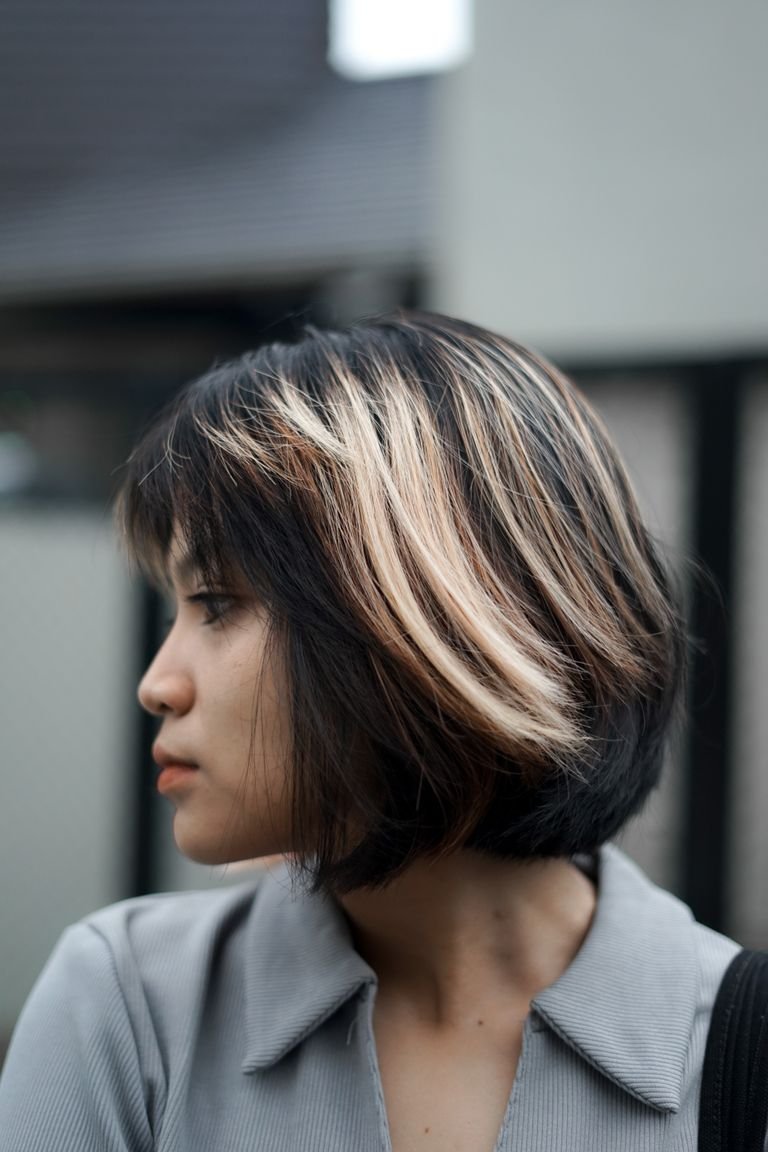
A chin-length, blunt-cut bob, often worn with a straight fringe. The single most defining cut of the era — the short bob was itself a radical style choice at the time, symbolizing a break from Victorian-era long hair.
2. Finger Waves
Deep, structured S-shaped waves set close to the scalp using fingers, a comb, and setting gel or lotion rather than heat tools, then left to dry and hold their shape. The signature texture of the era and still the most recognizable 1920s hair technique.
3. The Marcel Wave
A heat-set wave technique using a specialized curling iron, producing a more uniform, structured ripple than finger waves. Named after the French hairdresser who developed the technique in the late 19th century, though it became most strongly associated with 1920s styling.
4. Low, Loose Chignon
Hair gathered low at the nape into a soft, loosely pinned bun, often paired with a headband or bandeau across the forehead. The go-to style for longer hair that wasn’t cut into a bob, since it kept the low, close-to-the-head silhouette the era favored.
5. Faux Bob (Pin-Up Style)
Long hair pinned and tucked underneath to create the appearance of a short bob without actually cutting it. A practical workaround still used today by anyone who wants the 1920s bob look without committing to the cut.
6. Headband with Waves
Finger waves or a Marcel wave paired with a decorative headband — often beaded or feathered — worn low across the forehead just above the eyebrows. The most instantly recognizable “flapper” combination, especially for costume or themed events.
Frequently Asked Questions
Finger waves are set by hand with fingers, a comb, and setting product, with no heat involved. A Marcel wave is set with a heated curling iron and produces a more uniform, structured ripple.
No — the faux bob technique pins and tucks long hair to look like a short bob without cutting it, and a low chignon works well on any length longer than a bob.
With setting gel or lotion and careful sleeping (or a hairnet), finger waves can hold for several days, though they’re most commonly set fresh for a single event since the technique takes practice to master.
Yes — finger waves in particular were originally developed as a technique that works well on hair with natural texture, since the waves are set into the hair’s existing shape rather than fighting against it.
Beaded or feathered headbands worn low across the forehead, decorative hair combs, and simple pins are the most recognizable accessories from the era, typically paired with waves or a bob.
Final Thoughts
Finger waves and the classic bob are the two techniques worth learning first — nearly every other 1920s-inspired look on this list builds from one or the other. For a themed event, pairing waves with a beaded headband gives the most immediately recognizable flapper silhouette without needing a haircut you’re not ready to commit to.