12 Classic Clean Cut Haircuts Every Man Should Know
A clean cut haircut is not about following a trend. It is about hair that looks intentional every single day, needs almost no styling to look put together, and works whether you are heading into a client meeting, a wedding, or just running errands. If you are tired of a haircut that only looks good for the first three days after a barber visit, a clean cut style is usually the fix.
This guide breaks down the most reliable clean cut haircuts men actually get, how to choose one based on your hair type and face shape, what to ask your barber for, and how to keep the style looking sharp between trims.
What Makes a Haircut “Clean Cut”
A clean cut haircut generally shares a few traits: the sides and back are tapered or faded evenly, the top has a defined, uniform length rather than choppy or heavily textured layers, and the overall shape holds up with minimal daily styling. These cuts prioritize sharp lines and consistency over volume or elaborate texture, which is why they read as professional, tidy, and easy to maintain.
None of this means boring. A clean cut style can still be adapted with a hard part, a subtle fade, or a bit of texture on top. The defining feature is that the cut looks deliberate with very little effort, not that it is plain.
The Main Clean Cut Haircuts for Men
These are the classic, low-maintenance styles that come up most often when men ask for a “simple” or “regular” haircut. Lengths and maintenance windows are general guidelines. Hair growth speed varies, so ask your barber what interval works for your hair specifically.
| Haircut | Top Length | Sides | Trim Frequency | Styling Effort |
|---|---|---|---|---|
| Buzz cut | 1/8 to 1/2 inch, uniform | Same length as top, or lightly faded | Every 2 to 3 weeks | None |
| Crew cut | Short, slightly longer at the front | Tapered or faded | Every 3 to 4 weeks | Under 2 minutes |
| Ivy League | 1 to 2 inches | Tapered or faded | Every 3 to 4 weeks | 3 to 5 minutes |
| Caesar cut | Short, textured, blunt fringe | Low taper | Every 4 to 5 weeks | Minimal to none |
| French crop | Medium-short, forward fringe | Tapered or faded | Every 4 to 5 weeks | 2 to 3 minutes |
| Classic side part | 2 to 3 inches | Tapered or faded | Every 3 to 4 weeks | 3 to 5 minutes |
| Burr cut | Uniform, longer than a buzz | Same length as top | Every 3 to 4 weeks | None |
| High and tight | Short on top | Very short to skin on sides | Every 2 to 3 weeks | Under 2 minutes |
Buzz Cut
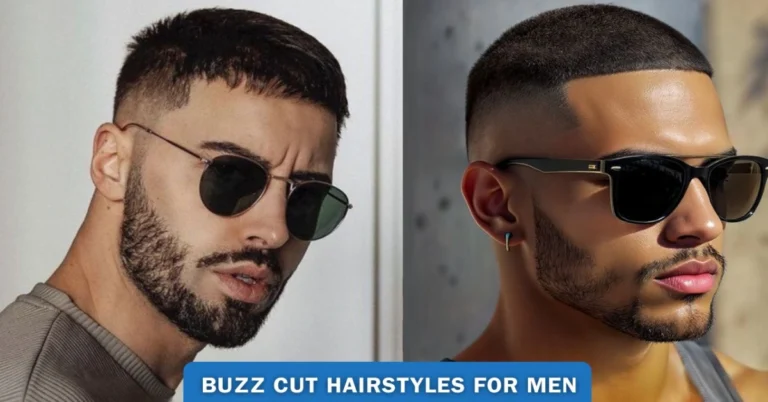
The buzz cut is the simplest style on this list: clippers set to one guard length, run evenly across the entire head. It requires no product, no comb, and no morning routine, which is exactly why it remains one of the most requested low-maintenance cuts. A modern variation fades the sides slightly shorter than the top, adding a bit of definition without any extra styling effort.
Crew Cut
The crew cut pairs short hair on top with tapered or faded sides. It sits between a buzz cut and an ivy league in length, offering a little more versatility than a buzz while still needing almost no daily maintenance. A small amount of matte pomade worked through damp hair is usually all it takes to finish the look.
Ivy League
Sometimes called the Harvard clip, the ivy league keeps 1 to 2 inches on top with tapered or faded sides. That extra length on top means you can sweep hair to one side, add a defined part, or leave it more textured, depending on your mood. It takes a bit more daily styling than a crew cut, usually three to five minutes with a light pomade or matte clay and a comb, but the payoff is a more adaptable look that moves easily between casual and formal settings.
Caesar Cut
Named after the short, forward-brushed hairstyle associated with Julius Caesar depictions, this cut features a short, textured top with a straight, horizontal fringe across the forehead. Modern versions usually pair it with a low taper rather than uniform sides. It is particularly popular with men who have a receding hairline, since the short fringe reads as a deliberate style choice rather than hair that is simply thinning.
French Crop
The French crop keeps slightly more length through the crown, with the hair styled forward into a textured, slightly choppy fringe. It works especially well on wavy or curly hair, since the natural movement adds texture without extra effort. A small amount of sea salt spray or matte paste helps define the fringe without looking greasy.
Classic Side Part
This is the haircut most people picture when they hear “business haircut.” Hair is grown out to 2 to 3 inches on top, parted firmly to one side with a comb, and the sides are tapered or faded to keep the overall shape controlled. It is one of the more polished options on this list and reads as formal enough for interviews, client meetings, and weddings, though it does need a few minutes of daily styling with pomade to hold the part.
Burr Cut
The burr cut sits between a buzz cut and a crew cut in length, using a slightly longer clipper guard for uniform coverage across the head. It is a forgiving option for anyone trying an extremely short style for the first time, since the added length is more flattering on a wider range of head shapes than a true buzz cut.
High and Tight
A high and tight keeps a small amount of length on top while fading the sides down to skin well above the ear, creating a sharp contrast between the two. It originated as a military style and remains popular for its near-zero maintenance and clean, structured look. It is one of the more demanding cuts to grow out evenly, so it works best if you are committed to visiting the barber every two to three weeks.
Choosing a Clean Cut Style by Hair Type
Hair texture affects how easily a style holds its shape and how much product it needs.
- Straight hair: Holds a defined part cleanly, which makes the classic side part and ivy league especially reliable. Straight hair also shows a fade line clearly, so ask your barber for a slightly softer blend if you want a more relaxed look.
- Wavy hair: Adds natural texture that works well with the French crop or a textured crew cut. A light sea salt spray or texturizing cream brings out the wave pattern without looking overworked.
- Curly hair: Needs to be cut dry, or at least checked dry after a wet cut, since curls shrink significantly once they dry. A skilled barber will account for this shrinkage when cutting a crew cut, French crop, or caesar cut on curly hair.
- Thin or fine hair: Tends to look best with tapered rather than heavily faded sides, since a hard contrast can emphasize sparse density. Shorter overall lengths, like a crew cut or burr cut, also reduce the appearance of thinning because there is less hair to fall flat.
- Thick hair: Can carry more length and texture without looking bulky, so an ivy league or classic side part with some layering underneath tends to sit better than an extremely short buzz cut, which can look boxy on very dense hair.
Choosing a Clean Cut Style by Face Shape
None of these rules are absolute, and a good barber will adjust based on your actual proportions, but they are a useful starting point.
- Round face: Styles with more height on top, like the ivy league or classic side part, add vertical length and balance rounded features. Very short, uniform buzz cuts can sometimes emphasize roundness.
- Square face: Softer, textured styles like the French crop or a crew cut with slight texture complement strong jawlines without adding more sharp angles.
- Oval face: Considered the most versatile face shape, oval faces suit nearly every style on this list, including the buzz cut and high and tight.
- Long face: Shorter styles with less height on top, such as the crew cut or caesar cut, help avoid elongating the face further. A side fringe, like the French crop or caesar cut, can also help visually shorten the forehead.
- Heart-shaped face: A style with some width and texture at the crown, like an ivy league or textured crew cut, balances a narrower chin against a broader forehead.
How to Ask Your Barber for a Clean Cut Style
Vague requests like “just a regular haircut” often lead to inconsistent results between visits. Being specific gets you a repeatable outcome:
- Name the style directly, such as “a crew cut” or “an ivy league with a taper,” rather than describing it loosely.
- Specify the guard number or approximate length you want on top and on the sides, for example “a number 2 on the sides, scissor-over-comb on top.”
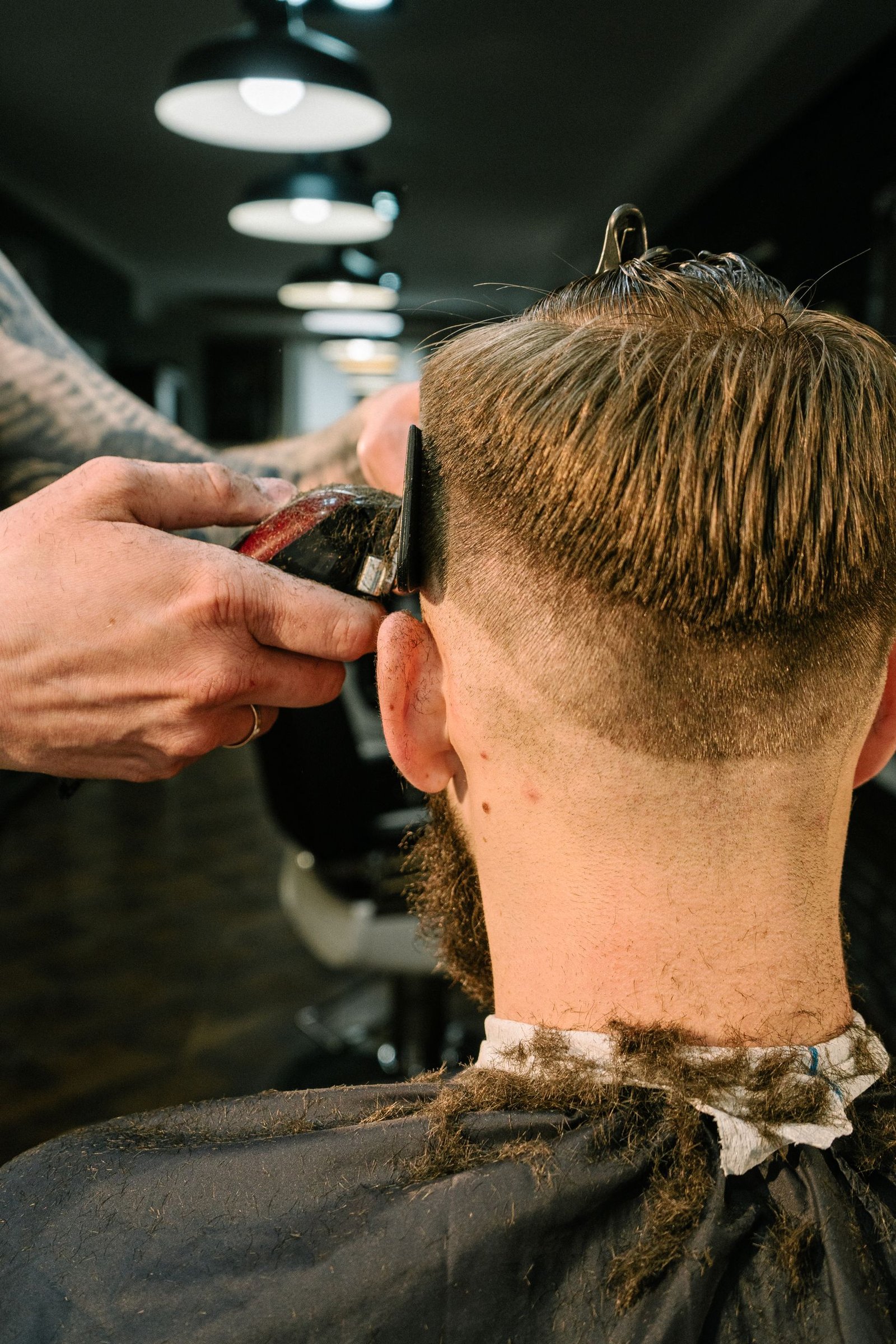
- Clarify whether you want a taper (a gradual, soft blend) or a fade (a sharper, more defined transition), since barbers use these terms precisely even when clients use them interchangeably.
- Bring a reference photo if you have one. A photo removes almost all ambiguity about the exact silhouette you are going for.
- Ask your barber to note the clipper guards and technique used so you, or a different barber later, can replicate the same cut next time.
Maintenance and Styling Basics
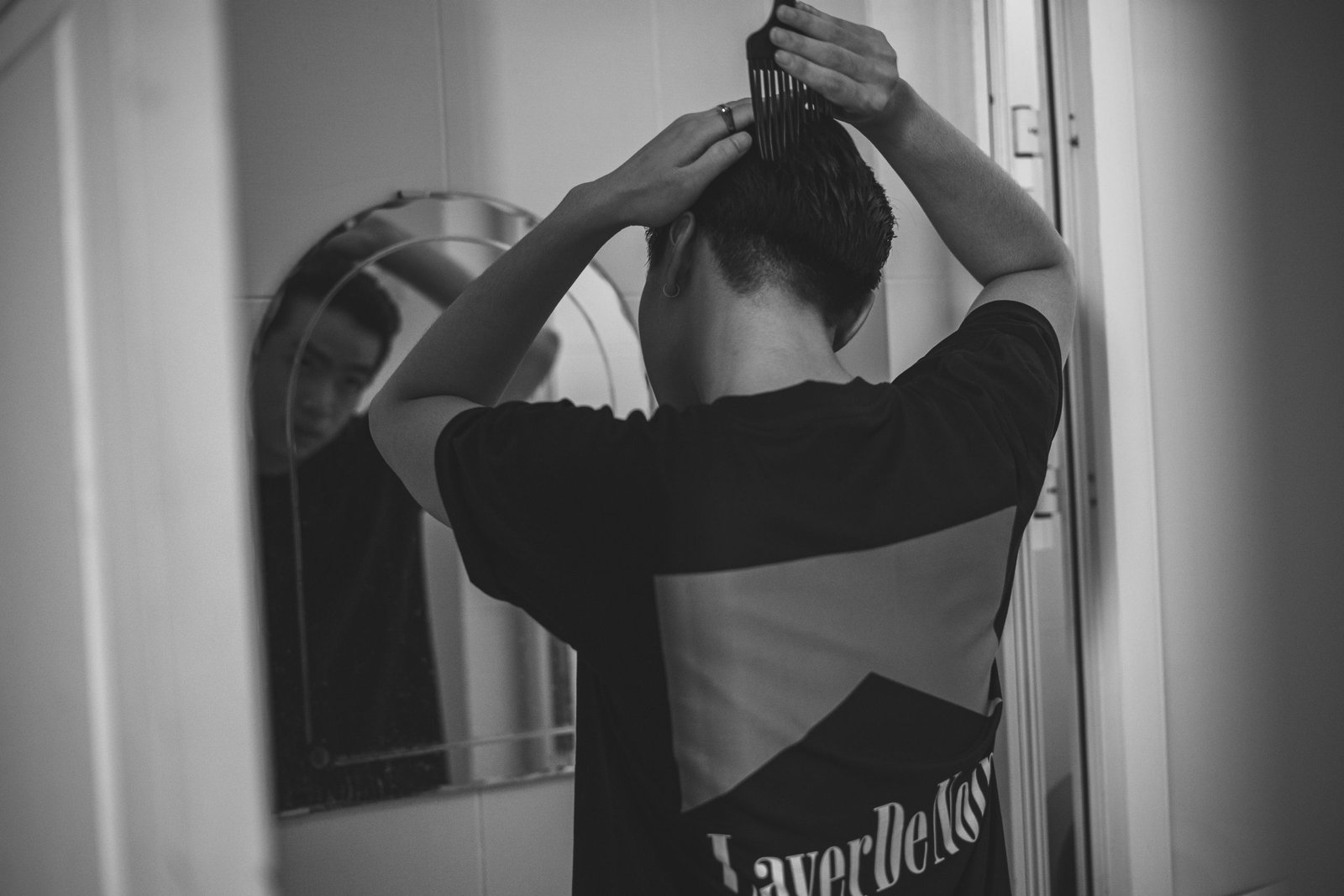
Most clean cut styles fall into a 2 to 5 week trim cycle. Shorter cuts like a buzz cut or high and tight grow out visibly faster and need more frequent trims to keep their sharp lines, while styles with more length on top, like an ivy league or classic side part, can stretch a little longer between visits since the growth is less noticeable.
For daily styling, a small amount of product goes a long way on these cuts:
- Matte pomade or clay works well for crew cuts, French crops, and ivy leagues that need texture without shine.
- Classic, higher-shine pomade suits a side part best, since it helps the comb lines hold and gives a more formal finish.
- Sea salt spray is useful for adding texture to wavy or curly hair styled into a French crop or textured crew cut.
- No product at all is genuinely the right call for buzz cuts, burr cuts, and high and tight styles. Adding product to hair this short usually just looks greasy rather than styled.
If you keep a set of clippers at home to maintain a buzz cut or high and tight between barber visits, our guide to choosing the best hair clippers for home use covers what to look for in guard sizes, motor power, and blade quality.
Clean Cut Haircuts and Facial Hair
Because these styles are defined by sharp, clean lines, they pair naturally with equally well-maintained facial hair. A high and tight or crew cut alongside a scruffy, undefined beard tends to look mismatched, since the precision on top draws attention to anything less tidy below. If you keep a beard alongside a clean cut style, our guide to short beard styles for men has options that match this same low-maintenance, sharp-edged aesthetic.
Common Mistakes to Avoid
| Mistake | Why It Happens | How to Fix It |
|---|---|---|
| Waiting too long between trims | Clean cut styles rely on sharp lines that grow out visibly within 2 to 4 weeks | Book your next appointment before you leave the barbershop |
| Using too much product | Overcompensating for short hair or trying to add hold that is not needed | Start with a small amount, about the size of a pea, and add more only if needed |
| Choosing a style that ignores hair texture | Picking a cut based on a photo without accounting for curl pattern or density | Discuss your natural texture with your barber before committing to a specific style |
| Not communicating guard numbers clearly | Relying on vague terms like “short” or “medium” | Ask your barber to write down or remember the exact guards used for next time |
| Skipping the beard when it does not match | Focusing entirely on the haircut and neglecting facial hair upkeep | Trim or shape facial hair on the same schedule as haircuts for a cohesive look |
Frequently Asked Questions
What is the easiest clean cut haircut to maintain?
The buzz cut and burr cut require the least daily effort since there is no styling involved at all, just clippers run evenly over the head every two to three weeks. If you want something with slightly more versatility but still minimal upkeep, a crew cut is a close second, needing only a small amount of pomade and a couple of minutes to style.
How often should I get a clean cut haircut trimmed?
Most clean cut styles need a trim every 3 to 4 weeks to keep their defined lines. Very short styles like a buzz cut or high and tight grow out faster and often look best with a trim every 2 to 3 weeks, while longer styles like the classic side part or ivy league can sometimes stretch to 4 or 5 weeks.
Are clean cut haircuts good for job interviews and formal events?
Yes. Clean cut styles are specifically associated with a polished, professional look because of their sharp lines and minimal texture. The classic side part and ivy league are the most traditionally formal options, while a crew cut or French crop also reads as neat and put together without looking overly severe.
Can curly hair work with a clean cut style?
Yes, but the cutting technique matters more than with straight hair. Curls shrink noticeably as they dry, so a barber experienced with curly hair will typically cut it dry, or check the length on dry hair before finishing a wet cut, to avoid ending up shorter than intended.
What is the difference between a taper and a fade?
A taper gradually shortens the hair toward the hairline with no hard lines, creating a soft, blended transition. A fade creates a more dramatic, defined contrast between longer and shorter sections, sometimes going all the way down to skin. Both can be used on the same clean cut styles, so it comes down to how sharp or subtle you want the transition to look.
Final Thoughts
The appeal of a clean cut haircut is consistency. You know what it will look like the day after a trim and, with the right maintenance schedule, you know what it will look like three weeks later too. Whether you land on a low-effort buzz cut or a slightly more styled classic side part, the key is picking a length and shape that actually suits your hair texture and face shape, then keeping it on a regular trim schedule so it never has a chance to grow out and lose its edge.