32 Prettiest Brown Hair With Blonde Highlights of 2026
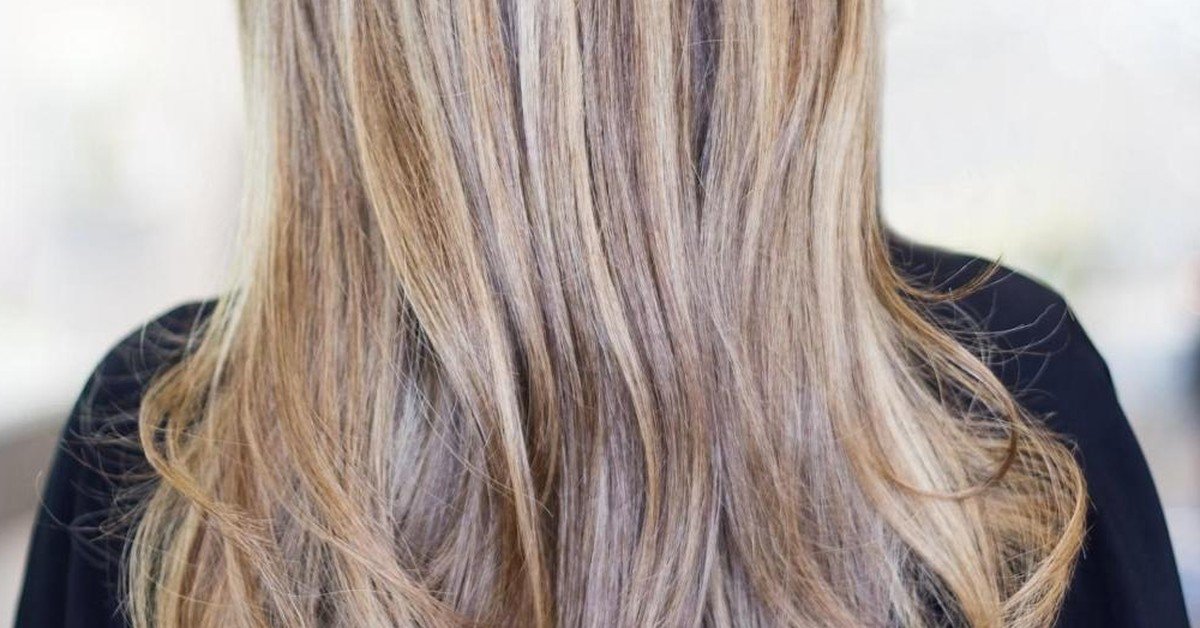
Brown hair with blonde highlights is the single most requested hair color combination in salons worldwide, and for good reason: it brightens the face, adds movement to flat one-note brunette, and grows out without the harsh demarcation line that comes with all-over blonde. But “highlights” is not one look. The technique a colorist uses, and where the lightener actually sits on the strand, changes the result completely, and picking the wrong one for your hair type or skin tone is the most common reason people end up disappointed with a color they thought they wanted.
This guide breaks down the real differences between the techniques colorists actually use, walks through 30 ways to wear brown hair with blonde highlights in 2026, and explains the maintenance side that most articles skip: why highlights fade the way they do, what Dubai’s water and sun specifically do to blonde tones, and what a realistic salon visit costs in the UAE.
What Makes This Combination Work
Brown hair with blonde highlights works because it uses contrast in small, controlled doses rather than committing to a single flat shade. Solid brunette can look heavy under overhead light and ages the face faster than brown broken up with lighter pieces. Solid blonde, on the other hand, requires constant root maintenance and can wash out a warm or olive complexion if the undertone is off. Highlights split the difference: the brown base still frames and grounds the color, while strategically placed blonde pieces catch the light, soften the overall look, and let the hair grow out for months without an obvious two-tone line at the scalp.
The other reason this pairing has stayed popular for over a decade, rather than fading as a trend, is that it is genuinely adjustable. The same base concept can be barely-there and natural (a few babylights around the face) or full commitment (a near-blonde money piece with heavy balayage through the lengths), and everything in between. That range is why it works on virtually every hair length, texture, and starting shade of brown.
Highlighting Techniques, Compared Honestly
Every one of the looks below is built from a handful of core techniques. Understanding what each one actually does at the strand level makes it much easier to describe what you want to a colorist instead of just pointing at a photo and hoping.
| Technique | How It’s Applied | Look and Contrast Level | Best For |
|---|---|---|---|
| Balayage | Lightener hand-painted freehand directly onto the surface of sectioned strands, without foil | Soft, sun-kissed gradient with blurred edges; low to medium contrast | Low-maintenance brunettes who want a natural, grown-out look from day one |
| Babylights | Very fine, narrow sections foiled with diluted lightener, mimicking the fine natural highlights kids get from sun exposure | Delicate shimmer, minimal brightening | First-time highlight clients, fine hair, or anyone who wants brightness without visible “stripes” |
| Traditional Foil Highlights | Sectioned strands foiled and lightened with a full-strength lightener, root to tip | More defined, higher-contrast pieces with clean lines | Thick or coarse hair that needs more lift, or clients who want a noticeably brighter, more structured result |
| Foilyage | Balayage painting technique processed inside foils rather than left open to air | Balayage’s soft blend, but lighter and more saturated because foils trap heat | Darker brunettes who want balayage’s shape with more actual lift |
| Ombré | Gradual, deliberate lightening concentrated from mid-lengths to ends, leaving roots dark | Visible dark-to-light fade, bolder and more graphic than balayage | Anyone wanting a clear color transition rather than scattered pieces |
| Money Piece / Face-Framing | Two or three heavier foiled or painted sections placed only around the front hairline | Concentrated brightness right at the face | Adding light near the face without committing to highlights through the whole head |
Balayage and foilyage tend to be the most forgiving for regrowth because the lightener is concentrated away from the root, which is also why they usually stretch to 10–14 weeks between salon visits. Traditional foils and ombré with a hard line typically need touch-ups closer to every 6–8 weeks, since new growth is more visually obvious against a defined edge.
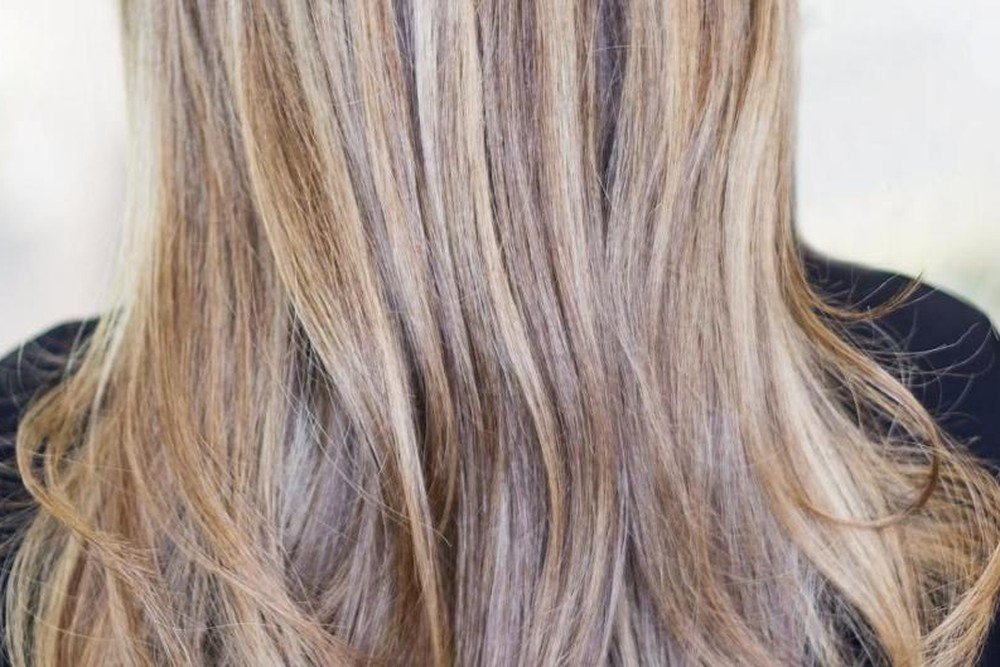
30 Brown Hair with Blonde Highlights Ideas for 2026
- Face-Framing Money Piece — two bold, bright sections around the front hairline on an otherwise untouched brown base.
- Golden Balayage Through Medium Brown — warm honey-gold pieces painted through mid-lengths and ends.
- Icy Babylights on Dark Brown — fine, cool-toned strands woven through a deep brunette base for subtle shimmer.
- Caramel Highlights on Chocolate Brown — warm caramel ribbons that read as brown from a distance and blonde up close.
- Chunky Foil Highlights, 90s-Inspired — thicker, more defined pieces with visible separation, a returning trend for those who want a retro edge.
- Root-Smudged Blonde Balayage — a soft shadow root that blurs into blonde lengths with almost no visible line.
- Platinum Peekaboo Highlights — near-white pieces placed underneath the top layer, revealed only when hair moves.
- Full Foilyage on Light Brown — heavier, more saturated blonde coverage than balayage, still hand-painted in shape.
- Bronde Blend — brown and blonde balanced so evenly neither reads as the “base,” a genuinely in-between color.
- Ash Blonde Highlights on Cool Brown — smoky, non-yellow blonde pieces for cool or neutral undertones.
- Buttery Blonde Highlights on Warm Brown — soft, creamy yellow-gold tones for warm complexions.
- Copper-Kissed Blonde on Auburn Brown — highlights toned slightly warm to bridge a red-brown base.
- Blonde Highlights with a Dark Root Stretch — a longer, deliberately grown-out root shadow for minimal upkeep.
- Face-Framing Balayage on Curly Brown Hair — pieces placed to follow the curl pattern rather than straight sections.
- Vanilla Blonde Highlights on Medium Brown — pale, soft-yellow tone that stays gentle rather than brassy.
- Two-Tone Ombré with Blonde Ends — a defined, graphic transition from brown roots into full blonde tips.
- Babylights with a Glossy Brown Base — reflective, glass-like brown with only faint, fine blonde threading.
- Dimensional Highlights for Fine Hair — thinner, more numerous sections designed to add the appearance of thickness.
- Blonde Highlights on Layered Long Brown Hair — placement that tracks each layer so the color moves with the cut.
- Sandy Blonde Balayage — a muted, beige-leaning blonde with almost no gold, popular for a low-maintenance neutral look.
- Blonde Streaks on a Textured Bob — shorter hair with a handful of bold pieces concentrated near the ends.
- Face-Framing Highlights with a Middle Part — placement adjusted so both sides catch light evenly.
- Rooted Honey Blonde — full honey-blonde highlighting with a soft, natural root left visible on purpose.
- Blonde Balayage on Brown Hair with Bangs — subtle pieces threaded through the fringe for softness around the face.
- Champagne Blonde Highlights — a cool, slightly pink-beige blonde that works well on fair, cool-toned skin.
- Contour Highlighting — placement mapped to the face shape, brightening cheekbones and the jawline specifically.
- Blonde Highlights with Balayage Underneath — a hidden layer of brighter blonde under a darker top layer, for versatility when hair is worn up or down.
- Warm Beige Blonde on Deep Brown — enough contrast to show clearly against very dark bases without looking harsh.
- Blonde Highlights on Short Pixie Cuts — small, precise sections that emphasize the cut’s shape rather than length.
- All-Over Fine Highlighting (“Full Head”) — highlights placed uniformly across the whole head rather than concentrated at the surface, for maximum overall brightness.
Choosing a Blonde Tone for Your Skin Undertone
The biggest factor in whether blonde highlights look flattering or washed-out usually isn’t the technique, it’s whether the specific shade of blonde matches your skin’s undertone. A colorist can execute a technically perfect balayage and it can still look wrong if the tone fights your complexion.
| Undertone | Flattering Blonde Tones | Tones to Approach Carefully |
|---|---|---|
| Warm (golden, peachy, yellow undertones) | Honey blonde, golden blonde, caramel blonde, buttery blonde | Very ashy or platinum tones can look stark against warm skin |
| Cool (pink or blue undertones) | Ash blonde, champagne blonde, pearl blonde, icy platinum | Heavy golden or copper-toned blonde can clash |
| Neutral | Bronde, beige blonde, caramel blonde, champagne blonde | Most tones work; extremes in either direction (very warm or very ash) are the main risk |
| Deep / Medium-Dark | Honey blonde, caramel blonde | Very pale, low-lift blondes may look chalky rather than luminous against deeper skin |
If you are unsure of your undertone, a colorist can usually tell within a few minutes by holding different foil swatches near your face in natural light, which is a better test than guessing from a photo online.
How Long Blonde Highlights Actually Last on Brown Hair
Highlights don’t fail all at once; three separate things happen on different timelines, and understanding them explains why a color that looked perfect on day one can look off by week six even without any visible regrowth.
Tone shift happens fastest. Lightened hair has an open cuticle and no pigment left to protect it, so the toner applied on top (the step that makes a yellow-lifted strand look ash, beige, or platinum) is the first thing to fade, usually within two to four weeks. This is why highlighted hair often looks “brassy” or warmer long before the placement itself grows out.
Regrowth is a separate clock. This is purely about how fast new hair grows in at the root and is largely genetic, averaging around half an inch per month. Techniques where lightener is placed away from the root, like balayage and foilyage, buy extra time here because there’s simply more untouched hair before the line becomes visible.
Structural damage accumulates slowest but matters most long-term. Repeated lightening weakens the internal protein structure of the hair shaft. This is the reason colorists space out full re-highlighting appointments rather than lightening the same strands every few weeks, even if the tone has faded, since over-processing leads to breakage that no toner or gloss can fix.
Keeping Blonde Highlights Looking Fresh
- Use a purple or blue-toned shampoo once or twice a week, not daily. Purple pigment sits opposite yellow on the color wheel and neutralizes the warm tones that develop as toner fades. Overusing it can leave hair looking dull or slightly purple-grey instead.
- Book a gloss or toner refresh between full color appointments. A gloss doesn’t lighten anything, it just re-deposits the tone, and it’s a fraction of the cost and time of a full highlighting session.
- Switch to lukewarm or cool water for washing. Hot water opens the cuticle further and accelerates color loss, particularly on freshly lightened sections.
- Use a color-safe, sulfate-free shampoo and conditioner. Sulfates strip color faster than gentler cleansing surfactants.
- Apply a bond-repair or protein treatment periodically, especially if using multiple rounds of lightener, to help offset structural weakening from repeated processing.
Blonde Highlights in Dubai’s Climate
Two environmental factors hit highlighted hair harder in the UAE than in most other markets, and neither is something a normal hair-care routine automatically accounts for.
Sun exposure is near-constant and intense. UV doesn’t just fade the artificial tone on top of your highlights, it can also naturally lighten and dry out hair that’s already been chemically processed and is more porous than virgin hair. A UV-protectant leave-in spray, and a hat or scarf during peak midday sun, makes a real difference for anyone with lightened sections.
Dubai’s tap water is desalinated and mineral-heavy, and this mineral content can coat the hair shaft, making color look duller and hair feel less smooth over time, and can pull blonde tones warmer than intended between salon visits. A filtered showerhead is a common and relatively inexpensive fix many Dubai-based colorists recommend to clients specifically because of this. Chlorinated pool water compounds the same problem, so rinsing hair with clean water immediately before and after swimming, and applying a leave-in barrier product, helps limit how much chlorine and mineral buildup the hair shaft absorbs.
What Blonde Highlights Cost in the UAE
Pricing in Dubai varies significantly by salon tier, hair length and thickness, and the specific technique requested. The ranges below reflect typical 2026 salon pricing for balayage-style highlighting, which is one of the more common ways this look is done; traditional full-foil highlighting and toner-only refreshes are generally priced separately.
| Service | Typical Price Range (AED) | Notes |
|---|---|---|
| Short hair highlighting/balayage | 650 – 850 | Above-shoulder length |
| Medium-length highlighting/balayage | 900 – 1,250 | To collarbone length |
| Long or thick hair highlighting/balayage | 1,300 – 1,900 | Extra lightener bowls typically add 150–250 AED each |
| Toner or gloss refresh (standalone) | 300 – 550 | Maintains tone between full highlighting sessions |
| Premium/downtown salon color services | 1,800+ | Starting price at high-end central Dubai salons |
Salons in more residential or business-district neighborhoods generally offer meaningfully better value than salons in high-traffic tourist areas, and a master colorist typically charges a premium over a senior stylist for the same service.
Frequently Asked Questions
Will blonde highlights damage brown hair?
Any lightening process involves some level of structural change to the hair, since lightener works by breaking down the natural pigment inside the strand. The degree of damage depends heavily on how much lift is needed (going from dark brown to platinum is far more aggressive than adding a few honey-toned pieces), how the service is performed, and how well the hair is cared for afterward with bond-repair treatments and reduced heat styling.
How do I stop my highlights from turning brassy?
Brassiness happens as the cooler toner applied over lifted hair fades and the underlying warm, yellow-orange base tone shows through again. A purple shampoo used once or twice weekly, along with periodic professional gloss refreshes, keeps the cooler tone in place longer.
Can I get blonde highlights if I’ve never colored my hair before?
Yes. Babylights and balayage are specifically well suited to first-time highlighting because they use a lighter touch and grow out gradually, without demanding heavy root maintenance right away.
How long should I wait between highlighting appointments?
It depends on the technique. Balayage and foilyage, where lightener sits away from the root, typically stretch to 10–14 weeks. Traditional foil highlights with a more defined pattern usually need touch-ups closer to every 6–8 weeks as regrowth becomes more visually obvious.
Brown hair with blonde highlights remains popular because it’s genuinely flexible: the same underlying idea scales from a single face-framing piece to full dimensional highlighting, and the choice of technique, tone, and placement can be tailored to hair type, skin undertone, and how much upkeep someone actually wants to commit to. Understanding those variables, rather than just picking a photo, is what separates a color that looks right for a few weeks from one that grows out gracefully and holds up against real-world conditions like sun, pool water, and Dubai’s mineral-heavy tap water.
For related color ideas, see our guides to brown balayage hair colors and blonde balayage hair color ideas.