27 Popular Brown Balayage Hair Colors for 2026
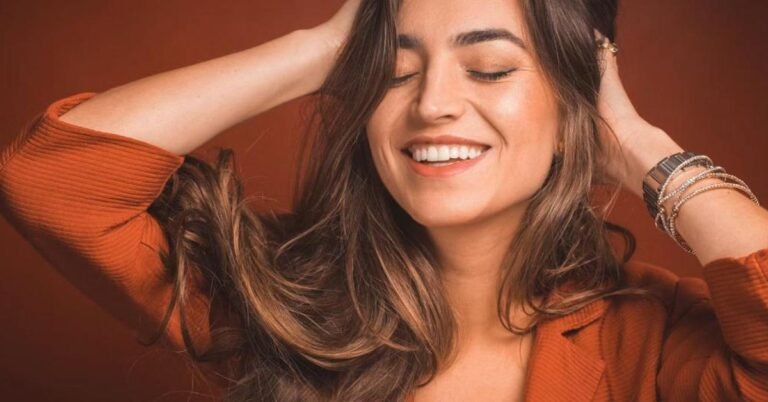
Brown balayage is the technique that made brunettes stop envying blondes’ sun-kissed dimension. Rather than lightening the whole head or laying in a grid of foils, a colorist hand-paints lightener onto the surface of the hair in loose, irregular sweeps — concentrated toward the mid-shaft and ends, left soft near the root. On a brown base, that technique produces exactly what natural sun exposure would: warm, uneven lightness that looks earned rather than applied.
This guide covers how balayage actually differs from foil highlights (and why that difference matters more on brown hair than on any other base color), 27 specific brown balayage shade ideas, and what the real grow-out timeline looks like once you’ve committed. If you’re set on going lighter overall rather than adding dimension to a brown base, our guide to blonde balayage covers that direction instead.
Balayage vs. Foil Highlights: Why the Technique Matters More on Brown Hair
Both techniques lighten sections of hair, but how they place that lightness is fundamentally different, and the difference shows up more clearly on a brown base than on any other starting color.
| Aspect | Balayage | Foil Highlights |
|---|---|---|
| Application | Hand-painted freehand, concentrated from mid-shaft to ends | Sectioned with foils, applied root to tip in defined panels |
| Root treatment | Left soft and largely untouched near the root | Color reaches close to the root in each foiled section |
| Regrowth appearance | Blends gradually — no hard demarcation line | Creates a visible line as natural root color grows in |
| Touch-up interval | Every 3-4 months, sometimes longer | Every 6-8 weeks to avoid an obvious grown-out band |
On brown hair specifically, this matters because brown’s natural root color already reads as a believable “shadow” under the lightened pieces — there’s no jarring transition the way there can be when very light blonde highlights grow out against a much darker natural base. That’s a large part of why balayage on brown hair can genuinely go three, four, even five months between salon visits without looking neglected, while the same colorist would tell a foil-highlighted blonde client to come back in six to eight weeks.
Choosing a Brown Balayage Tone for Your Skin and Base Color
| Skin Undertone | Best-Suited Brown Balayage Direction |
|---|---|
| Cool / pink undertone | Ash brown, salted caramel, or rose-gold-brown balayage — avoid strongly golden or orange-leaning tones |
| Warm / golden undertone | Golden caramel, honey, or chestnut balayage — these read as glowing rather than brassy on warm skin |
| Neutral undertone | Most brown balayage variations, including classic caramel and chocolate melt |
| Deep skin tones | Higher-contrast combinations — deep chocolate base with bright caramel or honey ribbons reads clearly rather than blending away |
Starting hair level matters as much as skin tone. On a naturally dark brown or near-black base (levels 3-4), reaching a warm caramel or honey result usually takes more than one lightening session, since jumping several levels in a single visit risks damage and an uneven, brassy-orange intermediate stage. Lighter brown starting points (levels 5-6) generally reach caramel or golden tones in a single session with less lift required.
27 Brown Balayage Hair Color Ideas
1. Classic Caramel Balayage
Warm, honey-adjacent caramel painted through a medium brown base — the most requested brown balayage shade for a reason: it works on nearly every skin tone and brown starting level.
2. Dark Caramel Balayage
A more subtle, toffee-toned version for anyone who wants warmth without high contrast against a deeper brown base.
3. Golden Caramel Balayage
Brighter, sun-bleached-looking caramel with noticeably more contrast — closer to what natural highlights look like after a summer outdoors.
4. Salted Caramel Balayage
A cooler, beige-leaning caramel that avoids gold or orange undertones — suited to cool and pink undertones specifically.
5. Chocolate Melt
Deep chocolate brown with glossy, subtle ribbons of lighter brown woven through rather than a high-contrast highlight — dimension without obvious “highlighted” styling.
6. Chestnut Balayage
A reddish-brown base with warm, golden-chestnut pieces melting through — sits at the intersection of brown balayage and the reddish-brown color family.
7. Ash Brown Balayage
Cool, muted brown tones for anyone who wants dimension without warmth — requires more maintenance than warm shades since ash tones need regular toning to stay neutral.
8. Honey Brown Balayage
Golden honey pieces through a warm brown base — brighter and more amber than classic caramel.
9. Rose Gold Brown Balayage
A brown base with subtle rose-gold shimmer woven through the balayage pieces — a softer, more fashion-forward take that still reads as a wearable brunette from a distance.
10. Strawberry Blonde Balayage on Brown
Warm, rosy-golden pieces that lean toward strawberry blonde rather than pure caramel — best on naturally lighter brown bases that don’t need heavy lifting to reach that tone.
11. Money Piece Balayage
Concentrated lightening around the face-framing pieces specifically, rather than throughout the whole head — a lower-commitment, lower-maintenance way to get brightness where it shows most.
12. Root Smudge Balayage
A soft, deliberately smudged transition at the root that blurs the line between natural brown and the lightened pieces even further than standard balayage.
13. Espresso Brown with Caramel Balayage
A near-black espresso base with warm caramel pieces for maximum contrast — one of the more dramatic options on this list.
14. Cinnamon Brown Balayage
A warm, spice-toned brown balayage that leans slightly more orange-red than classic caramel without going fully into the reddish-brown family.
15. Toffee Balayage
A medium-warmth caramel-adjacent tone, slightly deeper and less golden than classic caramel — a good middle ground for anyone unsure between caramel and chocolate melt.
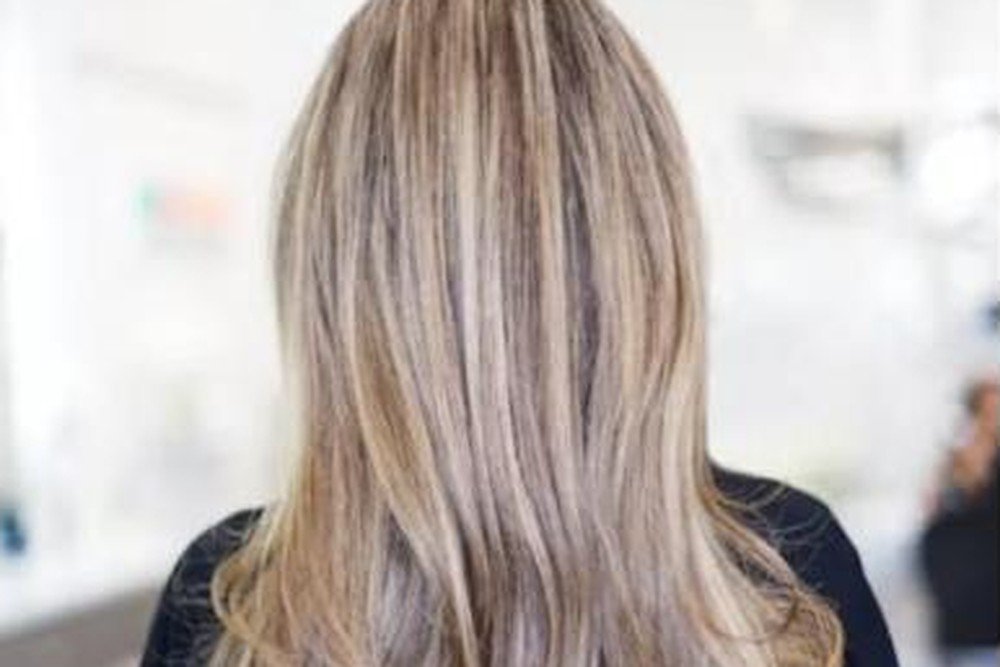
16. Bronde Balayage
A blend that sits directly between brown and blonde, with enough lightened balayage pieces that the overall impression reads as “bronde” rather than clearly brunette.
17. Face-Framing Caramel Balayage
Balayage concentrated specifically around the hairline and face-framing pieces, with the rest of the hair left a more solid brown — a subtler option than full-head balayage.
18. Dimensional Brunette Balayage
Multiple closely-related brown tones woven together (rather than brown-plus-caramel) for a richer, more layered look that still reads as a natural brunette.
19. Copper Brown Balayage
Warm copper-toned pieces through a brown base — brighter and more saturated than chestnut, without moving fully into a red-dominant color family.
20. Balayage Ombré on Brown Hair
A more graduated, root-to-tip transition than classic balayage, with color deepening from lighter ends back to a fuller brown at the root and crown.
21. Low-Maintenance Brown Balayage
A deliberately subtle version — fewer, finer pieces placed only at the very ends — designed to grow out for six months or more without needing a touch-up.
22. Honey and Caramel Mixed Balayage
Two warm tones woven together rather than one uniform caramel, for extra dimension and a less flat, single-note result.
23. Brown Balayage with Blonde Ends
A more dramatic root-to-tip transition ending in near-blonde tips, while the crown and mid-lengths stay solidly brown — a higher-contrast, higher-maintenance option.
24. Warm Chestnut Blonde Balayage
Reddish-brown chestnut at the base melting into golden-blonde ribbons — a warmer, more red-adjacent alternative to classic caramel balayage.
25. Balayage on Curly Brown Hair
On curly or coily textures, hand-painted color catches each curl’s individual light and shadow differently than it would on straight hair, adding dimension without needing extra sections — see our curly hair coloring guide for texture-specific placement considerations.
26. Cool-Toned Ash Balayage
For brunettes who specifically want to avoid any gold or copper cast — requires more frequent toning upkeep than any warm shade on this list, since ash tones drift toward brass as they fade.
27. Subtle Sun-Kissed Balayage
The most natural-looking option: fine, soft pieces meant to mimic what a few months in strong sun would do to brown hair rather than a deliberate, obvious color change.
What Balayage Actually Costs vs. Full Highlights — and Why
Balayage is often priced comparably to or slightly higher than a full set of foil highlights for a single visit, which surprises people who assume the lower-maintenance technique should also be cheaper up front. The reason is time, not product: hand-painting takes a skilled colorist longer per client than sectioning and foiling, since every piece is placed individually rather than following a repeatable foil pattern. Where balayage saves money is over the following year — because touch-ups are needed roughly every 3-4 months instead of every 6-8 weeks, the total annual cost of maintaining balayage is usually lower than maintaining foil highlights, even though any single visit may cost about the same.
Maintaining Brown Balayage Hair in Dubai’s Climate
Balayage’s main practical advantage — a long, low-maintenance stretch between salon visits — holds up well in Dubai’s climate specifically, since the color doesn’t rely on a crisp root line staying invisible. That said, a few adjustments keep warm brown balayage tones looking fresh for the full 3-4 month stretch rather than fading or dulling early:
- Use a color-protecting, sulfate-free shampoo — UAE tap water is notably hard, and combined with strong sun exposure it can dull lightened pieces faster than in a milder climate.
- Apply a leave-in UV protectant before extended outdoor time, since balayage’s lightened sections are the most sun-exposed part of the hair and the most prone to visible fading or brassiness.
- Book a gloss refresh around the 8-10 week mark even if a full color touch-up isn’t due yet — this re-saturates the tone without redoing the placement, keeping caramel or honey pieces from drifting toward flat or brassy.
- Rinse with cooler water when possible, since hot water accelerates color fading generally and is worth avoiding on any chemically lightened hair.
On cost specifically: using the same reference Dubai salon price list cited elsewhere on this site, a full-head balayage service typically runs from roughly AED 500-800 for short-to-medium hair and AED 900-1,400 for long hair, depending on how many pieces are painted and how much lift the base color requires. A partial or money-piece-only balayage is usually available at a lower price point for anyone wanting the look without the full-head commitment.
Frequently Asked Questions
How is balayage different from ombré?
Ombré is a deliberate, graduated root-to-tip transition, usually with a clearer boundary between the darker top and lighter bottom. Balayage is more irregular and piece-by-piece, designed to mimic natural, uneven sun-lightening rather than a smooth gradient — though the two techniques are often combined, as in a “balayage ombré.”
Does brown balayage damage hair less than foil highlights?
Not inherently — both involve lightener. Balayage tends to involve less overall lightener application (since roots are left untouched and placement is more selective), which can mean less cumulative damage over repeated sessions, but a heavily lightened balayage on very dark hair can still require significant lift and carries the same damage risk as foils applied that aggressively.
How long does brown balayage last before it needs a touch-up?
Most brown balayage can go 3-4 months before a full color touch-up is needed, though a gloss refresh around 8-10 weeks helps keep the tone from dulling in the meantime. This is meaningfully longer than the 6-8 week interval typical for foil highlights.
Can I get brown balayage without bleach?
If you’re only going a shade or two lighter than your natural base — for example, adding warm caramel pieces to a medium brown — a non-bleach lightener or high-lift color can often achieve it. Going several levels lighter, such as reaching honey-blonde pieces from a dark brown base, typically requires bleach for a clean, non-brassy result.
Getting Brown Balayage That Grows Out Gracefully, Not Awkwardly
The single biggest factor separating balayage that looks effortlessly sun-kissed for months from balayage that looks patchy after six weeks is how deliberately the colorist blended the root transition on day one. A colorist who takes the time to soften that root zone — rather than painting pieces that start abruptly partway down the hair — is setting up a result that actually delivers on balayage’s core promise: color that grows with you instead of color you have to keep chasing.