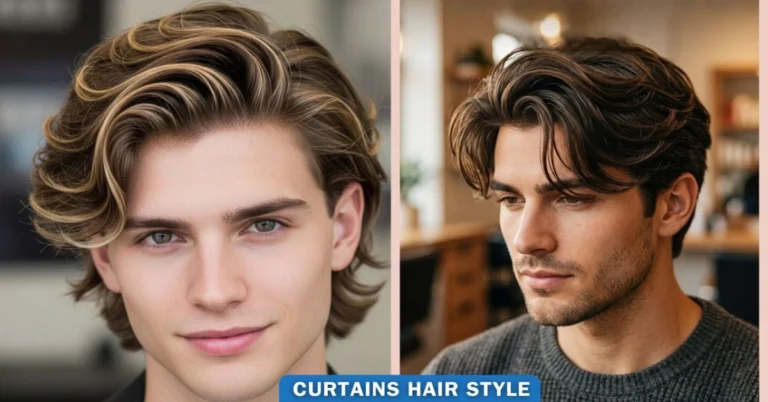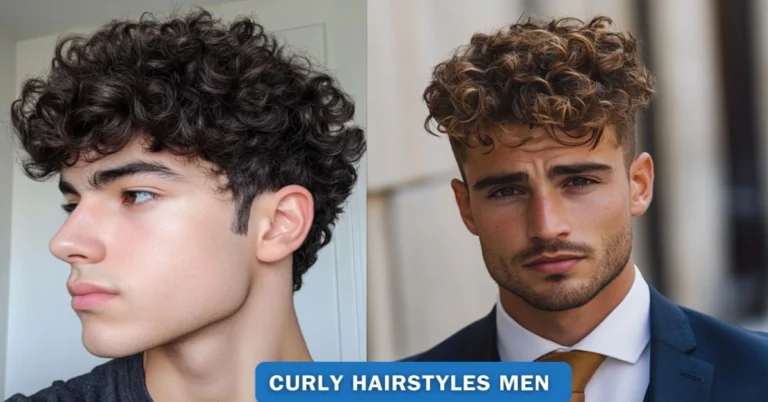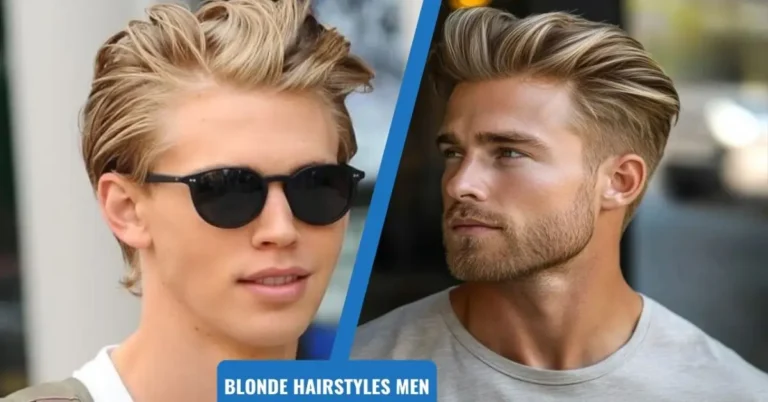
10 Classic Men’s Haircuts (And How to Pick the Right One)
Ask ten men what haircut they want and most will point at a photo rather than name the style. That’s the real problem with most “best men’s hairstyles” lists: they show pictures without explaining why a cut works, which means the same picture can look sharp on one face and off on another. The classic cuts below have stayed in barbershop rotation for decades for a reason — each one solves a specific combination of face shape, hair density, and how much daily effort you’re willing to put in. Understanding that logic is what actually lets you walk into a barber and get a cut that suits you, rather than one that suited a stranger in a magazine.
This guide breaks down eight cuts worth knowing, explains which face shapes and hair types each one flatters, and covers what changes when you’re maintaining any of them in Dubai’s heat and humidity.
Why “Best Hairstyle” Depends on More Than Trend
Three variables decide whether a men’s cut works: face shape, hair density and texture, and how much maintenance you’ll realistically keep up with. A pompadour that looks effortless on someone with thick, straight hair can look flat and require constant re-styling on someone with fine or curly hair. A cut that flatters a round face by adding height can look severe on an already-long face. Skipping this matching step is the single biggest reason a haircut looks wrong within two weeks of leaving the chair — not because the barber did a bad job, but because the style and the head underneath it were never a good match.
1. The Crew Cut
The crew cut keeps the sides tapered short (typically a #1 to #3 clipper guard) while leaving noticeably more length on top — usually 1.5 to 2.5 inches — long enough to style forward or up with a small amount of product. It reads as neat and low-effort without looking severe, which is why barbers often call it the most broadly flattering short cut available.
Best for: Most face shapes, especially round and square faces, since the tapered sides and slight height on top add definition without extremes. It works particularly well if you have decent density on top, since thin crowns can look sparse under short-side lighting.
Maintenance: A touch-up every three to four weeks keeps the taper line clean, plus a small amount of pomade or clay worked through damp hair daily to hold the shape.
2. The Buzz Cut
Where the crew cut varies length across the head, the buzz cut runs one uniform guard — commonly a #1 to #4 — from the crown down to the sides. There’s no styling step and nothing to comb; it’s the lowest-maintenance cut on this list by a wide margin.
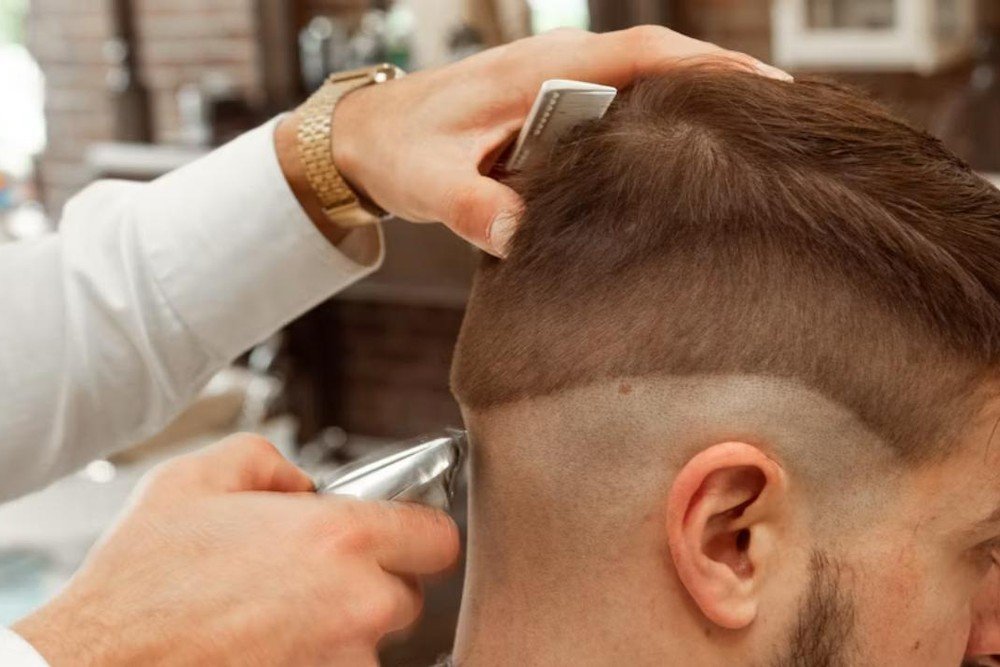
Best for: Men comfortable with their head shape showing clearly, since there’s no length to disguise an asymmetry or a flatter crown. It also suits thinning hair well, since a uniform short length reads as an intentional choice rather than trying to hide density loss.
Maintenance: This is the trade-off that makes it worth considering — you can stretch four to six weeks between cuts, and there’s no daily product or styling time required at all.
3. The Pompadour
The pompadour sweeps hair upward and back from the forehead, creating height and volume at the front while the sides stay short and tapered. It needs enough length and density on top to hold that shape, so it works best on thick or naturally wavy hair; fine hair can still pull it off but usually needs a stronger-hold product for grip.
Best for: Round or oval faces benefit most, since the added height creates vertical definition that a round face doesn’t otherwise have.
Maintenance: Regular barber visits every four to five weeks to keep the taper crisp, plus daily blow-drying upward with pomade — this is one of the higher-effort cuts on the list.
4. The Quiff
Often confused with the pompadour, the quiff creates a forward-swept peak rather than a smooth backward wave, giving a more textured, less formal finish. It’s more forgiving between cuts than a true pompadour because the shorter length at the front doesn’t fall out of shape as noticeably as it grows.
Best for: Round, oval, and oblong faces, for largely the same reason as the pompadour — the height distributes visual weight away from width at the cheeks or jaw.
Maintenance: A penny-sized amount of styling product on dry hair, pushed up and slightly forward at the front section, is usually enough for daily upkeep.
5. The French Crop
A French crop pairs short, tapered sides with a straight, textured fringe cut across the forehead. It has become one of the most requested cuts in recent years because it works with a wide range of face shapes and hair textures, including curly hair, where the natural texture is styled with rather than fought against.
Best for: Nearly universal appeal, but particularly flattering on square and diamond face shapes, and a strong option if your hair is thinning since the textured, slightly undone finish doesn’t rely on density the way a slicked style does.
Maintenance: One of the lower-effort styled cuts — a matte styling clay worked through with fingers on dry or slightly damp hair is enough, since the look is meant to appear undone rather than polished.
6. The Side Part
A defined parting on one side, with hair combed across, ranging from a sharp, razor-cut hard part to a softer, more natural line. It reads as more formal than most cuts on this list, which is why it remains a default choice for workplaces with a conservative dress code.
Best for: Oblong, oval, and square faces, and it complements a strong jawline particularly well since the clean lines echo that structure rather than compete with it.
Maintenance: Needs consistent grooming to keep the part defined — a pocket comb and a small amount of pomade for hold and shine are worth carrying if you’re keeping this cut sharp through a full day.
7. The Mohawk and Faux Hawk
A true mohawk shaves the sides completely, leaving a strip of longer hair down the center. A faux hawk softens this by keeping the sides short rather than shaved, then styling the center section upward — a more work-appropriate version of the same silhouette.
Best for: Faces that can carry strong vertical lines without looking severe; works less well on already-narrow or long faces, where the added height at the crown can exaggerate length further.
Maintenance: The faux hawk needs daily styling with a firm-hold product to keep the center section standing; the true mohawk needs the sides re-shaved every few days to stay clean.
8. Textured Spiky Hair
Short to medium length on top, cut and styled into deliberate texture and separation using a matte paste or clay rather than a slick pomade. It’s one of the more casual entries here and pairs naturally with tapered or faded sides.
Best for: Most face shapes in moderation, since the texture is applied in small, varied pieces rather than one dominant shape, though very fine hair may need a volumizing product first to hold the spikes through the day.
Maintenance: Low daily effort — work a small amount of paste through towel-dried hair with fingers rather than a comb, focusing on the ends for separation.
Matching Cuts to Face Shape: A Quick Reference
| Face Shape | Cuts That Work Well | Why |
|---|---|---|
| Round | Crew cut, pompadour, quiff, French crop | Height on top adds vertical definition the face doesn’t otherwise have |
| Square | Buzz cut, French crop, side part, crew cut | Square faces suit most cuts; close, clean lines echo the strong jawline rather than compete with it |
| Oval | Side part, crew cut, most styles | The most versatile shape; the main rule is adding some volume off the forehead rather than a flat fringe |
| Long/Oblong | Side part, quiff (moderate height), French crop | Avoid taking the sides too short with length on top, which elongates the face further; styles that add width at the sides help balance proportions |
| Diamond | French crop, softer side-swept styles | Adding width at the forehead and a textured fringe balances narrow temples and a pointed chin |
Getting the Cut Right in Dubai’s Heat and Humidity
A cut that looks perfect leaving the barbershop can lose its shape within an hour outdoors in Dubai’s summer heat, so a few climate-specific adjustments are worth building into your routine.
- Skip heavy pomade in peak summer. Barbers working in the region generally advise against heavy wax or pomade in extreme heat, since it tends to soften, slide, and mix with sweat rather than hold. A lightweight clay, texturizing salt spray, or matte paste holds up better against heat and humidity than a slicked, high-shine finish.
- Rinse rather than always fully re-washing. After a sweaty day, a scalp rinse without a full shampoo helps avoid the cycle of over-washing followed by over-applying product, which tends to leave the scalp oily and the ends dry at the same time.
- Choose a cut that works with your natural texture. A style that fights your hair’s natural wave or curl (like a very smooth pompadour on naturally curly hair) demands far more daily re-styling in humidity than a cut like the French crop that’s designed to look intentionally textured.
- Sun exposure adds up. If you’re outdoors for long stretches, a lightweight, non-oily leave-in product with some UV protection helps offset the drying effect of direct sun on top of AC-to-heat transitions indoor-to-outdoor life in the UAE puts hair through daily.
Typical Dubai Barbershop Pricing
| Service | Typical AED Range |
|---|---|
| Standard haircut (budget barbershop) | 30 – 60 |
| Standard haircut (mid-range salon) | 60 – 130 |
| Skin fade / detailed taper (premium salon) | 130 – 200+ |
| Beard trim | 60 – 90 |
Prices vary by neighborhood and barber seniority, so treat this as a planning range. If you’re pairing a fresh cut with color or a style change elsewhere, our guide to perm hairstyles for men covers how a perm interacts with these same classic cuts if you’re considering adding texture rather than just length and taper.
Frequently Asked Questions
What’s the actual difference between a crew cut and a buzz cut?
Length and styling. A buzz cut runs one uniform guard length across the entire head with no styling needed. A crew cut leaves noticeably more length on top (1.5–2.5 inches) that’s meant to be styled forward or up, with the sides kept short and tapered.
Which of these cuts needs the least maintenance?
The buzz cut, by a clear margin — it can stretch four to six weeks between trims and needs no daily product or styling. The French crop and textured spiky styles are the next lowest-effort options among the styled cuts.
Can curly hair pull off a pompadour or quiff?
Yes, though curly hair often creates the volume these styles need more naturally than straight hair does, meaning less product is required for lift. The trade-off is that curly hair can be less predictable holding a smooth, uniform sweep in humidity, so a cut like the French crop that’s designed to look textured tends to be more forgiving.
How often should I get a haircut to keep any of these styles looking sharp?
Most styled cuts (crew cut, pompadour, quiff, side part) need a touch-up every three to five weeks to keep the taper line clean. Buzz cuts can go four to six weeks, while the French crop and textured styles are somewhat more forgiving as they grow out, since the look is meant to appear a little undone regardless.