High and Tight Haircut: The Complete Guide to Every Variation
A high and tight is one of the shortest, lowest-maintenance haircuts a man can get, and it is also one of the most misunderstood. Ask three different barbers for a “high and tight” and you might get three slightly different results, because the term covers a family of related cuts rather than one single style. This guide breaks down exactly what a high and tight is, how it differs from a crew cut, buzz cut, and fade, the real variations you can choose from, and what to expect as it grows out between trims.
What Is a High and Tight Haircut?
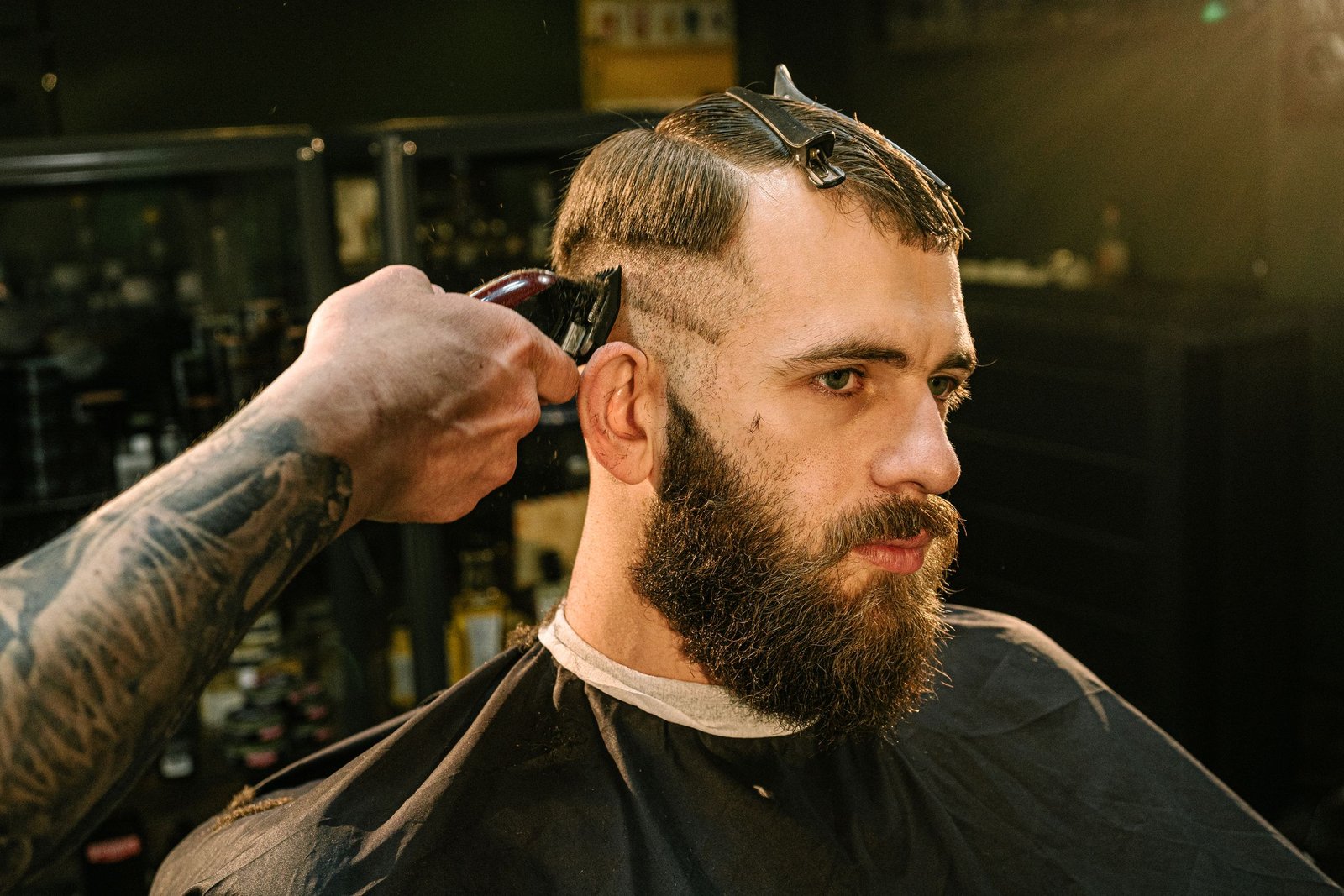
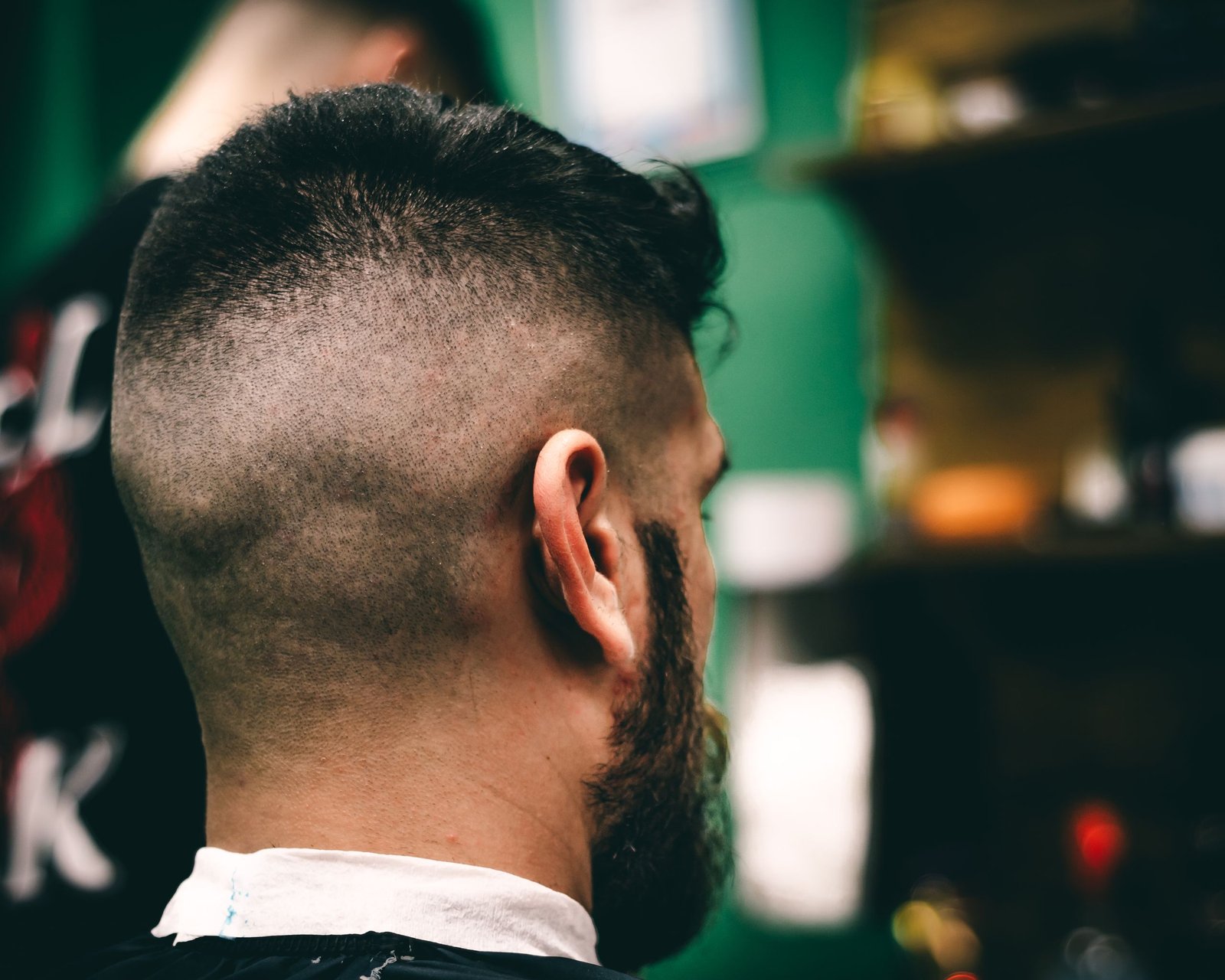
A high and tight is a clipper cut in which the back and sides are buzzed very short, often down to the skin or close to it, while a small patch of slightly longer hair is left on top. The defining feature is where the length change happens: the transition from short sides to the longer top sits noticeably higher on the head than it does on a standard crew cut or taper, which is what gives the style its name and its especially clean, cropped look.
Because the sides are cut so short and the top is kept minimal, a high and tight needs almost no daily styling. Run a hand through damp hair or apply a small amount of product for texture, and you are done. That practicality is exactly why the style has stayed popular for decades among men who want a sharp, low-effort look.
High and Tight vs. Crew Cut
Both cuts keep the top short and the sides tapered, but a crew cut blends the length change gradually, further down toward the ear. A high and tight moves that transition point higher up the head, creating a more distinct, almost helmet-like line between the short sides and the top.
High and Tight vs. Buzz Cut
A true buzz cut uses one clipper guard over the entire head, so the length is uniform everywhere. A high and tight keeps that same buzzed simplicity on the sides but leaves noticeably more length on top, giving it slightly more shape and versatility than a pure buzz.
High and Tight vs. Fade
A fade is defined by a gradual, blended change in length, from very short at the hairline up to longer hair at the crown, with no visible line. A high and tight can incorporate a fade on the sides, but the classic version uses a sharper, more abrupt transition rather than a soft blend. In other words, every high and tight fade is a fade, but not every fade is a high and tight.
Where the High and Tight Comes From
The style has military roots and has been a standard cut for U.S. service members and law enforcement for decades, prized for being practical under a helmet, easy to maintain in the field, and quick for a barber to execute on a large group of recruits. From the 1980s onward it moved into mainstream civilian barbering, and it picked up new life through hip hop and streetwear culture, where barbers began adding sharper edges, skin fades, and design lines to the traditional military version. Today it functions as both a purely functional, wash-and-go cut and a stylized, sharply edged look, depending on how it is finished.
High and Tight Haircut Variations
“High and tight” is really a family of cuts. The table below breaks down the most common variations you can ask for.
| Variation | Sides and back | Top | Best for |
|---|---|---|---|
| Classic (military) high and tight | Buzzed to the skin with clippers, no guard | Short, uniform length, brushed forward or left natural | Maximum low maintenance, active lifestyles, hot climates |
| High and tight fade | Skin fade that blends up into the top | Slightly longer, often textured on top | A sharper, more modern finish with no visible line |
| High and tight with taper | Gradual taper rather than a hard shave | Short to medium length | A softer look that still reads as neat and short |
| Textured high and tight | Buzzed or faded sides | Top left longer and textured with scissors for a messy finish | Men who want some personal styling without daily effort |
| High and tight with a hard part | Buzzed or faded sides | Short top with a shaved parting line | A sharper, more deliberate look for special occasions or everyday polish |
Does It Suit Your Face Shape and Hair Type?
A high and tight is one of the more forgiving haircuts because it removes bulk from the sides, which works well for oval, square, and round face shapes by adding definition along the jaw and cheekbones. Heart-shaped faces generally suit it too, since the short sides balance a wider forehead. Triangle and diamond face shapes, which are widest at the jaw or cheekbones, may prefer keeping slightly more length and volume on top rather than the most minimal version of the cut, since extra height on top helps balance a narrower chin or forehead.
On hair type, the style works across straight, wavy, curly, and coily textures. It is a particularly good option for thick or coarse hair, since removing bulk from the sides reduces the weight and heat that come with longer hair, and for afro-textured hair paired with sharp, clean edge work along the hairline.
How to Ask Your Barber for a High and Tight
Most barbers will recognize “high and tight” immediately, but a few details make sure you get exactly the version you want.
- Specify the side treatment: “skin faded high and tight” versus “buzzed to the skin with clippers, no blend” produce different results.
- Give a guard number or length for the top, such as a number 2 or 3 clipper guard, or “scissor cut to about half an inch.”
- Mention where you want the transition point: closer to the classic military placement, higher on the head, or slightly lower for a softer look.
- Bring a reference photo. Because the term covers several variations, a photo removes any ambiguity before the clippers start.
Maintenance and Regrowth Timeline
A high and tight is short enough that it grows out of shape faster than longer styles, even though it needs no daily styling. Most men book a trim every two to three weeks to keep the sides tight and the transition line sharp. Skin-faded versions in particular lose their crisp look the fastest, since new growth along the hairline softens the fade within a week or two. A classic buzzed version with no fade line holds its shape slightly longer between visits.
Between trims, a small amount of matte clay or pomade worked through the top keeps loose, wispy regrowth under control without adding shine that looks out of place with such short sides. If you are set up to trim the sides yourself between barber visits, our guide to choosing the best hair clippers for home use covers which guard lengths and blade types work best for short, buzzed styles like this one.
Growing Out a High and Tight
If you decide to grow the style out rather than maintain it indefinitely, expect an awkward middle stage. As the sides grow past buzzed length, the sharp transition point softens into something closer to a taper or a low-maintenance crew cut, usually within four to six weeks of skipping trims. From there, most men either let the whole head grow out evenly into a longer crop or textured style, or ask the barber to start blending the sides into a soft taper so the cut transitions cleanly rather than growing out unevenly.
Common Mistakes to Avoid
| Mistake | Why it matters |
|---|---|
| Waiting too long between trims | The style loses its defining sharp transition and starts to look like an undefined buzz cut |
| Not specifying the side finish | “High and tight” alone can mean a hard shave or a soft fade, so barbers may interpret it differently |
| Using heavy, shiny product | Overpowers the minimal top and clashes with the closely buzzed sides |
| Choosing the most extreme version for a rounder or fuller face | Very short sides with almost no top length can emphasize width rather than balance it |
Frequently Asked Questions
Is a high and tight the same as a buzz cut?
No. A buzz cut uses one uniform clipper length across the entire head, while a high and tight keeps the sides buzzed but leaves noticeably more length on top, with the transition point sitting higher on the head.
How often do I need to get a high and tight trimmed?
Most men need a trim every two to three weeks to keep the sides sharp and the transition line clean, especially with a skin-faded version.
Does a high and tight work with a beard?
Yes. The short, clean sides pair well with most beard lengths and create a strong contrast between the closely cropped hair and a fuller beard. Keeping the beard neatly lined up complements the precision of the haircut. If you want a shorter, low-maintenance beard to match, see our guide to short beard styles for options and face-shape tips.
Will a high and tight suit curly or coily hair?
Yes. The style works well across hair textures, and curly or coily hair often holds the short sides and slightly longer top with good definition, particularly when the edges are lined up cleanly.
Final Thoughts
The high and tight earns its long-running popularity by solving a simple problem: how to look sharp without spending time on styling. Whether you choose the classic buzzed military version, a modern skin-fade variation, or a softer tapered take, the core appeal stays the same. Communicate the specific version you want to your barber, keep up with trims every few weeks, and it remains one of the easiest cuts to maintain between visits.