Mohawk Braid Hairstyles for Women: Styles, Care, and How to Choose
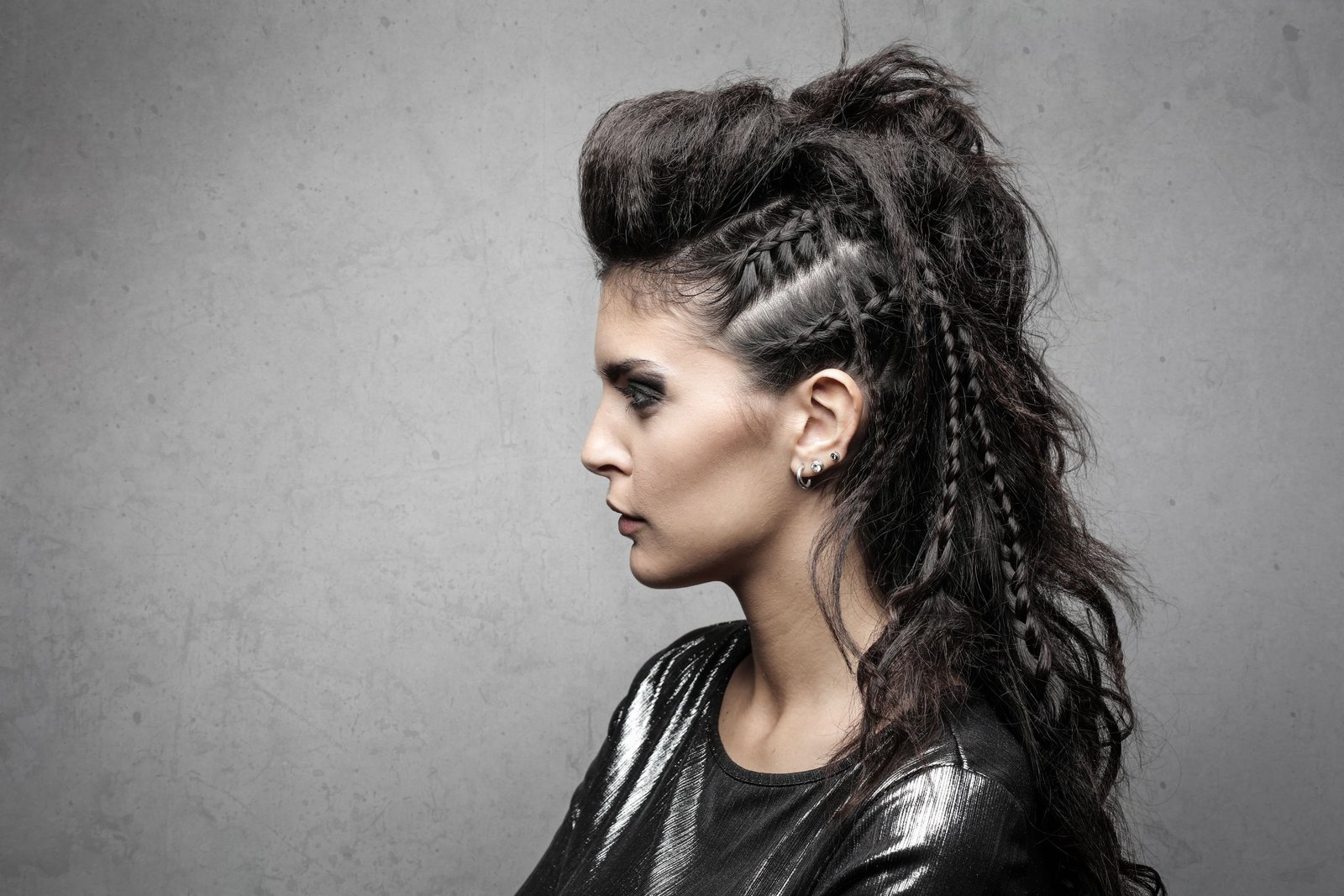
A mohawk braid takes the bold, center-strip silhouette of a classic mohawk and builds it entirely from braids rather than a shaved or teased section, which makes it a protective style as much as a statement look. This guide covers how mohawk braids are actually built, the most versatile style variations, how to choose one for your hair type and lifestyle, and how to keep the style looking sharp while it is in.
What a Mohawk Braid Actually Is
A mohawk braid uses one or more braids running from the front hairline to the nape, following the path a shaved mohawk would take, while the hair on the sides is either braided flat against the scalp, cornrowed into the central design, or left out entirely depending on the version. Because no hair is cut or shaved, a mohawk braid is fully reversible and works as a protective style, tucking away the ends and reducing daily manipulation the way any braided style does. It also means the boldness of the look comes entirely from the braid pattern and styling, not from an actual undercut, which makes it a lower-commitment way to try the mohawk silhouette.
Popular Mohawk Braid Variations
| Style | Description | Best For |
|---|---|---|
| Single center cornrow mohawk | One raised cornrow running front to back, with the sides braided flat or left smooth | A clean, minimalist take on the look, easiest to maintain day to day |
| Double or triple mohawk braids | Two or three parallel raised braids down the center instead of one | A bolder, more voluminous version without needing extra length |
| Faux hawk braid with shaved sides | A center braid paired with an actual shaved or closely clipped undercut on the sides | Those who want maximum contrast and do not mind a more permanent style change |
| Box braid mohawk | Individual box braids gathered and styled into a raised center section rather than a single cornrowed strip | Longer, fuller braided hair that already has length to work with |
| Freeform or curved mohawk | The center braid path curves or zigzags rather than running in a straight line | A more artistic, personalized take on the classic straight center design |
| Beaded or accented mohawk braid | Beads, cuffs, or thread wraps added along the center braid or at the ends | Adding a decorative, individual touch to any of the base styles above |
| Half-up mohawk braid | Only the top center section is braided into the mohawk shape, with the rest of the hair left loose or in a separate style | A subtler version for those who want the look without committing their whole head to it |
Choosing a Mohawk Braid for Your Hair Type
Mohawk braids work across most hair types and textures, but a few adjustments make a real difference in how the style looks and holds. Naturally curly or coily hair tends to give a fuller, more voluminous center braid with less added hair needed, while straighter hair often benefits from added braiding hair to build the same raised, defined shape. Shorter hair can still work for a single cornrow mohawk, since a cornrow does not require much length to lie flat, but a style like a box braid mohawk generally needs enough length or added hair to create the fuller gathered look. For a broader sense of how mohawk braids compare with other options before committing, a guide to braid hairstyles for women covers the wider range of braided styles, including how mohawk braids fit alongside more classic patterns.
How Mohawk Braids Are Installed
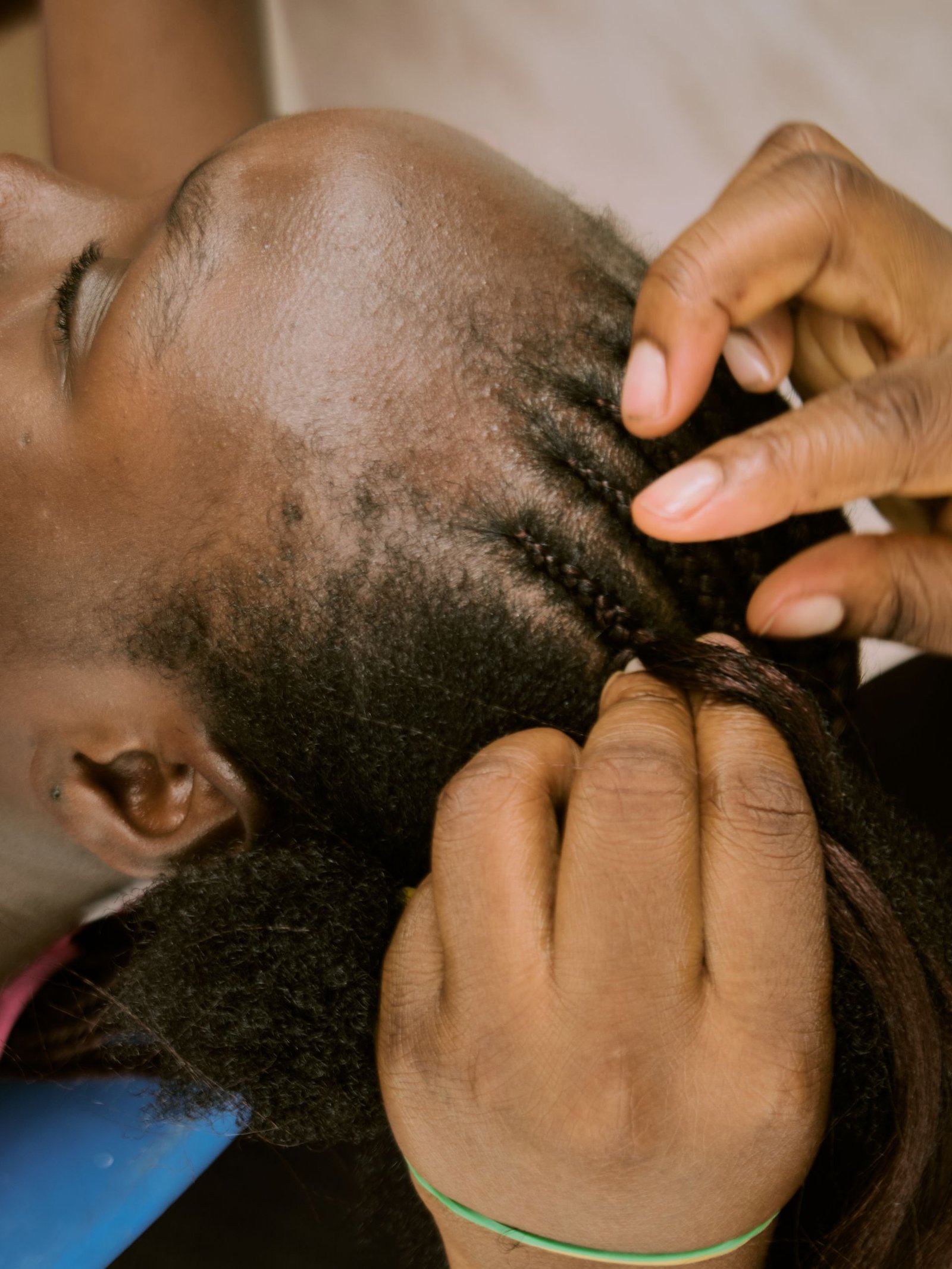
Most mohawk braid styles start the same way: the hair is sectioned into three zones, a center strip and two sides. The center section is cornrowed or braided upward from the front hairline toward the crown and down to the nape, often with added braiding hair worked in for volume and length. The side sections are then either braided flat against the scalp in a pattern that feeds into the center design, left smooth and unbraided for contrast, or shaved for the faux hawk variation. Installation time varies significantly by style and hair length, ranging from under an hour for a single simple cornrow to several hours for a fuller, more elaborate design with added hair and beading.
Caring for a Mohawk Braid
Because the scalp is exposed along the center part and often along the sides too, keeping that area clean matters more with a mohawk braid than with fully covered braided styles. Cleanse the scalp every one to two weeks with a diluted shampoo or scalp cleanser applied directly to the exposed sections, rinse thoroughly, and let the style dry completely before covering it to avoid trapped moisture. Moisturize the scalp lightly with an oil a few times a week to prevent dryness and flaking, and protect the style at night with a satin or silk scarf or bonnet to reduce friction and frizz, particularly along the center braid where the most tension sits.
How Long a Mohawk Braid Lasts
Depending on the specific style and how well the scalp is cared for, a mohawk braid typically holds for two to six weeks before new growth at the roots makes the center part look less defined and a touch-up or takedown becomes necessary. Simpler cornrow-based versions with less structural tension generally last on the longer end of that range, while more elaborate styles with added hair and beading may need earlier maintenance, particularly around the hairline where new growth shows first.
Common Mistakes to Avoid
| Mistake | Why It Causes Problems |
|---|---|
| Braiding the center section too tightly | Excess tension along the hairline and part can contribute to breakage or thinning over time |
| Neglecting scalp care because the style looks low maintenance | Exposed sections along the center and sides still need regular cleansing to avoid buildup, itching, or odor |
| Choosing a style without considering hair length | Fuller styles like a box braid mohawk need more length or added hair than a simple cornrow version |
| Covering the style before it is fully dry after washing | Trapped moisture in the braided sections can lead to mildew or an unpleasant scalp odor |
| Sleeping without a satin or silk covering | Cotton pillowcases create friction that frizzes the style and shortens how long it looks fresh |
Frequently Asked Questions
Do mohawk braids damage your hair?
Mohawk braids are not inherently damaging when installed with reasonable tension and cared for properly, but braiding the center section too tightly or leaving the style in well past new growth can contribute to breakage or thinning, particularly along the hairline. Choosing a comfortable tension level and a realistic wear time reduces this risk.
Can you do a mohawk braid on short hair?
Yes, particularly a single cornrow mohawk, which does not require much length since it lies flat against the scalp. Fuller styles that involve gathering hair into a raised, box-braid-style center generally need more length or added braiding hair to achieve that shape.
How long does a mohawk braid take to install?
It depends heavily on the style, ranging from under an hour for a simple single cornrow to several hours for an elaborate design with added hair, multiple center braids, or beading. Booking with an experienced braider and discussing the specific style beforehand gives the most accurate time estimate.
Do you need to shave your head for a mohawk braid?
No, that is one of the main appeals of the style. A mohawk braid creates the bold center silhouette entirely through braiding, so the sides can be braided flat, left smooth, or shaved only for those who specifically want the faux hawk variation with more dramatic contrast.
\n