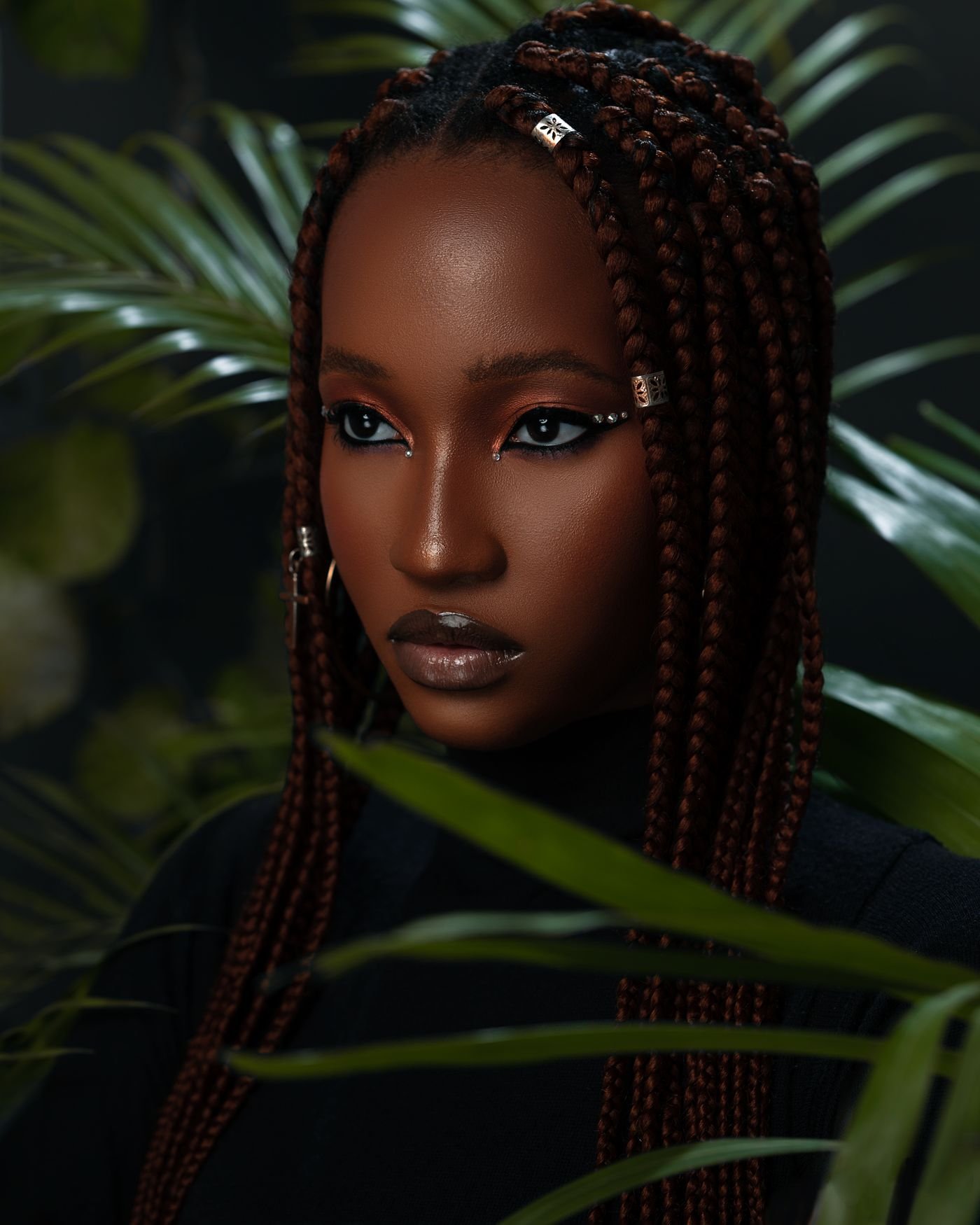
Box Braids Hairstyles: Sizes, Styles, and How Long They Last
Box braids have stayed one of the most requested protective styles for decades, and the reason is practical as much as aesthetic: done correctly, a single install can hold for six to twelve weeks with minimal daily upkeep, protecting natural hair from daily manipulation and heat while it grows. The catch is that “box braids” isn’t really one style — the size, technique, and finish you choose changes the install time, the comfort, and how long the style genuinely lasts.
This guide covers the box braid sizes and styles worth knowing, how they compare on install time and longevity, and the scalp-health guidance that most style round-ups leave out.
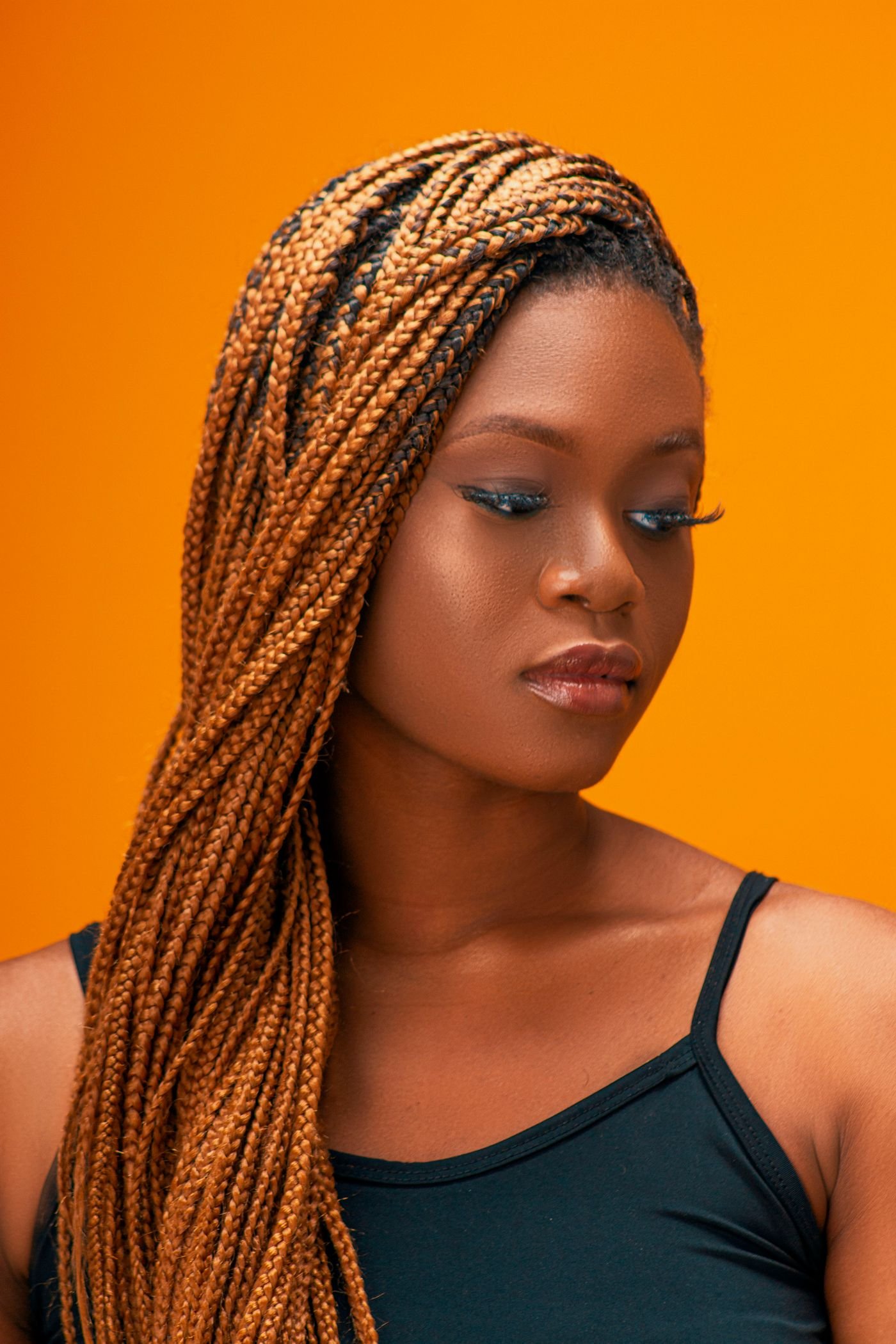
In This Guide
- Box braid sizes, from micro to jumbo, and how they compare
- Box braids vs. knotless braids: the real difference
- Popular box braid styles worth considering
- Care, maintenance, and scalp health
- Common mistakes and the questions asked most
Box Braid Sizes: A Full Comparison
Size is the single biggest factor in how a box braid style looks, how long it takes to install, and how long it lasts before it needs to come out. As a general rule, the smaller the braid, the longer the install and the longer the style holds — but also the more tension on the scalp over that time.
| Size | Install Time | Typical Longevity | Best For |
|---|---|---|---|
| Micro | 9–12+ hours (often split over 2–3 sessions) | Up to 3 months | Maximum longevity, a natural-looking finish, versatile updos |
| Small | 7–8 hours | Around 10 weeks | Active lifestyles, intricate styling, defined facial framing |
| Medium | 5–7 hours | Around 10 weeks | A balance of length retention and reasonable install time |
| Large | 3–6 hours | 6–8 weeks | DIY installs, frequent style changes, shorter salon visits |
| Jumbo | 45 minutes–3 hours | Up to 6 weeks | Low-maintenance, bold statement styling, fastest turnaround |
Smaller braids also give better access to the scalp for washing and moisturizing, while jumbo braids — despite being fastest to install — limit how easily you can reach the scalp underneath, which matters more the longer you plan to keep the style in.
Box Braids vs. Knotless Braids
This is one of the most common points of confusion, and it’s worth understanding before booking an appointment. Classic box braids are installed by knotting the extension hair at the root before braiding down — this knot anchors the braid securely but creates a defined point of tension right at the scalp. Knotless braids start with your natural hair and feed the extension in gradually as the braid progresses, so there’s no knot at the base, less initial tension on the scalp, and a more seamless, natural-looking root.
The trade-off runs in the other direction on longevity: classic box braids generally hold slightly longer (up to around 8 weeks) than knotless braids (roughly 4 to 6 weeks), since the knot gives the style a more secure anchor point over time. For anyone prioritizing scalp comfort and gentler tension — especially first-time braid wearers or anyone with a sensitive hairline — knotless is generally the better starting point, even with the shorter lifespan.
Popular Box Braid Styles
1. Classic Box Braids
The original technique: uniform square-shaped parts, extension hair knotted at the root, braided down to a consistent length. It’s the most structured and defined look on this list, with a clean, geometric part pattern that holds up well through weeks of wear.
2. Knotless Box Braids
The gentler, more natural-rooted alternative described above. Because the braid tapers in gradually from your own hair, the finish looks less bulky at the root and lies flatter against the scalp, which also makes it easier to style close to the hairline.
3. Jumbo Box Braids
Large, chunky braids that make an intentional style statement and are dramatically faster to install than any other size on this list. They’re a strong choice when you want a protective style without the multi-hour salon commitment smaller sizes require, though they offer the least scalp access and the fewest styling variations while worn.
4. Bohemian (Boho) Box Braids
Box braids left with loose, curly pieces pulled out at intervals along the braid rather than fully sleek from root to end, giving a softer, more textured finish. The curly pieces need occasional refreshing with a curl-defining product to keep them from reverting to frizz, which makes this style slightly higher-maintenance day to day than a fully sleek install.
5. Goddess Box Braids
Box braids paired with curly hair woven through the braid itself, rather than only at the ends, for a fuller, more voluminous, all-over textured look. It reads as more elaborate than a standard box braid and generally costs more and takes longer to install because of the extra hair incorporated throughout.
6. Colored and Ombre Box Braids
Braiding hair pre-colored in a single tone, a gradient, or a two-tone split (dark roots fading to a lighter color at the ends) rather than a solid natural shade. This lets you experiment with color without applying anything to your natural hair directly, since the color lives entirely in the extension hair.
7. Box Braid Bob
Box braids kept at a chin-to-shoulder length rather than long, giving a lower-maintenance, lighter-weight version of the style. The shorter length also puts noticeably less pulling weight on the scalp over the course of the install, which is worth considering if you’ve had scalp tenderness with longer braided styles before.
8. Stitch Box Braids
Braids parted into clean, straight-line sections (often in geometric or symmetrical patterns) that create a “stitched” appearance along the scalp. The precise parting is the defining feature here, and it holds its crisp look for the longest when the braids are kept relatively thin and evenly sized.
9. Braids With Beads or Accessories
Any of the styles above, finished with hair cuffs, beads, or string wraps along the length or at the ends. This is more of a styling add-on than a distinct braid type, but it’s worth mentioning separately since it changes both the maintenance (beads need occasional repositioning) and the overall look substantially.
Care and Maintenance
- Moisturize the scalp regularly, not just the braids. A lightweight, water-based leave-in spray applied directly to the scalp every few days prevents the dryness and itching that make braids uncomfortable to wear long-term.
- Wash on a schedule, not “when needed.” Most people can go two to three weeks between washes with braids in, using a diluted shampoo applied directly to the scalp and rinsed thoroughly, followed by full air-drying before restyling — braids that stay damp at the root are prone to mildew odor and product buildup.
- Sleep with a satin or silk bonnet or pillowcase. This reduces the friction and frizz that a standard cotton pillowcase causes overnight, and helps the braids keep their shape longer.
- Don’t restyle into the same high-tension pattern every day. Rotating between a low ponytail, half-up style, and hair worn down gives the same section of scalp a break rather than repeating the same pull point daily.
- Take the style out on schedule, even if it still looks fine. New hair growth at the root loosens the braid’s original anchor point over time, which increases how much the braid shifts and pulls as it grows out — leaving braids in well past the recommended window is one of the more common causes of avoidable breakage.
Scalp Health: What Dermatologists Actually Recommend
Box braids and other tightly tensioned styles are a recognized cause of traction alopecia — hair loss from repeated pulling at the same points on the scalp, most often along the front hairline and temples. The American Academy of Dermatology’s guidance is direct on this: pain is the signal that a style is too tight, and a braid that stings, causes visible scalp tenting, or leaves the hairline sore should be loosened or reinstalled, not toughed out.
Their broader recommendations for anyone wearing braids regularly: keep braids on the thicker side rather than very fine near the hairline specifically, avoid the smallest possible size if you’re prone to tension headaches or a sensitive scalp, limit any single tight style to around six to eight weeks, and give the scalp a genuine rest — weeks, not days — with hair worn loose or in a low-tension style between braided installs. Traction alopecia caught early is generally reversible; caught late, it can become permanent, which is why the “it just needs to get used to it” approach to a painfully tight braid is worth ignoring in favor of getting it loosened.
Common Mistakes to Avoid
- Choosing the smallest possible braid size for longevity without weighing the scalp tension trade-off. Micro braids last the longest, but they also put the most sustained, concentrated tension on the scalp over that time.
- Leaving braids in well past 8 weeks “to get the most out of them.” New growth loosens the install and increases shifting and pulling, which does more damage than simply reinstalling on schedule.
- Skipping scalp moisture because “the hair is covered anyway.” A dry, flaky scalp under braids is uncomfortable and can lead to more scratching, which stresses the braids and the hairline.
- Ignoring pain or tightness at installation. A style that hurts on day one only gets more uncomfortable as it settles — ask your braider to loosen problem sections immediately rather than waiting it out.
- Going straight from one tight protective style into another with no break. The scalp needs a genuine rest period between installs, not just a same-day swap to a different tight style.
Frequently Asked Questions
How long do box braids actually last?
It depends heavily on size: jumbo braids typically last around 6 weeks, medium and small braids around 10 weeks, and micro braids up to 3 months. Regardless of size, most guidance caps any single install at 6 to 8 weeks for scalp health, even if the braids themselves would physically hold longer.
Are box braids bad for your hair?
Not inherently — they’re widely used as a protective style specifically because they reduce daily manipulation and heat exposure. The risk comes from excessive tension at installation or leaving them in too long, both of which can contribute to traction alopecia over time.
What’s the difference between box braids and knotless braids?
Box braids are secured with a knot of extension hair at the root, giving a defined, structured look and slightly longer wear time. Knotless braids feed the extension in gradually starting from your natural hair, which creates less tension at the scalp and a more seamless root, at the cost of a somewhat shorter lifespan.
Can I wash my hair with box braids in?
Yes, and you should — going the full install period without washing leads to buildup and odor. Diluted shampoo applied to the scalp, thorough rinsing, and full air-drying before restyling is the standard approach, typically every two to three weeks.
What size box braids should I get?
It depends on your priorities: micro or small braids for maximum longevity and a natural look, medium for a balance of install time and wear, and large or jumbo if you want a faster installation and don’t mind a shorter lifespan and less styling versatility while they’re in.
Final Thoughts
The best box braid style is less about which look is trending and more about matching the size and technique to how much install time you can commit, how sensitive your scalp is, and how long you actually want the style to last. Whatever size or style you choose, treat any pain or tightness at installation as a signal to fix, not something to wait out. If you’re weighing other protective styles alongside box braids, our guides to passion twists and braided hairstyles for Black women cover other options worth comparing, and our box braids for men guide has size and styling advice specific to shorter or men’s hair.