22 Pastel Purple Hair Color Ideas for 2026
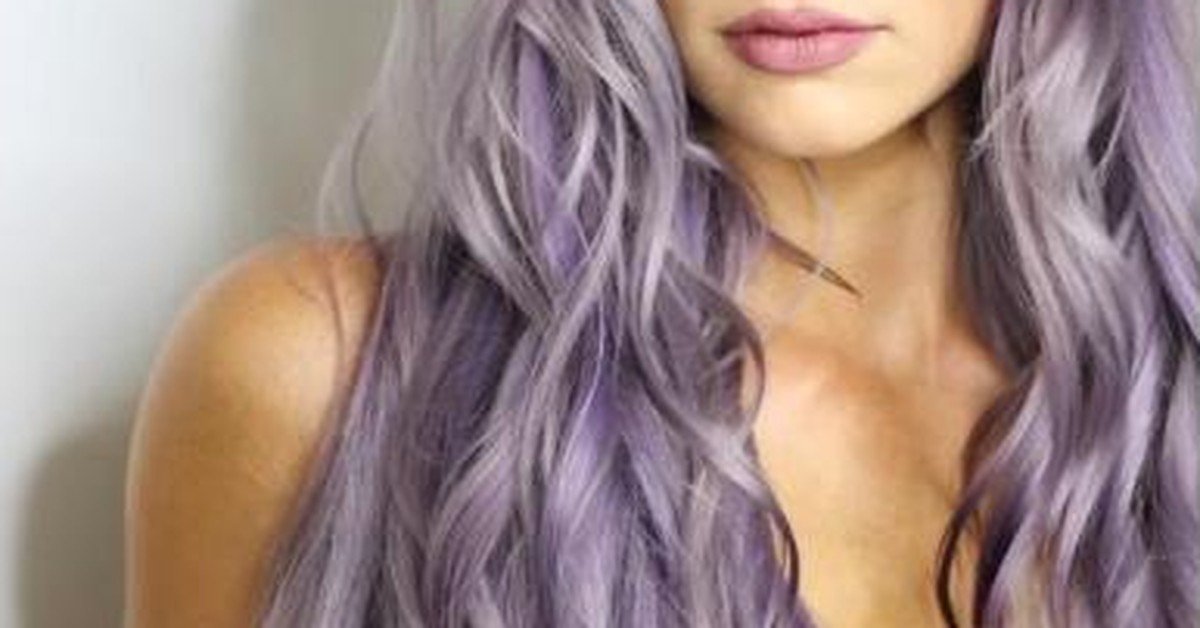
Pastel purple sits in a strange middle ground in hair color: soft enough to look wearable in daylight, unusual enough that most people can’t get it right on the first try. The difference between a pastel purple that reads as “lavender-tinted blonde” and one that reads as “I tried to dye my hair grey and it went wrong” comes down almost entirely to how light the hair was before the purple went on, and how the color was applied. Get that part right, and pastel purple is one of the more forgiving fantasy colors to live with. Get it wrong, and it fades into a dull, uneven grey within a couple of weeks.
This guide covers what pastel purple actually requires in terms of hair prep, how to pick a shade that suits your skin tone, 22 specific looks to reference at your next salon visit, and — because this is the part most articles skip — exactly how and why pastel purple fades, so you know what you’re signing up for before you commit. If you’re coming from a darker base and want something with more visible dimension first, our guides to red-violet hair color and coloring curly hair cover related ground.
What Makes a Purple Shade “Pastel”
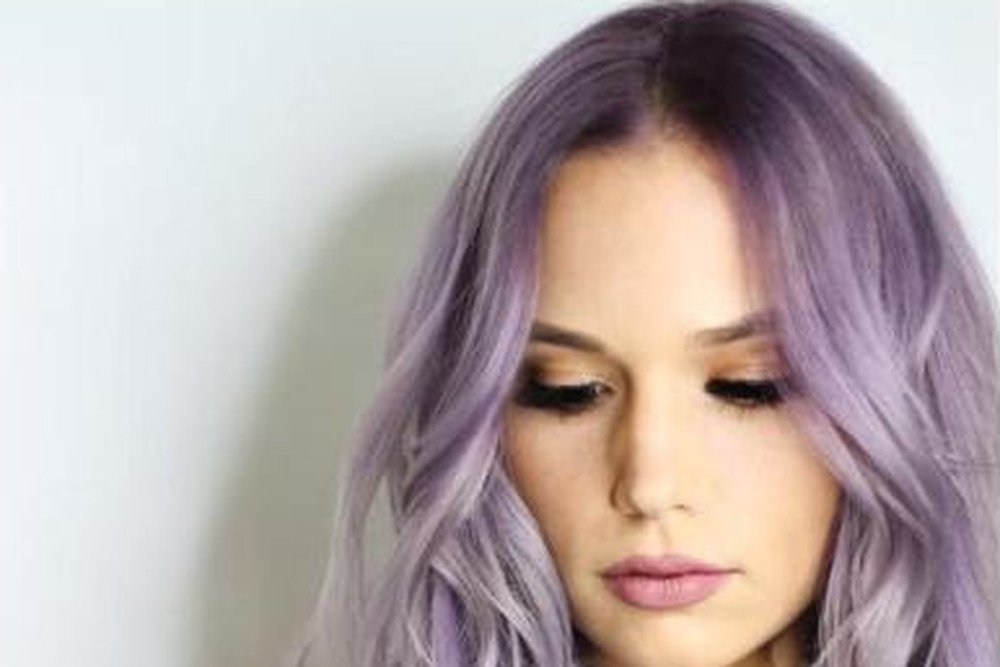
Pastel isn’t a specific purple — it’s a lightness and saturation range. In hairdressing terms, pastel shades are built on a very light, low-saturation base: think level 9 to 10 on the standard 1–10 hair color level scale (1 being black, 10 being the lightest pale blonde). A “true” or bold purple — the kind you see on box dye packaging — carries much more pigment and can be applied over a level 6 or 7 base and still show up vividly. Pastel purple physically cannot do that. The pigment is diluted, and diluted pigment only shows true on hair that’s already pale.
This is the single most important thing to understand before choosing a pastel purple look: the shade name (lilac, lavender, mauve, “smoky violet”) tells you the tone, but the tone will only display correctly if your hair has been lifted to a pale yellow or white-blonde stage first. On darker hair, the same pastel purple dye will either barely show up at all, or it will mix with your natural warmth and shift toward a muddy brown-grey rather than the soft violet you’re picturing.
Can You Get Pastel Purple Without Bleaching?
Only if your hair is already close to level 9–10 naturally — very light blonde or platinum. According to Hair.com by L’Oréal, unless your hair already falls in that pale range, pre-lightening is necessary for a pastel purple to “shine through” the way it does in reference photos. For anyone starting from a natural or colored medium-to-dark base, that means a lightening service first (often more than one session if hair has previous color on it), followed by toning down to a pale yellow or white base, and only then the pastel purple itself.
This is not a good candidate for at-home box dye if you’re starting from anything darker than a light blonde. A professional colorist can assess how much lift your hair can safely take in one sitting and how many sessions it will realistically require — bleaching too aggressively in a single visit is the most common cause of breakage in fantasy-color transformations. If your colorist tells you the pastel result will take two or three appointments spaced weeks apart rather than one long session, that’s usually the more honest answer, not an upsell.
Choosing a Pastel Purple Shade for Your Skin Tone
| Skin Undertone | Best-Suited Pastel Purple Shades | Why It Works |
|---|---|---|
| Cool / pink undertone | Lilac, icy lavender, cool smoky violet | Blue-leaning purples echo the coolness already in your skin instead of fighting it |
| Warm / golden undertone | Mauve, dusty rose-purple, warm orchid | A touch of pink or red warmth in the purple keeps it from looking washed out against warm skin |
| Neutral undertone | Most pastel purples, including classic lilac | Neutral skin has the least contrast to fight, so this is the widest-flexibility group |
| Deep skin tones | Rich lavender, plum-lilac, deeper orchid-purple | A slightly less diluted pastel reads as intentional rather than faded against deeper complexions; extremely pale pastels can look washed-out by comparison |
Wella colorist Matthew Collins notes that violet-family shades in particular “can suit both warm and cool skin tones” more easily than most fantasy colors, since purple sits between the warm (red) and cool (blue) halves of the color wheel — which is part of why it’s such a popular pastel choice in the first place.
22 Pastel Purple Hair Color Ideas
1. Classic Lilac
The benchmark pastel purple: soft, slightly cool, and even in tone from root to end. Hair.com singles this out as a low-maintenance option because, unlike shades that fade unevenly, lilac tends to fade toward an even paler version of itself rather than going patchy.
2. Icy Lavender
A cooler, almost silvery take on lilac. Works best on a very pale, white-blonde base — any warmth left in the hair will pull this toward grey rather than lavender.
3. Dusty Mauve
Purple with a visible pink-brown undertone. More forgiving on warmer skin and slightly warmer bases, and one of the more “everyday office-friendly” pastels since it reads closer to a muted rose than an obvious fantasy color.
4. Smoky Violet
A grey-leaning purple that photographs beautifully but requires the most precise toning — too much grey and it looks like faded color rather than an intentional smoky shade.
5. Lilac Root Melt
Pastel purple that deepens slightly at the roots and softens toward the ends, so regrowth is far less obvious between salon visits — a practical choice if you don’t want to be back in the chair every four weeks.
6. Pastel Purple Balayage on Blonde
Hand-painted purple pastel woven through an existing light blonde base rather than an all-over color. Lower commitment and lower cost since it doesn’t require full-head bleaching first.
7. Lavender Ombré
Natural or pale blonde roots transitioning into pastel lavender ends. A practical option for growing out a bolder color, or for anyone not ready to commit to purple at the root.
8. Orchid Pastel
A brighter, slightly pinker pastel purple than lilac. Reads more playful and works well on warmer undertones that want more visible color payoff.
9. Silver-Lilac Blend
Pastel purple mixed with cool silver tones for an almost holographic, color-shifting effect depending on the light. Requires a near-white base and precise mixing to avoid looking simply grey.
10. Pastel Purple with Face-Framing Highlights
Purple concentrated around the face rather than throughout, which softens the overall look and is easier to grow out gracefully.
11. Deep Plum-Lilac
A richer, less diluted pastel that leans toward plum. Suits deeper skin tones and those who want a pastel that still reads clearly as purple from a distance.
12. Two-Tone Lilac and Pink
Vertical or horizontal sections split between pastel purple and pastel pink. Popular for shorter, textured cuts where both tones can be seen at once.
13. Pastel Purple Money Piece
A concentrated section of color framing the face, similar in placement idea to a blonde money piece but done in pastel purple. Minimal commitment, maximal visual impact in photos.
14. Foggy Lavender
An extremely diluted, almost translucent lavender that reads as “your hair, but slightly tinted” rather than an obvious color change — a good entry point for first-timers.
15. Pastel Purple Curls
On naturally curly or coily textures, pastel purple catches light differently across each curl, creating natural-looking dimension without additional highlighting. Curl-specific colorists will typically adjust processing time since curly strands can process bleach unevenly — see our guide on coloring curly hair for more on that.
16. Lilac Bob
A blunt bob in pastel lilac is one of the most photographed pastel purple pairings — the solid block of color and the geometric cut reinforce each other.
17. Pastel Purple Money Streaks on Brunette
A handful of purple pastel streaks placed through pre-lightened sections of otherwise natural brunette hair — a way to get the color without a full bleach-out.
18. Pastel Amethyst
A slightly more saturated pastel that sits between “true pastel” and bold purple — a middle-ground option if pure pastel feels too subtle but full bold purple feels like too much.
19. Lavender Grey Blend
Cool lavender blended with ash-grey tones, popular for its “your hair is just naturally this color” believability at a glance, while still reading as clearly purple up close.
20. Pastel Purple Underlights
Color placed underneath the top layer of hair rather than throughout, so it’s visible when hair moves, tucked behind an ear, or worn up, but hidden in a low ponytail — useful for workplaces with more conservative dress expectations.
21. Sun-Kissed Lilac
Pastel purple with subtle warmer, sunnier pastel-yellow or pastel-peach pieces mixed through — an unconventional pairing that still reads as cohesive because both tones sit at the same diluted saturation level.
22. Pastel Purple Vivids Over Silver Hair
For those with natural or colored silver/grey hair already at a pale enough level, a translucent purple gloss can be applied with minimal or no additional lightening — one of the few genuine shortcuts to this look.
How Pastel Purple Fades — and Why It Fades Differently Than Bold Purple
Pastel shades are almost always applied as semi-permanent, direct dyes rather than permanent, developer-based color — this is true whether the product is a professional line like Wella Color Fresh or a consumer semi-permanent dye. Direct dyes coat the hair shaft rather than opening the cuticle and depositing pigment inside the cortex, which is why they wash out over time instead of growing out permanently.
According to Wella Professionals, semi-permanent color typically lasts 10–20 washes depending on the specific product, and — counterintuitively — bold, saturated shades tend to outlast pastels. A pastel is already a diluted amount of pigment, so it takes proportionally fewer wash cycles to strip enough of it that the color reads as “faded” rather than “intentional.”
What accelerates the fade specifically:
| Factor | Effect on Pastel Purple |
|---|---|
| Wash frequency | Every wash strips some direct dye; washing less often (dry shampoo between washes) meaningfully extends vibrancy |
| Hot water | Opens the cuticle further and lets pigment escape faster than lukewarm or cool water |
| UV / sun exposure | Breaks down dye molecules directly, independent of washing — a major factor in a high-sun climate |
| Heat styling | Repeated heat exposure without protection accelerates both dye breakdown and the underlying hair damage that makes color grip less well |
| Hair porosity | Previously bleached, porous hair has a more open cuticle structure and loses pigment faster than healthier, less porous hair |
| Water hardness | Hard water (high mineral content) is associated with faster color loss compared to soft water |
The practical upshot: pastel purple doesn’t fade to nothing evenly. It typically fades toward a paler, slightly warmer or greyer version of itself first, then toward the underlying pale-yellow or white-blonde base beneath. Many people who commit to pastel purple end up doing a “refresh gloss” — a quick, low-commitment reapplication of diluted purple toner — every few weeks rather than a full re-dye, which keeps the tone consistent without repeating a full color service.
Maintaining Pastel Purple Hair in Dubai’s Climate
Dubai’s combination of intense year-round UV exposure, high pool and beach usage, and generally hard tap water works against pastel purple on every front described above. A few adjustments that make a meaningful difference:
- Use a UV-protectant leave-in or hair oil before sun exposure — this matters more here than in most climates, since UV breakdown of dye molecules happens regardless of how often you wash.
- Rinse hair before and after swimming — pre-wetting hair with clean water before entering a pool reduces how much chlorinated or salt water the hair shaft absorbs, which limits both color stripping and the brassy/greenish cast chlorine can leave on pale, previously-bleached hair.
- Wash in lukewarm water, not hot — genuinely one of the highest-impact, lowest-effort changes for extending vibrancy.
- Book refresh glosses proactively rather than waiting until the color looks obviously faded — a light purple gloss on already-pale hair is a much faster, cheaper appointment than a correction later.
On cost: pricing varies significantly by salon and by how much lightening your hair needs before the pastel purple can be applied. As a reference point, one Dubai salon’s published price list shows full hair color starting from roughly AED 300–450 for short-to-medium hair and AED 600–850 for long hair, with highlighting services starting from around AED 500 — and pastel or fantasy colors typically cost more than a standard single-process color because they require a separate bleaching stage plus toning before the pastel itself goes on. It’s reasonable to expect a full pastel purple transformation from a dark or medium base to involve two appointments and a total cost noticeably higher than a standard color service; ask your colorist for a specific quote based on your current hair level and length, since “starting from” prices rarely reflect what a full bleach-and-tone transformation actually costs.
What to Know Before You Commit
- Pastel purple requires very light hair (level 9–10) to display true — darker bases will need pre-lightening, often across more than one session.
- It’s a semi-permanent, direct-dye color that fades within roughly 10–20 washes, faster than most bold or permanent colors.
- Sun, heat, hot water, and hard water all accelerate fading independently of each other — Dubai’s climate stacks several of these factors at once.
- Regrowth becomes visible faster on pastel colors than on more blended, natural-looking colors, simply because the contrast between your natural root color and pale purple is usually stark.
- Refresh glosses between full color sessions are the standard way professionals keep pastel purple looking intentional rather than “grown out.”
- If your hair has prior chemical treatments (keratin, relaxer, previous permanent color), tell your colorist before booking — it changes how much lift the hair can safely take.
Frequently Asked Questions
Can I go straight to pastel purple from dark brown or black hair?
Not in one session, in most cases. Dark hair needs to be lightened to a pale yellow or white-blonde base first, and lifting dark hair that far usually requires multiple appointments spaced weeks apart to protect hair integrity. A colorist who promises dark-to-pastel-purple in a single visit is either working with unusually resilient hair or cutting corners on the lightening process.
How often do I need to touch up pastel purple hair?
Full color refreshes are typically needed every 4–6 weeks as the pastel fades and roots grow in, though many people extend this by getting lighter “gloss” refreshes in between full appointments.
Will pastel purple damage my hair?
The pastel purple dye itself, applied as a semi-permanent, is low-damage. The pre-lightening (bleaching) step required to reach a pale enough base is the part that carries real risk to hair strength and should always be done by a professional who can judge how much lift your hair can safely handle.
Does purple shampoo help maintain pastel purple hair?
It can slow the shift toward yellow or brass on the underlying blonde base, but a purple shampoo isn’t a substitute for the pastel toner itself — it maintains the base tone rather than re-depositing the fantasy color. For genuine color refreshes, a diluted purple gloss or toner applied by a colorist (or a color-depositing conditioner between salon visits) does more to maintain the actual pastel shade.
Getting a Result That Actually Matches What You Picture
The gap between pastel purple photos and pastel purple in real life almost always comes down to base preparation, not the dye itself. A colorist who’s honest about how many sessions your hair needs to reach a safe, even pale base — rather than promising a same-day transformation from a dark starting point — is the difference between a pastel purple that looks like the reference photo and one that looks patchy, muddy, or damaged. Bring reference images, be upfront about your hair’s color history, and budget for maintenance from the start rather than treating it as an afterthought once the color starts to fade.