17 Hottest Silver Purple Hair Colors of 2026
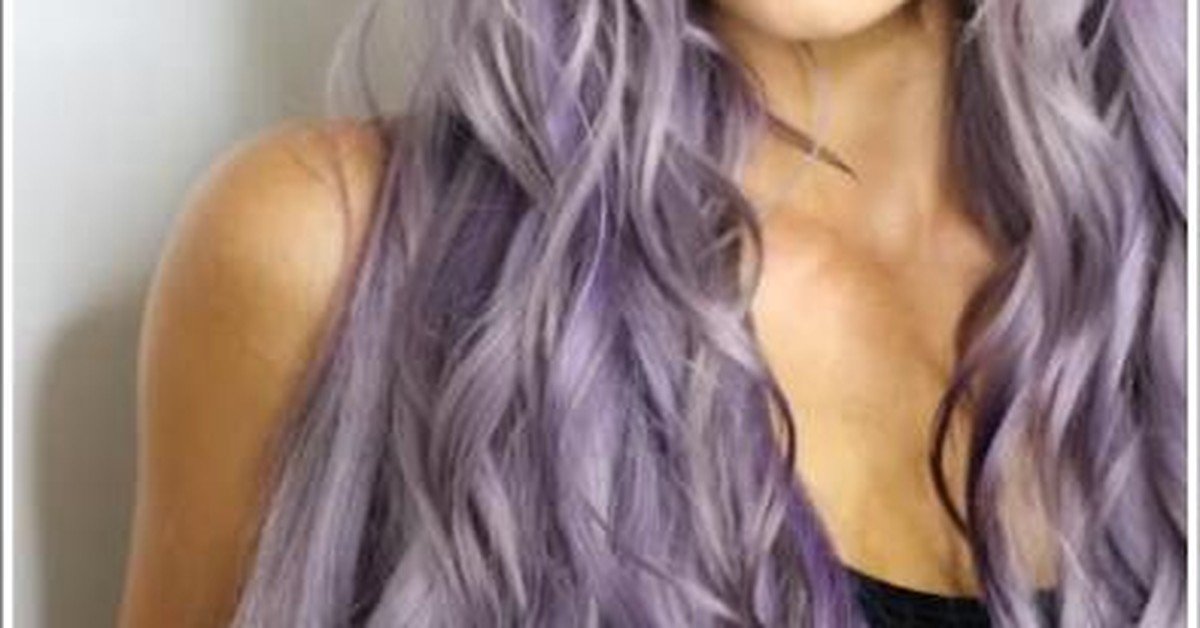
Silver purple hair isn’t a lighter or darker version of purple — it’s a different color built from two separate pigment families layered together. Where a shade like pastel purple is essentially violet dye diluted to a soft tint, silver purple fuses cool, icy silver with saturated purple, so the two tones read as distinct color notes rather than one uniform hue. That combination is why it looks metallic and dimensional in photos rather than flat.
This guide covers what actually separates silver purple from pastel purple and lavender grey (they get lumped together constantly), why almost every version of it needs pre-lightening, 17 specific ways to wear it, and what the maintenance schedule really looks like once you’re keeping two fast-fading pigments looking fresh at the same time. If you want the softer, lower-maintenance pastel end of the purple spectrum instead, our guide to pastel purple hair covers that separately.
Silver Purple vs. Pastel Purple vs. Lavender Grey: What’s Actually Different
These three get used interchangeably online, but they describe different results because they start from different color logic.
| Shade | How It’s Built | Visual Effect |
|---|---|---|
| Pastel purple | A single violet pigment diluted to low saturation | Soft, uniform lilac — one tone throughout, no metallic quality |
| Silver purple | Silver/ash pigment and purple pigment applied together or in sections | Reads as two distinct notes — icy and violet — shifting with light and angle rather than sitting flat |
| Lavender grey | A grey base with a light violet cast mixed through it, rather than two separate pigments | Muted, smoky, closer to grey than to purple — the purple is a tint, not a headline color |
In practice, silver purple is the most work of the three because it’s asking hair to hold two different fast-fading pigment types at once — a violet-based purple and a cool, ash-neutral silver — rather than one blended tone. That’s also what gives it its signature “shifting” look: catch it in warm light and the purple dominates, catch it in cool light and the silver takes over.
Do You Need to Bleach for Silver Purple?
In almost every case, yes. Both silver and true violet-purple pigments are toners and semi-permanent dyes at their core, and toners only deposit visible color on hair that’s already been lifted to a pale yellow or near-white base — professional colorists generally target level 9 or level 10 blonde before applying a silver or purple-silver toner, since that’s the level at which the underlying pigment is light enough for cool tones to actually show up rather than being overwhelmed by residual warmth. On naturally dark or medium brown hair, this usually means one or more bleaching sessions to lift to that pale base before any silver or purple tone is applied.
The one exception is a temporary, wash-out-in-one-shampoo option: color sprays or temporary color depositing products applied directly over dark hair for a single event or photo, with no lightening involved. These wash out completely and don’t achieve the same clarity of color as a properly lifted and toned result, but they’re a real option for anyone who wants to see the look without committing to a multi-session lightening process.
Choosing a Silver Purple Shade for Your Skin Tone
| Skin Undertone | Best-Suited Silver Purple Direction |
|---|---|
| Cool / pink undertone | Icy, ash-forward silver purple with minimal warmth — the cool base flatters cool skin directly |
| Warm / golden undertone | More vibrant, saturated purple sections balanced against the silver, rather than an all-over icy tone |
| Neutral undertone | Most silver purple variations, including balanced 50/50 silver-to-purple splits |
| Deep skin tones | Higher-contrast combinations — deep purple roots into bright silver ends read clearly rather than washing out |
17 Silver Purple Hair Color Ideas
1. Classic Silver Purple Balayage
Hand-painted purple pieces woven through a silver-toned base, giving dimension without a hard line between the two colors.
2. Purple Roots, Silver Ends
A gradient effect: deeper purple concentrated at the root, fading into icy silver toward the ends — one of the most requested versions of this look.
3. All-Over Icy Purple with Silver Undertone
A single, all-over purple shade with a cool silver cast running through it rather than a warm or true-violet base — reads as purple first, silver second.
4. Smoky Lilac Pixie
On short styles, grey-toned tips over a soft lilac base create a smoky, textured effect that’s easier to maintain than longer versions since less hair is holding color.
5. Periwinkle and Silver Streaks
Periwinkle-leaning purple streaks blended into a naturally light or pre-lightened base, with silver woven through rather than a solid color block.
6. Icy Opal with Babylights
Fine, face-framing babylights in silver-white layered under a soft purple cast — designed to catch light rather than read as one flat color.
7. Purple-Grey Pastel Ombré
A softer, lower-saturation version that transitions from a muted purple-grey at the root into a paler silver-lilac at the ends.
8. Violet and Steel
A deeper, more saturated approach pairing rich violet with a cool “steel” grey rather than a bright white-silver, giving a moodier, less pastel result.
9. Lavender-Toned Ends
A mostly silver or ash-blonde base with lavender concentrated only at the ends — a lower-commitment way to add the purple element without full-head application.
10. Metallic Lavender Balayage with Babylights
Combines balayage-placed lavender with fine babylights so the color visibly shifts between metallic silver and soft purple depending on the light.
11. Purple Steel Ombré
Darker purple at the crown fading into a lighter steel-silver through the mid-lengths and ends — a higher-contrast take on the root-to-tip gradient.
12. Silvery Amethyst
A semi-permanent purple deposit over a silver-blonde base, landing between true violet and a deep, jewel-toned amethyst rather than a bright lilac.
13. Full Silver with Purple Root Shadow
Mostly silver through the mid-lengths and ends, with a soft purple shadow root that keeps the grow-out from looking harsh.
14. Two-Tone Silver Purple Split
A more dramatic, near-equal split between silver and purple sections rather than a blended transition — best suited to shorter or more structured cuts where the sections read clearly.
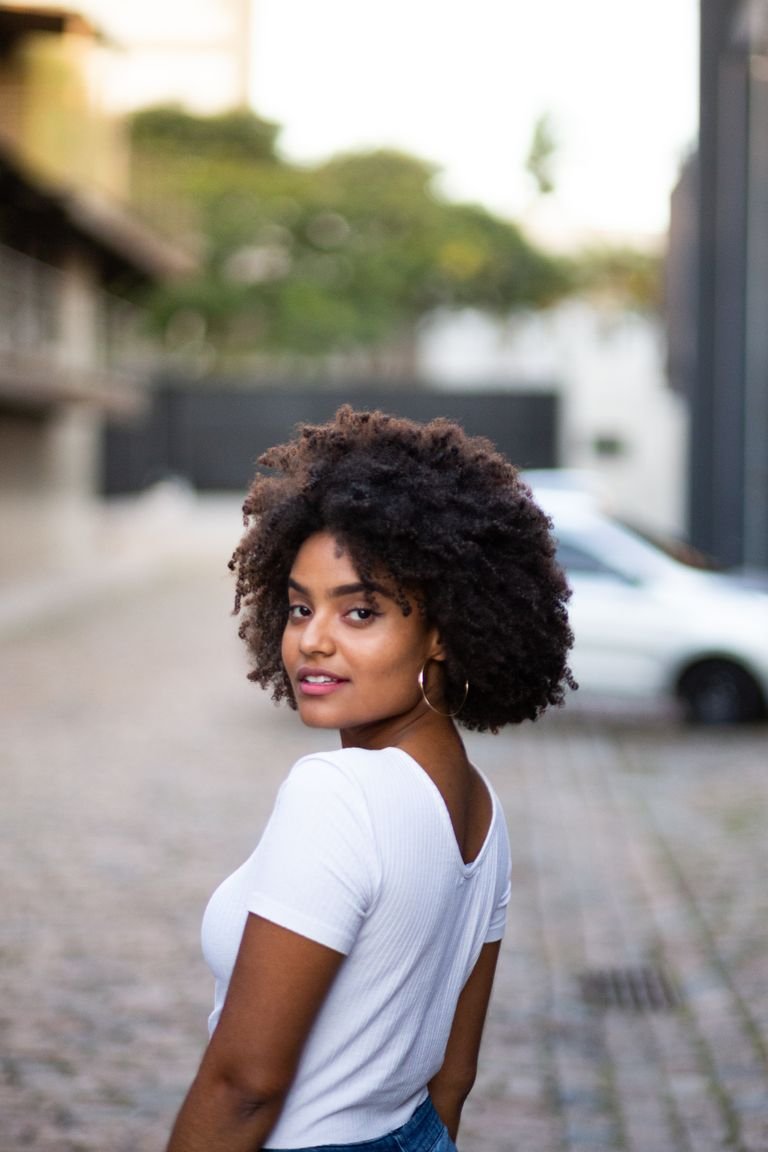
15. Pastel Silver-Purple Balayage on Curly Hair
On curly or coily textures, silver and purple pieces catch light differently across each curl’s highs and lows, adding dimension without extra highlighting — see our curly hair coloring guide for texture-specific considerations.
16. Cool Ash-Purple for Warm Undertones
A version specifically formulated to counteract warmth in Asian and other naturally warm-toned dark hair — the purple pigment neutralizes residual gold and orange as it fades, landing on a cool, ashy result.
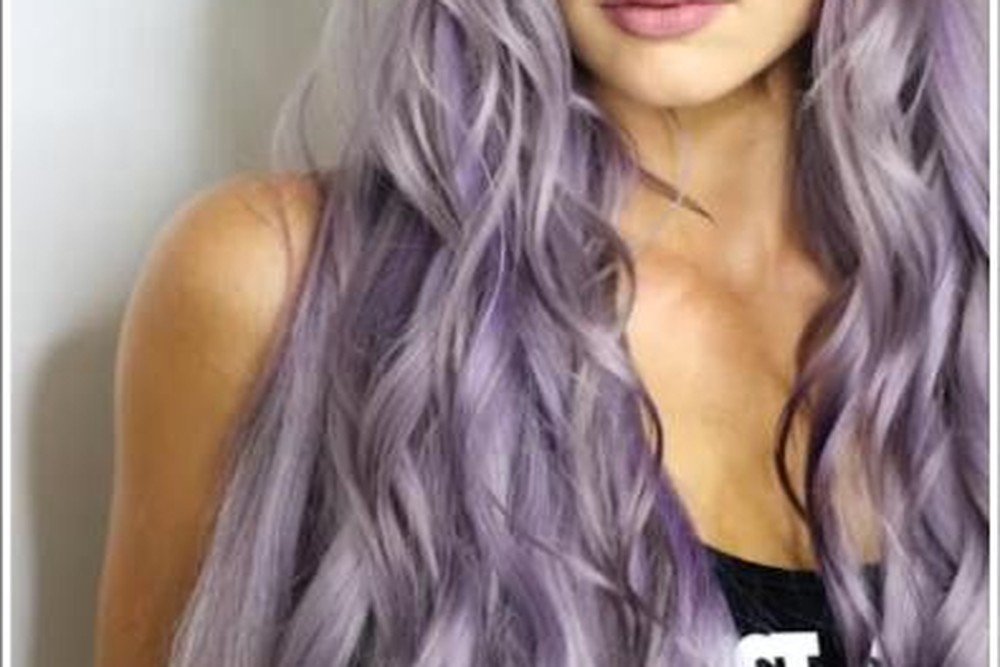
17. Deep Purple with Silver Highlights
A rich, dark purple base with fine silver highlighting placed through it — the reverse ratio of most looks on this list, with purple as the dominant tone and silver used as an accent.
Why Silver Purple Fades Faster Than Almost Any Other Color
Both halves of this color are working against you in terms of longevity, which is worth understanding going in rather than being surprised by it later. Violet-based purple pigment molecules are large and sit on the outside of the hair shaft rather than penetrating deeply, which is exactly what makes purple toners effective at neutralizing yellow — but it’s also why they rinse out quickly with every wash. Silver and ash toners work the same way: they’re depositing cool pigment onto a pale, porous, bleached base, and that base has very little natural pigment left to anchor the color once the toner itself washes out.
The practical result is that silver purple hair doesn’t fade evenly — it tends to lose the purple component first (since violet is the more delicate of the two pigments), leaving a duller, flatter silver-blonde behind within a few weeks unless the color is actively maintained. Anyone going into this shade should expect it to look most vivid for roughly the first one to two weeks after a salon visit, with a gradual, predictable drift back toward pale blonde or yellow-tinged grey after that.
| Maintenance Step | Why It Matters for Silver Purple Specifically |
|---|---|
| Purple or silver-toning shampoo, used 1-2x weekly | Redeposits a small amount of cool pigment with each wash, slowing the drift back toward yellow-blonde |
| Cold or lukewarm water rinses | Hot water opens the cuticle and accelerates pigment loss on already-porous, bleached hair |
| Weekly bond-building or deep conditioning treatment | Bleached hair holding two toner layers is under real structural stress; conditioning keeps it able to hold pigment at all |
| Gloss or toner refresh every 3-4 weeks | Shorter interval than most colors on this site, because both pigments involved are unusually short-lived |
| Heat protectant on every styling pass | Unprotected heat on bleached hair accelerates both pigment loss and structural damage simultaneously |
Maintaining Silver Purple Hair in Dubai’s Climate
Dubai’s combination of intense UV exposure, heavily chlorinated or saltwater pools, and hard tap water is a particularly rough environment for a color that’s already fast-fading by nature. UV breaks down both silver and violet pigment molecules directly, chlorine and salt water strip toner even faster than plain washing, and mineral-heavy tap water can leave a dulling, sometimes faintly yellow-green cast on cool-toned blondes and silvers over time. A few adjustments make a real difference here:
- Rinse hair with clean water before swimming in pools or the sea — pre-saturating the hair shaft limits how much chlorinated or salt water it absorbs, which protects both the color and the hair’s condition.
- Install or use a shower filter if your building’s water is particularly hard — mineral buildup is one of the more common, and more preventable, causes of a silver-purple color turning dull or greenish between salon visits.
- Wear a hat or UV-protectant hair product during peak sun hours, since UV exposure degrades color pigment independently of how often you wash.
- Book toner refreshes on the shorter end of the 3-4 week window rather than the longer end, given how much faster both pigments fade under strong, near-constant UV exposure.
On cost: because silver purple almost always requires full or partial bleaching plus a separate toning step, it sits toward the higher end of the color-service price range. Using the same reference Dubai salon price list cited elsewhere on this site, a full head of bleach plus toner for this kind of two-pigment result typically runs from roughly AED 700-1,200 for short-to-medium hair and AED 1,300-1,800+ for long hair, depending on how much lift the natural base requires and how many sessions that takes. A partial or balayage-placed version, rather than a full head, is usually more affordable, and glosses or toner-only refresh visits are considerably cheaper than the initial lightening service.
What to Know Before You Commit
- Silver purple is a two-pigment combination, not a lighter or darker single-tone purple — that’s what separates it from both pastel purple and lavender grey, and it’s why the maintenance is more involved than either.
- Most versions require pre-lightening to a level 9-10 blonde base before any silver or purple toner will show up clearly, which usually means one or more bleaching sessions for naturally dark or medium hair.
- The purple component fades faster than the silver component, so the color drifts toward flat, yellow-tinged blonde before it looks obviously “faded” — plan on toner refreshes every 3-4 weeks rather than waiting for a visible problem.
- Dubai’s sun, chlorine, salt water, and hard tap water all accelerate fading specifically for this color family — proactive UV protection and mineral-buildup prevention matter more here than for warmer, more forgiving shades.
- A temporary color spray is a legitimate low-commitment way to test the look on dark hair without any lightening, if you’re not ready for the bleaching process.
Frequently Asked Questions
What’s the difference between silver purple and pastel purple hair?
Pastel purple is one violet pigment diluted to a soft, uniform tint. Silver purple combines two separate pigment families — cool silver and saturated purple — so it reads as two distinct color notes that shift with the light rather than one flat pastel tone.
Can I get silver purple hair without bleaching?
Only with a temporary, wash-out product like a color spray. A genuine, long-lasting silver purple result requires the hair to be lifted to a pale blonde base first, since both silver and purple toners only deposit visible, true color on hair that light.
How long does silver purple hair last before it needs a touch-up?
Expect the most vivid result for roughly the first one to two weeks, with a gradual fade back toward pale or yellow-tinged blonde after that. Most people need a toner refresh every 3-4 weeks to keep the color looking intentional rather than washed out.
Is silver purple hair damaging?
The color itself (a semi-permanent toner) isn’t damaging, but reaching the level 9-10 base it needs usually requires bleaching, which is. A weekly bond-building or deep conditioning routine is essential to keep pre-lightened hair strong enough to hold the color at all — see our ash blonde guide for more on maintaining a pre-lightened, toner-dependent color.
Getting a Silver Purple That Reads as Two Colors, Not One Muddy Tone
The difference between a striking silver purple and a color that just looks like it’s fading is almost entirely in how distinctly the two pigments are kept separate, both in the initial application and in the maintenance routine afterward. A colorist who treats this as two toners working together — refreshing each on its own schedule rather than reapplying one blended formula — is the one who keeps the shifting, metallic quality that makes silver purple worth the extra upkeep in the first place.