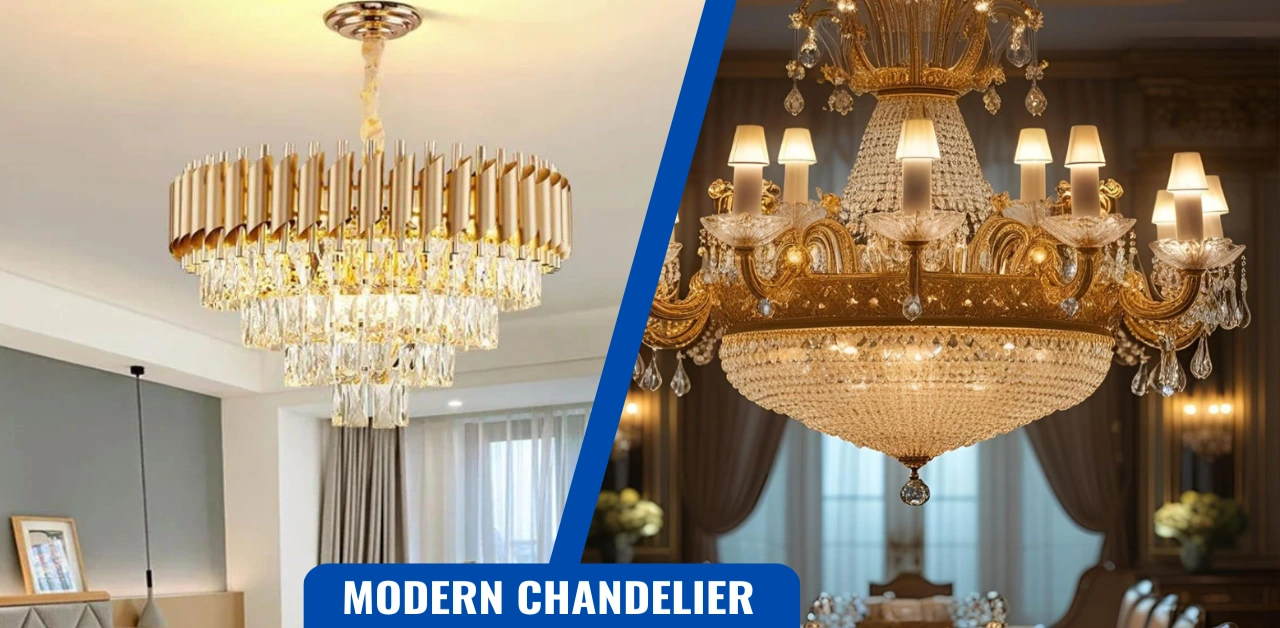
Top 20 Luxury Chandelier is a Great Choice for a Dubai Home
Quick answer: Add your room’s length and width together in feet — that number is roughly your ideal chandelier diameter in inches. A 12×14 ft room calls for about a 26-inch chandelier. Over a dining table specifically, hang it 30–36 inches above the tabletop, and check that the ceiling junction box is actually rated for the fixture’s weight before installation — an undersized box is a real safety issue, not just a technicality.
A chandelier is one of the few furnishings that has to get both the engineering and the proportions right — too small looks lost in a high-ceilinged Dubai living room, too large overwhelms the space, and a fixture hung from the wrong hardware is a genuine hazard rather than just a style miss. Here’s how to size, place, and maintain one properly.
Sizing: The Formula That Actually Works
- Room-based diameter: Add the room’s length and width in feet; the sum is roughly your ideal chandelier diameter in inches. Example: a 12×14 ft room (12+14=26) suits a chandelier around 26 inches in diameter.
- Table-based diameter (for dining rooms): The chandelier should be about half to two-thirds of the dining table’s width — use whichever of the two calculations (room-based or table-based) gives the smaller number, then adjust slightly for ceiling height: toward the smaller end under a 9ft ceiling, toward the larger end above a 10ft ceiling.
- Hanging height above a dining table: 30–36 inches above the tabletop — closer to 30 inches for a lower ceiling, closer to 36 for a higher one.
- Foyer and staircase clearance: Leave enough vertical clearance that no one can reach up and touch the fixture from the floor below, and enough room at the sides that it doesn’t crowd a stairway landing or walking path.
The Safety Detail Most Buying Guides Skip: Weight Rating
A chandelier hangs from the ceiling’s electrical junction box, which has to be rated to hold the fixture’s actual weight — not just wired to power it. Standard residential junction boxes are typically rated for lighter fixtures; a large crystal or metal chandelier often needs a heavier-duty, fixture-rated box and additional structural support from the ceiling joist above, not just the drywall or gypsum ceiling itself. This is genuinely one for a licensed electrician to confirm before installation, not a DIY judgment call — a fixture that pulls loose from an underrated box is a real injury risk, not just an inconvenience.
Understanding Chandelier Parts (Useful for Buying, Repair, and Cleaning)
- Canopy: The cover plate at the ceiling that conceals the junction box and wiring connection.
- Chain or downrod: Connects the canopy to the fixture body and determines hanging height — a chain offers some length adjustability, a rigid downrod gives a cleaner, more modern line.
- Column: The central vertical stem that houses the wiring running down to the arms.
- Arms: The branches extending outward, each holding a light socket.
- Candle cup and candle tube: The decorative collar and sleeve around each socket, often styled to resemble a real candle.
- Bobeche: The small cup-shaped dish below each socket that anchors hanging crystals — mainly on crystal-style chandeliers.
- Finial: The decorative piece that caps the bottom of the fixture, securing the assembly.
Knowing these terms matters practically — when ordering a replacement part, describing a repair to an electrician, or specifying instructions to a cleaning service, “the bobeche is loose” gets a far more accurate result than “one of the crystal bits is wobbly.”
LED vs. Traditional Bulbs: A Genuine Climate Consideration
LED chandelier bulbs matter more in the UAE than in milder climates for a specific reason: they run cooler than incandescent bulbs, which reduces the heat a chandelier adds to a room that’s already being actively air-conditioned — a small but real efficiency factor when cooling costs are a genuine year-round expense. LEDs also last considerably longer, which matters more for a chandelier than a standard lamp, since replacing a bulb on a high, ornate fixture is a bigger task than swapping a table lamp bulb.
Where Chandeliers Genuinely Add Value
- Living rooms: Work best as a focal point over a seating area, sized using the room-based formula above rather than guessed by eye.
- Dining rooms: The most common and functional placement — properly sized and hung, it lights the table directly while anchoring the room’s design.
- Staircases and double-height foyers: Genuinely well-suited to tall vertical spaces that a standard flush-mount fixture can’t fill visually — but require professional installation given the height and access challenges involved.
- Bedrooms: A smaller-scale chandelier can add a boutique-hotel feel, but should be sized down considerably from a living or dining room fixture, and hung with enough clearance that it isn’t visually or physically intrusive over the bed.
Maintenance
Dust accumulates faster on chandeliers than most fixtures because of the surface area created by arms, crystals, and decorative details. A microfiber cloth or a specific crystal-safe cleaning spray handles routine dusting; a large or hard-to-reach chandelier (staircases, double-height ceilings) is worth having professionally cleaned periodically rather than risking a fall or fixture damage with an improvised ladder setup.
Frequently Asked Questions
How do I know what size chandelier to buy for my room?
Add your room’s length and width in feet — the sum is roughly the ideal diameter in inches. For a dining room, also check that the fixture is about half to two-thirds of the table’s width, and use whichever calculation gives the smaller number.
How high should a chandelier hang above a dining table?
30–36 inches above the tabletop — toward 30 inches for a lower ceiling, toward 36 for a higher one. This keeps the fixture out of sightlines across the table while still lighting it directly.
Can any ceiling support a heavy chandelier?
Not without checking first. The ceiling’s electrical junction box needs to be rated for the fixture’s actual weight, and heavier chandeliers often need additional structural support from the ceiling joist, not just the drywall or gypsum board. Always have a licensed electrician confirm this before installing a large or heavy fixture.
What are the small cup-shaped pieces under a crystal chandelier called?
Those are bobeches — they sit below each light socket and anchor the hanging crystal prisms. Knowing the correct term helps when ordering replacement parts or describing a repair.
Editorial note: Sizing formulas and hanging height figures reflect standard lighting design guidance current as of 2026. Always have installation and weight-rating confirmed by a licensed electrician, particularly for large or heavy fixtures.