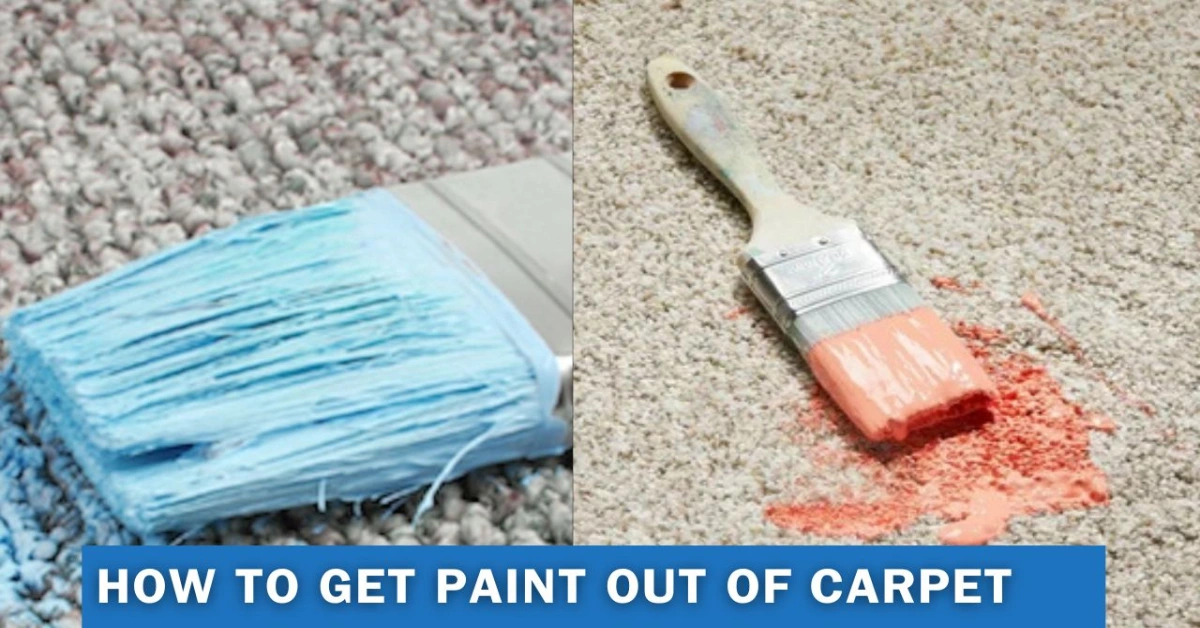
How to Get Paint Out of Carpet?
The right method for a paint stain depends entirely on one question: what kind of paint is it? Water-based (latex) paint responds to soap and water even after drying somewhat. Oil-based paint doesn’t — it needs a solvent. Get that distinction right first, and the rest of the process is straightforward.
Quick answer: for wet, water-based paint, blot and flush with mild soap and water. For dried water-based paint, soften it with a damp cloth before lifting. For oil-based paint at any stage, you need mineral spirits (paint thinner) — soap and water alone won’t touch it. For acrylic paint specifically, see our dedicated acrylic paint guide, which needs rubbing alcohol once dried rather than mineral spirits.
Step 1: Identify The Paint Type
Check the can if you still have it, or judge by feel: water-based (latex) paint thins and cleans up with water when wet, and has a slightly rubbery, flexible dried texture. Oil-based paint smells stronger, doesn’t thin with water, and dries into a harder, glossier film. This determines which of the two methods below actually works.
Wet, Water-Based Paint
- Blot immediately with a clean cloth or paper towel, pressing and lifting — never rubbing, which spreads the paint into clean fibers.
- Work from the outside of the stain inward so you’re containing it rather than pushing it outward as you clean.
- Apply a small amount of mild soap mixed with water, dabbing (not soaking) the area.
- Blot with a clean, damp cloth to rinse the soap out, then press dry with a towel.
Dried Water-Based Paint
- Soften it first with a damp (not soaking) cloth held against the paint for a minute or two.
- Gently scrape or lift loosened flakes with a dull blade or spoon edge, working from the edges of the stain inward.
- Repeat the soften-and-lift cycle as needed — dried paint rarely comes up in one pass, and that’s normal.
- Finish with mild soap and water once most of the paint is lifted, then rinse and blot dry.
Oil-Based Paint (Wet Or Dried)
This is where water-based methods fail — oil-based paint needs a solvent to break down, regardless of how fresh it is.
- Blot up any wet excess first without spreading it further.
- Patch-test mineral spirits (paint thinner) on a hidden corner of carpet and wait several minutes to check for dye bleed or fiber damage before treating the visible stain.
- Apply mineral spirits to a cloth, not directly to the carpet, and dab the stain to break down the paint.
- Blot repeatedly with a clean section of cloth as it lifts, switching often so you’re not reapplying dissolved paint back onto the carpet.
- Finish with mild soap and water to remove any solvent residue, then rinse and blot dry.
Work in a ventilated room when using mineral spirits — open a window and avoid open flames or smoking nearby, since the fumes are flammable.
Tools That Actually Matter
- A soft, clean cloth (the main tool for almost every step)
- A dull knife edge or spoon for scraping dried paint without cutting carpet fibers
- Mild dish soap for water-based paint
- Mineral spirits (paint thinner) for oil-based paint specifically — soap and water won’t work on it
- Rubbing alcohol if the paint is acrylic rather than latex or oil-based
Mistakes That Make It Worse
- Scrubbing instead of blotting. This is the single biggest reason a contained stain turns into a spread-out one.
- Using the wrong solvent for the paint type. Mineral spirits on latex paint, or water alone on oil-based paint, both waste effort without result.
- Skipping the patch test. Any solvent — mineral spirits, rubbing alcohol, or a commercial paint remover — should be tested on a hidden spot first, since it can bleed carpet dye or affect synthetic backing.
- Waiting too long to start. Both paint types become progressively harder to fully remove the longer they’re left, but oil-based paint in particular cures into a much harder film within a day or two.
When To Call A Professional
A large spill, a delicate or natural-fiber carpet (wool especially), or a stain that’s been sitting for days and cured hard are all situations where a professional cleaner’s equipment and stronger solvents will do better than a home attempt — and without the same risk of damaging the pile through repeated scrubbing.
Frequently Asked Questions
Can I use the same method for latex and oil-based paint?
No — this is the most common mistake. Latex (water-based) paint responds to soap and water; oil-based paint needs mineral spirits or a similar solvent. Using the wrong one wastes time and can make the stain harder to treat afterward.
Is mineral spirits safe on all carpets?
Not universally — always patch-test on a hidden corner first and wait several minutes to check for dye bleed or backing damage before applying it to the visible stain.
What if I don’t know whether the paint is water- or oil-based?
Try a small amount of water and mild soap first, since it’s the gentler option. If the paint doesn’t respond at all after a couple of attempts, it’s likely oil-based and needs mineral spirits instead.
Can dried paint ever be completely removed?
Often, yes, especially water-based paint treated within a few days. Paint left for weeks, or a large, deeply worked-in stain, may leave some faint residue even after proper treatment — a professional clean is worth considering at that point.
Final Thoughts
The paint type is the decision that matters most here: water-based responds to soap and water, oil-based needs mineral spirits, and acrylic needs rubbing alcohol once it’s dried. Blot rather than rub at every stage, patch-test any solvent first, and expect dried paint to take a few repeated rounds rather than one clean pass.