Top 10 Benefits of Using Table Lamps for Home Decor
Quick answer: A table lamp works best when its shade sits roughly at seated eye level, about 58–64 inches from the floor once it’s on a side table or nightstand — most lamps land around 30 inches tall from base to shade top to achieve this. For brightness, aim for 400–800 lumens for a reading lamp (450–600 is the sweet spot) and around 200–400 for ambient-only mood lighting, in a warm 2700K color temperature — cooler light near a bed actually suppresses melatonin and works against winding down for sleep.
A table lamp is one of the cheapest ways to change how a room feels, but the sizing and brightness numbers matter more than the style — the wrong height or the wrong color temperature undercuts an otherwise good-looking lamp every time it’s actually switched on.
The Height Rule That Determines Whether a Lamp “Feels Right”
A table lamp shade should sit at roughly seated eye level — about 58 to 64 inches from the floor when placed on its table. Most table lamps run around 30 inches tall from base to shade top to land in that range on a standard side table or nightstand height. If your specific table is taller or shorter than average, adjust: pair a taller table with a shorter lamp base, or a lower table with a taller one, so the shade still lands near eye level rather than glaring down at you or sitting below your sightline.
Shade Sizing: A Simple Proportion Rule
The lamp shade should be no more than about half the width of the table it sits on — wider than that looks visually top-heavy and risks overhanging the table’s edge. Beyond width, the shade’s job is to diffuse light evenly; a shade that’s too narrow relative to the bulb inside creates hot spots and harsh shadows rather than a soft, even glow.
Brightness: Match Lumens to the Lamp’s Actual Job
| Purpose | Lumens | Approx. LED Wattage |
|---|---|---|
| Ambient / mood only | 200–400 | ~3–5W |
| Reading / task lighting | 400–800 (450–600 ideal) | ~4–10W |
| Dual-purpose (dimmable) | 600–800, dimmed as needed | ~8–10W |
A dimmable bulb or lamp is genuinely worth the small extra cost if the same lamp needs to serve both a relaxed evening mood and focused reading — rather than buying two separate lamps or living with a fixed brightness that’s wrong for one of the two uses.
Color Temperature: Especially Important at the Bedside
2700K (warm white) is the standard recommendation for bedside and living room table lamps — it produces a soft, golden, relaxing glow. Cooler light (4000K and above) reads as more clinical and, used right before bed, can actively work against winding down: cooler color temperatures suppress melatonin production and signal alertness rather than rest. Save cooler white light for task-focused areas like a home office desk lamp, not the nightstand.
Placement: Where Table Lamps Actually Earn Their Keep
- Nightstands: The most common and functional placement — warm, dim-capable light for reading or winding down without the harshness of an overhead fixture.
- Sofa side tables: Softens the room in the evening and provides task light for reading without needing the main ceiling light on.
- Console tables and entryways: More about ambiance and visual anchoring than task lighting — pick a lower lumen count here, closer to the ambient range.
- Paired lamps on matching nightstands or console ends create visual symmetry and read as more intentionally designed than a single, off-center lamp.
Layering With Other Light Sources
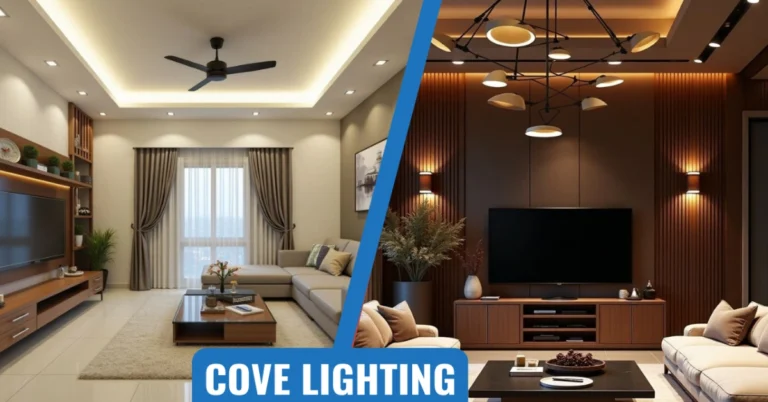
A table lamp works best as part of layered lighting, not as a room’s only light source. Combining a table lamp (ambient/task) with ceiling lighting and, where relevant, cove or accent lighting gives you control over mood at different times of day, rather than one fixture trying to do every job at once — flat overhead lighting alone tends to feel harsher and less flattering than a layered mix.
Frequently Asked Questions
How tall should a table lamp be?
Aim for the shade to sit at roughly seated eye level, about 58–64 inches from the floor once placed on its table. Most table lamps run around 30 inches tall base-to-shade-top to achieve this on a standard-height side table or nightstand — adjust the lamp’s height based on how tall your specific table is.
How many lumens should a bedside reading lamp be?
Aim for 400–800 lumens, with 450–600 being the ideal range for comfortable reading without excessive brightness. For ambient mood lighting only, 200–400 lumens is generally sufficient.
What color temperature is best for a bedside lamp?
2700K (warm white) is the standard recommendation — it creates a relaxing, golden glow appropriate for winding down. Cooler light (4000K or above) can suppress melatonin production and work against sleep, so it’s better suited to task areas like a home office rather than a nightstand.
How wide should a lamp shade be relative to the table it sits on?
No more than about half the width of the table. Wider than that looks visually top-heavy and risks the shade overhanging the table’s edge.
Editorial note: Height, shade sizing, lumen, and color temperature figures reflect standard lighting design guidance current as of 2026. Adjust proportions based on your specific table height and room scale.