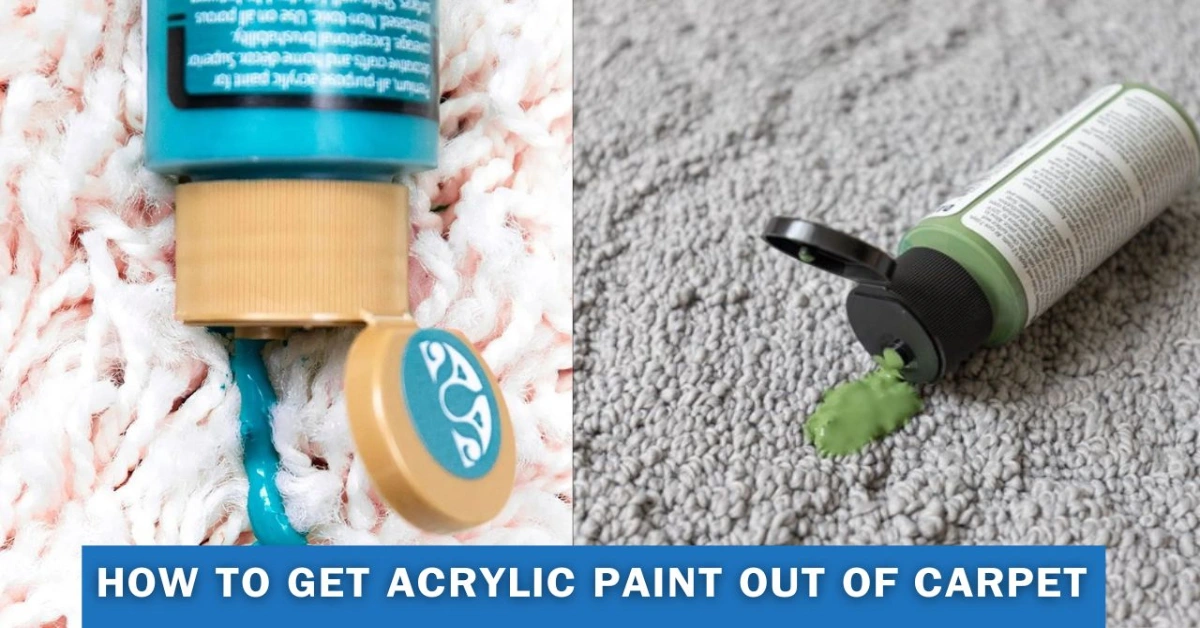
How to Get Acrylic Paint Out of Carpet?
Acrylic paint is deceptive on carpet: it behaves like ordinary liquid paint for the first few minutes, then cures into a plastic-like resin that bonds to the fibers. That’s the key fact that determines your approach — a fresh spill and a dried one need genuinely different methods, and the dried version needs a solvent the fresh one doesn’t.
Quick answer: for a fresh spill, blot (never rub) and flush with a little water and mild soap before it has a chance to cure. For dried, cured paint, scrape off what you can, then use rubbing alcohol — not just water — to soften the resin, testing on a hidden spot first since alcohol can affect some carpet dyes.
Fresh Spill: Act Before It Cures
- Blot immediately with a clean cloth, pressing and lifting rather than rubbing — rubbing pushes wet paint deeper into the fibers.
- Scrape off any excess with a spoon or dull knife edge before it has a chance to spread further.
- Flush with a little water and a small amount of mild dish soap, dabbing rather than scrubbing.
- Rinse with clean water and blot dry, checking the spot from an angle once dry to catch any faint residue while it’s still easy to treat.
Speed matters here specifically because acrylic paint typically forms a surface skin within 10-20 minutes and can be substantially cured within an hour — the window for a simple water-and-soap fix is genuinely short.
Dried, Cured Paint: You Need A Solvent
Once acrylic paint has cured, water alone won’t soften it — you need rubbing alcohol (isopropyl alcohol) to break down the resin.
- Scrape off as much dried paint as possible first with a dull blade or the edge of a spoon, working carefully so you’re lifting flaked paint rather than grinding it further into the pile.
- Patch-test rubbing alcohol on a hidden corner of carpet first, and wait five minutes — some dyes can bleed and some synthetic backings can be affected by alcohol, so this step isn’t optional.
- Apply rubbing alcohol to a cloth, not directly to the carpet, and dab it onto the remaining paint to soften the resin.
- Blot repeatedly, switching to a clean section of cloth as it picks up color, until no more paint transfers.
- Neutralize with a little soapy water, then rinse with clean water and blot dry.
Be realistic about older stains: paint that’s been sitting for days or weeks has usually bonded deeply enough into the fibers that complete removal isn’t guaranteed, even with alcohol — a lighter residual mark is a realistic outcome to expect on an old, neglected stain, not a sign you did something wrong.
Mistakes That Make It Worse
- Rubbing instead of blotting. This spreads wet paint sideways into clean fibers and is the single most common way a small spill becomes a bigger stain.
- Using hot water. Heat can help set some paint types rather than loosening them — stick to room temperature or cool water.
- Skipping the alcohol patch test. Applying alcohol directly to visible carpet without testing first risks bleeding the dye or damaging a synthetic backing — a five-minute test avoids a much bigger problem.
- Over-scrubbing dried paint. Aggressive scrubbing can distort or flatten the pile permanently, which is sometimes worse than the faint stain you were trying to remove.
When To Call A Professional
Large spills, paint that’s worked deep into a thick or looped-pile carpet, or a carpet with a delicate or natural fiber (wool especially) are all situations where a professional cleaner is worth the cost — they have solvents and extraction equipment that go further than a home alcohol treatment without the same risk of damaging the pile.
Frequently Asked Questions
Does rubbing alcohol damage carpet?
It can affect some dyes and synthetic backings, which is exactly why a hidden-spot patch test (wait five minutes) comes before treating the visible stain. Most synthetic carpets tolerate it fine once tested.
Can I use nail polish remover instead of rubbing alcohol?
Acetone-based nail polish remover can work similarly on some carpets, but it’s harsher and more likely to affect synthetic fibers or backing — rubbing alcohol is the safer first choice, with acetone as a stronger backup only after a patch test.
Is dried acrylic paint ever impossible to fully remove?
Old paint that’s sat for days or weeks has often bonded deeply enough that some faint residue remains even after treatment. Fresh spills treated within the first hour have a much higher chance of complete removal.
Should I use hot or cold water on an acrylic paint stain?
Cool or room-temperature water. Heat can help set some paints into the fibers rather than helping lift them.
Final Thoughts
Speed is everything with a fresh acrylic spill — blot, flush with soap and water, and you’ll likely avoid a lasting stain entirely. Once it’s dried and cured, rubbing alcohol (patch-tested first) is the tool that actually softens the resin; water alone won’t do it. For paint types beyond acrylic, our general guide to paint removal from carpet covers latex and oil-based paint specifically.