How to Get Stains Out of the Carpet with Baking Soda | Easy Cleaning Tips
Baking soda is one of the few household products that genuinely earns its reputation as a carpet stain fix — it absorbs moisture and lifts residue rather than just masking it, and it won’t bleach or discolor carpet the way stronger chemical cleaners sometimes do. It’s not equally effective on every stain type, though, and how you use it changes depending on what you’re treating.
Quick answer: for most fresh, non-greasy stains, blot first, then cover with a baking soda paste (roughly 3 parts baking soda to 1 part water), leave for a few hours, and vacuum. For greasy or oily stains, add a drop of dish soap to the paste. For dark, dye-based stains (wine, ink), baking soda alone often isn’t enough — see the stain-specific notes below.
The First Response Matters More Than The Product
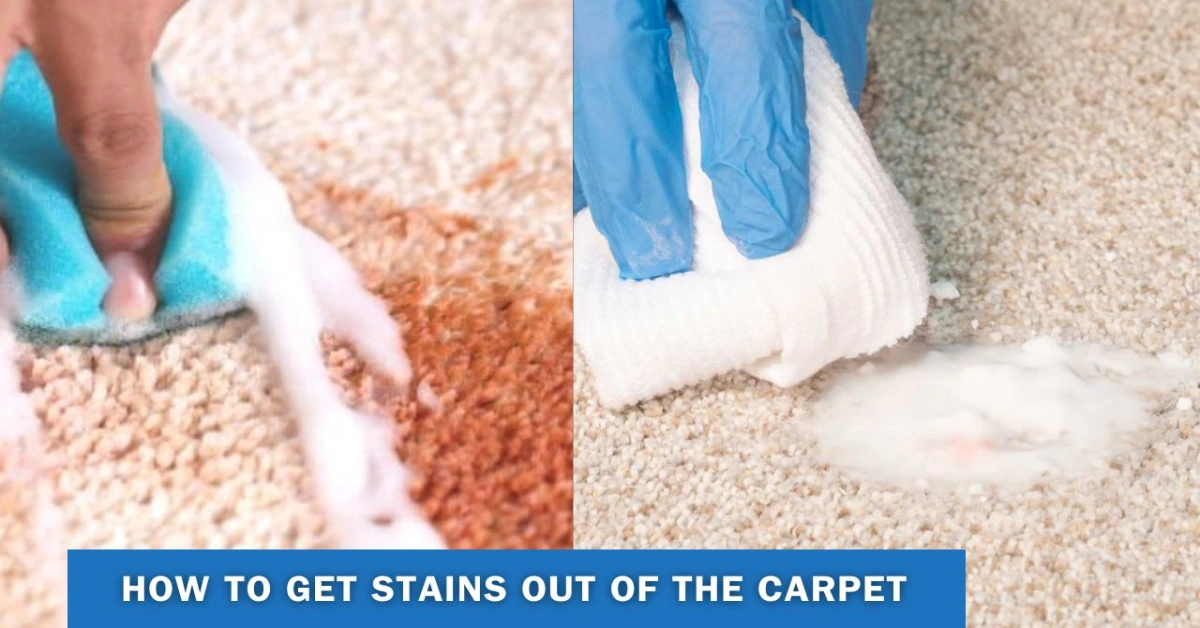
Before baking soda touches the carpet, blot the spill with a clean cloth — press and lift, never rub. Rubbing pushes the stain deeper into the fibers and spreads it sideways, which is why a spill handled calmly in the first minute is almost always easier to fully remove than the same spill scrubbed at aggressively.
The Standard Baking Soda Method
- Blot up all the liquid you can with a clean, dry cloth before applying anything.
- Make a paste of roughly 3 parts baking soda to 1 part cool water — thick enough to sit on the stain without running.
- Apply it directly over the stain, covering it completely rather than sprinkling lightly.
- Let it dry completely, which usually takes 3-4 hours, longer overnight for a stronger or older stain.
- Vacuum thoroughly once the paste has fully dried and hardened — it should lift away with the residue it absorbed.
Stain-Specific Adjustments
| Stain Type | Adjustment To The Standard Method |
|---|---|
| Food or drink (non-greasy) | Standard method works well as-is. |
| Grease or oil | Mix a drop of dish soap into the baking soda paste — plain baking soda struggles with oil-based residue on its own. |
| Wine or dark juice | Blot with cold water first to dilute the dye before applying the paste; baking soda alone often won’t fully lift the color from a dye-based stain. |
| Old, dried stains | Lightly wet the area first to soften it before applying the paste — baking soda doesn’t work as well on a fully dry, set-in stain. |
| Pet urine or protein-based stains | Baking soda helps with odor but doesn’t break down the uric acid itself — see our urine odor removal guide for the enzymatic-cleaner step that actually resolves it. |
| Coffee | Our dedicated coffee stain guide covers this specifically, including old dried-in stains. |
Why Baking Soda Also Helps With Smell
Beyond lifting stains, baking soda absorbs odor molecules rather than covering them, which is why it’s worth a second application specifically for smell even after a stain is visibly gone. Sprinkle a light layer over the (dry) area, leave for a few hours or overnight, then vacuum thoroughly. For odor that persists after this, our full carpet odor guide covers deeper causes and fixes.
Mistakes That Make Stains Worse
- Scrubbing instead of blotting. This is the single most common way a manageable stain turns into a larger, harder one.
- Using too much water in the paste. A runny mixture spreads the stain outward instead of drawing it up.
- Mixing multiple cleaning products at once. Combining products you’re unsure will react safely together can discolor the carpet or create blotchy patches.
- Waiting too long to treat a spill. The longer a stain sits untreated, the deeper it settles into the fibers and pad, and the more attempts it takes to fully lift.
Preventing Repeat Stains
- Treat spills the moment they happen rather than after the meal or gathering ends.
- Vacuum regularly — loose dust and grit grind into existing marks and make them harder to fully clean later.
- Use a mat or rug in high-traffic, high-spill zones like dining areas, so accidents land somewhere easier to clean or replace.
Frequently Asked Questions
How long should baking soda sit on a carpet stain?
3-4 hours for most fresh stains; overnight for old or stubborn ones. It needs to fully dry before vacuuming, since the drying process is part of how it draws out moisture and residue.
Does baking soda remove all carpet stains?
No — it’s genuinely effective on most everyday food, drink, and general grime stains, but dye-based stains (wine, ink) and protein-based ones (pet urine, blood) need an adjusted approach or a different product entirely, covered in the table above.
Can baking soda damage or discolor carpet?
It’s one of the gentler options on this list and generally safe for all carpet types and colors, unlike some chemical cleaners. Still worth testing on a hidden corner first if you’re working with a delicate or natural-fiber carpet.
Should I vacuum up wet or dry baking soda?
Always wait until it’s fully dry. Vacuuming while it’s still damp can clog the vacuum and won’t lift the absorbed residue nearly as effectively.
Final Thoughts
Baking soda earns its place as a go-to carpet fix because it’s gentle, cheap, and genuinely effective on the stains most households deal with day to day — it just isn’t a universal answer for every stain type. Blot first, match the paste to what you’re actually treating, and give it time to dry fully before vacuuming. For pet urine or a coffee-specific problem, our dedicated guides cover the extra steps that baking soda alone won’t handle.