10 Best Medium Length Hairstyles for Men in 2026
Medium length sits in an awkward spot in a lot of men’s minds: too long to call short, not long enough to tie back, and easy to get wrong if it’s grown out without a plan. Done properly though, it’s the most versatile length there is. You get enough hair on top to add real texture, movement, and shape, while sides can still be tapered or faded for a clean, low-maintenance finish underneath.
This guide covers 10 medium length cuts worth asking your barber for in 2026, how each one is actually styled day to day, and which hair types and face shapes they suit best. For a wider look across every length, our full guide to men’s hairstyles from short to long is a good starting point if you’re still deciding on length itself.
What Counts as Medium Length on Men
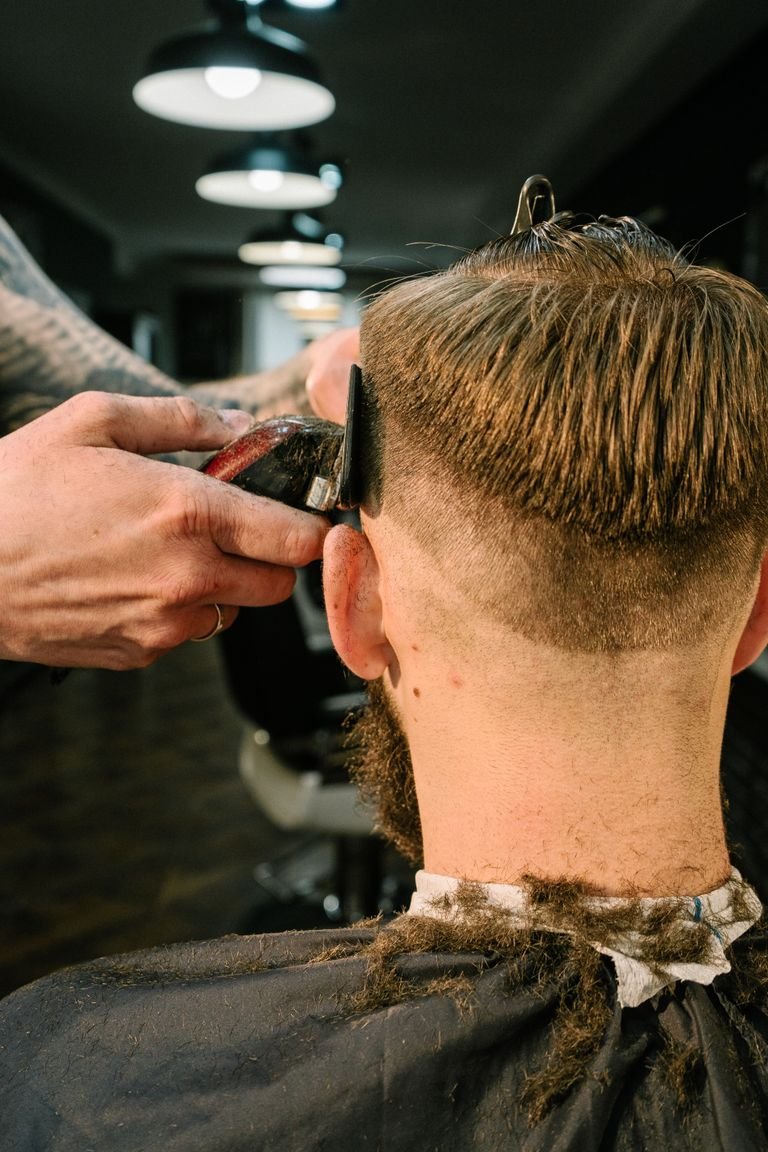
Most barbers use roughly 2 to 5 inches on top as the medium range, long enough to comb, style with texture, or push back, but short enough that it doesn’t require tying up to stay out of your face. Sides typically stay shorter, whether that’s a taper, a fade, or just scissor-cut shorter than the top, which is what creates the contrast that makes medium cuts look intentional rather than simply grown out.
10 Medium Length Hairstyles for Men in 2026
1. Textured French Crop
A fuller, longer take on the classic crop, with a defined fringe left at the front and heavier texture throughout the top rather than a short, tight cut. The length gives it more visual weight than a standard crop while keeping the sides tapered close. Work a small amount of matte clay or paste through damp hair, then push the fringe forward and slightly to one side with your fingers rather than a comb, which keeps the piecey, textured finish this style depends on.
2. Modern Shag
Heavily layered throughout the top and sides, cut to sit with intentional movement rather than a uniform shape. This is one of the lowest-effort medium cuts to maintain day to day because the layering does most of the styling work for you; towel-dry hair and work in a light texturizing spray, then let it air dry or rough-dry with your fingers instead of a brush. It suits wavy and naturally textured hair best, since straight hair tends to need more product to hold the piecey layered look.
3. Bro Flow
Hair left at a natural 4 to 6 inches on top and simply pushed straight back off the forehead, with little to no cutting-in of layers. It works because the length and the natural fall of the hair do the styling, not product or heat tools. A light pomade or sea salt spray keeps flyaways down without flattening the volume. This one needs genuinely thick or medium-density hair to hold its shape; fine hair tends to look thin rather than voluminous at this length.
4. Hard Part with Comb-Over
A crisp, razor-shaved parting line separates the top from the sides, with the top length combed over to one side using a strong-hold pomade or gel. The hard line is what elevates this above a standard side part, giving it a sharper, more deliberate look that holds up well for formal settings. It needs a barber comfortable freehand shaving a straight line, and the part needs re-cutting roughly every 2 to 3 weeks as the hairline grows out and blurs the edge.
5. Slicked-Back Medium Length with a Fade
Medium length hair on top, combed straight back with a strong-hold pomade or gel, paired with a faded transition on the sides rather than a simple taper. The fade is what makes this read as current rather than dated. If you want the specific fade height and blend technique explained in more depth, our guide to mid fade haircuts covers how to talk to your barber about getting the blend right.
6. Textured Waves (Surfer-Inspired)
A loose, tousled, slightly sun-bleached looking texture, styled to look effortless rather than precisely set. Natural waves or a loose perm both work well here. A matte paste or a texturizing sea salt spray worked through damp hair and left to air dry gives the rough, undone finish this style is built around; a flat iron or straightener will actually work against this look, so it’s one of the few medium cuts where skipping heat tools entirely is the better call.
7. Medium Curtain Fringe
Center-parted hair that falls forward and outward on both sides of the face, framing it like a curtain rather than sweeping to one side. At medium length it sits with more weight and movement than the shorter curtain fringes that were popular a few years ago. We’ve covered the full styling routine, including how to blow-dry the fringe into shape with a round brush, in our dedicated guide to curtain hairstyles for men.
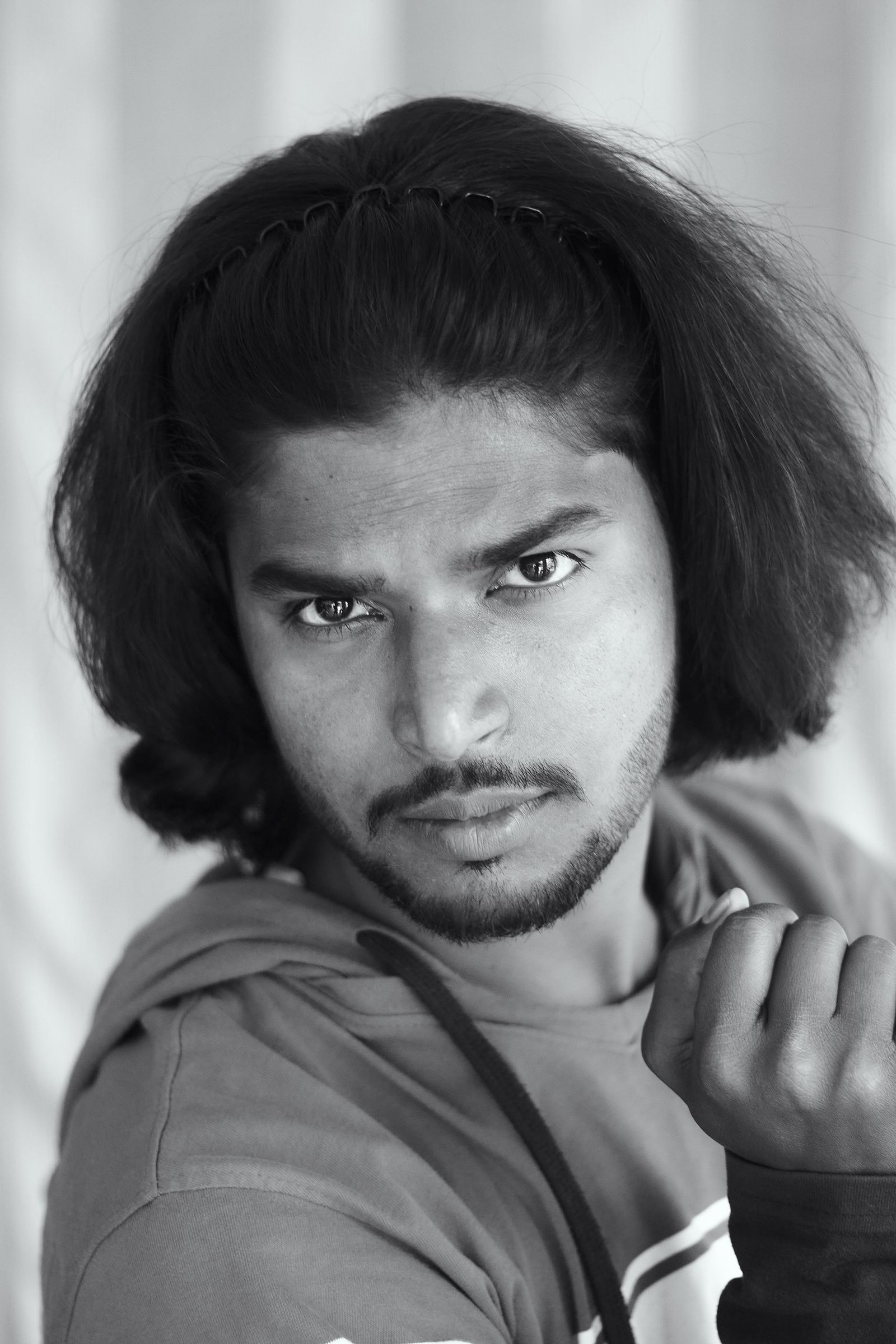
8. Half-Up Top Knot
The top section of medium length hair is gathered and tied into a small knot at the crown, while the rest is left down or tucked under. Unlike a full man bun, which generally needs shoulder-length hair to tie comfortably, this works on hair as short as 3 to 4 inches on top, making it a practical option for anyone growing hair out toward a longer style without an awkward in-between stage.
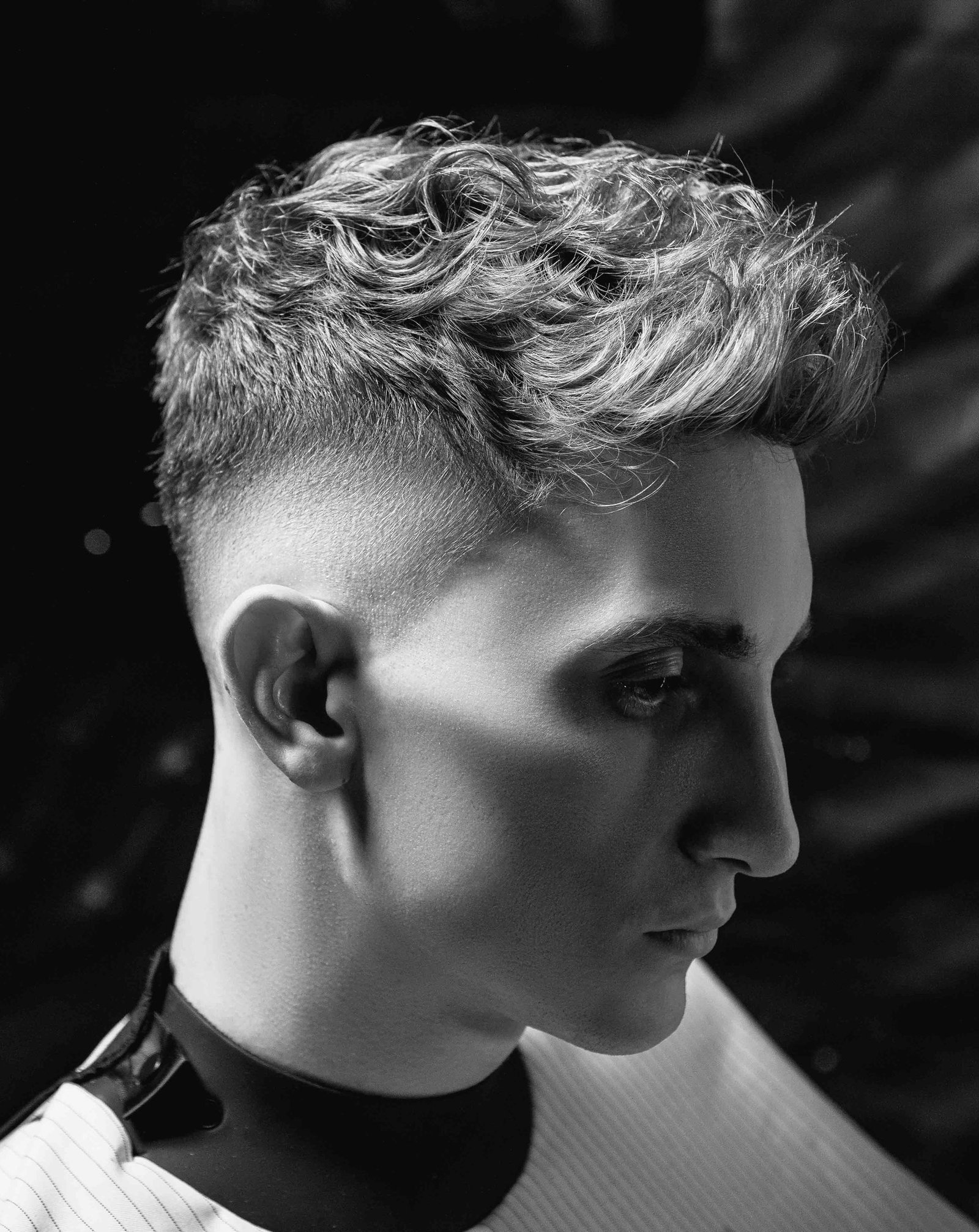
9. Medium Length Undercut
Sides and back cut very short or shaved with a hard, disconnected line, while the top is left at 3 to 5 inches, long enough to style up, back, or to the side depending on the day. The sharp contrast between lengths is what defines this cut more than any particular top style, and it’s one of the more forgiving options for growing hair out, since the shaved sides keep the overall look clean even as the top length changes.
10. Layered Crop for Thick or Wavy Hair
Internal layering removes bulk from thick or wavy hair without losing overall length or volume on top, which keeps a medium cut from looking heavy or helmet-like. This is less a single look than a cutting technique your barber applies to whichever medium style you choose, and it’s worth specifically asking for if your hair is naturally thick, since a one-length medium cut on dense hair tends to hold its shape poorly and look bulky by the end of the day. For curl-specific cutting techniques, see our guide to curly haircuts for men by curl type.
Choosing a Medium Length Style for Your Hair Type
| Hair Type | Best Suited Styles | Why |
|---|---|---|
| Straight, fine | Hard part comb-over, textured French crop | Structured styles hold shape better than loose, texture-dependent looks on fine hair |
| Straight, thick | Bro flow, slicked-back with fade | Enough natural density to hold volume without added layering |
| Wavy | Modern shag, textured waves, layered crop | Natural wave pattern does most of the texture work with minimal product |
| Curly or coily | Layered crop, medium length undercut | Layering prevents bulk; short sides keep curl volume from overwhelming the whole head |
Growing Out From Short to Medium Without an Awkward Stage
The stretch between a short cut and a proper medium length, usually somewhere around week 4 to week 10 of growth, is where most men give up and cut it all off again. A medium length undercut or hard part handles this transition best, since short, defined sides keep the overall look clean while the top grows regardless of exactly how long it’s gotten. Regular trims every 3 to 4 weeks that only shape the top and clean up the sides, without cutting length off the crown, keep the growing-out phase looking deliberate instead of just overdue for a haircut.
Frequently Asked Questions
How long does hair need to be to count as medium length?
Roughly 2 to 5 inches on top is the range most barbers work with for a medium length men’s cut, long enough to style with texture or push back, short enough not to need tying up.
Which medium length hairstyle needs the least daily styling?
A modern shag and a medium length undercut both need the least daily effort. The shag’s layering holds its own shape with minimal product, and the undercut’s short sides keep the overall look tidy even on days when the top isn’t styled.
Can medium length hairstyles work with a receding hairline?
Yes, though styles that add height or forward-swept volume, like a textured crop or hard part, generally work better than styles that push hair straight back and expose the hairline, like a slicked-back look.
How often should medium length hair be trimmed?
Every 4 to 6 weeks is typical for maintaining a defined medium shape, though styles with a hard part or faded sides need the sides and part line touched up more often, around every 2 to 3 weeks, even if the top isn’t cut.
Do medium length hairstyles work for curly hair?
Yes. A layered crop or medium length undercut both work well on curly and coily textures, since internal layering manages volume and shorter sides prevent the overall shape from becoming too heavy.
Final Thoughts
Medium length works best when the cut is chosen around how your hair actually behaves, not just a photo you liked. Thick, straight hair holds a bro flow or slicked-back look with almost no product; wavy and curly textures generally look better leaning into a shag or layered crop rather than fighting the natural pattern with heat tools. Whichever style you land on, the sides and the part line are what need regular upkeep between cuts, more than the length on top ever does.