Mushroom Brown Hair: The Complete Guide to the Cool-Toned Brunette Trend
Mushroom brown reads as an ordinary brunette from across the room, then reveals itself up close: soft gray, taupe, and ash undertones running through a neutral brown base, the same way a portobello mushroom’s cap shifts from beige to gray depending on the light. It’s become one of the most requested “your color, but better” shades at salons because it doesn’t demand the commitment of going platinum or the upkeep of vivid fashion color — it just makes brown hair look more expensive.
This guide covers what mushroom brown actually is at the tone level, which skin undertones it flatters, the realistic difference between a salon and at-home process, and the maintenance it actually needs to stay ashy instead of turning brassy within a month.
In This Guide
- What mushroom brown hair actually is, tone by tone
- How it compares to chocolate, chestnut, and other brunette shades
- Whether it suits your skin undertone, and how to check
- The main variations: frosted, golden, roasted, and portobello mushroom
- How it’s achieved in a salon versus what’s realistic at home
- The maintenance routine that keeps it from turning brassy
What Is Mushroom Brown Hair, Exactly?
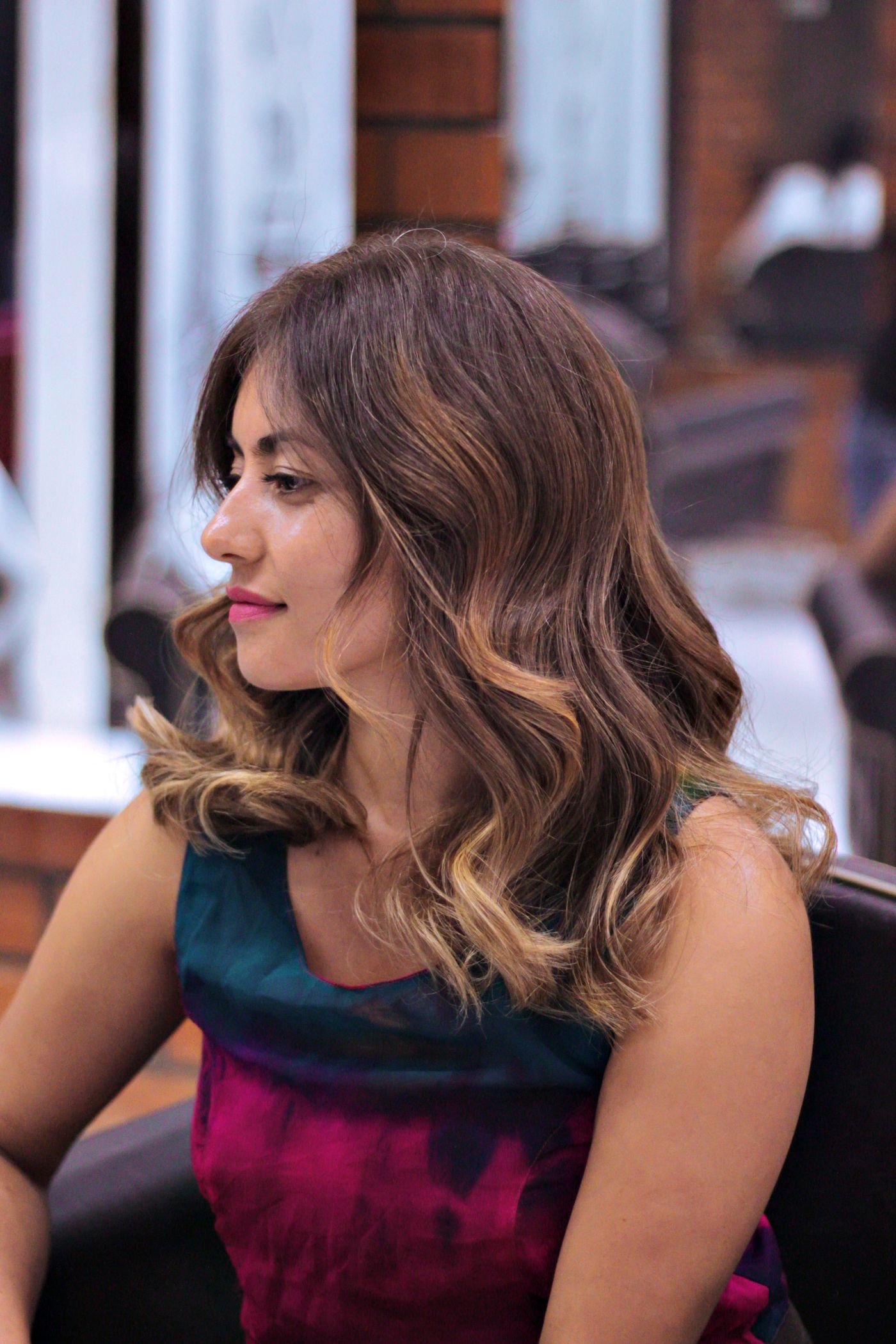
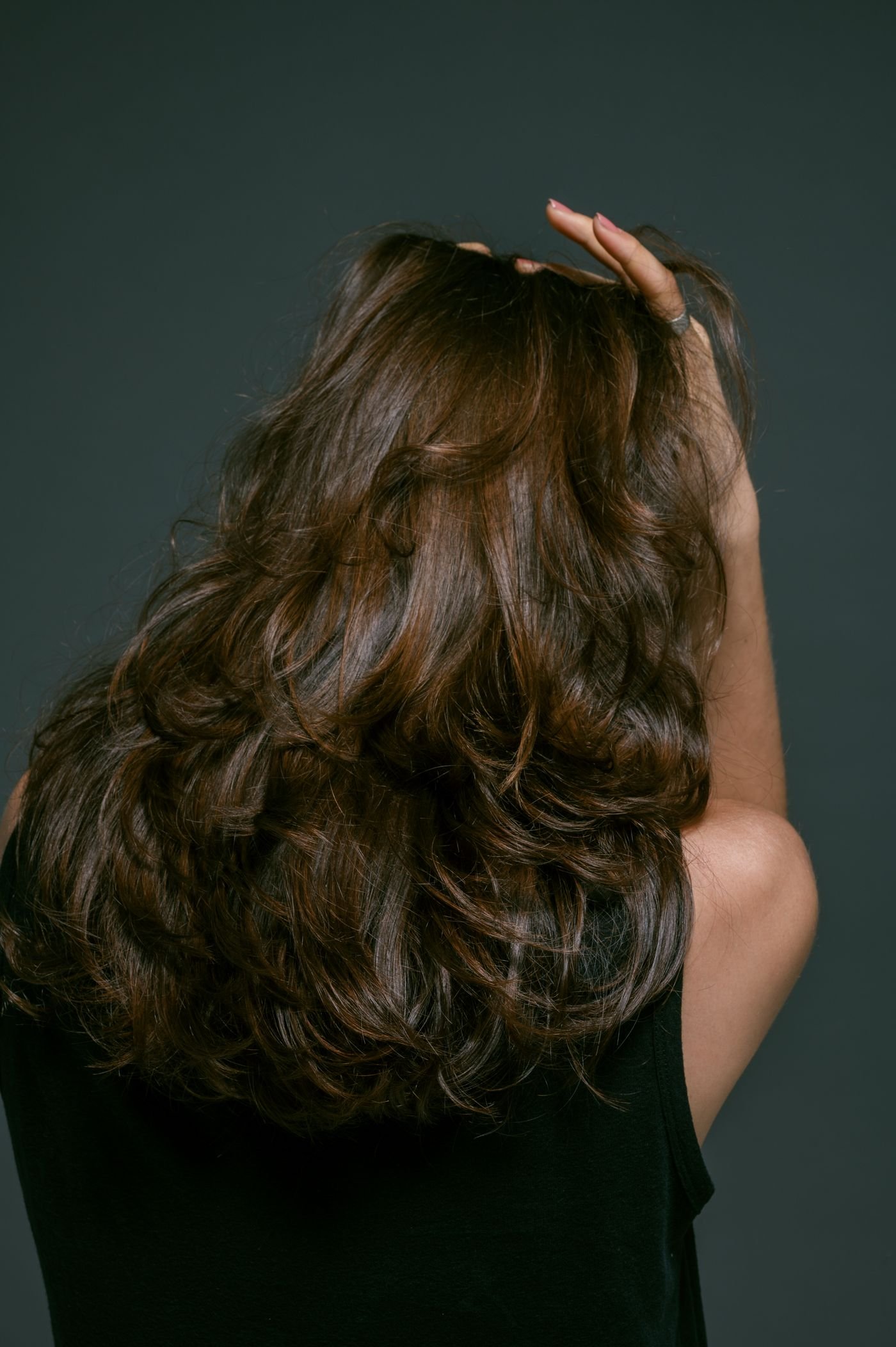
Mushroom brown is a cool-to-neutral brunette shade built on an ash brown base, then layered with beige, taupe, and gray-toned highlights or lowlights for dimension. The “cool” part matters: unlike warmer brunette trends such as chocolate or golden brown, mushroom brown deliberately avoids red and orange undertones in favor of muted, grayish ones.
At first glance it can look like a fairly standard medium brown. The gray and taupe undertones only become obvious in direct light or next to a warmer brown, which is part of why it reads as subtle and “your hair, but better” rather than an obvious color change.
Mushroom Brown vs. Other Brunette Shades
| Shade | Underlying Tone | Best For |
|---|---|---|
| Mushroom Brown | Ash, taupe, gray | Cool or neutral undertones wanting a low-maintenance, muted brunette |
| Chocolate Brown | Warm, red-brown | Warm undertones wanting richness and depth |
| Chestnut Brown | Warm, reddish-gold | Warm undertones wanting more visible red or copper flecks |
| Ash Brown | Cool, gray, no warmth | Cool undertones wanting maximum coolness with less dimension |
| Bronde | Neutral, blended blonde-brown | Those wanting more contrast between light and dark pieces |
The closest comparison is plain ash brown, but mushroom brown is generally softer and more dimensional — ash brown alone can look flat or overly gray without the beige and taupe layering that gives mushroom brown its depth.
Does Mushroom Brown Suit Your Skin Tone?
Cool-toned hair colors generally work best against cool or neutral undertones, but mushroom brown’s range is wider than a single-tone ash shade because it can be customized warmer or cooler within the “mushroom” family.
- Cool undertones (veins on your wrist look more blue than green, silver jewelry suits you better than gold) generally suit the more ashy, gray-leaning versions of mushroom brown.
- Warm undertones (veins look greenish, gold jewelry suits you better) tend to look better in the beige or taupe-leaning variations rather than the most ash-heavy version, which can look slightly harsh against warm skin.
- Neutral undertones (a mix of both, or genuinely hard to tell) have the most flexibility and can typically wear any variation of mushroom brown well.
A quick way to check: look at your wrist veins in natural daylight. Blue-leaning veins point to a cool undertone, green-leaning veins point to warm, and a mix of both points to neutral.
Variations of Mushroom Brown
- Frosted mushroom brown adds subtle, icy highlights on top of the ash base for more visible dimension and a slightly lighter overall look.
- Golden mushroom brown softens the ash with a touch of warmth, making it a gentler entry point for anyone nervous about going too gray or cool.
- Roasted mushroom brown leans deeper and richer, closer to an espresso-adjacent brown with the same gray undertone running through it.
- Portobello mushroom brown is the deepest, most saturated version, favoring dramatic depth over the lighter, more dimensional variations.
How It’s Achieved
The process depends heavily on your starting hair color. A salon colorist typically works through this sequence:
- Assessing your natural or existing color to determine whether lightening is needed before the ash tone can show up properly — mushroom brown reads differently over naturally dark hair than it does over hair that’s already been lightened.
- Building an ash brown base using a cool or neutral permanent color formula.
- Adding dimension through highlights, lowlights, or both — beige and taupe tones for lighter variations, deeper ash lowlights for richer ones.
- Toning with a gray, beige, or taupe-based glaze to unify the color and neutralize any warmth left over from the base process.
Going from a significantly warmer or darker natural color to mushroom brown usually requires some degree of lightening first, which is why this is one of the harder brunette shades to do accurately without professional color-correction experience.
Can You Do It at Home?
It depends on your starting point. If your hair is already a light-to-medium brown with minimal warmth, an at-home permanent ash-brown or “cool brunette” box dye can get reasonably close. If you’re working from a significantly warmer natural color, previously colored hair, or you want the multi-dimensional highlight-and-lowlight effect that defines the look at its best, this is a color best left to a professional colorist.
The risk with at-home ash tones on the wrong starting color is ending up with a muddy, flat gray-green cast rather than the intended soft, dimensional brown — a mistake that’s considerably more expensive to correct at a salon than it would have cost to book the appointment in the first place.
Maintenance: Keeping It From Turning Brassy
Ash and cool-toned colors are more prone to fading toward warmth than staying true, since the underlying pigment in most hair is naturally warmer than the ash tone sitting on top of it. A few habits make a real difference:
- Use a purple or blue-toned shampoo once or twice a week to counteract warmth as the color fades — purple neutralizes yellow tones, while blue neutralizes orange, so the right one depends on which direction your color tends to shift.
- Wash with lukewarm to cool water rather than hot, since heat opens the hair cuticle and accelerates color fade.
- Use color-safe, sulfate-free shampoo and conditioner for daily washing to slow fading between toning treatments.
- Book touch-ups roughly every six to eight weeks, though this varies depending on how much your natural color contrasts with the mushroom brown tone — the bigger the contrast, the more visible regrowth becomes.
- Apply a glossing treatment between full color appointments to refresh the ash tone without the commitment of a full re-color.
Does Mushroom Brown Work on Gray Hair?
Yes, and it’s one of the more flattering brunette options for blending gray specifically. Because the color already contains gray and silver undertones by design, gray regrowth tends to blend into the style rather than standing out sharply against a warmer, more uniform brown base — which is part of why it’s popular with people transitioning away from covering gray completely toward a lower-maintenance blended look.
Common Mistakes to Avoid
- Choosing the most ash-heavy version regardless of undertone. The wrong ash-to-warmth ratio for your skin can look flat or slightly gray rather than intentional and dimensional.
- Attempting significant lightening at home. Going from dark or warm natural hair to mushroom brown often needs lightening first, which is where at-home color correction most often goes wrong.
- Skipping the toning step. Toner is what separates a flat, single-process ash brown from an actual mushroom brown with visible dimension.
- Washing with hot water and regular shampoo. Both accelerate fading of the ash tone specifically, pushing the color toward brassiness faster than a warmer brunette would fade.
- Expecting a single visit to achieve deep dimension from very dark hair. Colorists often recommend multiple sessions spaced weeks apart for a significant color shift, both for a better result and for hair health.
Frequently Asked Questions
Is mushroom brown high maintenance?
It’s considered relatively low maintenance compared with vivid or heavily lightened colors, but it does need more frequent toning than a warm brunette shade because ash tones fade toward brassiness faster than warm tones fade toward dullness.
Will mushroom brown wash out?
A permanent color won’t fully wash out, but the ash tone will fade and warmth will gradually show through, which is why purple or blue shampoo and periodic gloss treatments matter for maintaining the look between full color appointments.
Does mushroom brown suit dark skin tones?
Yes — skin tone itself doesn’t rule the shade in or out, undertone does. Deep skin with a cool or neutral undertone typically suits the deeper, more ash-forward variations like roasted or portobello mushroom brown.
What’s the difference between mushroom brown and ash brown?
Ash brown is a single, flatter cool-toned shade, while mushroom brown typically layers beige, taupe, and gray tones together through highlights and lowlights for more visible dimension and a softer overall effect.
Can I go from mushroom brown back to a warm brunette easily?
Generally yes, since warming up an ash tone is more straightforward than cooling down a warm one — a colorist can add warmth back into the base relatively easily, though the exact process depends on how much toning and lightening was done originally.
Final Thoughts
Mushroom brown works best as a considered choice rather than an impulse box-dye purchase, especially if it involves any real lightening from your natural color. Bring a clear photo reference to your colorist, be upfront about your undertone and how much upkeep you’re realistically willing to do, and budget for toning appointments between full color visits if you want the ash tone to stay true.
If you’re deciding between a cooler or warmer palette overall, our guide to best hair colors for hazel eyes covers the same undertone-matching approach in more detail, and our curly hair color ideas guide has more options if you’re working with texture on top of a new color.