8 Viking Hairstyles for Men (Plus What Vikings Really Wore)
Historical sources on Viking-age hair are thinner than most modern “Viking hairstyle” articles suggest, but a few things are well documented: Norse men groomed carefully (archaeologists have found more combs in Viking graves than almost any other personal item), long hair and beards were common and often braided, and the 10th-century writer Ahmad ibn Fadlan described Rus Vikings he encountered as notably clean and well-groomed compared to his expectations.
Modern “Viking hairstyles” for men borrow the general shape — length on top, groomed sides, braiding — rather than recreating any single historical style exactly. Here are 8 of the most popular Viking-inspired cuts worn today.
In This Guide
8 Viking-Inspired Hairstyles for Men
1. Undercut with Long Top
The most common modern Viking look: sides and back shaved or clipped very short, with hair left long on top — long enough to tie back, braid, or leave loose. Works as the base for most of the other styles on this list.
2. Warrior Braid
A single thick braid running from the crown to the nape, with the sides shaved or closely cropped. Distinct from a ponytail because the braided structure holds shape through movement and doesn’t need re-tying.
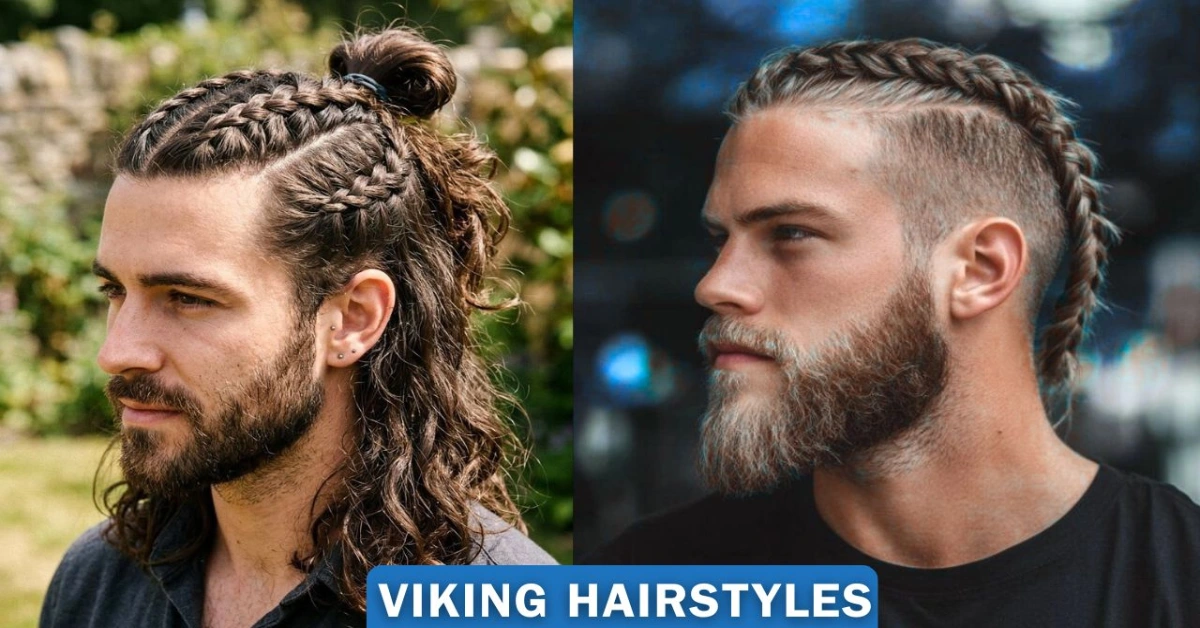
3. Half-Shaved with Side Braids
One or both sides shaved close, with the remaining long hair braided into one or two thin braids running back from the temple. A more dramatic, asymmetrical take on the standard undercut.
4. Top Knot
Long hair on top gathered and tied into a knot at the crown, with short or undercut sides. Practical for keeping long hair out of the face and one of the easiest of these styles to maintain day to day.
5. Braided Top Knot
The top-knot base with a small braid worked in before the hair is tied, adding texture and a more deliberate, styled look than a plain knot.
6. Long Layered Hair with Full Beard
Hair left at its natural length with light layering to prevent bulk, paired with a full, groomed beard. The pairing of long hair with a substantial beard is closer to the general Norse aesthetic than any single haircut on this list.
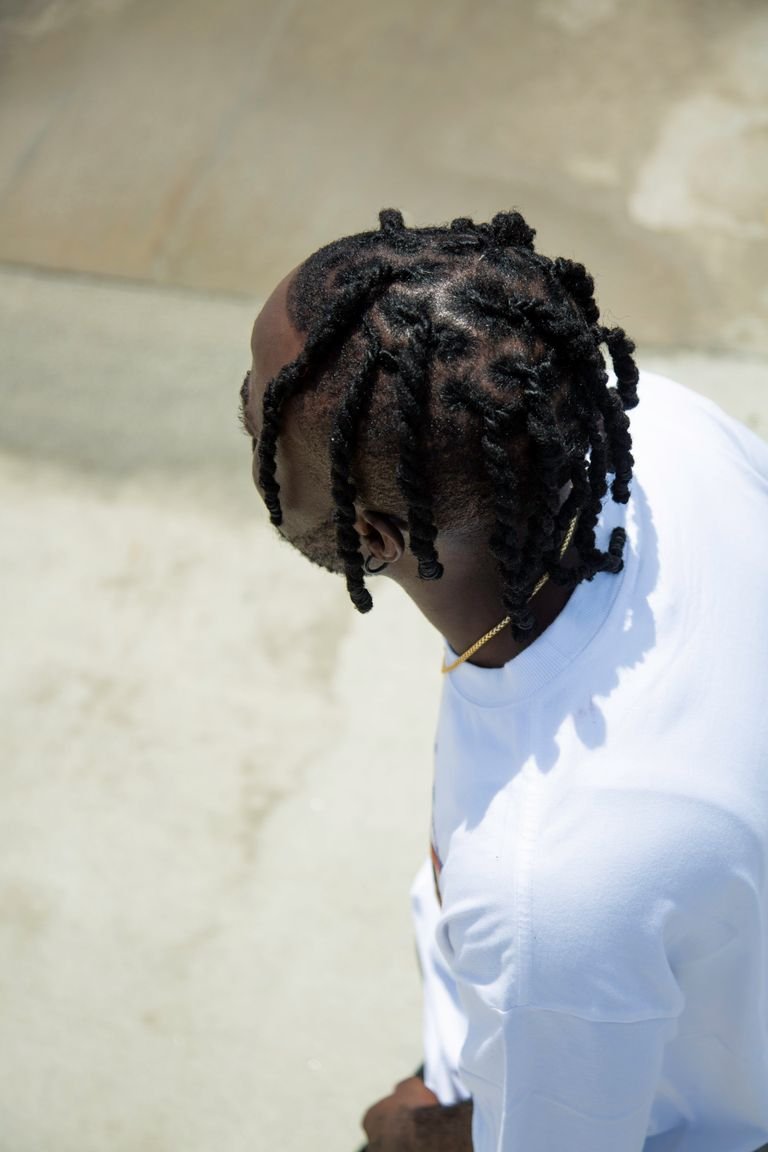
7. Cornrows Back
Hair cornrowed straight back from the hairline to the crown, sometimes transitioning into a braid or bun at the back. A texture-friendly option for coarser or coily hair types that hold a Viking-style undercut differently than straight hair does.
8. Shaved Sides with Loose Waves on Top
A softer version of the undercut for wavy or curly hair — sides kept short, top left long and unstyled to show natural texture rather than pulled back or braided.
What Vikings Actually Did With Their Hair
Most of what’s known comes from a mix of archaeological finds and a handful of written accounts, and it’s less uniform than modern “Viking hairstyle” lists usually suggest:
- Grooming tools were common and valued. Combs made of bone or antler are among the most frequently found personal items in Viking-age graves, suggesting regular grooming was normal rather than exceptional.
- Beards and long hair were typical for men, based on artistic depictions and written accounts, though exact styling varied by region and period rather than following one fixed “Viking cut.”
- Ahmad ibn Fadlan’s 10th-century account of Rus Vikings on the Volga describes them combing their hair daily and generally maintaining their appearance — a detail that runs against the unkempt-warrior image many modern depictions use.
- There’s no reliable evidence for the shaved-undercut-with-long-top look specifically — that style is a modern styling choice associated with Viking depictions in film and TV rather than a documented historical cut.
Frequently Asked Questions
There’s no solid historical evidence for the shaved-sides-long-top undercut specifically. It’s a modern styling choice popularized by film and TV depictions of Vikings rather than a documented historical haircut.
Most men need at least 4-6 inches of length on top to comfortably tie a small top knot, which typically takes 6-12 months of growth from a short cut, depending on hair growth rate.
Yes — cornrows back or shaved sides with natural loose waves on top both work well with textured hair and don’t require the hair to be straight to achieve the look.
A full, groomed beard pairs most naturally with these cuts, since long hair and a full beard together are closer to the general historical Norse aesthetic than a haircut alone.
The shaved sides need a trim every 2-3 weeks to keep the contrast sharp, but the long top itself needs very little daily maintenance beyond washing and occasional trims to prevent split ends.
Final Thoughts
Modern “Viking hairstyles” are really Norse-inspired looks built around a few consistent themes — length, braiding, and groomed beards — rather than a historically exact recreation. The undercut with a long top is the easiest starting point and works as a base for the braided and knotted variations above. For a broader range of long and layered options beyond the Viking-specific styles here, see our guide to long hairstyles for men.